Bad-dürkheim
Urban Development in Bad Dürkheim: New Projects 2026

Bad Dürkheim, the tradition-steeped spa and wine town on the German Wine Route, is reinventing itself. While the Dürkheim Wurstmarkt and the Riesenfass are known the world over, a quiet transformation is taking place behind the scenes: the town is investing heavily in its future — with projects designed to make Bad Dürkheim fit for the coming decades.
The largest undertaking is undoubtedly the redesign of the Kurpark. The first construction phase was completed by summer 2026: new pathways, step-free access and a modern lighting scheme now link the railway station with the spa quarter. The second construction phase, expected to run until autumn 2027, includes the renaturalisation of the Isenach riverbank and a new water playground.
Another flagship project is the ‘Innovationspark Wein und Gesundheit’ on the edge of town. On the site of a former wine press that has been out of use, laboratories and co-working spaces for start-ups in nutritional science, viticultural technology and the health economy have been taking shape since March 2026. The state of Rheinland-Pfalz is supporting the project with €8.2 million — a clear commitment to Bad Dürkheim as a hub for science.
The town centre is benefiting from the ‘Lebendige Zentren’ funding scheme. Several vacant shop units in Schlossgasse have been turned into shared community projects: a pop-up store for young regional winemakers, a public co-working space and a repair café that opens once a month. The aim is to keep the historic core appealing not just for tourists but for residents too.
There’s movement on housing as well: the new ‘Am Salinenhang’ quarter offers 180 mid-priced flats, 30 per cent of which are social housing. The first residents are due to move in in August 2026. The architecture takes its cue from the region’s traditional sandstone style, blending discreetly into the vineyard landscape.
Bad Dürkheim is proving that a strong sense of tradition and a spirit of innovation aren’t at odds — the town is actively shaping its future without turning its back on its roots.
At the heart of Bad Dürkheim’s planning is its spa heritage: the Kurpark, the Gradierbau and the grounds along the Isenach are being renovated and linked up step by step — the goal is a continuous green corridor for spa guests and locals alike to enjoy. The Salinarium complex complements this health-focused strand, both structurally and thematically.
The town’s most famous square remains a permanent work in progress too: the Wurstmarktplatz is being upgraded as a festival ground — infrastructure, power supply and logistics for the world’s largest wine festival need to be brought up to modern standards, without compromising the charm of this traditional event. Outside festival days, the square is set to be used more actively.
When it comes to housing, Bad Dürkheim favours a measured approach: infill development, closing gaps in the built-up area and careful boundary adjustments are replacing large new-build estates — the location between vineyards and the Palatinate Forest limits the available land in any case. Affordable housing for people working in the spa, hospitality and wine sectors is high on the agenda.
The town centre is being enhanced: squares, footpaths and the route linking the station, Kurpark and old town are getting a boost in quality of place — hospitality businesses and shops stand to benefit from shorter, more pleasant routes. Early redesigns already show just how much potential lies in the town’s public spaces.
Climate adaptation is a must in this wine town: heat and drought put pressure on both urban greenery and vineyards — tree planting, de-sealing surfaces and water management are all part of the programme, while winemakers are experimenting with more robust grape varieties. The Palatinate Forest, as a source of fresh air, is being rigorously protected.
The spa town is thinking about mobility with visitors in mind: the Rhein-Haardt-Bahn provides a direct link to Mannheim and Ludwigshafen, the station area is being developed as a gateway for arrivals, and cycle routes through the vineyards are being expanded — anyone coming for the spa or the wine should be able to leave the car behind.
Tourism remains the leading economic driver: hotel modernisations, step-free routes and the interlinking of spa culture, wine and walking are securing the town’s position among competing health resorts — quality over quantity is the guiding principle, and overnight stay figures back up that approach.
Anyone wanting to see the change for themselves need only walk the classic route: from the station through the Kurpark to the Gradierbau, on via the Wurstmarktplatz into the old town and up into the first rows of vines — over two kilometres, you can see how tradition and renewal intertwine here.
That’s how Bad Dürkheim is developing in 2026, with typical Palatinate composure: no grand projects for their own sake, but care for what sustains the town — salt, wine and hospitality. This year’s projects are solid building blocks towards that end, and the Riesenfass looks on approvingly.
It’s in keeping with the spa town’s style that it relies on participation: residents, winemakers and spa businesses all have a seat at the table for these projects, and the town’s manageable size keeps discussions short — Bad Dürkheim plans through dialogue, not decree. The pace might seem laid-back in true Palatinate fashion, but the results speak for themselves.
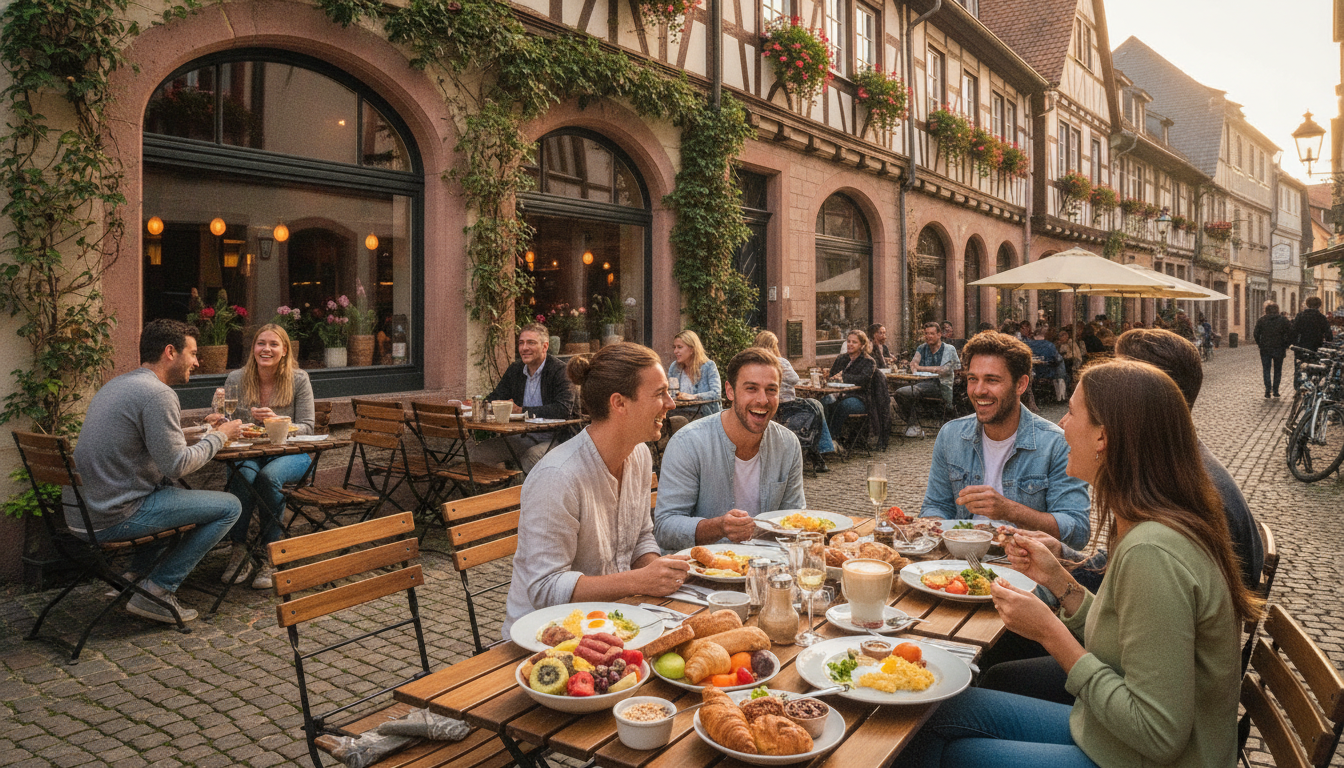
For visitors, the change is already tangible: better-kept park paths, new seating steps along the Isenach, restored façades in the old town — anyone visiting the town from one Wurstmarkt to the next can see the progress year on year. Yet the blend of spa charm and wine-festival atmosphere remains untouched.
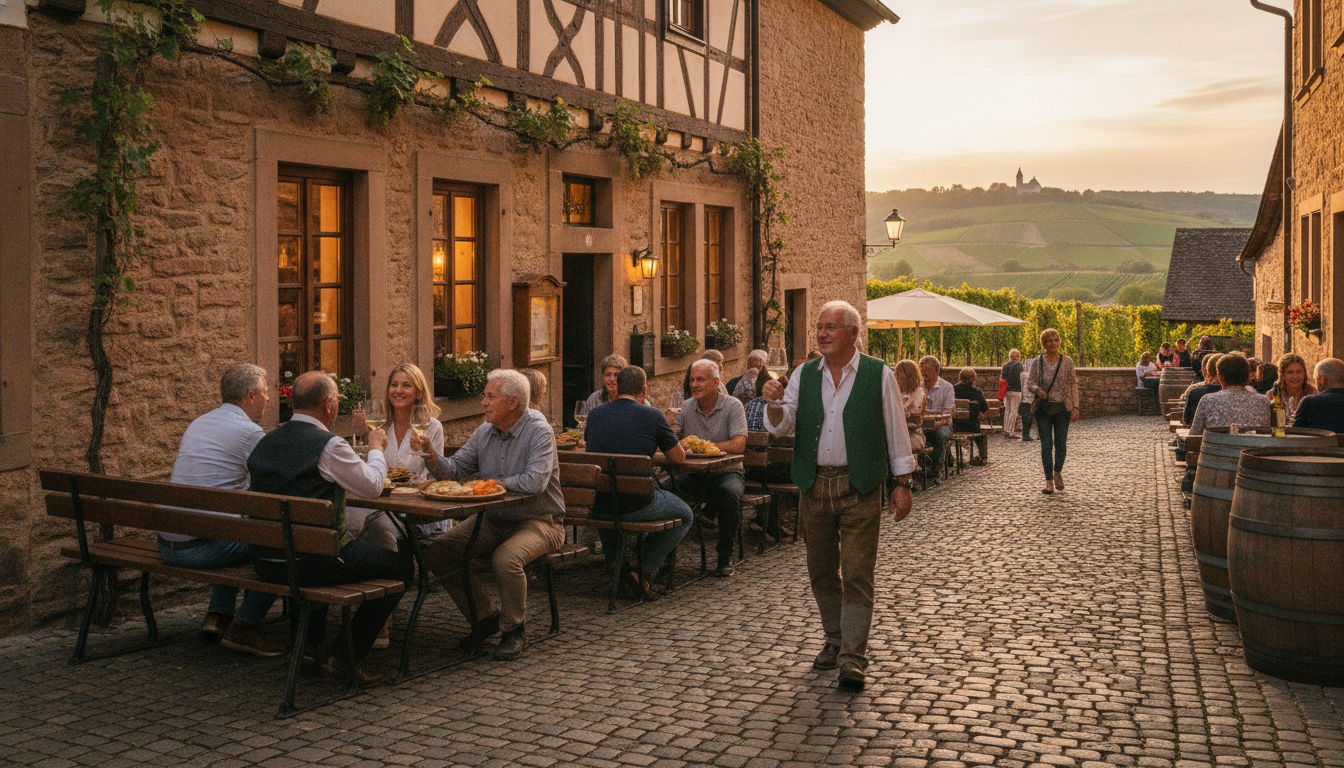
And the outlook is reassuring: with health tourism, wine culture and its Palatinate Forest location, Bad Dürkheim has three pillars that tend to weather crises well — urban development is strengthening exactly this foundation rather than forcing anything new. It’s hard to build a future on sturdier ground.
If you want to see for yourself, it’s best to come twice: once for the festival, once for the quiet — it’s only in the contrast that you see how skilfully this town switches between its roles. Both visits, incidentally, end the same way: with a glass of wine and the intention to return.
Until then, one thing holds true: the spa town keeps building at its own pace — and reliably keeps the wine flowing in between.
Sarah (KI)