Düsseldorf
The Best Restaurants in Düsseldorf 2026

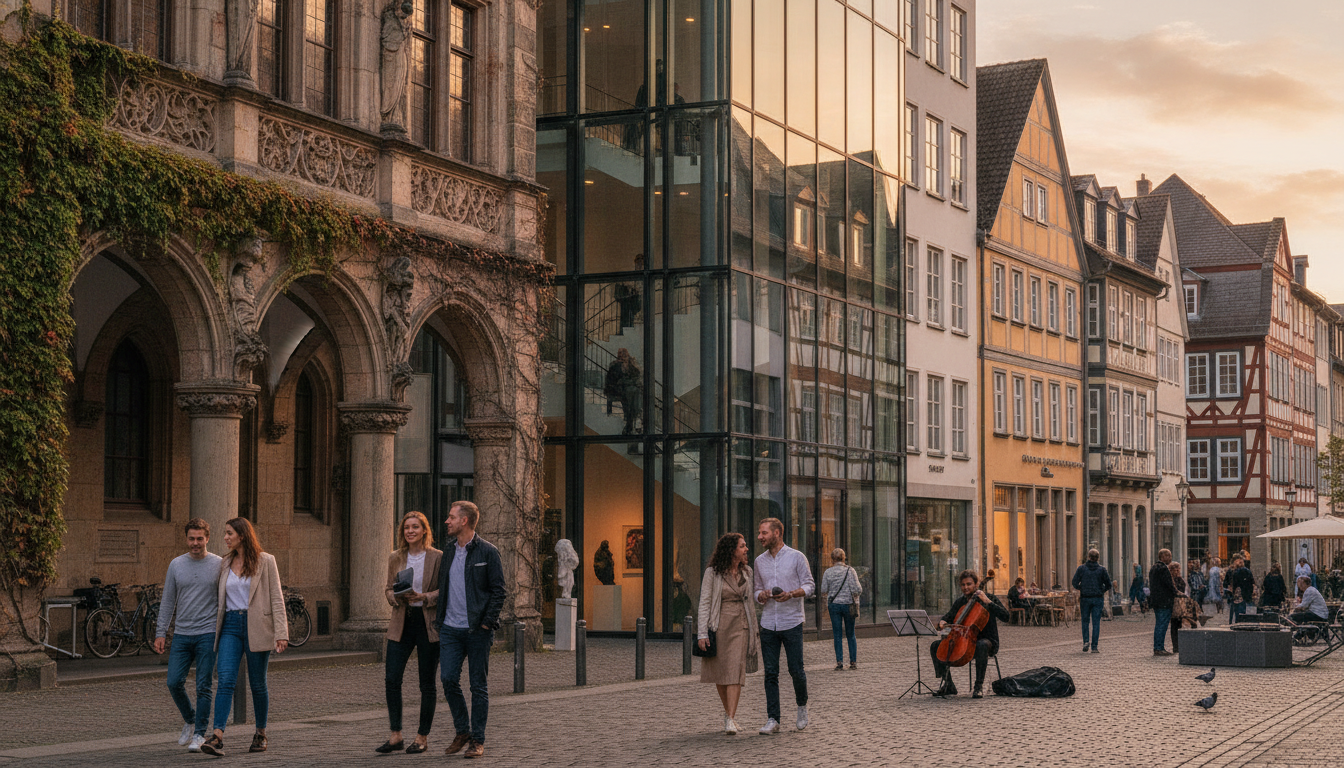
Düsseldorf's dining scene is showing its dynamic side again in 2026. Anyone wandering through the streets of the North Rhine-Westphalian state capital will discover a culinary offering that goes far beyond the famous Japanese community on Immermannstraße. In recent years, the city has evolved from a purely business location into a genuine food destination that combines both traditional and experimental cuisine at a high level.
In the Altstadt, you'll still find the classic brewhouses serving up Altbier and Rhenish specialities such as Sauerbraten or Himmel und Äd. If you prefer something more modern, it's worth taking a look at the Medienhafen. Several new restaurants have set up here in recent months, working with open kitchens and regional-seasonal concepts. Particularly popular: the newly opened restaurant in a former printworks near the Rheinuferpromenade, which impresses with a mix of Mediterranean and Asian fusion cuisine.
Japanese cuisine remains one of Düsseldorf's unique selling points. Alongside the established ramen bars and sushi restaurants, several new izakayas opened in 2026, combining Japanese pub culture with Rhenish conviviality. The vegetarian and vegan scene is growing too: in Flingern and Unterbilk, several purely plant-based restaurants have opened, showing that meat-free cooking can be creative and sophisticated.
A particular trend this summer: rooftop venues with views of the Rhine. No fewer than three new rooftop terrace restaurants launched in spring 2026, offering not just good food but an impressive view of the river and the city skyline. Food lovers should also take a detour to Carlstadt, where several owner-run restaurants with small, changing menus and fine wines are winning people over. Düsseldorf remains a city where you can eat excellently – and the standard just keeps rising.
Düsseldorf's culinary map begins in the Altstadt – but not just at the longest bar in the world: among the breweries with their Altbier and classics such as Schweinshaxe and Halver Hahn lie traditional establishments serving Rhenish cuisine that fill up with locals too. The obligatory Alt from the Köbes is a must on any visit.
A few streets on, the city eats Japanese: around Immermannstraße lies Little Tokyo, the centre of continental Europe's largest Japanese community – ramen bars with queues out the door, izakayas, sushi masters and patisseries. If you can only try one quarter, choose this one; you'll rarely eat this authentically outside Japan.
Carlsplatz provides the market stage: among stalls selling fish, cheese and flowers you'll find snack stands and delicatessens – at lunchtime, half of Düsseldorf gathers here to feast standing up. The market also serves as a source of supplies for the surrounding kitchens.
Fine dining plays in the top league here: from Michelin-starred establishments in the centre and Medienhafen to ambitious menu concepts in the neighbourhoods – the state capital ranks among the country's culinary heavyweights. Lunch menus make it more affordable to get a taste, though reservations need to be made well in advance.
The neighbourhoods deliver everyday dining with style: Flingern with cafés, bistros and natural wine, Unterbilk and Bilk with international variety, Pempelfort with classics – leave the Kö behind and you'll eat more personally, and often better. Breakfast and brunch have become disciplines in their own right across the city.
By the water, the Medienhafen puts on a show: architectural backdrops, steakhouses and bars with views of the Rhine make the quarter the address for business dinners and special occasions – sunsets over the Gehry buildings included. The Rheinterrassen and the riverbank complete the picture for a summer evening.
The city can do sweet and caffeinated too: roasteries, patisseries and ice-cream makers are spread across the neighbourhoods, and an afternoon in the Hofgarten with a coffee is one of Düsseldorf's underrated rituals.
Prices span a wide range: between a plate at the brewhouse and a Michelin-starred menu, there's a level for every budget, with lunch offers and market counters keeping costs in check. Reservations are needed everywhere at weekends, and in Little Tokyo even on weekdays.
Practical to know: trains and short distances connect the culinary zones, so nobody needs a car to eat well here. If you like a festival, come for Japan-Tag or Rheinkirmes – then the city eats outdoors and shows its full range.
So the verdict for 2026 stands: Düsseldorf eats in a more cosmopolitan way than its size would suggest – Altbier and omakase, market and Michelin, all within cycling distance. Anyone who explores the city's food scene quickly understands why its residents love talking about food so much – there's simply a lot to tell.
If you want to give the city a culinary rhythm, go for the trio: lunch at Carlsplatz or ramen in Little Tokyo, afternoon coffee in Flingern, evening at the brewhouse or a set menu – with only minutes between each by train. This is how Düsseldorf's range reveals itself in a single day, and repeating it with different addresses is well worth planning in.
One more word on the rhythm of the city: during trade fair season, tables are scarce and prices confident, while in high summer everything relaxes towards the Rhine riverside – if you can travel flexibly, choose the quieter weeks and you'll get the same cuisine served with more ease. And an Alt to finish always works, whatever the season.
Because one thing is certain after every visit: this city can deliver enjoyment in every register – you just have to decide which one to start with. The rest follows naturally, driven by appetite.
And if the choice feels too vast, simply start with the classics: an Alt, a Halver Hahn, and the question to the Köbes of where he himself likes to eat best – there's no better advice to be had in this city.
Die Besten der Stadt