Maxhütte-haidhof
Industrial Heritage in Maxhütte-Haidhof: Steelworks History
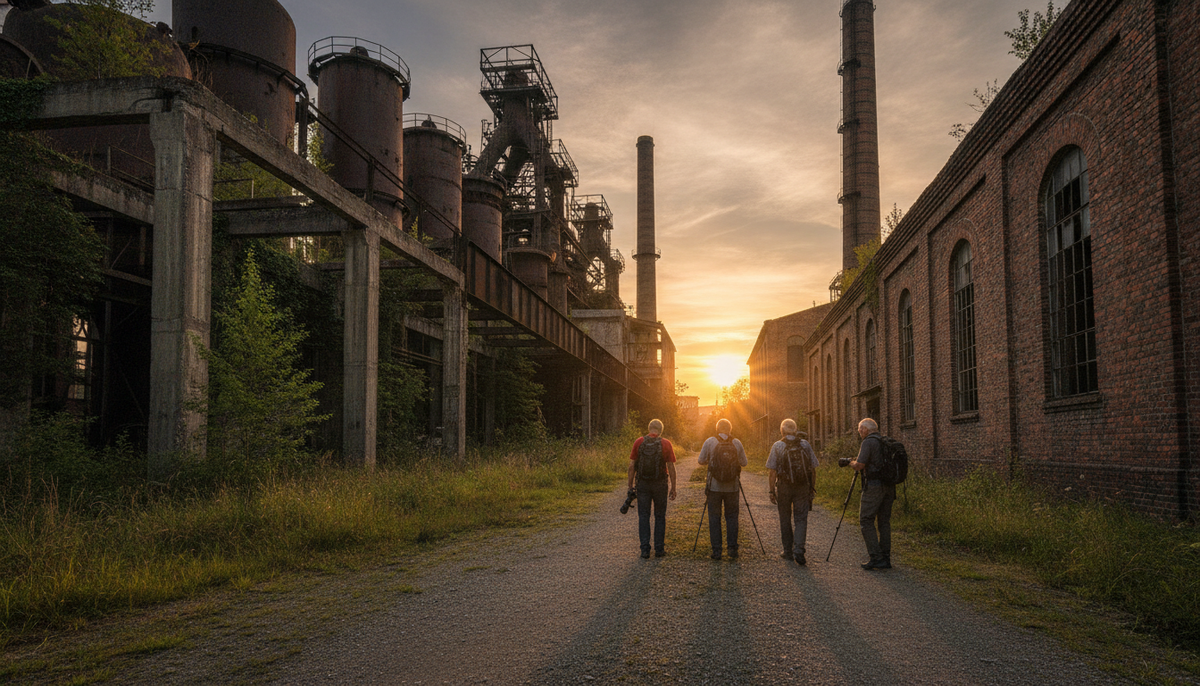
The industrial heritage of Maxhütte-Haidhof tells a fascinating story of steel, sweat and economic rise. Anyone interested in the past of the Upper Palatinate will find a unique chapter of German industrial history here. This article shows you all the important facets of the industrial heritage of Maxhütte-Haidhof and the most exciting sights in the region.
The town of Maxhütte-Haidhof owes its name to the former Maxhütte-Haidhof steelworks, which formed the economic backbone of the region for over a century. Today, numerous industrial monuments in Maxhütte-Haidhof bear witness to this eventful past. Get ready for an exciting journey through time in the history of Maxhütte-Haidhof.
Industrial Heritage in Maxhütte-Haidhof: The Origins of the Steelworks
The industrial heritage of Maxhütte-Haidhof began in the 19th century with the founding of the first ironworks. The rich iron ore deposits of the Upper Palatinate made the region an attractive location for the steel industry. As early as 1853, the first production facilities were built, laying the foundation for the later industrial heyday.
The founders recognised the region's potential early on. They invested heavily in production techniques that were modern for their time. As a result, Maxhütte-Haidhof quickly developed into an important location for Bavarian heavy industry.
The Economic Importance of the Early Years
The first decades were characterised by steady growth. Thousands of workers found a secure livelihood in the works. The industrial heritage of Maxhütte-Haidhof shaped not only the economy but also the social life of the entire region.
💡 Tip: Visit the local Heimatmuseum to discover original documents and photographs from the Gründerzeit.
Former Steelworks in Maxhütte-Haidhof: Heyday and Growth
The former steelworks in Maxhütte-Haidhof experienced their greatest expansion in the first half of the 20th century. New technologies and growing demand ensured continuous growth. The workforce grew to several thousand employees.
Production capacities were expanded several times. Modern blast furnaces and rolling mills were built, which were among the most advanced of their time. This development made the industrial heritage of Maxhütte-Haidhof a symbol of technical progress in the region.
Technological Innovations at the Steelworks
The engineers at the Maxhütte repeatedly set new standards. They developed innovative processes for steel refining. This innovative strength secured the works competitive advantages for decades.
The following technical milestones shaped its development:
- Introduction of modern blast furnace technology in the 1920s
- Expansion of rolling mill capacity in the 1950s
- Modernisation of steel refining in the 1970s
- Introduction of environmentally friendly production methods
Industrial Monuments in Maxhütte-Haidhof: Sights Today
The industrial monuments in Maxhütte-Haidhof are important witnesses of the industrial past today. Many buildings and facilities have been lovingly restored and made accessible to the public. A walk through the site feels like a journey through time.
The surviving blast furnace facilities are particularly impressive. They give an authentic impression of the size and importance of the former production. The industrial heritage of Maxhütte-Haidhof becomes visible here in an impressive way.
The Most Important Surviving Buildings
Several historic buildings shape the townscape today. These include:
- The old factory hall with original machinery
- The historic water tower as a landmark
- The administration buildings in an industrial architectural style
- Surviving track systems of the works railway
- Restored workers' houses from the Gründerzeit
💡 Tip: Many of the industrial monuments in Maxhütte-Haidhof can be explored comfortably on foot. Allow at least two hours for a detailed tour.
History of Maxhütte-Haidhof: The Region's Structural Change
The history of Maxhütte-Haidhof is closely linked to Germany's economic structural change. In the 1980s and 1990s, many steelworks in Germany came under pressure. The Maxhütte, too, felt the effects of global competition.
The closure of large parts of production was a painful process for the entire region. Thousands of jobs were lost. Nevertheless, the town succeeded in reinventing itself and preserving its industrial identity.
How the Region Coped with the Change
After the crisis, the town focused on diversification. New commercial areas were created, and the service sector gained importance. At the same time, the industrial heritage of Maxhütte-Haidhof remained an important part of local identity.
Today, the industrial past is remembered with pride. Museums and memorials keep the memory alive. The Maxhütte-Haidhof city page offers further information on current urban development.
Experience the Industrial Heritage of Maxhütte-Haidhof: Museums and Exhibitions
Anyone who wants to experience the industrial heritage of Maxhütte-Haidhof up close should definitely visit the local museums. These institutions preserve valuable historical collections. Original tools, documents and photographs tell the story of the steelworks.
The exhibitions are lovingly designed and aimed at visitors of all ages. Interactive elements make the history accessible, especially for families. Many tours are led by former works employees, who give authentic insights.
Special Exhibits
The highlights of the collections include:
- Historic production machines from different eras
- Personal mementoes of former workers
- Detailed models of the works facilities
- Photo archives spanning over 150 years of company history
After a long museum visit, a detour into the town is worthwhile. Discover the best restaurants in Maxhütte-Haidhof for a well-earned refreshment.
Industrial Heritage in Maxhütte-Haidhof: Combining Leisure and Relaxation
The industrial heritage of Maxhütte-Haidhof combines wonderfully with a relaxed day in town. After viewing the historic sites, the town offers numerous opportunities to linger. A stroll through the shops is part of the visit for many visitors.
If you like shopping, you should visit Shopping in Maxhütte-Haidhof: Your Favourite Boutiques. The charming shops offer regional products and individual finds. This is how culture and enjoyment can be combined perfectly.
A Perfect Day Trip
For a successful day, the following stops are recommended:
- Morning: Visit the historic works facilities
- Lunchtime: Refreshment in a local restaurant
- Afternoon: Stroll through the town's boutiques
- Evening: Relaxed wind-down in a cosy atmosphere
For the perfect end to the day, we recommend Bars in Maxhütte-Haidhof: Relax with Perfect Cocktails. Here you can look back on the day over a good drink.
Industrial Heritage in Maxhütte-Haidhof: Significance for the Future
The industrial heritage of Maxhütte-Haidhof is not only the past but also future potential. More and more visitors are interested in industrial history. The town has recognised this potential and is continuously investing in preserving the monuments.
The industrial heritage of Maxhütte-Haidhof also plays an important role for the local economy. Tourism around the historic sites creates new jobs. If you are thinking about moving to the region, you will find expert support from the best estate agents in Maxhütte-Haidhof.
Sustainable Treatment of the Industrial Heritage
The town is increasingly relying on sustainable concepts. Old industrial areas are being carefully revitalised. The historic character is retained while new uses emerge.
This strategy secures the long-term preservation of the industrial monuments in Maxhütte-Haidhof. At the same time, attractive spaces for culture, commerce and leisure are created.
📍 Discover more:
Conclusion: Discover the Industrial Heritage of Maxhütte-Haidhof
The industrial heritage of Maxhütte-Haidhof offers a fascinating chapter of German economic history. From the beginnings of the steelworks through the heyday to structural change – this region has a lot to tell. The surviving industrial monuments in Maxhütte-Haidhof invite you on an exciting journey of discovery.
The key takeaways at a glance:
- The history of Maxhütte-Haidhof goes back over 150 years
- Numerous well-preserved industrial monuments shape the townscape
- Museums offer authentic insights into the history of the steelworks
- The region combines industrial heritage with a modern lifestyle
- A visit can be ideally combined with shopping and dining
Plan your visit today and experience the industrial heritage of Maxhütte-Haidhof up close. This unique mix of history, culture and quality of life will delight you!
Frequently Asked Questions
What makes the industrial heritage of Maxhütte-Haidhof special?
The industrial heritage of Maxhütte-Haidhof is distinguished by well-preserved historic buildings and a steelworks history of over 150 years. The combination of authentic industrial monuments and modern town life makes the region unique.
Which former steelworks in Maxhütte-Haidhof can be visited?
Several works facilities are now open to the public, including old factory halls, the historic water tower and administration buildings. Guided tours offer detailed insights into the history of production.
How long does a visit to the industrial monuments in Maxhütte-Haidhof take?
For a detailed tour of the most important industrial monuments in Maxhütte-Haidhof, you should allow about two to three hours. With a museum visit, the time extends accordingly.
Are there guided tours on the history of Maxhütte-Haidhof?
Yes, guided tours led by former works employees or local historians are offered regularly. These tours give particularly authentic insights into the history of Maxhütte-Haidhof.
Is the industrial heritage of Maxhütte-Haidhof suitable for families?
Absolutely, many exhibitions are interactive and appeal to visitors of all ages. The industrial heritage of Maxhütte-Haidhof offers both historical knowledge and entertaining elements for children.
Laura Schröder