Mülheim-an-der-ruhr
Vintage and Second-Hand in Mülheim an der Ruhr
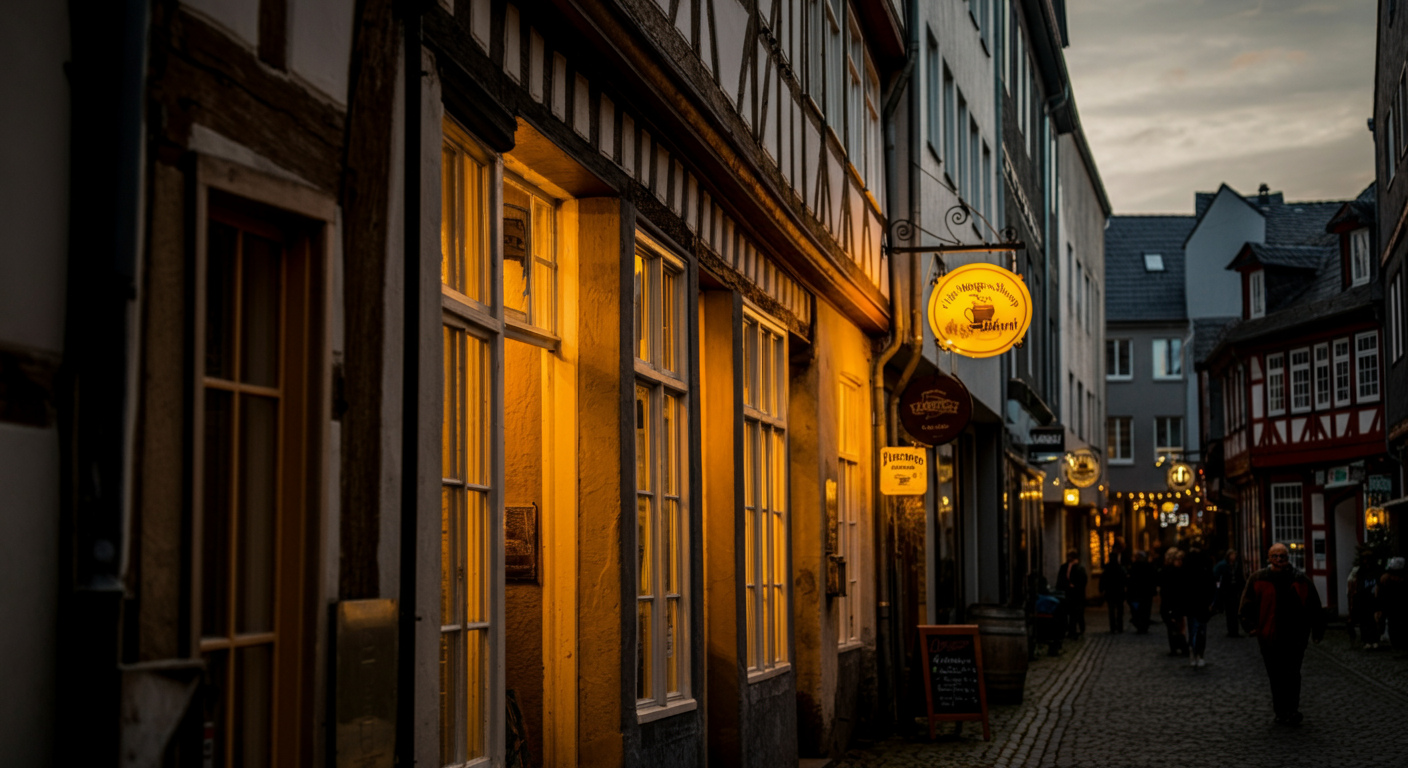
Vintage fashion, retro furniture and second-hand finds are on trend, and with a little patience there is plenty to discover in Mülheim an der Ruhr too. This guide explains the difference between vintage and second-hand, what to look out for when shopping and how to approach the search in the Ruhr city. We deliberately do not name specific shops so that all information stays reliable. It is best to ask each shop directly about its opening hours and range.
You will find one entry in our list of the best second-hand shops in Mülheim an der Ruhr. If you are looking for fashion, you can also browse the lists of the best women's fashion and the best decoration and home accessories.
Vintage, Retro, Second-Hand: What Is What?
Vintage: Clothing and accessories that are at least around 20 years old and reflect the style of their time, often from the 1950s to the 1990s.
Retro: New or as-new pieces designed in the style of past decades.
Second-hand: Used goods from any period, often current fashion bought second-hand.
Antiques: Objects that are generally more than 100 years old.
💡 Tip: It is best to visit shops during the week, when it is quieter and you can browse at your leisure.
Where to Look
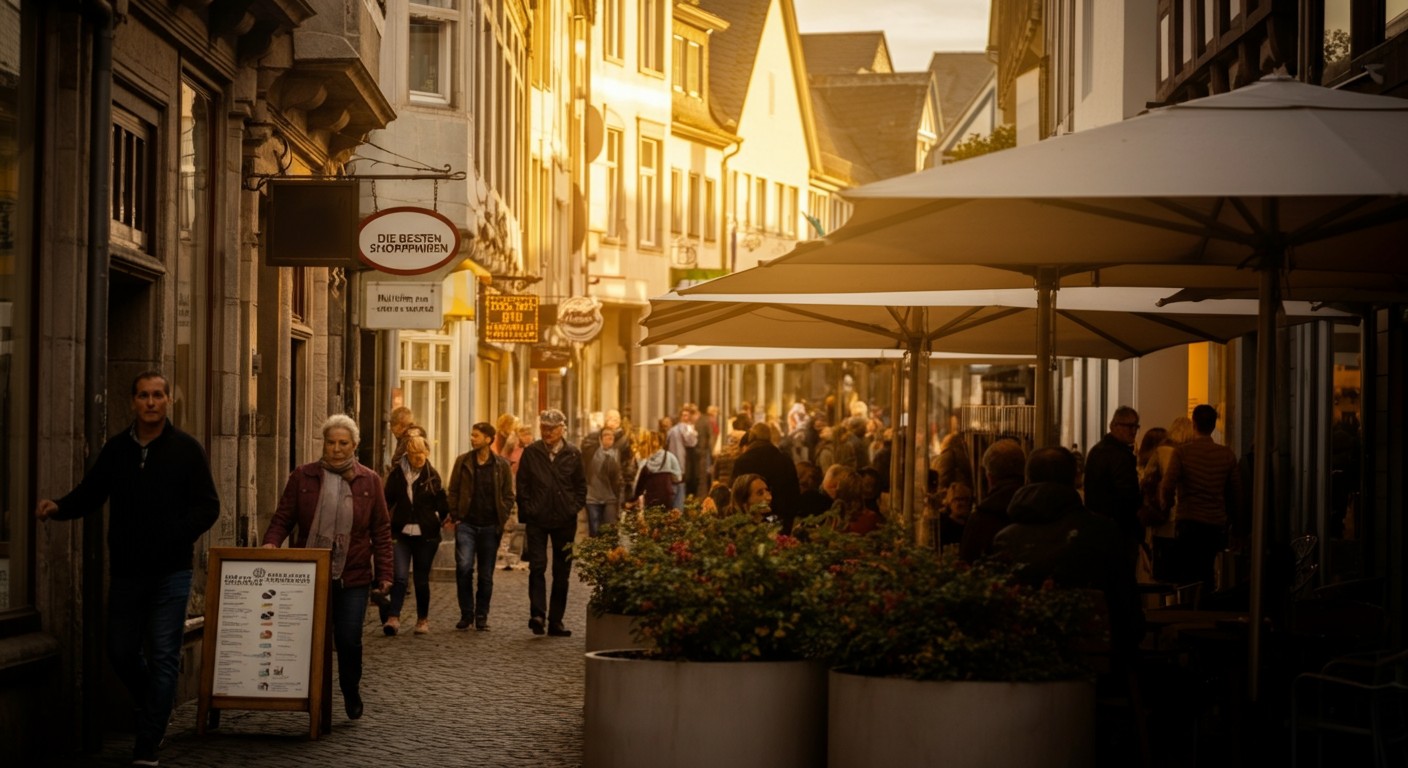
The city centre around Schloßstraße and the Forum is the obvious starting point for a shopping trip. Smaller shops and flea markets are also often found in districts such as Speldorf or Styrum. Find out in advance when flea markets and bric-a-brac markets take place, as dates change. A look at the city's events calendar or local websites helps.
The Variety of Finds
Clothing and accessories from past decades
Second-hand fashion, in some cases of good quality and from well-known brands
Furniture and home accessories in the style of the 1950s, 60s and 70s
Records, books and collectors' items
Household items, crockery and decorations
Shopping Sustainably
Second-hand and vintage conserve resources. Anyone who keeps using existing clothing avoids waste and the need for newly produced textiles. Making new clothing uses a great deal of water and energy. On top of that, many older pieces are sturdily made and, with good care, last for many more years.
Textile waste is reduced through reuse.
New production, and with it resource consumption, is avoided.
You get one-of-a-kind pieces instead of mass-produced goods.
Owner-run local shops benefit from your purchase.
💡 Tip: When buying vintage clothing, pay attention to the care instructions. Many older fabrics need special treatment.
Furniture and Home Accessories
If you want to furnish your home with finds, look out for sturdy construction, woodworm and odours. Typical styles are kidney tables and cocktail armchairs of the 1950s, teak furniture of the 1960s and lamps of the 1970s. Measure your space in advance and, when buying large pieces, ask about delivery or collection.
Shopping Tips for Vintage
Know your measurements: Vintage sizes often do not match today's standards. Take your own measurements with you and try things on.
Set a budget: That way you avoid impulse buys.
Check the condition: Look out for stains, tears, stretched elastic and broken zips.
Question authenticity: With expensive designer pieces, it is worth asking about provenance and proof of authenticity.
Assess the care required: Some pieces need cleaning or repair, which you should factor in.
Genuine or Not?
You can recognise genuine vintage pieces by their labels, materials and workmanship. Metal zips, strong seams and fabrics made of natural fibres are typical. Missing labels are not a reliable sign of a fake or of a piece's age. If in doubt, ask the owners, who are often very knowledgeable.
Selling Your Own Things
Some shops buy well-kept goods or take them on commission. Phone beforehand to ask about the terms and whether an assessment is needed. Alternatively, sell clothing at flea markets or online.
Prices
Prices depend on condition, rarity and brand. Basic second-hand clothing is usually much cheaper than new, while special designer pieces and rare furniture cost more. Compare several offers and haggle politely at markets.
📍 Discover more: Explore more recommendations for Mülheim an der Ruhr on our city page.
Conclusion
Vintage shopping in Mülheim an der Ruhr is worthwhile for anyone who brings time for browsing. Use our lists, pay attention to condition and size, and plan your round of the city centre and districts. That way you will find one-of-a-kind pieces while protecting the environment.
Frequently Asked Questions
How can I recognise genuine vintage pieces?
Look at labels, materials and workmanship. Metal zips and natural fibres are typical. If in doubt, ask the owners.
Is there vintage for men too?
Yes, many shops also stock menswear, often in a smaller selection. Ask in the shop about the range.
Can I sell my own things?
Some shops take items on commission or buy them. Ask about the terms beforehand.
Where can I find second-hand shops?
In our list of the best second-hand shops in Mülheim an der Ruhr.

Sarah Müller
Reise- und Lifestyle-Journalistin