München
Schloss Nymphenburg in Munich: A Visitor's Guide
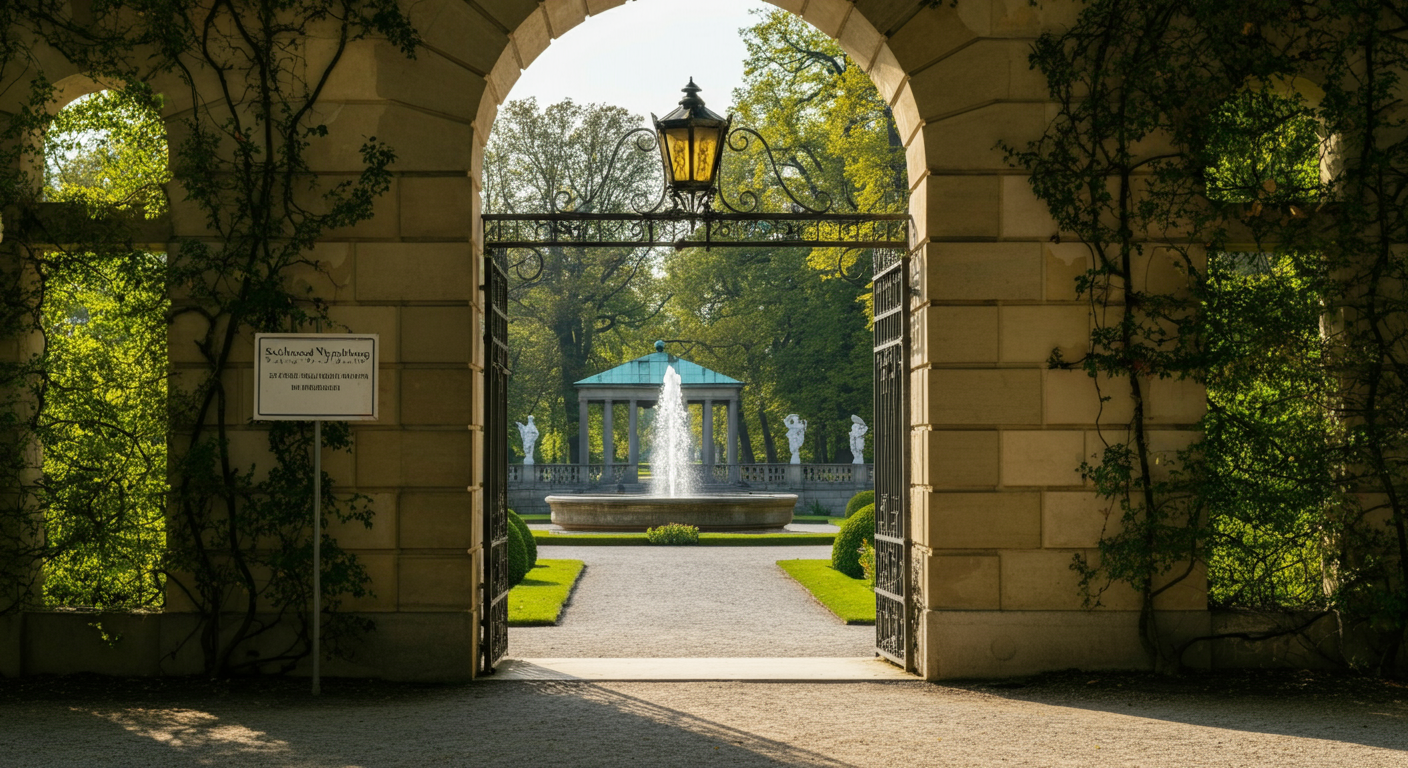
Schloss Nymphenburg is one of the most beautiful Baroque palaces in Germany and was the summer residence of the Bavarian electors and kings. The complex includes the extensive main palace, a large park with canals and several park palaces. This guide introduces you to the highlights and gives practical tips for your visit.
History of Schloss Nymphenburg
Construction began in 1664. Elector Ferdinand Maria had the palace built for his wife, Henriette Adelaide of Savoy, after she gave birth to the heir to the throne, Max Emanuel. The original core building was designed by Agostino Barelli. Over the following generations the complex was extended further and further until it took on its present, sprawling form.
Well-Known Residents
The future King Ludwig II was born in Schloss Nymphenburg in 1845. His birth room is one of the rooms visitors should know about. King Ludwig I also left his mark here: the Gallery of Beauties collects portraits of beautiful women from his time.
💡 Tip: Allow enough time for the rooms. You cannot explore the palace and park in an hour.
Inside the Palace: Rooms and Highlights
The Steinerner Saal
The heart of the palace is the Steinerner Saal, or Stone Hall, a magnificent banqueting hall in the Baroque and Rococo style. The ceiling frescoes were created by Johann Baptist Zimmermann, and the hall was later remodelled in the Rococo style.
More Rooms
- King Ludwig I's Gallery of Beauties
- King Ludwig II's birth room
- State rooms and apartments from various periods
Park and Park Palaces
Behind the palace stretches a large park with canals, meadows and old trees. It was originally laid out as a Baroque garden and later partly redesigned as a landscape park. The park is freely accessible and a popular destination for walks.
The Four Park Palaces
- Amalienburg: A small hunting lodge in the Rococo style by François de Cuvilliés
- Badenburg: A bathhouse regarded as the first heated indoor swimming pool north of the Alps
- Pagodenburg: A tea house in the Chinese style
- Magdalenenklause: An artificial hermitage
💡 Tip: From the Große Kaskade at the end of the main canal you have a lovely view back to the palace.
More Sights on the Grounds
The palace grounds also include the Marstallmuseum with its carriages and sleighs, and the Nymphenburg Porcelain Manufactory. Both fit in well with your tour. You can find information on opening hours on the official website.
Practical Information for Your Visit
Tickets and Opening Hours
Admission prices, opening hours and concessions change over time. You can find current details on the official website of the Bavarian Palace Administration. There you can also find out whether you should book tickets in advance and which park palaces are open in the cold season.
Getting There
Tram line 17 takes you all the way to the palace. If you come by car, you should find out about parking options and charges beforehand.
Accessibility
The park is largely easy to get around. For the accessibility of individual rooms and buildings, it is best to ask the Palace Administration before your visit.
📍 Discover more: Explore more recommendations for Munich on our city page.
Frequently Asked Questions
How long does a visit take? You should allow one to two hours for the palace and considerably more for the park and park palaces. A full day is worthwhile.
Is the park free? Yes, the park is freely accessible. Admission is charged for the palace and park palaces.
How do I get to the palace? By tram line 17 to the Schloss Nymphenburg stop.
Are there guided tours? You can find information on guided tours on the official website.
Christian Wagner