St.-pölten
Vintage and Second-Hand in St. Pölten: Tips for the Treasure Hunt
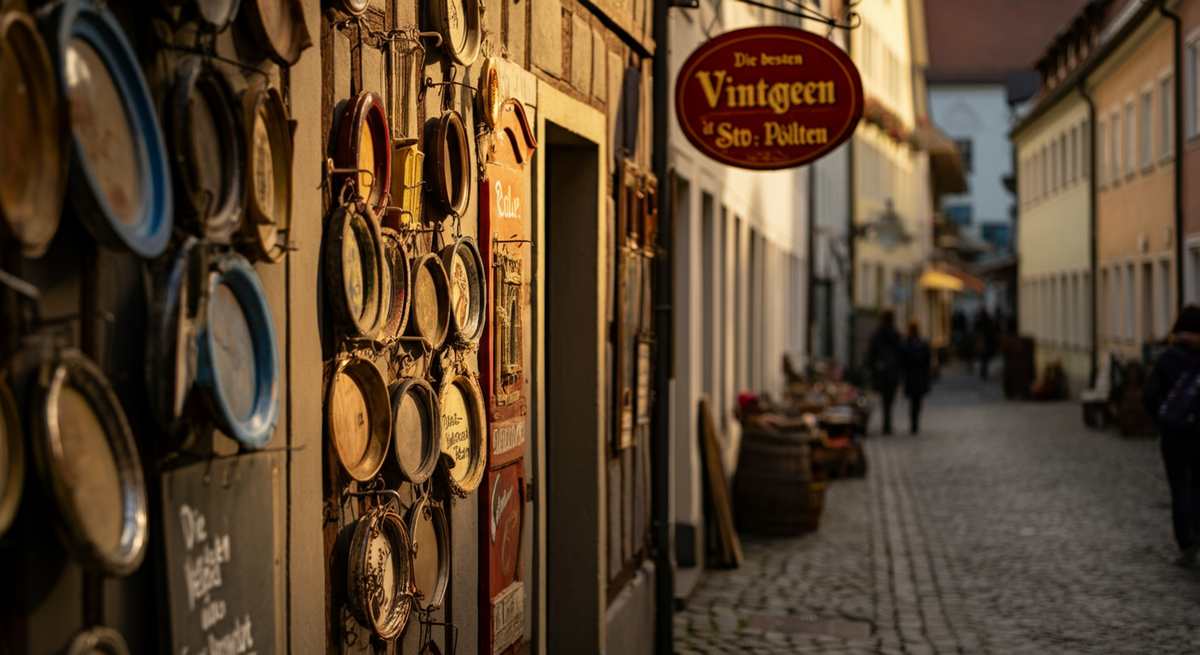
Vintage fashion and second-hand pieces are a good way to shop sustainably while developing a style of your own. In St. Pölten, the capital of Lower Austria, too, it is worth searching for clothing, accessories and special one-off pieces. In this guide you will learn what to look for so that your browsing turns into a successful treasure hunt.
Vintage, Second-Hand and Used Goods: What Is the Difference?
The terms are often mixed up, but they don't mean the same thing. If you know what you are looking for, you will find the right thing faster.
Vintage
Vintage usually refers to clothing and accessories from past decades, which often have a special cut or a typical pattern of the era in question.
Second-Hand
Second-hand is the umbrella term for clothing that has already been worn, of every kind, from everyday fashion to designer labels. Here the low price is usually the main attraction.
More Than Clothing
Depending on the shop, there are also books, records, household goods, decorations or furniture second-hand alongside fashion. If you are looking for something specific, it is best to ask directly about the range.
💡 Tip: During the week, shops are usually quieter, so you have more time to browse and ask questions.
How to Prepare Your Treasure Hunt
Vintage shopping takes a little patience, because you are dealing with one-off pieces. Good preparation saves time and nerves.
Before You Shop
- Check sizes: Older garments often come up differently from today's sizes. So always try things on.
- Set a budget: Set yourself a limit beforehand so that you don't overspend on impulse.
- Define your style: Think about which era or look appeals to you.
- Allow time: Good finds are rarely made in passing.
In the Shop
- Check quality: Inspect seams, zips, buttons and the condition of the material.
- Smells and stains: Look and sniff carefully before you decide.
- Care instructions: Ask about the right way to clean items, especially with delicate fabrics.
- Versatility: Think of your existing wardrobe so that the new piece actually gets worn.
Vintage Styles from Different Decades
Every era has its typical features. If you know them, you will spot finds more easily.
- The 1950s: Petticoats, pencil skirts and elegant blouses
- The 1960s: A-line dresses, miniskirts and geometric patterns
- The 1970s: Flares, folk elements and earth tones
- The 1980s: Shoulder pads, neon colours and bold silhouettes
- The 1990s: The grunge look and slip dresses
Styling Vintage in a Modern Way
The trick lies in the mix: combine a vintage top with modern jeans or an old dress with simple, contemporary shoes. That way the look feels individual but not like fancy dress.
💡 Tip: A single vintage piece as a focal point is often enough to give an outfit character.
Tips for Bargain Hunters
The Right Time
- During the week: Fewer crowds and more time for advice
- In the morning: When stock has just been re-sorted, the selection is often especially good
- Change of season: Often a good time for reduced items
Prices and Haggling
For minor flaws, a friendly request for a discount can make sense. Whether that is possible is up to each shop.
Selling Your Own Pieces
Some second-hand shops buy clothing or take it on commission. Ask about the terms before you bring your pieces along.
Why Second-Hand Is Worthwhile
- Sustainability: Clothing stays in circulation longer, and less textile waste is produced.
- Uniqueness: Many pieces exist only once.
- Price: High-quality clothing is often cheaper second-hand.
- Local economy: If you shop locally, you support local retail.
📍 Discover more: Explore further recommendations for St. Pölten on our city page.
Conclusion
Vintage and second-hand shopping is a matter of patience and good preparation. If you check sizes, look at quality and take your time, you may with a little luck find special one-off pieces at fair prices.
Frequently Asked Questions
Are second-hand pieces cheaper than new clothing? As a rule, yes, especially with high-quality brands. The price does depend on the condition and rarity of the piece, though.
Can you sell your own clothes? Some shops buy clothing or take it on commission. The terms differ, so ask directly.
Is there clothing in plus sizes? The range can vary, as these are one-off pieces. Ask in the shop whether suitable sizes are available.
What should I look out for when buying? Check seams, zips and the condition of the material, and try the piece on, as sizes of older clothing differ.
Lukas Krüger