Bayreuth
Bayreuth – What Defines German Cuisine? Part 1
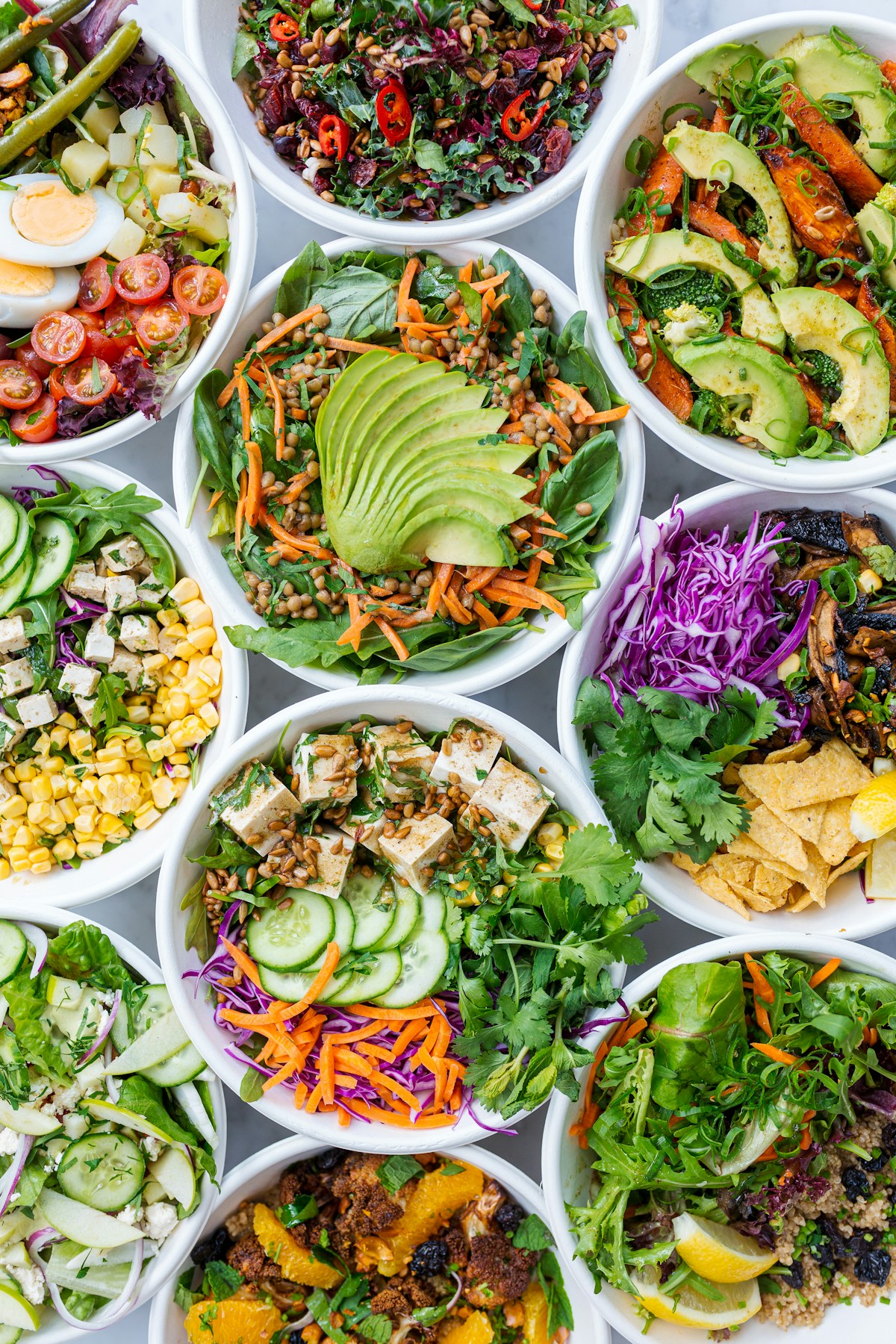
From an international point of view, German dishes are usually seen as rather meat-heavy and hearty. Sauerkraut is clearly typical of Germany; at any rate, we Germans are called "the Krauts" in Anglo-American language areas.
What Is German Cuisine Known For?
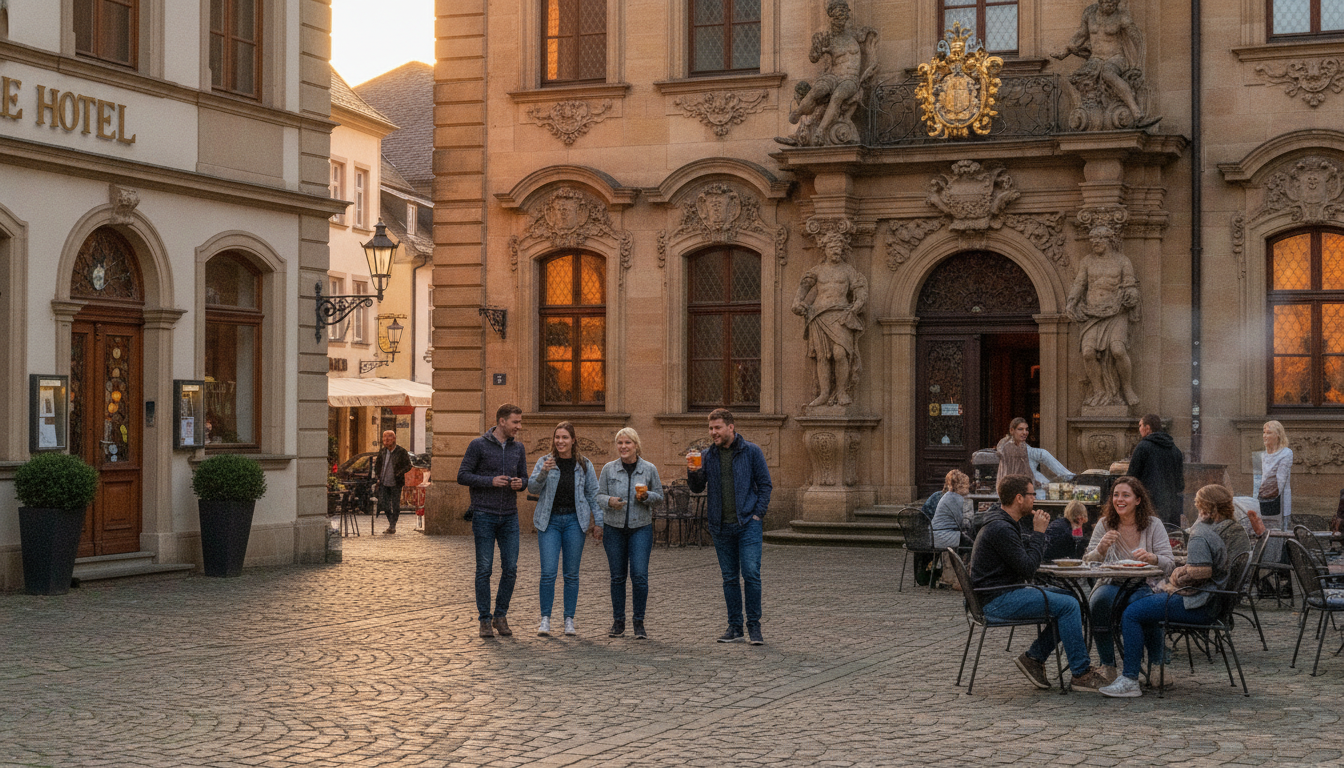
When visitors from distant countries come to Bayreuth on the Red Main, one of the questions asked most often is about the most popular German dishes. The expectation is that, besides the German cuisine of Bayreuth and beyond the horizon of your home federal state of Bavaria, you know at least a few specialities from the southern half of Germany, or better still from the whole country.
Beyond sauerkraut, Germany is known for its many kinds of bread and sausage. German wines, pretzels from Bavaria, Thuringian grilled bratwursts, Dresden stollen and Lübeck marzipan are further export hits.
Germany is, however, one of the countries with a huge variety of cuisine. German cooking has something for every taste, from east to west and from south to north. Regional characteristics account for the exceptional variety in German cooking, from meat and fish to fruit and vegetables and on to the different kinds of bread.
Across the German lands, we begin a little journey in the two parts of this blog post and introduce typical specialities from each federal state:
Hearty German Cuisine from Bavaria
Bavarians are known for their robust cooking, with stews such as Pichelsteiner and meat products such as Weißwurst (white sausage) or Schweinshaxe (roast pork knuckle). Bavarian main meals seldom come without meat. That is why, besides Weißwurst and knuckle, meat just as happily appears as Leberkäse, a Bavarian meatloaf, crackling roast or roast pork. Bread dumplings, potato salad, sauerkraut or noodles are popular side dishes.
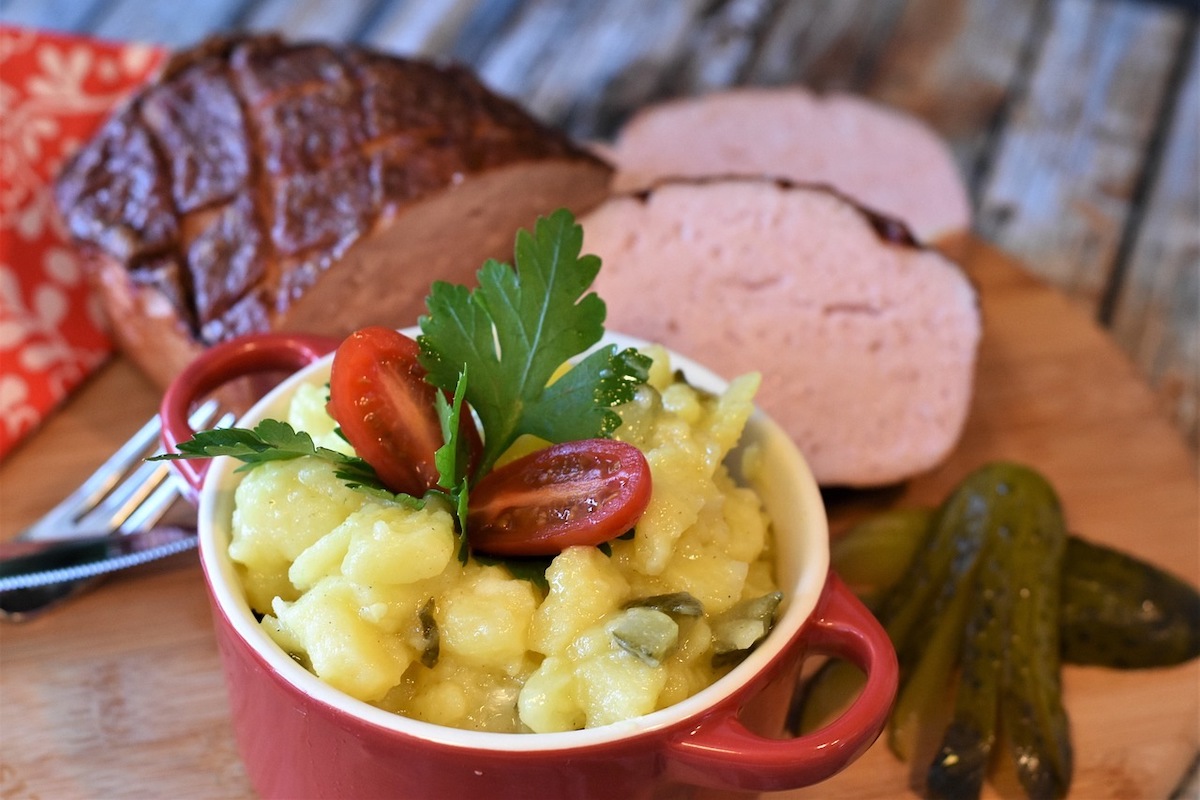
Leberkäse – a Bavarian classic
Bavarians naturally have the Brotzeit, a traditional cold platter or snack that can also replace a main course. It consists of meat, sausage, cheese, pretzels and bread ... and then there is also Obatzda, a hearty Bavarian cheese preparation.
But Bavaria is not only hearty, it can do sweet, too. Germknödel actually come from Austria, but are eaten here as well, as half-spherical yeast dough dumplings filled with plum purée. Another treat is Prinzregententorte, a cake very popular mainly in Bavaria, made of several layers of flat sponge and a chocolate buttercream.
Lower Saxony – Varied German Cuisine
Lower Saxony is an extensive federal state, so there are plenty of regional differences. Nearly all restaurants, however, serve sauerfleisch (pickled meat), which normally comes out of the kitchen with fried potatoes. Heidschnucke meat is especially widespread in the Lüneburg Heath. From this sheep meat there are several products made into roasts, goulash or sausages.
Lower Saxony is also known as a stronghold of kale. Depending on the area, it comes with Pinkel or Bregenwurst, two kinds of smoked sausage, as a side. Because Lower Saxony borders the sea in the north-west, sea fish is available too: plaice, flounder, herring or mackerel are happily enjoyed. Inland, smoked eel in particular is to be found.
Sweet Heidesand biscuits, Eichsfeld Christmas stollen, yeast dough figures or buckwheat cake come from the sweet corner. As side dishes on the menu in Lower Saxony you mostly find potatoes and asparagus.
North Rhine-Westphalia – Meat-Heavy German Cuisine
One area of Germany where a lot of pork and beef is eaten is North Rhine-Westphalia. The Westphalians love ham, whereas the Rhinelanders prefer Sauerbraten, and a passion for meat unites them. A leading dish of the Rhineland is Rhenish Sauerbraten: for this, the beef is marinated for a few days, then seared and braised.
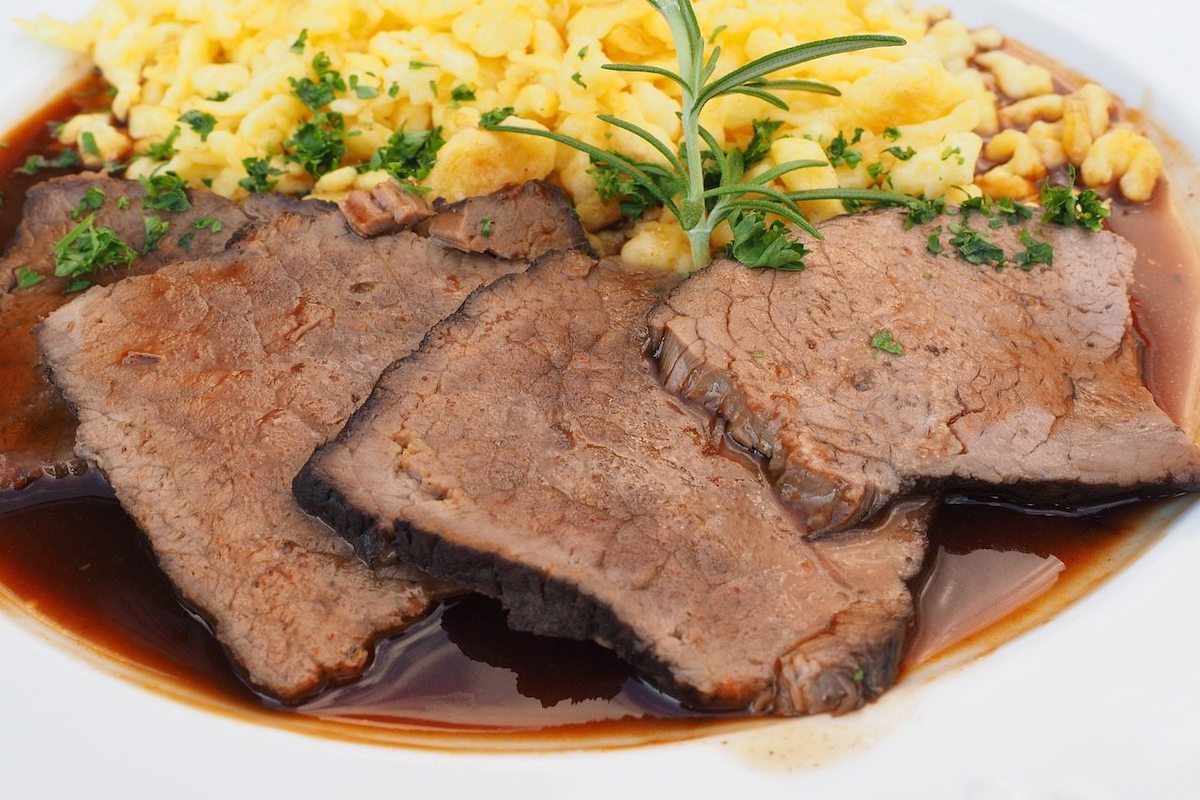
North Rhine-Westphalia is unthinkable without Sauerbraten
The state of the same name is known for its many different kinds of sausage, for example Westphalian pork Mettwurst and Westphalian ham sausage. Potato pancakes are also widespread in North Rhine-Westphalia and are called Reibekuchen. In the Ruhr area, for example, pancakes are also seen very often. They are happily served with apple compote or apple sauce.
A very hearty, dark rye bread is the so-called Pumpernickel, a true Westphalian speciality. Aachener Printen are a speciality from the city of Aachen and resemble gingerbread. They come in several different varieties, for example a softer one or with chocolate.
Muzen are a very prominent dessert, which come as small balls of quark dough or as slices of yeast dough.
Baden-Württemberg – the Noodle Specialists of German Cuisine
People in Baden-Württemberg like to eat their Maultaschen, filled pasta parcels. Originally, the monks of Maulbronn Abbey created the Maultasche so that they could eat meat during Lent. They can be baked, boiled in broth or fried, and as a rule come to the table with potatoes or bread.
In Baden or Swabia, though, the culinary corner of course does not consist only of Maultaschen. The focus is rather on good, simple and hearty food.
Baden cuisine is shaped by French cooking, as the Baden snail soup suggests, for example. The Badische Dreierlei is made from Bibbeliskäs (a fresh cheese spread), sausage salad and Brägele (fried potatoes). And in Baden the world-famous Black Forest gateau naturally must not be missing, a huge chocolate cake with whipped cream, cherries and kirsch.
A very popular dish in Swabia, on the other hand, is Zwiebelrostbraten, roast beef with crispy onions. Spätzle, as egg noodles, are also among the specialities of Swabia.
Käsespätzle are another Swabian treat. They are egg noodles prepared by adding onions and cheese.
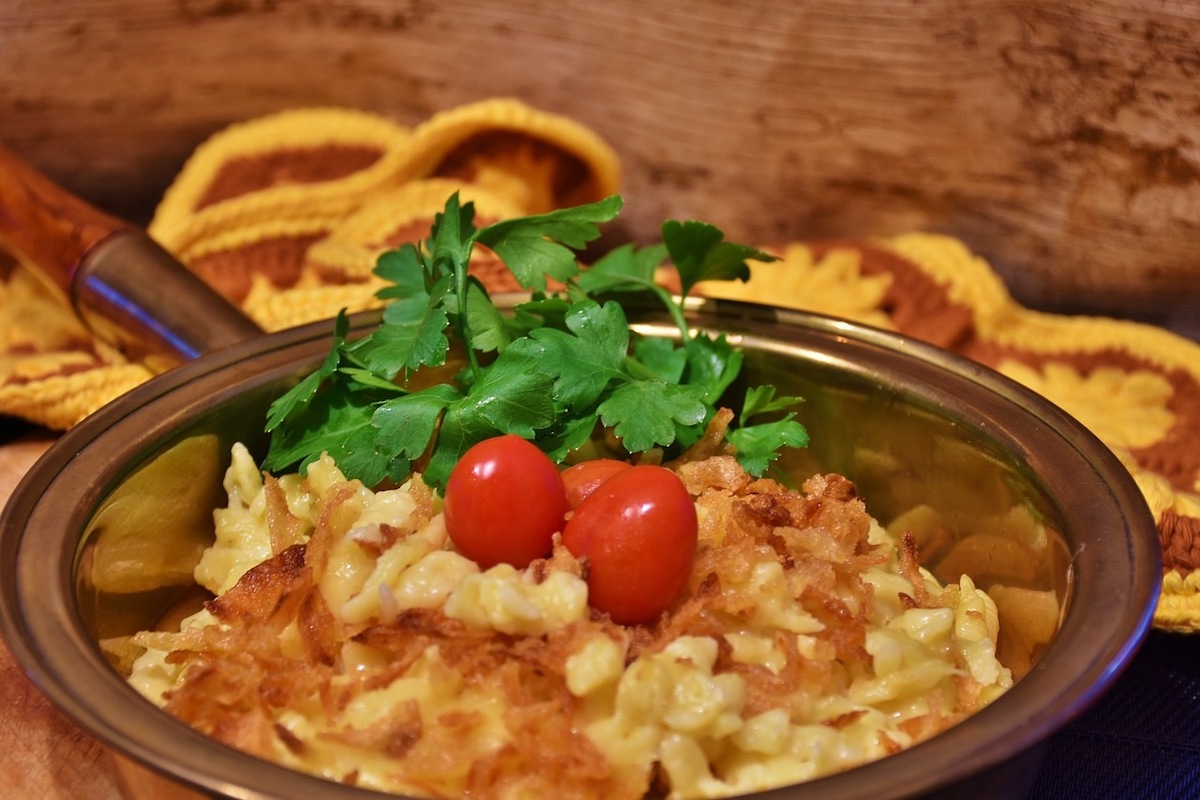
Swabian speciality - Käsespätzle
They are often also served as a side dish to meat or fish dishes, or with a sauce.
A popular dessert in Swabia is Kaiserschmarrn, a shredded pancake that is served with plum compote or apple sauce.
Rhineland-Palatinate – German Cuisine with a Twist
There is a saying in Germany: "What sounds funny tastes superb!" Dare to try the cuisine of Rhineland-Palatinate.
First and foremost, of course, is Saumagen, a dish prepared in a pig's stomach filled with sauerkraut, potatoes and sausage. It became famous above all through the former Chancellor Helmut Kohl, who came from the Palatinate.
Among the most popular Palatinate classics are also Dampfnudeln, made from a dough of butter, sugar or vanilla sugar, milk and flour with dried yeast. They are served with either wine sauce or vanilla sauce.
Zwiebelkuchen, an onion tart, is a typical autumn dish, eaten preferably during the grape harvest. Federweißer, the new, not yet fully fermented wine, goes with it nicely.
Treats such as Döppekooche, a potato bake, are known in the north of Rhineland-Palatinate, in areas such as the Westerwald. These are deep-fried flat cakes made from Flädle (pancake strips) or potatoes. The classic is made from a mixture of grated potatoes, bacon, finely sliced onions, cured meat, eggs and spices.
Spundekäs and Handkäs are likewise among the delicacies of Rhineland-Palatinate. They go perfectly with wine and so appear on the menus of the wine bars and Straußwirtschaften (seasonal wine taverns), especially in the Rheinhessen region.
The fine wine to go with the specialities of Rhineland-Palatinate comes from the Palatinate, Rheinhessen, Lower Rhine, Moselle or Ahr growing regions; the state can draw on plenty.
...and Much More from German Cooking
From every region and every federal state there are of course plenty more delicious specialities to describe. You yourself could probably report more on the cuisine of Bayreuth or, more broadly, of the Upper Franconia region, your home cooking. And of course it is not only culinary treats but also their liquid companions, some of which are crucial to Germany's image.
In the second part on typically German dishes, we will look at Thuringia, Hesse, Schleswig-Holstein and Saarland for the people of Bayreuth.

Redaktion
Das Redaktionsteam von dieBestenderStadt