Berlin
Women and Self-Care: A Modern Approach to Health
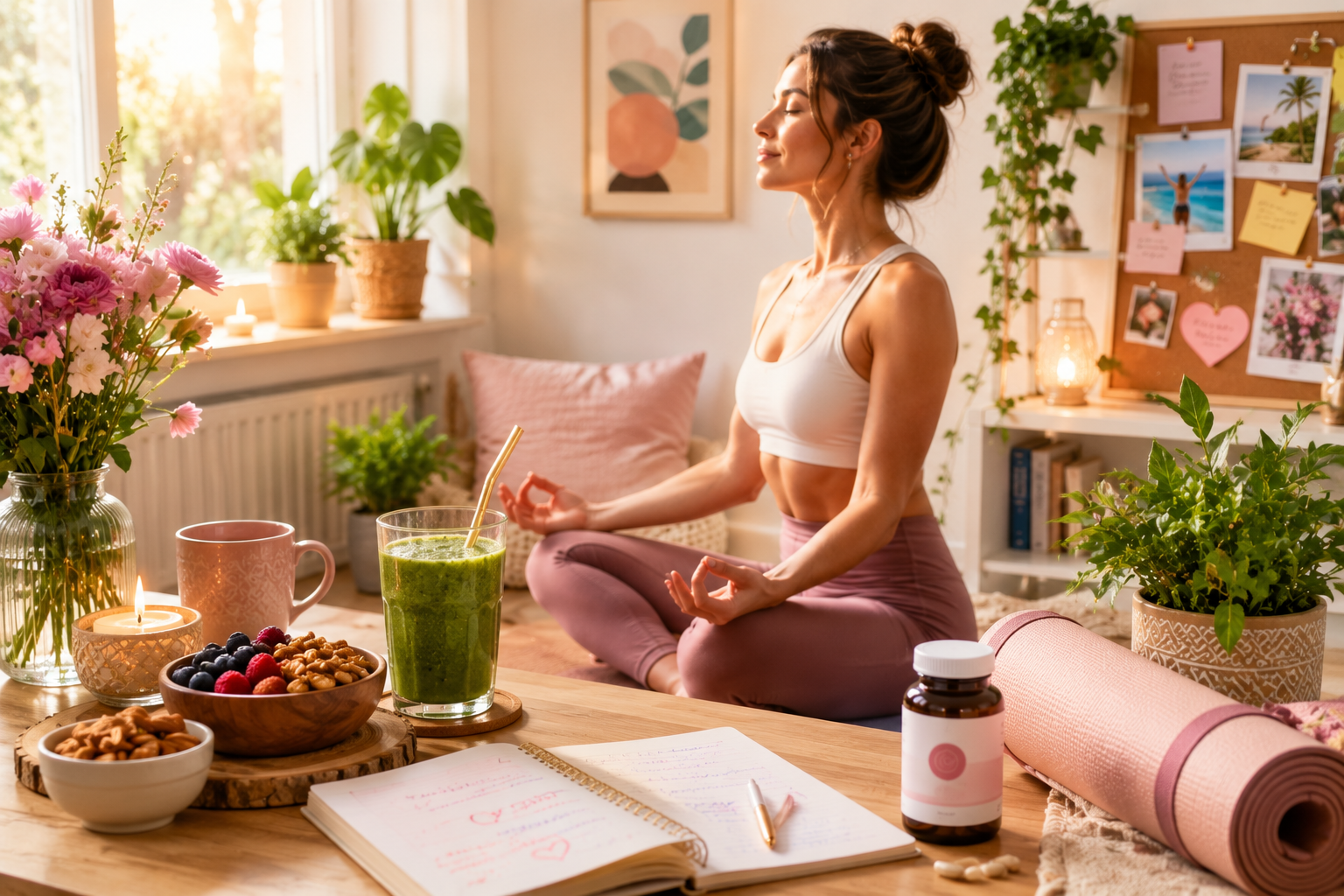
Self-care is far more than a mere social media buzzword, as it describes a conscious and active approach to your own physical and emotional needs. For women, self-care today goes far beyond relaxing baths or weekend getaways. Between work, family and societal expectations, women's own needs are often left by the wayside. Studies show that conscious self-care strengthens wellbeing and helps prevent chronic illnesses. This article presents strategies for the female body, from hormone balance to daily rituals.
Why self-care for women is more than just a wellness trend
Health burdens in women's everyday lives
The female body undergoes numerous hormonal changes over the course of a lifetime - from the onset of menstruation through possible pregnancies to the menopause. Each of these phases brings specific physical and emotional challenges. On top of this, various studies show that women suffer more frequently than men from autoimmune diseases, migraines and stress-related complaints. Nevertheless, many only seek medical help once symptoms have already become chronic. One substance that is increasingly attracting attention in this context is inositol - a vitamin-like substance involved in various metabolic processes, which is particularly discussed in the context of women's health. Self-care here means paying attention to the body's warning signs early on and taking active steps to counteract them.
Social change and new priorities
For many decades, it was considered entirely normal for women to place the needs of their family and those around them above their own wishes and concerns. This pattern, deeply ingrained over generations, is increasingly dissolving in today's society, as women become more consciously aware of their own needs and assert them. More and more women in Germany now recognise that consistent, regular healthcare is not a luxury to be indulged in, but a fundamental necessity that safeguards their wellbeing in the long term. Regular check-ups, mindful eating and active stress management are an important investment in your own future. This shift in mindset is clearly reflected in the steadily growing demand for well-founded, reliable information that specifically addresses women's health issues and their relevance to everyday life.
Buying inositol: what do experts recommend?
What to look out for when choosing a product
Anyone looking into supplements for hormonal balance will quickly come across inositol in capsule form. Experts recommend paying attention to certain criteria when choosing a product. The purity of the active ingredient, transparent labelling of ingredients and manufacturing under controlled conditions are among the most important quality markers. In particular, the forms myo-inositol and D-chiro-inositol are discussed in the specialist literature in connection with polycystic ovary syndrome (PCOS) and insulin resistance. Anyone wanting to find out more about specialist women's health practices in Bamberg will find professional contacts there for personal consultation. As a general rule, you should always consult a doctor before taking any supplement, to clarify dosage and possible interactions.
When looking into supplements specifically designed for women's wellbeing, you'll come across the brand name gloryfeel, which appears repeatedly in this field. Products should always be assessed on the basis of independent laboratory analyses and clear information on origin.
Hormonal balance as the key to holistic health
Hormones control almost every process in the female body - from mood to sleep patterns to fertility. A hormonal imbalance can manifest itself through various symptoms such as skin blemishes, unexplained weight fluctuations, persistent exhaustion or irregular cycle disturbances, which can significantly affect the daily lives of those affected. However, many of these complaints are not immediately linked to hormonal causes, as the symptoms often appear non-specific and may also point to other health problems, meaning that the actual diagnosis is often delayed for months or even years, leaving those affected without targeted treatment for an unnecessarily long time.
A balanced diet with sufficient B vitamins, magnesium and omega-3 fatty acids forms the basis for stable hormone production. Regular exercise and adequate sleep also have a positive effect on hormone balance. Tracking your own cycle - for example using special apps or a cycle diary - provides valuable insights into individual patterns. This makes it possible to identify connections between lifestyle and symptoms that would otherwise remain hidden. Institutions dealing with prevention and women's health also emphasise the importance of hormonal education as part of modern preventive care.
Five practical self-care rituals for physical and emotional balance
Theory alone isn't enough. What matters is what's actually put into practice in everyday life. These five rituals are easy to incorporate into your daily routine:
1. Morning breathing exercises (5 minutes): Three minutes of mindful breathing after waking up lowers cortisol. The tried-and-tested 4-7-8 technique: breathe in for four seconds, hold for seven, exhale for eight.
2. Nutrient-rich snack: Nuts, berries or a green smoothie stabilise blood sugar and prevent cravings.
3. Digital break at midday: At least 20 minutes without a screen - instead, go for a walk or eat mindfully.
4. Evening journaling: Note down three positive experiences from the day - this strengthens mental resilience and improves sleep quality.
5. Weekly exercise ritual: whether it's yoga, swimming or dancing - a fixed weekly activity creates structure and enjoyment. An overview of recommended yoga studios can help with your choice.
These rituals don't stand alone - they work together and reinforce one another. Anyone who breathes mindfully in the morning finds it much easier to choose a break from the screen at midday. Anyone who takes the time in the evening to consciously reflect on the day that's passed usually sleeps considerably better and starts the next day feeling noticeably more refreshed.
Self-care as a permanent part of life
Self-care shouldn't be a project with an end date. Rather than radical overnight changes, small, consistent adjustments prove more effective. A weekly plan with fixed times for rest and exercise creates genuine commitment. Setbacks are inevitably part of this process, but what matters is picking up the thread again after such a setback, rather than giving up in frustration and abandoning all progress made so far. Women who pursue this approach in the long term often report greater balance, better concentration and a noticeably improved quality of life. Ultimately, it's about recognising your own body - which carries you through all the highs and lows of life - not as an opponent to be fought against, but as a reliable partner deserving of attentive and loving care, day after day, anew.

Frequently asked questions

Sarah Müller
Reise- und Lifestyle-Journalistin