Berlin
Cost-effective ways to build an online presence
A new business can spend £5,000 on a bespoke website before it's sold a single product. Many founders do exactly that, then watch the budget disappear into agency invoices, premium plugins and hosting packages built for traffic levels that never materialise.
There's a cheaper way, and it doesn't have to look cheap. The trick is to spend money where customers actually notice it (speed, trust, clarity) and economise everywhere else.
Start with a website builder, not a developer
Bespoke development makes sense for complex platforms with user accounts, large databases or unusual integrations. For a bakery, a tax advisor or a small online shop, though, it usually means paying to solve problems the business doesn't have yet.
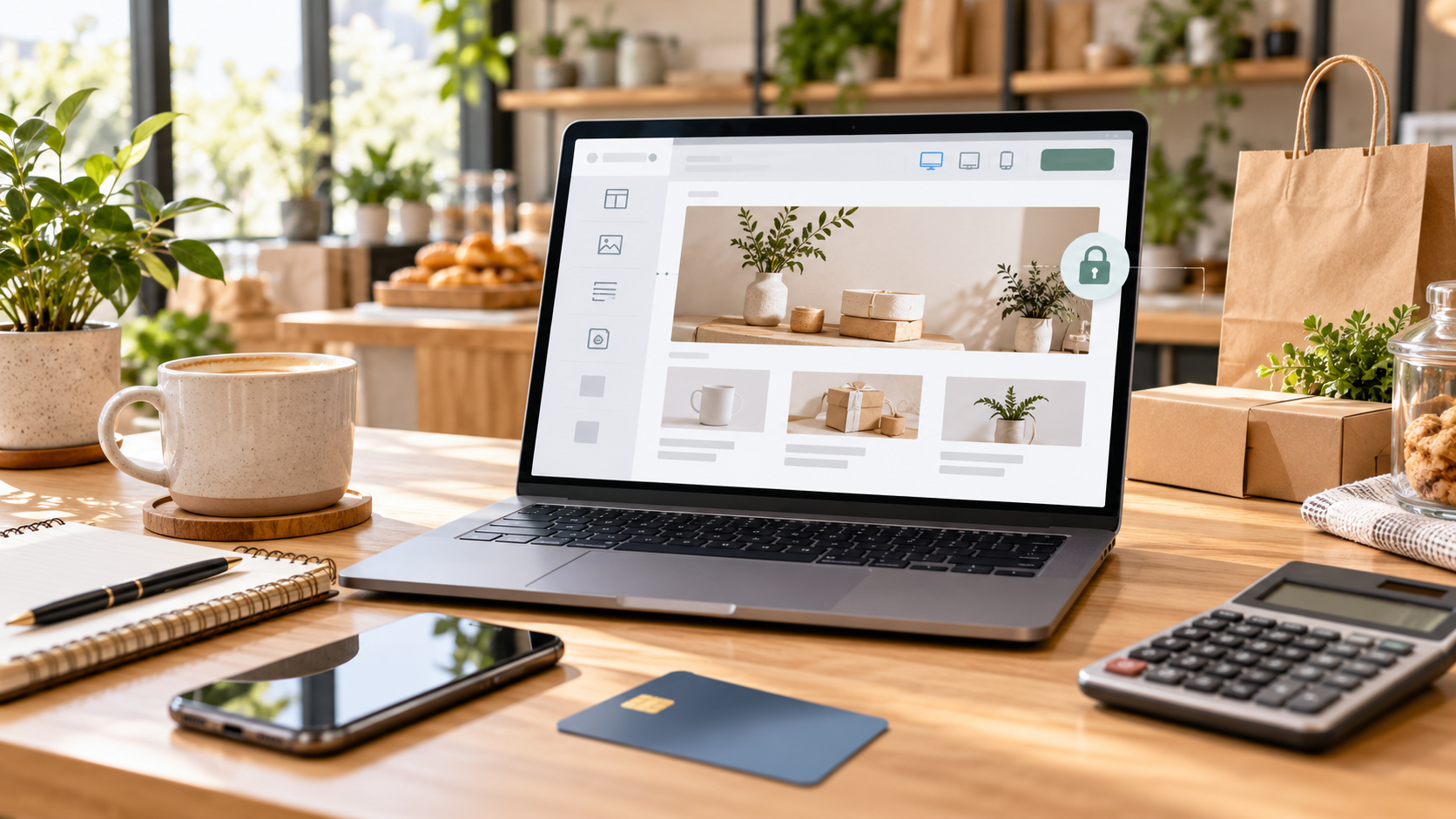
A website builder bundles hosting, templates, security patches and a visual editor into one monthly fee. There's no server to maintain and no plugin update to forget about on a Friday evening. Most entry-level plans cost less per month than a single hour of agency time.
Prices still vary considerably depending on the plan tier and billing period, so it's worth looking out for special offers before committing to an annual or two-year contract (longer terms generally come with the biggest discounts). Founders comparing options can often save on a website builder and put the difference towards a good domain name or professional photography.
Technically speaking, a builder is a specialised form of web content management system that runs entirely in the browser (the German Wikipedia entry on website builders explains the difference from classic CMS software). One caveat: builders trade flexibility for convenience. Check whether the package includes your own domain and a way to export content later on.
Spend money where visitors actually look
Visitors judge a website within seconds, and the signals they judge it by can surprisingly cheaply be got right.
A .de domain typically costs well under £15 a year, and a matching email address (info@yourbusiness.de) looks far more credible than a free webmail account. HTTPS is also essential. Chrome flags unencrypted pages as "Not secure", but free certificates from Let's Encrypt have made SSL practically free, and most website builders include it by default.
Speed matters more than design flourishes. Google's own research found that 53% of mobile visits are abandoned if a page takes longer than three seconds to load. So compress images, skip autoplaying videos and keep the homepage lean.
Sort out the legal basics from day one
This is where cutting corners gets expensive. In Germany, every commercial website needs a proper Impressum (now governed by § 5 of the Digital Services Act, which replaced the old Telemediengesetz in 2024).
The federal government's start-up portal offers a handy overview of what new website operators need to watch out for, including the heightened risk of cease-and-desist letters for online retailers. A single warning letter from a competitor's solicitor can easily cost more than three years of hosting.
Data protection is the other half of the equation. A GDPR-compliant privacy policy is mandatory, but a cookie banner often isn't; websites that forgo third-party tracking and use privacy-friendly analytics tools like Matomo can keep consent requirements to a minimum. That's cheaper, faster and friendlier towards visitors who care about their data being protected.
Make the most of free channels that punch above their weight
Not every part of an online presence needs its own budget line. A Google Business Profile costs nothing, shows opening hours and reviews directly in Maps, and often generates more local enquiries than the website itself.
The competition for attention is real, though. According to Statista, 69% of German businesses had their own website in 2023, which means simply being online is no longer a distinguishing feature. Still, the remaining 31% leave gaps in many local markets.
Email is the most underrated channel of all. Free plans from newsletter services like Brevo allow a few hundred sends a day, which is plenty for a new business building its first subscriber list. And unlike social media followers, subscribers don't vanish when a platform changes its algorithm.
What comes next
The cost of having an online presence will likely keep falling as providers build more AI-assisted layouts and draft text into their basic packages. What won't get cheaper, though, is trust: a clean legal foundation, fast pages and honest handling of data will set reputable businesses apart from hastily thrown-together ones.
So start small, measure what customers actually use, and reinvest only where the numbers justify it. A lean first version that goes live next week beats a perfect one still stuck in planning next quarter.

Redaktion
Das Redaktionsteam von dieBestenderStadt