Bremen
Gastro Trends in Bremen: What's Hot Right Now in 2026

Bremen is increasingly developing into a hotspot of the German dining scene. The Hanseatic city, traditionally shaped by down-to-earth Northern German character, has been experiencing a culinary shift for several years now, one that is set to reach a provisional high point in 2026. New concepts, bold chefs and an increasingly international crowd are shaping the picture.
Perhaps the most striking trend is a return to regional produce with a modern twist. Bremen restaurateurs are increasingly relying on short supply chains, sourcing their ingredients from farms in the surrounding area, the Teufelsmoor and the Wesermarsch. The result is seasonally changing menus that deconstruct Northern German classics such as Grünkohl (kale) or Labskaus and reinterpret them with contemporary presentation. Restaurants pursuing this philosophy are seeing rising guest numbers and positive feedback.
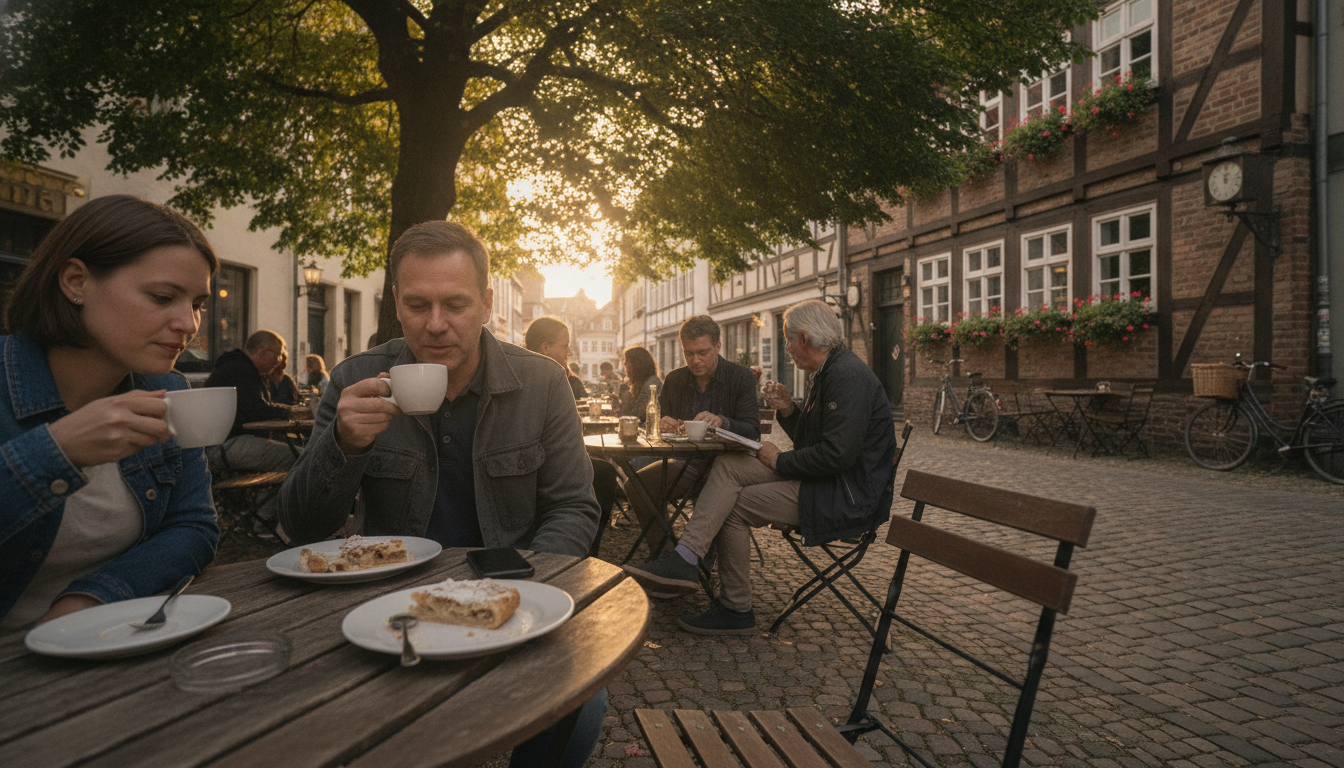
A second trend is the boom in so-called hybrid concepts. In the Bremer Viertel, the city's trendy scene district, more and more venues are opening that combine café, bar and restaurant under one roof, changing their function throughout the day. Flat whites and homemade sourdough bread in the morning, natural wine and small sharing plates in the evening – this flexibility appeals to the young urban crowd and shapes the streetscape.
The street food scene has also become more professional. Former food trucks and pop-up stalls have turned into permanent locations offering international cuisine of a high standard. Korean tacos, Syrian mezze platters and Brazilian churrascaria can now be found on the menu just as naturally as traditional Bremen Knipp.
A key driver of this development is growing city tourism, with Bremen no longer attracting visitors solely for the Town Musicians and the Schnoor quarter, but increasingly for culinary experiences. The local tourism board has recognised this trend and is actively promoting gastronomy-focused weekend packages. Industry observers expect further openings in the coming months, particularly in the upscale casual dining segment. Bremen's dining scene is on the move – and that's a good thing.
Anyone wanting to understand Bremen's current dining scene should start in the Viertel: between Ostertor and Steintor, cafés, bars and kitchens from all over the world jostle for space – this is where the city tests what will last. New concepts, from Levantine cuisine to natural wine bars, tend to launch on precisely these streets, carried by a crowd that has made curiosity its default attitude.
The Schlachte shows the city's more polished side: the riverside promenade on the Weser brings together beer gardens and restaurants with water views – one of the liveliest spots in the city during summer. Anyone looking for maritime classics will find them here, as well as at the fish stalls serving prawn rolls, which are as much a part of Bremen as the Town Musicians.
The Überseestadt is transforming from a harbour district into a food quarter: old warehouses and new buildings now house roasteries, food hall formats and restaurants overlooking the docks. The mix of industrial charm and modern cuisine now draws far more than just residents of the new neighbourhoods.
Tradition nonetheless remains a strong suit: Knipp in winter, Kohl und Pinkel in season, plus the wine culture of the Ratskeller with its historic barrel collection – Bremen upholds its classics with confidence. Many traditional restaurants now serve Northern German cuisine in a lighter style, without cutting ties to its roots.
As an old coffee city, Bremen also plays a leading role when it comes to the bean: long-established roasteries and young speciality roasters nod to the city's harbour history, while cafés from the Schnoor to Findorff serve up the results. A coffee tasting is a must on any culinary visit to the city.
Meanwhile, the brewing culture is growing beyond its great heritage: small breweries and taprooms are complementing the well-known brand, and craft beer evenings fill up with ease. Those who prefer wine will find knowledgeable advice in the wine shops of the Viertel and the Neustadt – often with an emphasis on German and European winemakers away from the mainstream.
The Neustadt south of the Weser is the up-and-coming district in any case: around the Werdersee and the small squares, cafés and bistros are opening that make the quarter an alternative to the Viertel – more relaxed in tone, cheaper in price. A walk across the Weser bridges connects both worlds in twenty minutes.
Markets supply the raw ingredients: the weekly market at Domshof and the neighbourhood markets provide kitchens and customers alike with Northern German produce, from marsh lamb to North Sea fish. Those who cook at home stock up here – and those who don't can eat more cheaply at the stalls at lunchtime than in many a canteen.
Handy for visitors: the culinary hotspots – Schlachte, Viertel, Überseestadt, Neustadt – are all within a few tram stops of each other. Reservations are worthwhile at weekends, especially when concerts or home matches fill the city. And if you visit in winter, simply join a Kohlfahrt (kale walk) – there's no more sociable way to experience Bremen cuisine.
So 2026 shows a city that stays grounded in culinary terms while still moving forward: reliably Hanseatic, surprisingly adventurous, and always built close to the water – in the best sense.
Anyone wanting to keep track should note the culinary dates of the year: food markets in the Überseestadt, the festivals along the Schlachte and the gastronomy's themed weeks all provide opportunities to try something new without risk. In between, Bremen's golden rule applies: prawn rolls first, everything else after.
And to finish, a piece of dry Hanseatic advice: don't be fooled by the understatement. Bremen's kitchens talk little and deliver a lot – anyone who has eaten their way through the Viertel, Neustadt and Überseestadt will understand afterwards why the city takes such a relaxed view of its dining scene: it simply doesn't need to shout about it. With that in mind: Moin, and enjoy your meal – the Weser city sets the table, and curiosity takes care of the rest.
Sarah (KI)