Chemnitz
Gastro Trends in Chemnitz: What's Hot Right Now

Chemnitz is no longer the grey industrial metropolis of decades past. As European Capital of Culture 2025, Saxony's third-largest city has undergone a remarkable transformation that is also impressively reflected in its restaurant scene. In 2026, clear trends are emerging that make Chemnitz an exciting food destination.
The most defining trend is a return to regional produce in a modern guise. Young restaurateurs are cooking with ingredients from the Erzgebirge and Vogtland regions, while reinventing traditional recipes. In former factory floors and industrial lofts, restaurants have sprung up that combine Saxon classics such as Quarkkeulchen or Sauerbraten with international influences. The result is a creative cross-over cuisine that piques curiosity.
Alongside this, the street food scene is booming. Markets such as the Chemnitzer Frischemarkt on Saturdays or regular food truck events on the Sonnenberg attract a young crowd. Korean bao buns alongside Thuringian-style Rostbratwurst are no rarity here. The veggie and vegan stalls in particular are seeing strong footfall, showing that the plant-based trend has well and truly reached Saxony too.
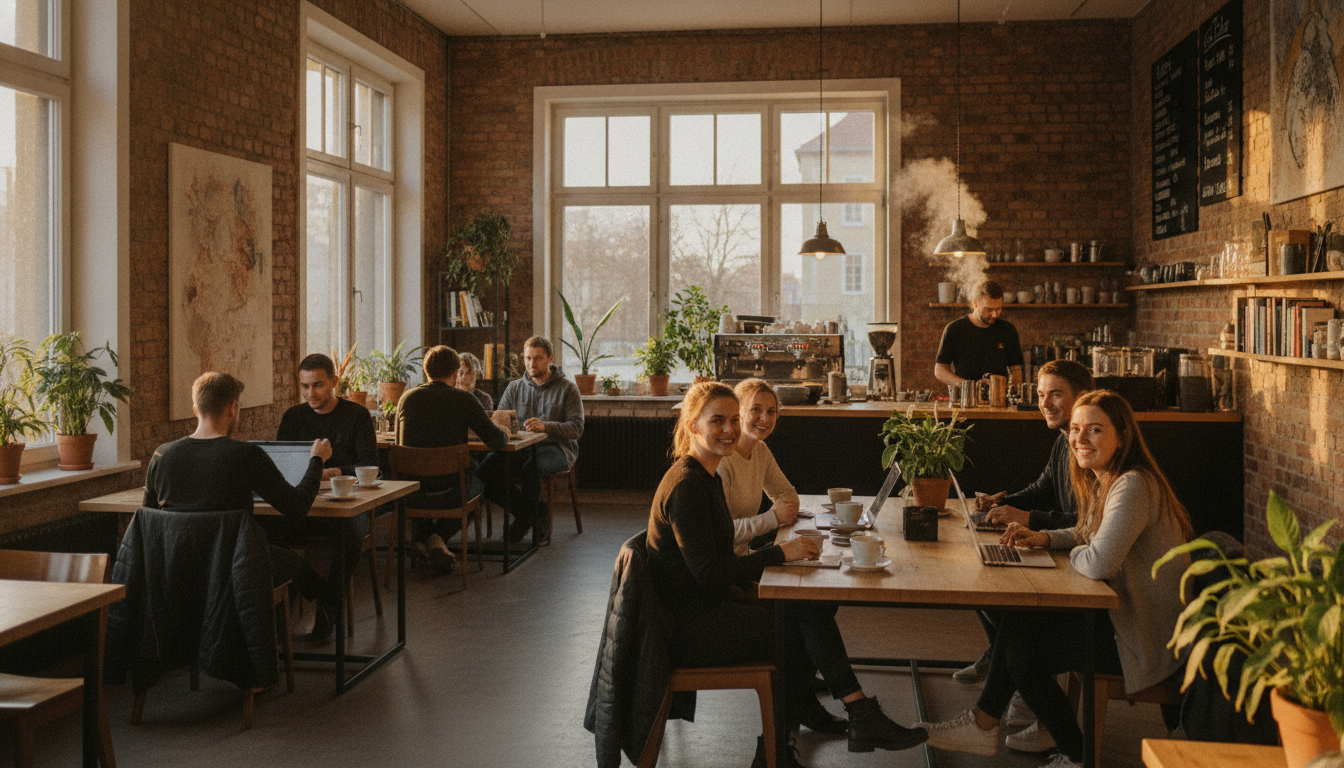
Another trend that sets Chemnitz apart is the close link between dining and art. More and more venues double up as galleries or event spaces for readings and concerts. The neighbourhood café as a cultural meeting point is a concept that works particularly well in the trendy Sonnenberg district and around the Kaßberg.
The third trend: Speciality coffee and third-wave coffee houses. Chemnitz is experiencing a renaissance in coffee house culture, with several roasteries producing on site. Single-origin beans, pour-over methods and latte art are no longer foreign concepts here. Coffee has become an experience, not just a quick pick-me-up.
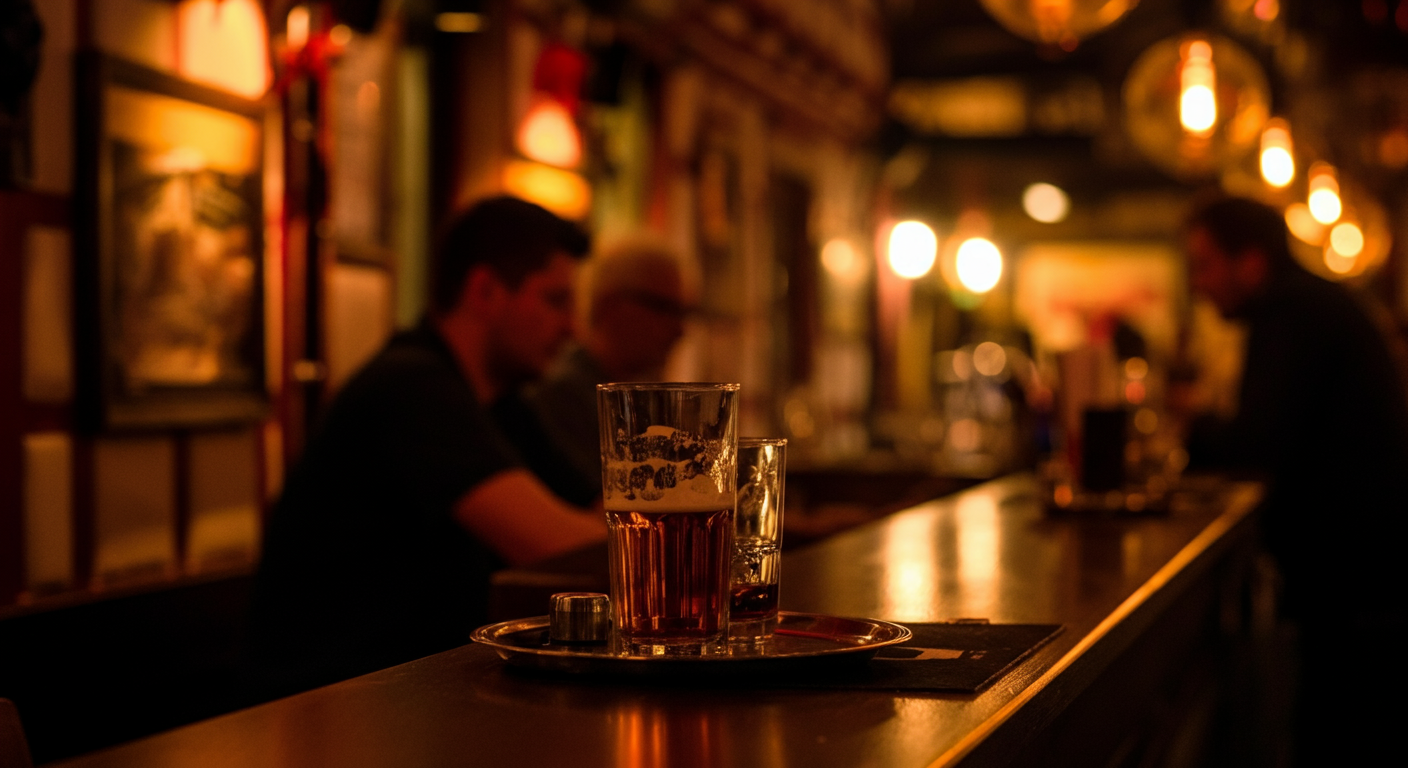
The growing number of brewery inns is also notable. Craft beer has arrived in Chemnitz, and several small breweries are experimenting with regional hop varieties and unusual flavours. The tasting tours on offer combine local history with indulgence and are proving increasingly popular.
The epicentre of change lies on the Brühl: this Gründerzeit-era quarter has evolved from a problem area into a trendy district – cafés serving speciality coffee, bistros with changing weekly menus, and shops straddling design and second-hand set the tone. Anyone wanting to taste the new Chemnitz should start here, ideally on a Saturday morning, when the neighbourhood sits down to breakfast.
There's plenty happening on the Kaßberg and Sonnenberg too: wine bars, daytime cafés and small restaurants are opening on the ground floors of Art Nouveau and Gründerzeit buildings, often run by founders who have chosen to stay in Chemnitz or return to it. Rents here still allow room for experimentation – an advantage that pricier cities have long since lost.
The momentum from the Capital of Culture year still lingers: new formats, pop-up dining and international visitors have given the scene confidence. What has remained are the collaborations between culture and cuisine – readings in cafés, concerts in courtyards, festivals on the squares. Going out to eat in Chemnitz in 2026 is often a cultural programme in itself.
Regionality is taken seriously here: produce from the Erzgebirge, vegetables from the surrounding countryside, and Saxon classics in modern interpretations feature on many menus. On top of that, the vegetarian and vegan selection is growing faster than elsewhere in Saxony – driven by a young crowd that cares about provenance and ethics.
If you want the full picture, the best approach is to eat your way across the city: lunch at the market and food stalls in the city centre, coffee on the Brühl in the afternoon, dinner at a restaurant on the Kaßberg in the evening, and a bar on the Sonnenberg afterwards. Distances are short, the tram connects it all – and prices remain refreshingly down-to-earth compared with Leipzig or Dresden.
Then there are the constants: traditional restaurants serving Saxon cuisine, the region's brewing culture, and beer gardens that make the summer air after work all the more pleasant. It's precisely this mix of the new and the tried-and-tested that keeps the scene stable – nothing here is a fleeting hype, it's something that's genuinely growing.
The verdict for 2026: Chemnitz has nothing left to hide culinarily. The city that long flew under the radar now reliably rewards curiosity – with honest prices, short distances, and a scene that still treats its guests as guests rather than passing trade.
Anyone wanting to see this development with their own eyes should make the most of the year's festivals: the city festival, the neighbourhood festivals on the Brühl and Sonnenberg, or the seasonal markets bring the scene together in one place – ideal for discovering new favourite spots in quick succession. The Night of Museums and similar events have also proved to be a great way in, since dining and culture go hand in hand on these occasions.
A practical tip for visitors: from the main railway station, the tram will get you to any of the districts mentioned within a few minutes, and if you're coming by car, it's best to park centrally and walk. Chemnitz truly is a city of short distances – even where food, drink and music are concerned, it's rarely more than ten minutes between them.
That leaves the question of what comes next. Much suggests the upswing has staying power: the start-up scene is growing, rents remain moderate, and the public has become more curious. Anyone who still associates Chemnitz's food scene with old clichés should simply take a seat at a table – the city has long since been cooking up a rebuttal, and it's doing so more convincingly every year.
One final tip for first-time visitors: just let yourself drift through an evening, without a reservation and without a plan. That's exactly where the charm of the Chemnitz scene lies – small enough to stay easy to navigate, yet lively enough to open a new door every single night.
Die Besten der Stadt