Delmenhorst
Urban Development in Delmenhorst 2026

Delmenhorst is undergoing a remarkable transformation in 2026. The town between Bremen and Oldenburg, long regarded as a grey industrial city, has launched a series of urban development projects that will permanently change its face.
The centrepiece of the current development is the ‘Delme-Quartier’ project on the former Nordwolle site. A mixed-use neighbourhood with housing, offices and small businesses is emerging on the historic industrial estate. The first two construction phases were completed in early 2026, and demand has exceeded all expectations. The loft flats in the renovated brick buildings are especially popular with young families and creatives. By the end of 2027, a total of 500 residential units are planned here, along with a new nursery and a local shopping centre.
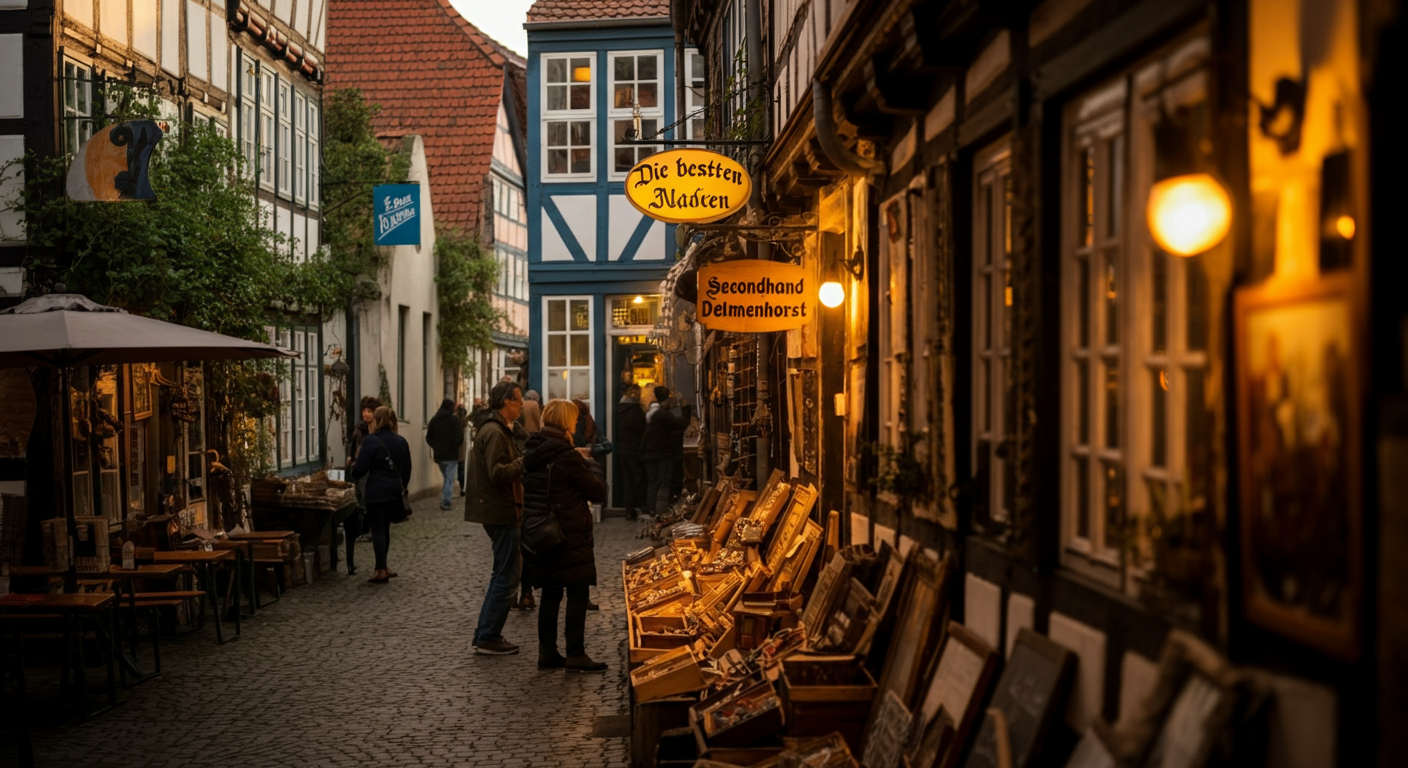
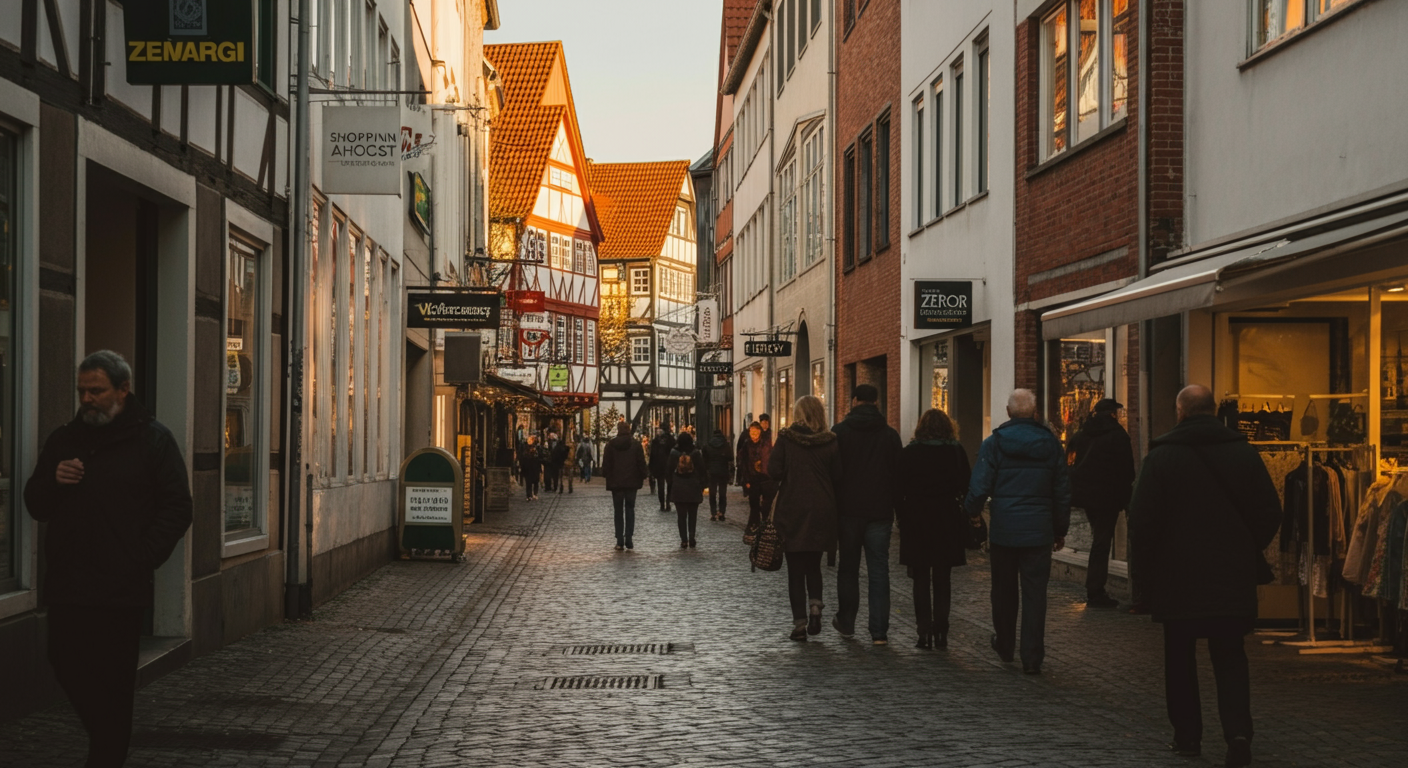
At the same time, the town centre is being comprehensively redesigned. The pedestrian zone is getting more greenery, new seating and modern lighting. The vacant department store on Lange Straße is being converted into a cultural and community centre – with a public library, event spaces and a café with a roof terrace. The opening is planned for spring 2027.
There’s also plenty happening in terms of mobility: the expansion of the cycle path network is progressing, and the new express bus route to Bremen has significantly cut commuting times. In addition, two new electric car charging parks are being built on the outskirts, powered by locally generated solar electricity.
One exciting project is the ‘Grüner Ring’ (Green Ring) – a continuous footpath and cycle path that loops right around the town, linking parks, nature reserves and the Delme river meadows. The first three kilometres have already been completed and are proving a hit with walkers and joggers.
Delmenhorst shows that even smaller towns can achieve a genuine transformation with clever concepts and citizen-focused planning. The course has been set for a liveable future.
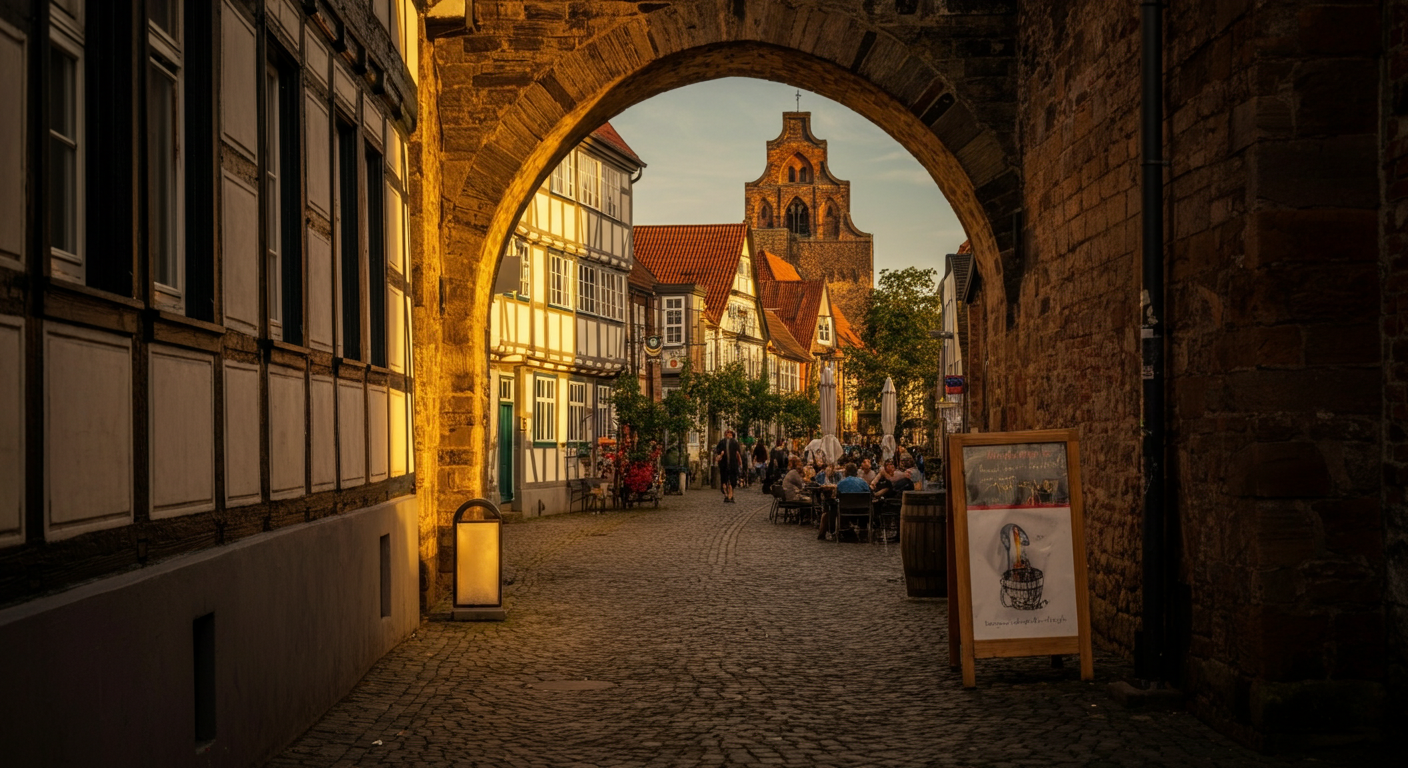
At the heart of Delmenhorst’s planning is the town centre: urban development funding is being used to redesign squares, bring vacant properties back into use and make the routes between the station, town hall and the Graft grounds more attractive. The aim is a town centre where people want to linger, not just run errands – more greenery, more dining options, more events.
One of the town’s great assets is the Graft grounds themselves: the green ring of waterways and park paths around the historic castle island is one of the finest inner-city green spaces in the region, and it is being consistently maintained and better connected. New seating steps, play areas and lighting are turning the grounds into a living room for all generations.
The industrial past provides the most striking backdrop: on the Nordwolle site, once one of Europe’s largest wool-washing plants, a factory museum, housing and creative uses come together to form a neighbourhood with a distinctive character. The heritage-sensitive redevelopment is considered a nationwide showcase for industrial heritage.
Housing will become more varied in future: rental and owner-occupied flats are being built on conversion sites and infill plots, complemented by subsidised housing – proximity to Bremen is making Delmenhorst increasingly attractive to commuter families. At the same time, the town is investing in schools and nurseries so that infrastructure keeps pace with the influx of new residents.
The town is tackling problem neighbourhoods head-on: in Wollepark, demolition, restructuring and neighbourhood work have made a visible difference, and the lessons learned are feeding into the development of other neighbourhoods. Here, urban development explicitly means social policy too – with neighbourhood meeting points, participation and long-term support.
Mobility is being reorganised: better-timed buses, safe cycle routes towards Bremen and the surrounding area, and the upgrading of the station surroundings are all intended to strengthen alternatives to the car. The station itself, as the town’s arrival point, is a key project for the coming years.
Climate adaptation runs through all the schemes as a cross-cutting theme: de-sealing surfaces, tree planting and rainwater management are now standard practice, with the Graft serving as a natural cooling space for the town centre. New buildings must meet energy requirements, and municipal buildings are being renovated.
The economy is also being given room to grow: existing commercial sites are being modernised, with logistics firms and SMEs benefiting from the location on the motorway and rail network. The town is focusing on maintaining existing sites rather than consuming new land – a course that secures jobs without allowing urban sprawl at the edges.
For local people, the change is tangible: building sites in the city, new paths along the Graft, events on freshly designed squares. Participation formats and district conferences keep the door open for suggestions – anyone who wants a say will find opportunities to get involved.
Step by step, a new image of the town between Bremen and Oldenburg is taking shape: more self-assured, greener and more urban. Delmenhorst in 2026 shows that even second-tier towns can write great stories of development – you just have to watch them do it.
What’s particularly striking is how the projects interlock: walking from the renovated town centre through the Graft to Nordwolle, you experience the whole story over two kilometres – trade, greenery, industrial history and new housing. It’s exactly this connection between the building blocks that distinguishes a plan from a vision.
And the people are on board: participation in workshops and town walks is growing, and clubs and initiatives are taking on sponsorships for squares and flowerbeds. When urban development succeeds, this is how it looks – as a community project that doesn’t end at the town hall but lives on in the neighbourhoods. Delmenhorst has come a good way along this path.
Anyone wanting to follow the development closely can subscribe to the town’s announcements or drop by the next district meetings: in Delmenhorst, there’s currently less paperwork between plans and squares than elsewhere – much of it is simply being built. For a town that stood in Bremen’s shadow for so long, that might just be the best news of 2026.
Die Besten der Stadt