Deutschland
Living in Berlin: Costs, Housing & Quality of Life 2026
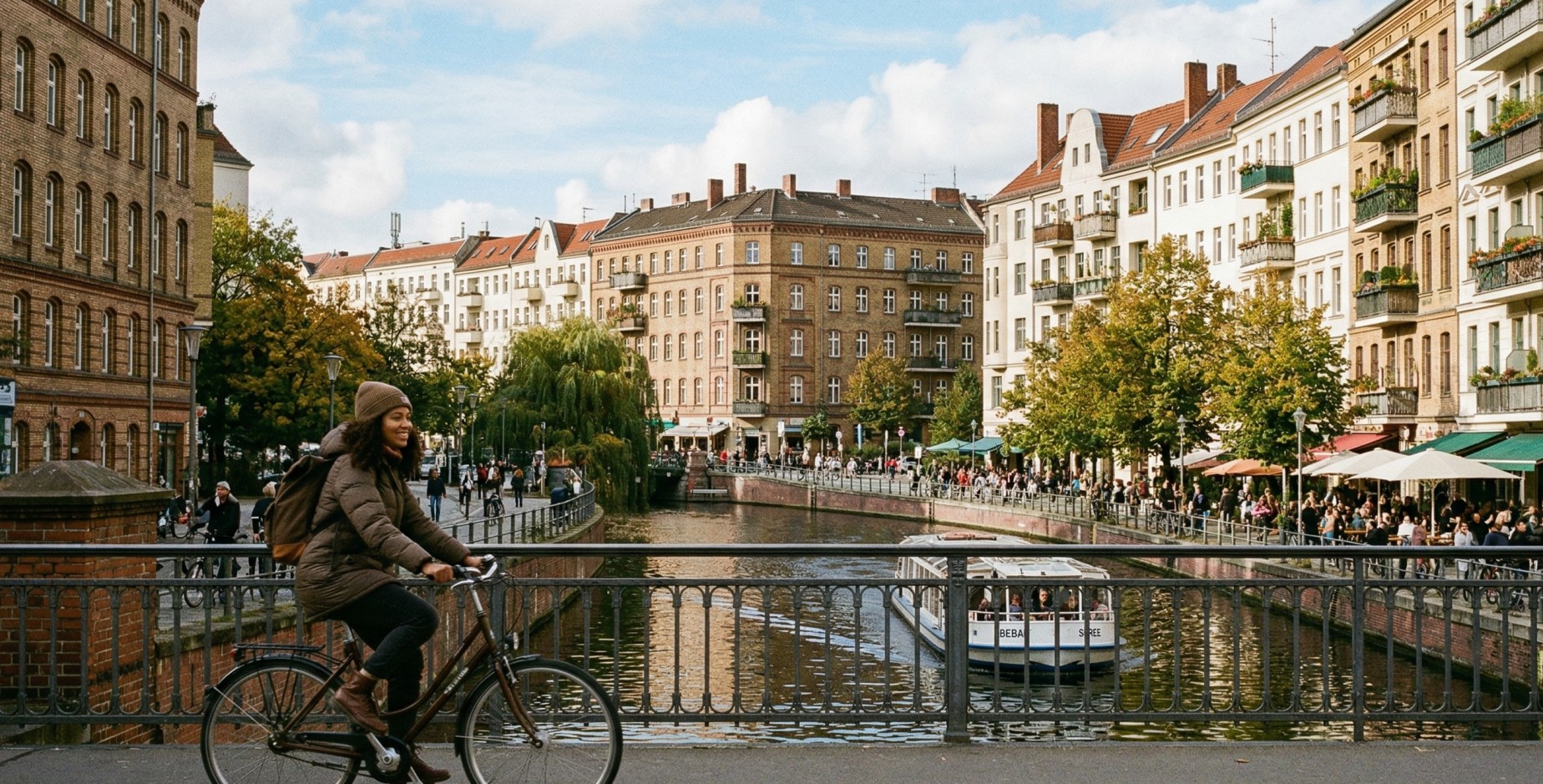
Berlin, Germany's vibrant capital, attracts thousands of people from all over the world every year. The city combines history with modernity and offers a unique mix of culture, career opportunities and urban lifestyle. At the same time, by 2026 Berlin has moved well away from its reputation as an affordable metropolis, particularly when it comes to housing.
If you're thinking about life in a major German city, you'll find Berlin offers particular conditions of its own. With around 3.9 million residents, the metropolis is considered one of the most exciting cities in Europe.
Housing in Berlin: Neighbourhoods and the Property Market
The Berlin housing market is characterised by diversity, but also scarcity. Every district has its own character and appeals to different groups of people. Asking rents for new lets have risen sharply in recent years, while existing tenancies are often still considerably cheaper.
Mitte and Prenzlauer Berg are considered particularly sought-after, but also correspondingly expensive. Friedrichshain-Kreuzberg attracts people with its alternative flair and lively nightlife, though it has long since caught up in terms of price.
Popular Neighbourhoods for Newcomers
- Neukölln: Multicultural, lively, in transition
- Wedding: Up-and-coming, still relatively affordable
- Lichtenberg: Quiet, family-friendly, well connected
- Tempelhof-Schöneberg: Central, well connected, with Tempelhofer Feld on your doorstep
- Charlottenburg: Elegant, established, a West Berlin classic
- Spandau and Marzahn-Hellersdorf: On the outskirts, cheaper, lots of greenery
Flat-hunting requires patience and preparation. Online portals and flatshare exchanges are important starting points, complemented by the state-owned housing associations and cooperatives. Viewings are often well attended, and a complete application folder is essential.
Cost of Living in Berlin in Detail
Berlin was long considered Germany's most affordable metropolis. For dining out, culture and leisure, that's still partly true, but when it comes to rents for new contracts, the capital has caught up with Hamburg. Overall, the cost of living remains lower than in Munich.
A single person should budget for monthly total costs in the lower to mid four-figure range for a comfortable life, depending on their housing situation, with families needing correspondingly more.
Monthly Expenses at a Glance
- Rent for a one-bedroom flat: the biggest expense, highly dependent on location for new lets
- Groceries: roughly in line with the national average, discounters and weekly markets help you save
- Public transport: Deutschlandticket or a BVG season ticket
- Utilities: heating, electricity and internet depending on flat size
- Leisure and culture: many offerings are cheap or free
- Health insurance: income-dependent, covered via the employer for employees
Compared to other capital cities, eating out and cultural activities remain affordable in Berlin. From currywurst to food stalls from every country to Michelin-starred restaurants, there's something for every budget.
Job Market and Career Opportunities in Berlin
Berlin has developed into an important business hub. The start-up scene, technology companies and creative industries in particular offer a wide range of opportunities. Federal ministries, associations and international organisations are also major employers.
The unemployment rate is above the national average. Nevertheless, new jobs are continually being created, particularly in forward-looking sectors.
Growth sectors include IT and artificial intelligence, e-commerce, biotechnology and renewable energy. The tourism and culture sectors also offer numerous employment opportunities.
Public Transport and Mobility
Berlin's transport network is one of the densest in Germany. The U-Bahn, S-Bahn, buses and trams connect all parts of the city.
The BVG operates a dense network with over 170 U-Bahn stations, complemented by the S-Bahn with its ring line as the backbone. At weekends, the U-Bahn and S-Bahn run all night, while night buses take over during the week. With the Deutschlandticket, you can use all modes of transport within the city and beyond.
Owning a car isn't essential in Berlin. Car-sharing schemes, rental bikes and e-scooters complement public transport, and the cycle network continues to be expanded.
Education and Childcare in the Capital
Berlin offers a comprehensive education system from nursery to university. The city is home to renowned institutions such as Humboldt University, Freie Universität and Technische Universität.
Nurseries (Kitas) are available from the age of one. Kita places in Berlin are free of charge, with parents only paying a contribution towards lunch. However, places in popular neighbourhoods are scarce, so early registration via the Kita voucher is important.
The school system includes primary schools up to year six, integrated secondary schools and grammar schools, as well as numerous international schools. There are specialised options available, particularly for expat families.
Culture and Leisure Opportunities
Berlin is a cultural hub with around 180 museums and three opera houses. Museum Island is a UNESCO World Heritage Site and attracts millions of visitors.
The nightlife is legendary, ranging from cosy corner pubs to world-famous clubs. Many events are free or cheap to attend.
Cultural Highlights
- Staatsoper Unter den Linden
- Berlin Philharmonic
- East Side Gallery
- Brandenburg Gate
- Reichstag with its glass dome
- Hackescher Markt and Hackesche Höfe
- Potsdamer Platz
- Tempelhofer Feld
Parks and green spaces such as the Tiergarten, Volkspark Friedrichshain or the lakes on the city's outskirts offer relaxation right in the middle of the city and beyond.
Healthcare and Medical Services
Medical care in Berlin is excellent. The city has renowned hospitals such as the Charité, one of the largest university hospitals in Europe.
Health insurance is compulsory in Germany. Those with statutory health insurance have access to a comprehensive range of services.
GPs, specialists and emergency services are available throughout the city, although appointments with specialists can involve a wait. Pharmacies operate an emergency service that's available around the clock.
Integration and the International Community
Berlin is a very international city, home to people from over 190 nations. This diversity is reflected in its restaurants, shops and cultural events.
German courses are offered by various providers, from adult education centres (Volkshochschule) to private language schools. Many companies support their international employees in learning the language.
Expat communities and international associations make settling in easier. English is widely spoken, particularly in neighbourhoods such as Mitte, Prenzlauer Berg and Neukölln.
Berlin offers unique opportunities for anyone planning a life in a German city. The combination of a relatively affordable everyday life, diverse career opportunities and a rich cultural scene makes the capital an attractive place to live for people from all over the world.
Frequently Asked Questions about Living in Berlin
Is Berlin still an affordable city?
For dining out, culture and leisure, yes. For rents on new contracts, no longer: Berlin is now at the same level as Hamburg, but still below Munich.
Which districts are suitable for newcomers?
Neukölln, Wedding and Lichtenberg offer a good mix of connectivity, infrastructure and relatively moderate rents. If you prefer somewhere quieter, take a look at Spandau or the south-east.
How does Kita registration work in Berlin?
Parents apply to the youth welfare office (Jugendamt) for a Kita voucher and use it to apply directly to the nurseries. Childcare is free, but places in popular neighbourhoods are scarce.
Do you need a car in Berlin?
No. With the U-Bahn, S-Bahn, tram, bus, rental bikes and car-sharing, you can get everywhere, including all night at weekends.
Also read: Living in Germany: The Ultimate Guide to Housing, Costs and Quality of Life in the City as well as more articles about Germany.
Tobias Becker