Deutschland
Hamburg City Guide – Your Complete Guide to the Hanseatic City
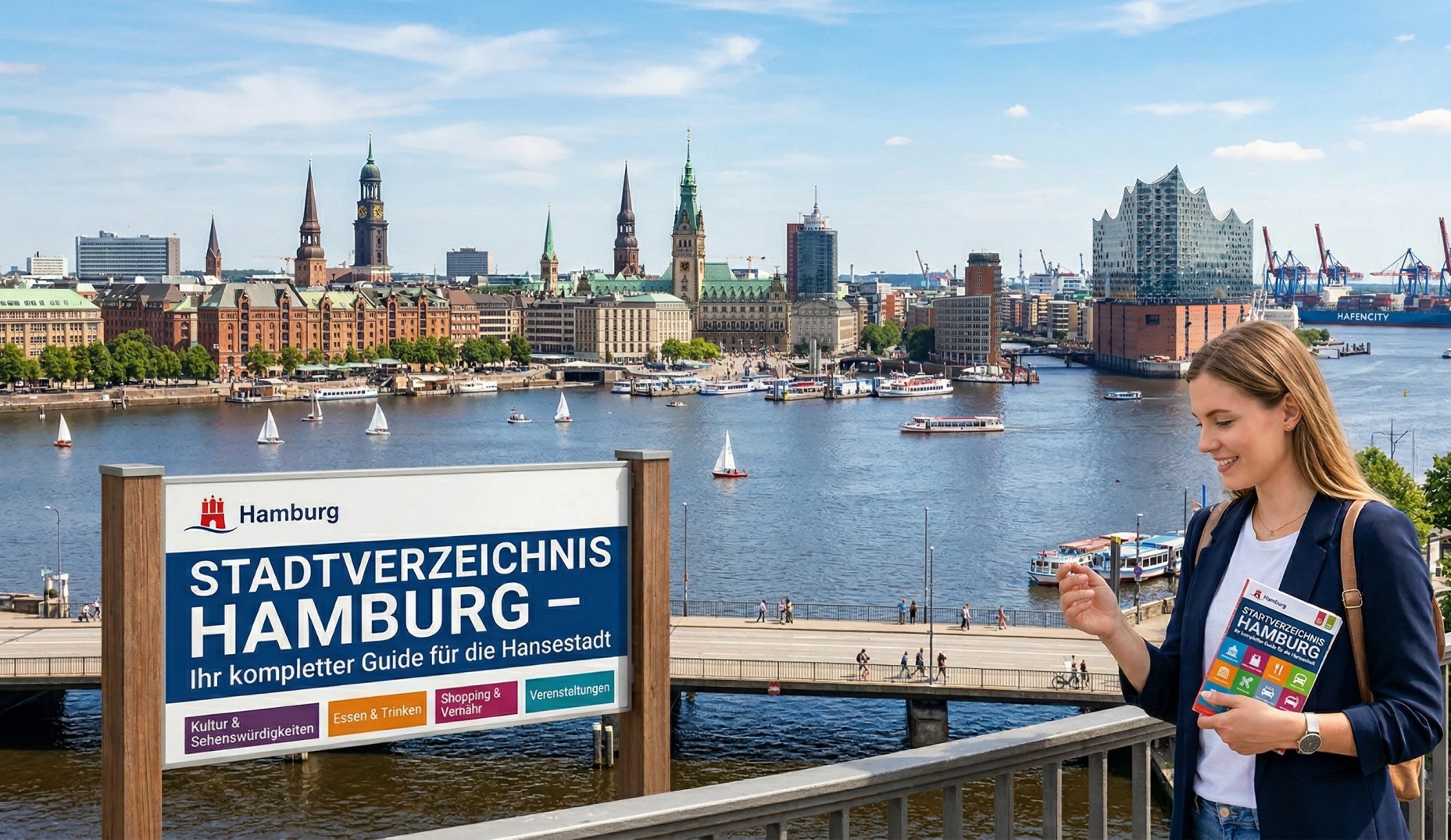
Hamburg, the maritime metropolis on the Elbe, is Germany's second-largest city with around 1.9 million residents. The Hanseatic city combines Hanseatic tradition with modern big-city flair, offering visitors and residents alike a unique blend of culture, history and maritime charm.
Our City Directory Germany – The Ultimate City Guide presents a detailed overview of all the key aspects of Hamburg as of 2026. From the historic Speicherstadt to the modern districts – discover the diversity of the Hanseatic city.
The most important districts in the Hamburg city directory
Hamburg is divided into seven boroughs with a total of 104 districts. Each area has its own character and offers special attractions.
The Hamburg city centre forms the pulsing heart of the city. Here you'll find the main shopping streets, the town hall and the famous Jungfernstieg on the Binnenalster. The old town is home to historic buildings and traditional Hamburg architecture.
St. Pauli is known worldwide for the Reeperbahn and its lively nightlife. The district combines Kiez culture with creative scenes and alternative culture. Hamburg pulses around the clock here – find out more in our article on Germany's Best Cities for Autumn Nights 2026.
Popular residential districts in Hamburg:
- Eimsbüttel: A family-friendly district with lots of green spaces
- Winterhude: An upmarket residential area by the Stadtpark
- Ottensen: A trendy district with period buildings and a vibrant scene
- Blankenese: An exclusive villa district on the Elbe
- Harvestehude: An upscale residential area with grand villas
- Rotherbaum: A central location close to the university
Sights and attractions in the Hamburg city directory
The Speicherstadt has been a UNESCO World Heritage Site since 2015 and is the largest contiguous warehouse complex in the world. The historic brick buildings now house museums, restaurants and offices.
The HafenCity represents Hamburg's most modern urban development. Covering around 157 hectares, new residential and commercial quarters have been emerging here for years and are set to be largely completed by the end of the 2020s. The Elbphilharmonie, as an architectural landmark, shapes the city's skyline.
The Port of Hamburg is one of the largest container ports in Europe. On a harbour tour, you can experience the impressive scale of the port facilities and the maritime atmosphere of the Hanseatic city.
Top sights in Hamburg:
- Elbphilharmonie: Concert hall and viewing platform
- Miniatur Wunderland: The world's largest model railway
- Hamburg Town Hall: A magnificent building in Neo-Renaissance style
- St. Michaelis Church: A landmark affectionately known as “Michel”
- Planten un Blomen: A park with water features
- Fish Market: A traditional market held every Sunday morning
Cultural life and events in Hamburg
Hamburg boasts a rich cultural landscape with over 60 theatres and stages. The Deutsches Schauspielhaus is considered one of the most important German-language theatres.
The Hamburg State Opera ranks among the world's leading opera houses. The Hamburg Ballet, shaped for decades by John Neumeier, enjoys international recognition.
The Thalia Theatre presents contemporary theatre of the highest calibre. The independent theatre scene in St. Pauli and other districts adds to the cultural offering, and musical fans will find several large venues on the Elbe.
Food and drink in the Hamburg city directory
Hamburg's culinary scene reflects its maritime tradition and international openness. Fish specialities define traditional Hamburg cuisine.
The Hamburg Fish Market offers fresh seafood and typical Hamburg atmosphere every Sunday morning. Traditional fish restaurants serve Labskaus, Finkenwerder plaice and fresh North Sea shrimp.
The Schanze and Karolinenviertel have developed into culinary hotspots. Here you'll find international cuisine, trendy restaurants and innovative dining concepts.
Economy and trade in the Hanseatic city
Hamburg is Germany's most important centre for foreign trade and a major media hub. The port forms the economic backbone of the city.
Major media companies such as RTL Deutschland (including the former Gruner + Jahr titles), Axel Springer and NDR have key locations here. The advertising industry and creative economy shape the city's economic profile.
The HafenCity is developing into a modern business centre. International companies are setting up in the new quarters.
Transport and mobility in the Hamburg city directory
The public transport network includes the U-Bahn, S-Bahn, buses and ferries. The Hamburg Transport Association (HVV) coordinates all modes of transport; the Deutschlandticket is valid throughout the network.
The Hamburg U-Bahn has four lines connecting all the major districts; a further line, the U5, is currently under construction. The S-Bahn serves the surrounding area and provides regional connections.
Harbour ferries offer a distinctive way to get around and are part of the public transport network. Line 62 connects various locations along the Elbe and is an affordable alternative to a harbour tour.
Key transport hubs:
- Hamburg Hauptbahnhof: The central long-distance rail hub
- Hamburg Airport: The international airport in the north of the city
- Altona Station: An important regional station in the west
- Landungsbrücken: The main harbour landing point
Education and science in Hamburg
The University of Hamburg, with over 40,000 students, is one of the largest universities in Germany. It offers a wide range of degree programmes.
The Hamburg University of Technology (TUHH) focuses on engineering education. The HafenCity University specialises in architecture and urban planning.
Hamburg has numerous research institutions. The Deutsches Elektronen-Synchrotron (DESY) and several Max Planck Institutes are internationally recognised research centres.
Our comprehensive Hamburg city directory showcases the diversity and vibrancy of the Hanseatic city. From its maritime history to modern urban development, Hamburg offers interesting discoveries for every visitor and resident. The unique blend of tradition and innovation makes Hamburg one of the most attractive cities in Germany.
Frequently Asked Questions about the Hamburg city directory
Which districts of Hamburg should visitors see?
The city centre with the town hall and Jungfernstieg, the Speicherstadt and HafenCity with the Elbphilharmonie, St. Pauli with the Reeperbahn, as well as the Schanzenviertel and Ottensen, are all part of the classic itinerary.
What's the best way to get around Hamburg?
You can reach all the key destinations using the U-Bahn, S-Bahn, buses and HVV harbour ferries. Ferry line 62 from Landungsbrücken also doubles as an affordable harbour tour.
What are the most important sights?
The Elbphilharmonie, Speicherstadt, Miniatur Wunderland, town hall, Michel and the Sunday fish market are the highlights; a harbour tour is also well worth it.
Which specialities should you try in Hamburg?
Labskaus, Finkenwerder plaice, fish sandwiches and fresh North Sea shrimp are the classics of Hanseatic cuisine; you'll find modern dining in the Schanze and Karolinenviertel.
Stefan Klein