Deutschland
Cologne City Guide – Your Complete Guide to the Cathedral City
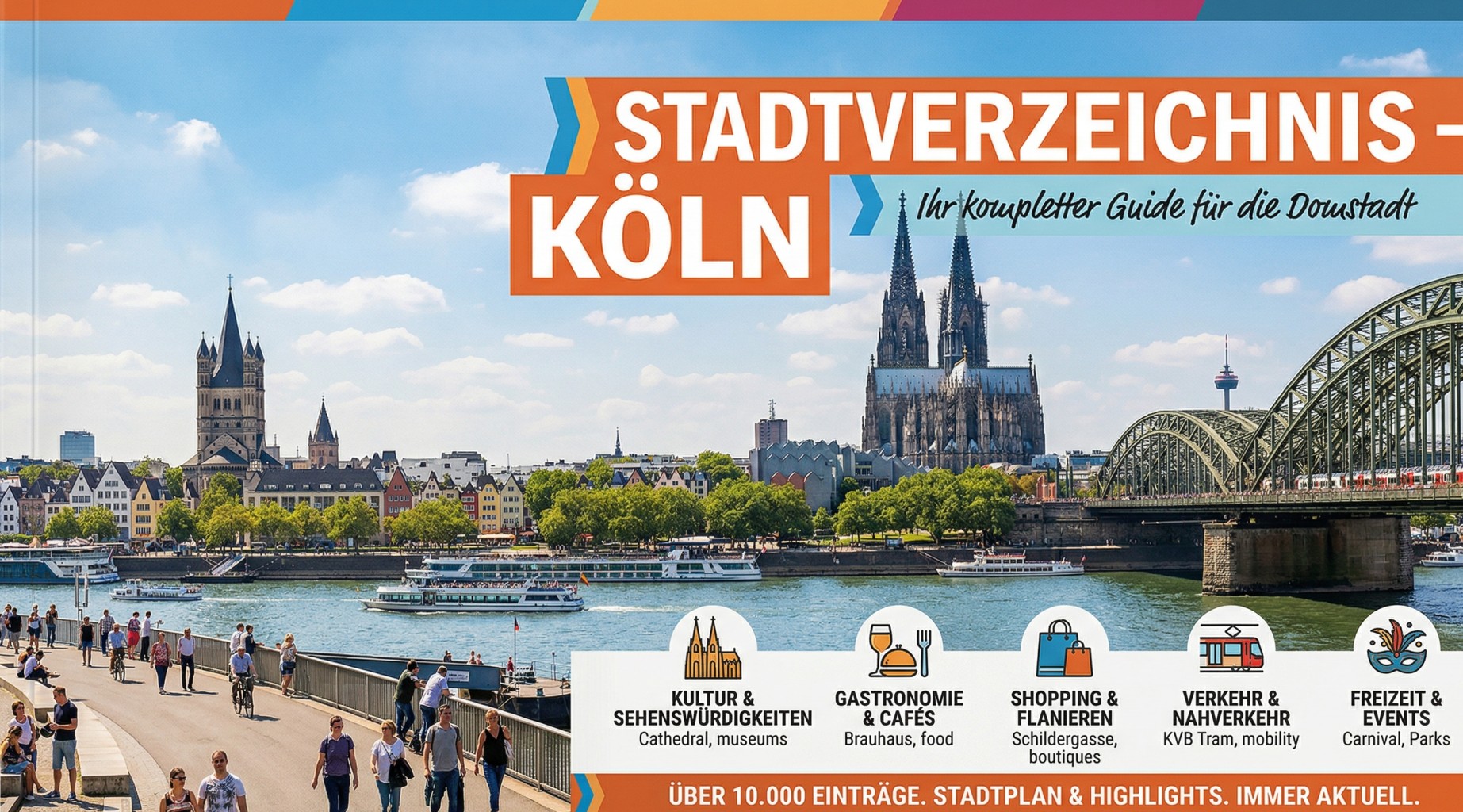
Cologne, the vibrant metropolis on the Rhine, is Germany's fourth-largest city with over a million inhabitants. As the cultural and economic centre of the Rhineland, the cathedral city offers a fascinating blend of 2,000 years of history and modern urban flair.
Our comprehensive city guide for Cologne takes you through all the key aspects of this impressive city. From historic landmarks to modern business districts – here you'll find everything you need to know for your stay or move to Cologne, up to date as of 2026.
For a complete overview of German cities, visit our City Guide Germany – The Ultimate City Guide.
History and significance of Cologne
Cologne looks back on an impressive history that dates back to Roman times. Founded as ‘Colonia Claudia Ara Agrippinensium’, it was already one of the largest cities in Europe during the Middle Ages.
Today, Cologne is a major media hub and home to numerous broadcasting and television companies. The city is regarded as the cultural capital of the Rhineland and attracts millions of tourists every year.
Its strategic location on the Rhine makes Cologne an important transport hub and economic centre. Many international companies have established their German headquarters here.
The most important districts of Cologne
Cologne is divided into nine city districts with a total of 86 neighbourhoods. Each area has its own character and offers different advantages for residents and visitors.
The city centre around the cathedral forms the historic and touristic heart of the city. Here you'll find most of the sights, shopping opportunities and cultural institutions.
Popular districts at a glance:
- Altstadt: Historic centre with the cathedral and museums
- Ehrenfeld: Trendy district with many bars and clubs
- Belgisches Viertel: Fashionable residential area with boutiques
- Deutz: Modern business district on the right bank of the Rhine
- Lindenthal: Green residential area with the university
- Südstadt: Lively district with many restaurants
- Nippes: Family-friendly district in the north
- Rodenkirchen: Quiet residential area on the Rhine
Sights and culture in Cologne
Cologne is a true paradise for culture and history enthusiasts. The world-famous Cologne Cathedral not only dominates the skyline but is also a UNESCO World Heritage Site and the city's landmark.
Cologne's museum landscape is among the richest in Germany. From ancient art to modern painting, you'll find collections of world-class standing here.
Cultural life thrives throughout the year. Particularly during carnival season, Cologne transforms into a grand stage for merriment and tradition.
Top sights:
- Cologne Cathedral: Gothic cathedral and city landmark
- Museum Ludwig: Modern art and pop art
- Römisch-Germanisches Museum: Ancient finds (currently on display at the Belgisches Haus while the main building undergoes renovation)
- Wallraf-Richartz-Museum: Old Masters
- Schokoladenmuseum: Sweet temptation on the Rhine
- Cologne Zoo: One of the oldest zoos in Germany
- Hohenzollern Bridge: Famous for love locks
- Rheinauhafen: Modern architecture featuring the Kranhäuser (crane houses)
Economy and jobs in Cologne
Cologne is a major economic centre with diverse industries. The media sector shapes the cityscape particularly strongly – WDR, RTL and many other broadcasters are based here.
The automotive industry is another key economic sector. Ford operates one of its most important European plants in Cologne, which has since been converted to electric vehicle production, and employs thousands of staff.
As a trade fair city of international importance, Cologne attracts millions of business travellers every year. Koelnmesse is one of the world's leading trade fair organisers.
Its proximity to other major cities such as Düsseldorf, Bonn and the Ruhr region makes Cologne an attractive location for companies of all sizes.
Education and universities in Cologne
Cologne is one of Germany's largest university cities. The University of Cologne, founded in 1388, is one of the oldest and most prestigious universities in Europe.
With around 50,000 students, the university significantly shapes the cityscape. The fields of economics, law and medicine are particularly strong.
The TH Köln (Cologne University of Applied Sciences) is one of the largest universities of applied sciences in Germany. It offers practice-oriented degree programmes in engineering, computer science and business.
Numerous private colleges round out the educational offering. The German Sport University Cologne is the only sports university in Germany and enjoys international renown.
Transport and mobility in Cologne
Cologne has an excellent transport network that connects the city optimally with the surrounding region and other German cities. The main railway station is one of the most important transport hubs in Germany.
The public transport system consists of suburban trains (S-Bahn), light rail (Stadtbahn) and buses. The Kölner Verkehrs-Betriebe (KVB) ensure reliable connections to all districts; the Deutschlandticket is valid across the entire network.
For drivers, Cologne offers a well-developed road network, although traffic can become very heavy during rush hour. Several motorways run through or around the city.
Cologne Bonn Airport is located around 15 kilometres south-east of the city and is easily reached by S-Bahn and bus. It offers connections to well over 100 destinations in Europe and beyond.
Transport options at a glance:
- S-Bahn: Several lines serving the surrounding area
- Stadtbahn: Dense network of lines throughout the city
- Bus: Over 60 routes for local connections
- Bicycle: Growing network of cycle paths
- Car-sharing: Various providers available
- E-scooter: Flexible way to get around the city centre
Living in Cologne
Cologne offers a high quality of life with a diverse range of leisure activities. The promenades along the Rhine invite you to stroll, while the numerous parks and green spaces offer a retreat from the hustle and bustle of the city.
The housing market in Cologne remains tight in 2026, but there are properties in all price ranges. Locations close to the city centre and flats with a view of the Rhine are particularly sought after.
The people of Cologne are known for their openness and joie de vivre. Social life often takes place in the traditional Brauhäuser (brewery pubs), where the famous Kölsch beer is served.
Shopping options are diverse – from the Schildergasse, one of the most visited shopping streets in Germany, to alternative markets in Ehrenfeld. There's something to suit every taste and budget.
Events in Cologne
Cologne is a city of festivals and events. The highlight of the year is undoubtedly carnival, which puts the entire city into a state of exception.
The Kölner Lichter (Cologne Lights) in summer turn the Rhine into a firework spectacle. Thousands of visitors line the banks to watch the impressive display.
Cologne also has plenty to offer musically: from classical concerts at the Philharmonie to rock and pop concerts at the Lanxess Arena. If you want to experience the city at night, you'll find further inspiration in our article on Germany's best cities for autumn nights 2026.
Art Cologne is one of the most important art fairs in the world and attracts collectors and gallerists from across the globe every year. It underlines Cologne's importance as a city of art.
Our Cologne city guide shows you that the cathedral city is far more than just its famous cathedral. With its unique blend of tradition and modernity, culture and business, Cologne has something for everyone. Whether you're visiting as a tourist, here for work or planning to stay for good – Cologne will win you over with its diversity and charm.
Frequently Asked Questions
Which districts of Cologne are especially suited to visitors?
The Altstadt around the cathedral is the classic starting point. Ehrenfeld and the Belgisches Viertel are worthwhile for nightlife and the scene, Südstadt for restaurants, and Deutz and Rheinauhafen for modern architecture.
What's the best way to get around in Cologne?
You can reach all districts using the KVB's Stadtbahn, S-Bahn and buses; the main railway station is right next to the cathedral. During rush hour, public transport is usually faster than driving.
When is the best time to visit Cologne?
Carnival in winter and the Kölner Lichter in summer are the highlights, but the city is correspondingly busy at those times. Spring and autumn offer pleasant temperatures and a more relaxed experience.
Which sights are an absolute must?
Cologne Cathedral, Museum Ludwig, the Hohenzollern Bridge with its view of the Altstadt, the Schokoladenmuseum and the Kranhäuser at Rheinauhafen are all must-sees.
Also read: City Guide Germany – The Ultimate City Guide
Jonas Wagner