Deutschland
Which Mattress Protectors Last the Longest?
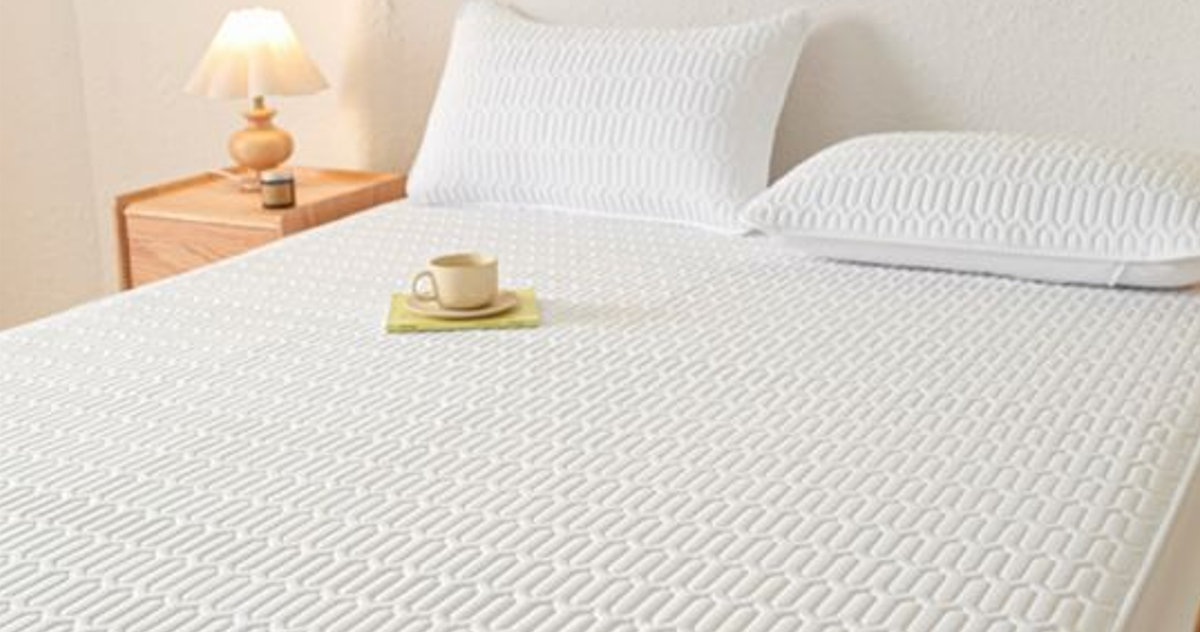
A good mattress is an investment that is meant to last many years. For it to keep its original shape, hygiene and support over a long period, the right protector plays a central role. After all, it is exposed every day to moisture, skin flakes, dust mites and mechanical wear. But not every model protects the mattress equally well or for equally long. How many years the protection actually lasts depends on the material, the workmanship and the care. The following guide explains which types of protector are particularly durable and what to look out for when buying.
Lifespan in Focus: Which Protectors Protect Mattresses the Longest
The durability of a protector depends heavily on its base material. Cotton-based models score with breathability, can often be washed and do not wear out as quickly. Models with a firm weave keep their fit for years. A good overview of suitable materials, moisture protection and proper care is offered, for example, by the topic page of matratzenschutz24.net, which presents various types of protector at a glance.
As a general rule: the more robust the fibre used and the more thoughtful the construction, the longer the protective effect lasts. Protectors with elasticated edges or fitted elastic sit firmly, which reduces friction and localised wear. If you are aiming for longevity, you should choose washable, shape-retaining materials with a high fibre density.
From Molleton to Waterproof Protection: These Protector Types Last Especially Long
There are clear differences in durability between the individual types:
1. Molleton protectors: Long-lasting, densely woven and very wash-resistant. The firm fabric hardly loses its elasticity and keeps its structure even after numerous washes.
2. Terry protectors: Highly absorbent and easy to care for. They tolerate straightforward washing and are quickly ready for use again.
3. Membrane waterproof protectors: Offer reliable moisture protection, but react more sensitively to high temperatures; caution is needed when caring for them.
4. Fleece protectors: Cheap to buy, but they wear out comparatively quickly with frequent use.
Lasting protection comes from a combination of an absorbent surface and a dense base structure. For high durability, it is best to go for molleton or top-quality terry models.
Workmanship and Stitching Quality as Decisive Factors
Besides the material, it is above all the workmanship that determines how long a protector does its job. Clean, double-stitched seams reliably prevent individual fibres from fraying or the edges from tearing after prolonged use. Reinforced corners and elastic bands provide extra hold and reduce mechanical strain.
A look at the workmanship: even stitches without loose threads indicate careful manufacture. The density of the fabric also gives an indication: the heavier and firmer a model feels in the hand, the more durable it usually is. Whether a mattress protector makes sense in the first place is examined in an informative article on the pros and cons of mattress protectors.
Why Fit Determines Durability
A protector that fits too loosely constantly slips, which leads to unnecessary friction and premature wear. Fitted protectors with an all-round elastic band hold tight to the mattress and thereby spare the fabric. Precision pays off in the long run.
How to Extend the Protective Effect of Your Mattress Protector
Even the sturdiest protector only lasts with proper care. If it is washed at regular intervals at the recommended temperature, dust mites and residues can be removed reliably without damaging the material. Washing too hot, on the other hand, damages the membranes and fibres. Changing it every two weeks promotes hygiene.
5. Follow the washing instructions: Follow the manufacturer's guidelines and use mild detergents.
6. Let it dry completely: Let the protector dry through completely before putting it back on.
7. Avoid heat: Avoid high temperatures when drying in the tumble dryer.
8. Use in rotation: Use two protectors alternately to reduce the strain on each one.
The Right Protector for Lasting Value
The right protector depends on your personal needs. People who sweat heavily at night benefit from absorbent terry models. Allergy sufferers protect themselves best against allergy-triggering particles with mite-proof membrane protectors. It is also important that the size fits the mattress exactly, to avoid creasing.
If you are comparing different offers, pay attention to washability, material density and stitching quality. A long-lasting protector shields the mattress for years, saves the cost of replacements and forms the basis for restful sleep.
Frequently Asked Questions
How often should a mattress protector be washed so that it protects for a long time?
As a rule of thumb, wash it every four to six weeks with normal use, and more often for allergy sufferers or children. However, washing too often at too high a temperature can make the fibres wear out faster than expected. It is important to stick to the manufacturer's guidelines on the maximum washing temperature so as not to destroy the protective effect prematurely.
How can I tell that a mattress protector needs replacing?
Clear signs are a lingering smell despite washing, visible discolouration or declining elasticity of the edges. If the protector no longer dries properly after washing or smells musty, that is also a warning sign of material fatigue. At the latest when the first holes or see-through areas appear, it should be replaced so that the mattress continues to be reliably protected.
Is an expensive mattress protector worth it compared with cheaper models?
High-quality protectors often pay for themselves over the years, as they need replacing less often and protect the expensive mattress better. Cheap products frequently lose their fit or protective function after just a few washes, which becomes more expensive in the long run. A price comparison should therefore always take the expected service life into account, not just the purchase price.
Which mistakes shorten the lifespan of a mattress protector the most?
A common mistake is drying in the tumble dryer on high heat, which can make elastic bands and membranes porous. Ignoring small tears or holes also speeds up wear, as moisture then penetrates unhindered. If you also fail to air the protector regularly, you risk mould, which quickly makes even robust materials unusable.
Which mattress protector suits my mattress size and my sleeping habits?
The right protector depends not only on the material, but also on individual factors such as how much you sweat, mattress height and the desired firmness. A detailed comparison of molleton, terry and membrane protection, with material properties and care instructions, can be found at matratzenschutz24.net. This makes it possible to match the right choice to your own mattress. Matratzenschutz24 helps turn knowledge of materials into a concrete purchasing decision.

Max Schmidt
Lokaler Experte