Deutschland
Weekly Markets Germany: An Authentic Shopping Experience
Weekly Markets in Germany: An Authentic Shopping Experience for Food Lovers and Explorers
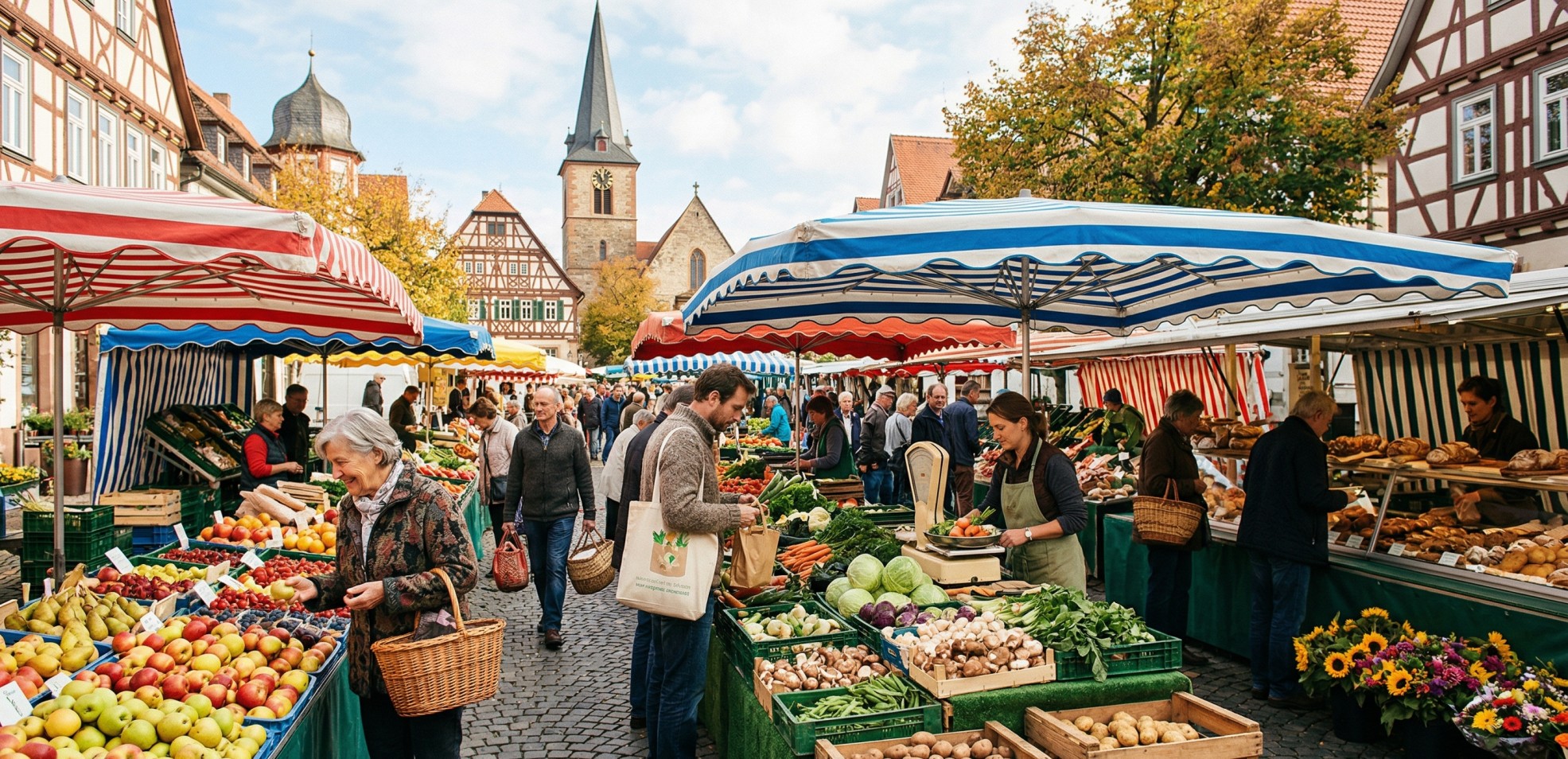
Weekly markets are the heart of the German shopping experience, offering a perfect alternative to supermarkets and shopping centres. These traditional markets combine fresh, regional produce with an authentic atmosphere and personal service. From Bavarian conviviality to the down-to-earth charm of northern Germany, every weekly market tells its own story.
For anyone wanting to experience Shopping Deutschland at its most authentic, weekly markets are a must. They offer not only high-quality food but also a cultural experience that delights locals and tourists alike.
The Best Weekly Markets in Germany’s Major Cities
Germany’s big cities are home to some of the most spectacular weekly markets in Europe. Munich’s Viktualienmarkt is considered Germany’s most famous market and draws thousands of visitors every day. Here, shopping enthusiasts can find everything from Bavarian specialities to exotic spices.
In Hamburg, the Isemarkt impresses as Germany’s longest weekly market, with over 300 stalls. Every Tuesday and Friday, Isestraße transforms into a shopping paradise for food lovers. The market stretches over two kilometres and offers an incredible variety of fresh produce.
Berlin’s weekly markets reflect the diversity of the capital. The market at Kollwitzplatz in Prenzlauer Berg is particularly popular with young families and tourists, while the Türkenmarkt on Maybachufer offers authentic international cuisine.
The Top 5 Big-City Weekly Markets:
- Viktualienmarkt Munich (daily except Sunday)
- Isemarkt Hamburg (Tuesday and Friday)
- Kollwitzplatz Berlin (Thursday and Saturday)
- Wilhelmsplatz Stuttgart (Wednesday and Saturday)
- Carlsplatz Düsseldorf (Monday to Saturday)
Regional Specialities at German Weekly Markets
Every region of Germany showcases unique specialities at its weekly markets, making the shopping experience especially authentic. In Bavaria, hearty sausage specialities, fresh pretzels and regional cheeses dominate the market stalls.
Northern German weekly markets score points with fresh fish straight from the coast. Matjes herring, smoked eel and shrimp are firm fixtures on offer. The maritime atmosphere makes shopping here a special experience.
In the Rhineland and the Palatinate, wine and hearty specialities take centre stage. Winegrowers sell their produce directly, while butchers offer regional sausage specialities. These markets are perfect for food lovers who appreciate authentic German cuisine.
Opening Hours and the Best Times to Visit Weekly Markets
Most German weekly markets open early in the morning between 6:00 and 8:00 am and close in the afternoon between 2:00 and 6:00 pm. Exact times vary by city and season, with summer markets often staying open longer.
For the best shopping experience, a visit in the mid-morning between 9:00 and 11:00 am is recommended. At this time, the selection is still complete, the atmosphere is relaxed and the vendors have time for personal advice.
In the late afternoon, about an hour before the market closes, many traders offer discounts on perishable goods. This is ideal for budget-conscious shoppers looking for fresh produce for immediate consumption.
Optimal Visiting Times by Product Category:
- Fresh fruit and vegetables: 8:00-10:00 am
- Baked goods: 7:00-9:00 am
- Fish and meat: 9:00-11:00 am
- Flowers: 10:00 am-12:00 pm
- Bargain hunting: the last hour before the market closes
Sustainable Shopping at German Weekly Markets
Weekly markets are pioneers of sustainable shopping in Germany. The short transport routes of regional producers significantly reduce the carbon footprint. Many traders offer organic produce and seasonal goods straight from the grower.
Direct contact with producers allows customers to learn about growing methods and origin. This creates a transparency and trust that is often missing in conventional retail.
Many markets encourage zero-waste shopping through reusable systems and the option to bring your own containers. Cloth bags and baskets replace plastic bags, creating an environmentally friendly shopping atmosphere.
Insider Tips for the Perfect Weekly Market Visit
Experienced weekly market shoppers swear by certain strategies for the optimal shop. An initial walk-through without buying anything helps you scope out what’s on offer and compare prices. This way, you’ll discover the best stalls and can shop with purpose.
Cash is still the standard at most weekly markets, although more and more traders now accept card payments. Small notes and coins make shopping easier and allow for spontaneous purchases at various stalls.
Building a regular relationship with individual traders pays off in the long run. Regular customers often get better prices, insider tips on new products and occasionally small samples.
Seasonal Highlights at German Weekly Markets
Every season brings special highlights to German weekly markets. Spring tempts with fresh asparagus, new potatoes and colourful spring flowers. Asparagus markets in Baden-Württemberg and Lower Saxony are true shopping magnets.
Summer markets shine with an abundance of home-grown fruit and vegetables. Strawberries, cherries and fresh herbs dominate the offerings. Many markets expand their range to include barbecue specialities and refreshing drinks.
Autumn brings pumpkins, apples and nuts to the markets. Oktoberfest spirit and harvest festivals shape the atmosphere. Christmas markets transform traditional weekly markets into festive shopping worlds with mulled wine and roasted nuts.
Weekly Markets as a Cultural Experience
German weekly markets are far more than pure shopping destinations — they are vibrant cultural hubs. Here, people of all ages and social backgrounds come together to connect and exchange.
Many markets offer cultural side programmes such as live music, cooking demonstrations or seasonal festivals. These events turn a market visit into a holistic experience that combines shopping with entertainment.
For tourists, weekly markets offer authentic insights into the German way of life. Here, visitors experience first-hand how Germans shop, communicate and spend their leisure time. This makes markets an essential stop on any trip to Germany.
Cultural Highlights of Different Regions:
- Bavaria: Conviviality and tradition
- Northern Germany: Maritime atmosphere
- Rhineland: Cheerful ease
- Saxony: Craft traditions
- Baden-Württemberg: Quality consciousness
Weekly markets remain an indispensable part of German shopping culture, offering experiences that modern shopping centres cannot replace. They combine tradition with modernity and create authentic encounters between people and produce.
Read also: Shopping Deutschland: The Ultimate Guide to the Best Shopping Experience in Every German City
Paul Lange