Dinslaken
Dinslaken's Industrial Monuments: History Up Close
The industrial heritage sites of Dinslaken tell a fascinating story of coal, steel and hard work. Anyone visiting the industrial heritage sites of Dinslaken steps into over a hundred years of mining history. This article shows you the finest spots, intriguing background information and practical tips for your visit.
Dinslaken was once shaped by mining and heavy industry. The history of Dinslaken's collieries dates back to the late 19th century. Today, many of these places are lovingly restored testaments to the industrial heritage of the Ruhr region in Dinslaken. Get ready for a journey through the past.
Industrial heritage sites in Dinslaken: a historical overview
The industrial heritage sites of Dinslaken are a prime example of structural change in the Ruhr region. Intensive coal mining began here as early as the 19th century. Numerous collieries shaped the townscape and the way of life of local people.
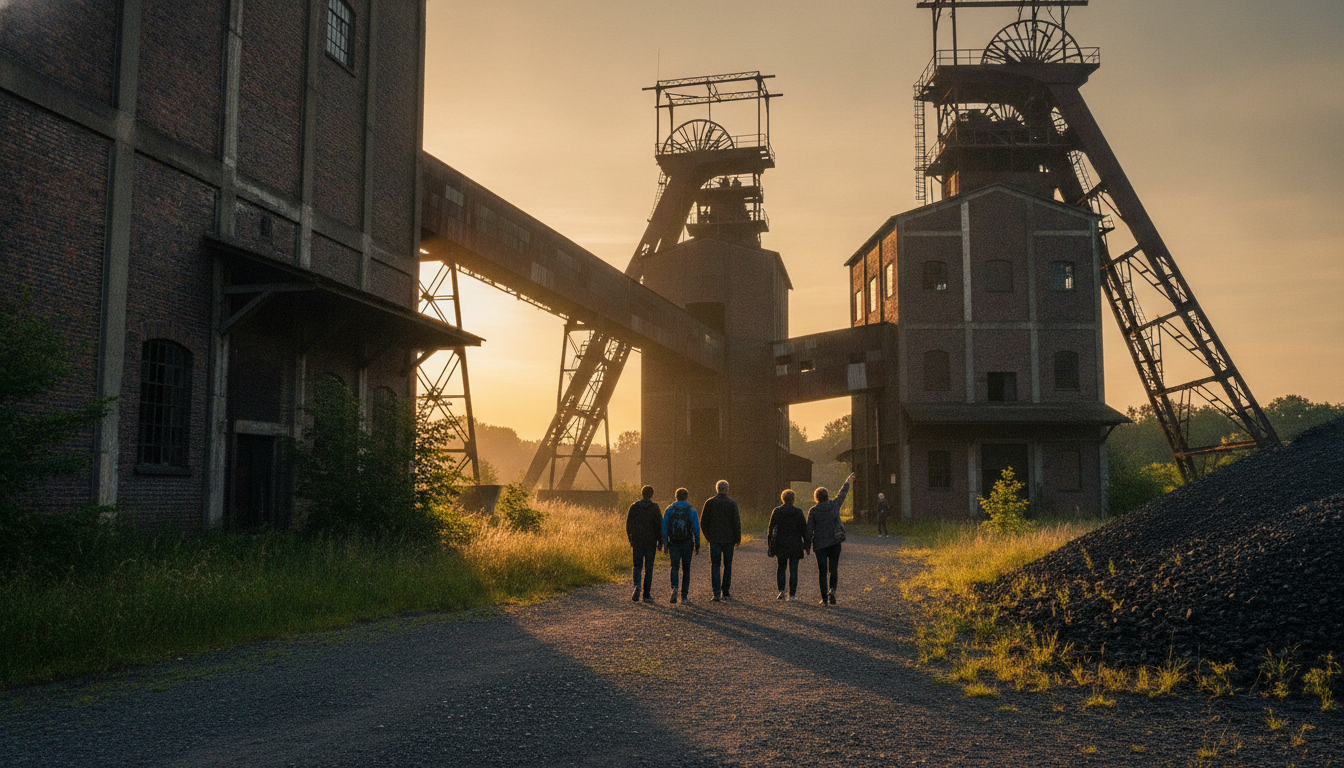
The Lohberg Colliery is one of the most significant sites in the region. For decades it employed thousands of miners and their families. After its closure, the site transformed into a vibrant cultural centre.
The importance of mining for Dinslaken
Mining shaped not only the economy but also the identity of the town. Entire neighbourhoods grew up around the colliery complexes. These settlements are now important testimonies to the industrial heritage of the Ruhr region in Dinslaken.
- Lohberg Colliery as a central anchor point
- Miners' housing estates with historic architecture
- Winding towers as striking landmarks
- Museums dedicated to preserving this history
💡 Tip: Combine your visit to the industrial heritage sites of Dinslaken with a stroll around town, then head to the best cafés in Dinslaken for a well-earned break.
Industrial heritage sites in Dinslaken: the Lohberg Colliery in detail
The Lohberg Colliery is the centrepiece of Dinslaken's industrial heritage sites. The site has been extensively renovated and transformed into a modern hub for art and culture. Historic buildings here stand in dialogue with new uses.
Visitors can admire the impressive architecture of the winding towers. Many parts of the buildings are open to the public and invite exploration. The site is a striking example of how the industrial heritage of the Ruhr region in Dinslaken can be given new life.
Notable buildings on the colliery site
The site comprises several historically significant buildings. Each one tells its own story from the mining era.
- The striking winding tower as a landmark
- The former washhouse with original fittings
- Workshop buildings with historic machinery
- Administrative buildings in an industrial style
The combination of preservation and new use makes the site truly unique. Artists and cultural initiatives have found a home here. This creates a living connection between past and present.
Industrial heritage sites in Dinslaken: walking routes and exploration tours
Anyone wanting to actively explore the industrial heritage sites of Dinslaken will find numerous walking trails. These routes link historic sites with beautiful countryside. Structural change has turned former industrial areas into green recreational spaces.
Particularly popular is the route along the former colliery railway lines. These paths pass old railway tracks and industrial buildings. Information boards explain the historical significance of each stop along the way.
Recommended route for beginners
First-time visitors are advised to follow a structured tour through the most important stops. This way, you won't miss any key highlights.
- Start at the Lohberg Colliery visitor centre
- A walk through the historic buildings
- A stroll along the miners' housing estate
- Finish with a view of the winding tower
This route takes around two to three hours. It's also well suited to families with children. Sturdy shoes and weatherproof clothing are recommended.
Industrial heritage sites in Dinslaken: museums and exhibitions
Alongside the outdoor sites, several museums offer deep insight into the history of Dinslaken's collieries. Original tools, photographs and documents are on display here. Interactive elements make the exhibitions engaging for younger visitors too.
The museums place great emphasis on authentic accounts from former miners. First-hand testimonies offer a personal connection to history. This brings the industrial heritage of the Ruhr region in Dinslaken to life.
Highlights of the museum displays
The exhibition rooms offer a range of themes to suit every interest.
- Original mining equipment you can touch
- Photo documentation from the mining era
- Listening stations with first-hand accounts
- Models of the underground tunnel systems
💡 Tip: Many museums offer guided tours that provide additional background information. Ask in advance about times for German-language tours.
Industrial heritage sites in Dinslaken: events and cultural life
The industrial heritage sites of Dinslaken are far from being mere historical relics. Today they regularly host concerts, exhibitions and festivals. The former colliery site has developed into a vibrant cultural venue.
Numerous open-air events take place, especially in summer. The industrial backdrop gives these events a truly special atmosphere. Music lovers shouldn't miss the bars with live music in Dinslaken either.
Annual highlights at the colliery site
The events programme varies by season and offers something to suit every taste.
- Industrial Heritage Festival in early summer
- Christmas market with a historic flair
- Art exhibitions in the former factory halls
- Guided tours on special commemorative days
These events attract thousands of visitors every year. They contribute significantly to the recognition of the industrial heritage of the Ruhr region in Dinslaken. It's worth checking the current events calendar before every visit.
Industrial heritage sites in Dinslaken: practical tips for your visit
A trip to the industrial heritage sites of Dinslaken is easy to plan. Most sites are easily accessible by public transport. There's also ample parking available for drivers.
Allow at least half a day for a thorough visit. If you want to see several sites, you should set aside a full day. Feel free to combine the trip with other activities around town.
Best time to visit and opening hours
The industrial heritage sites of Dinslaken are worth visiting all year round. Still, there are some seasonal differences worth noting.
- Spring and autumn offer pleasant temperatures for outdoor sightseeing
- Summer is particularly good for events and festivals
- Winter shows the sites in a special, tranquil atmosphere
- Weekdays tend to be less busy at the sites
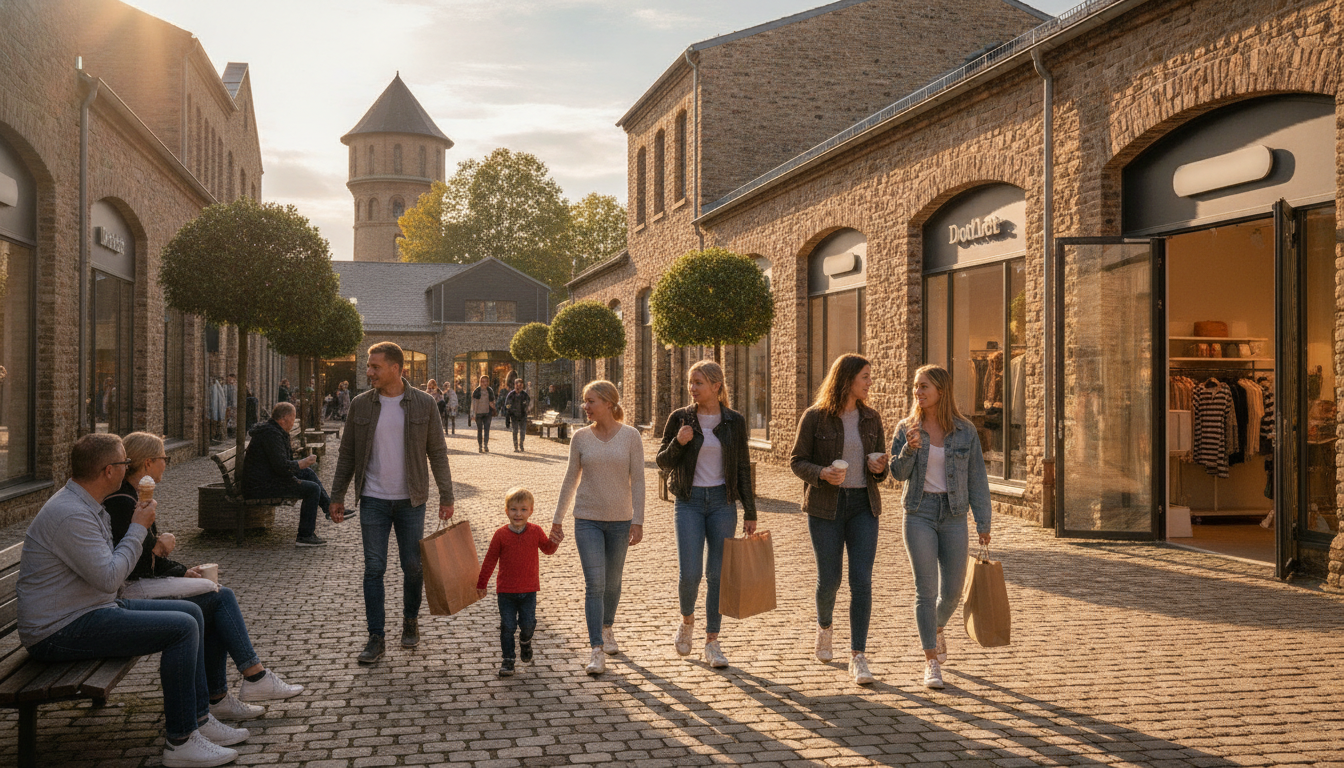
After a thorough walk around, a spot of shopping makes a great follow-up. Why not check out outlet shopping in Dinslaken and grab yourself a bargain.
Industrial heritage sites in Dinslaken: significance for structural change
The repurposing of Dinslaken's industrial heritage sites is a prime example of how regions can transform themselves. Former industrial areas have become spaces for culture, housing and recreation. This process took decades and required a great deal of commitment.
Town planners and residents worked together on sustainable concepts. The result is a successful balance between heritage protection and modern use. This means the history of Dinslaken's collieries is preserved for future generations.
You'll find further information about the town and its attractions on the Dinslaken city page. There you'll get a comprehensive overview of all the town's attractions.
📍 Discover more:
Conclusion: the industrial heritage sites of Dinslaken are worth a visit
The industrial heritage sites of Dinslaken offer a unique experience for history enthusiasts and culture lovers alike. They combine authentic industrial history with a vibrant cultural scene. A visit is worthwhile at any time of year.
Here's a quick overview of the key takeaways:
- The Lohberg Colliery is the central starting point for your voyage of discovery
- Museums offer authentic insights into the history of Dinslaken's collieries
- Walking routes combine history with natural surroundings
- Regular events make every visit special
- The industrial heritage of the Ruhr region in Dinslaken remains a living part of the town's identity
Start planning your trip to the industrial heritage sites of Dinslaken today. Discover a fascinating piece of Ruhr region history up close. These impressive sites are waiting to be explored.
Frequently Asked Questions
Which industrial heritage sites in Dinslaken should I be sure to visit? The Lohberg Colliery is considered the top highlight among Dinslaken's industrial heritage sites. The surrounding miners' housing estates and associated museums are also well worth a visit.
Are the industrial heritage sites of Dinslaken free to visit? Many outdoor areas of the colliery sites are freely accessible and can be visited at no charge. Museum visits and guided tours usually involve a small admission fee.
How much time should I set aside to visit the history of Dinslaken's collieries? For a thorough visit, at least three to four hours are recommended. If you want to see several sites, you should set aside a full day.
Is the industrial heritage of the Ruhr region in Dinslaken accessible for visitors with disabilities? Many areas were made accessible during renovation. However, some historic parts of the buildings still have limitations, so it's worth checking in advance.
Are there guided tours of the industrial heritage sites in Dinslaken? Yes, guided tours with knowledgeable guides are regularly on offer. These provide additional background information and personal stories from former miners.
Lena Becker