Dinslaken
Second-Hand and Vintage in Dinslaken: Shopping Tips
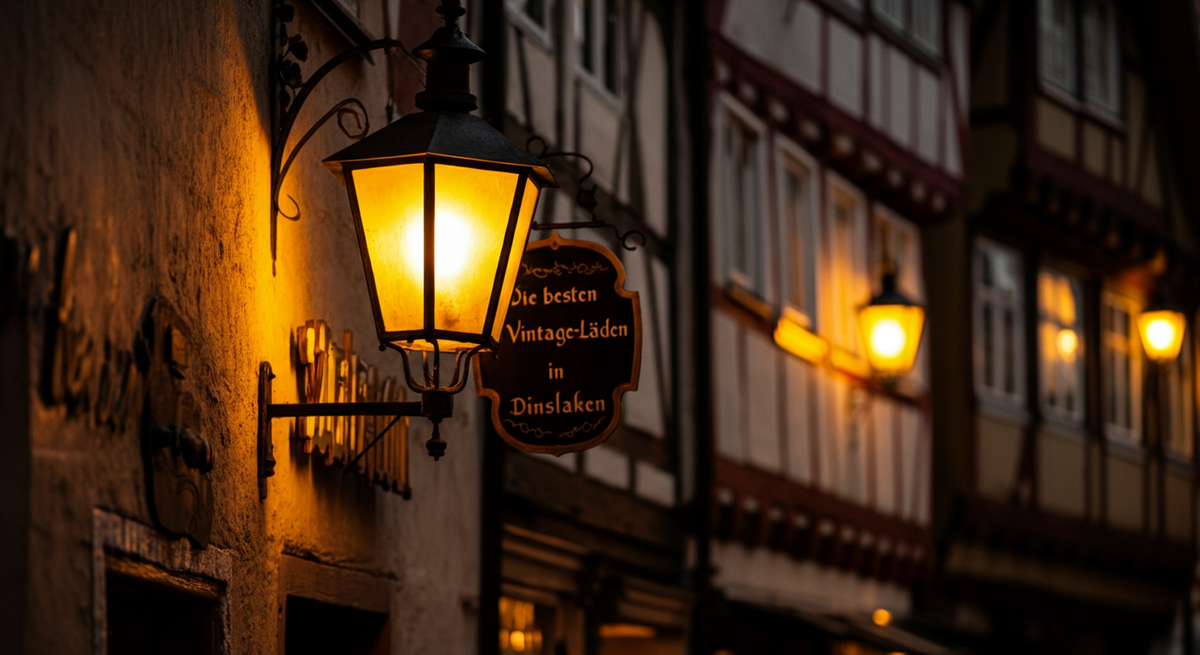
Buying used clothes is no longer a last resort but a conscious choice. If you are after unique garments, special accessories or designer pieces, second-hand and vintage offer a sustainable alternative to fast fashion. In this guide you will learn what to look out for when shopping in Dinslaken and how to spot a find.
Vintage and Second-Hand: What Is the Difference?
The terms are often mixed up, but they do not mean the same thing. Second-hand refers generally to used goods that are resold. Vintage usually describes pieces from earlier decades that bring a style of their own. Retro fashion, by contrast, is often newly made but picks up looks from past eras.
Typical Finds
- Clothing: jeans, leather jackets, coats, dresses and blouses from earlier decades
- Accessories: bags, belts, scarves and jewellery
- Shoes: well-preserved leather shoes and boots
- Home: occasionally decor and small pieces of furniture
💡 Tip: Drop by regularly, as the stock changes constantly and new finds keep arriving.
Where to Look in Dinslaken
You will not find used fashion only in specialist shops. It is worth a look around the town centre and the pedestrian zone, where retailers and smaller shops are concentrated. The region also regularly hosts flea markets and clothes fairs where private sellers offer their pieces. Online platforms for used clothing are a good addition, too, if you are searching for one particular item.
The best way to find out current opening hours and dates is directly from each seller or on their website. You can find an overview of further addresses on our city page for Dinslaken.
Retro Fashion: A Journey Through the Eras of Style
If you are looking for a particular style, you can take your cue from the typical features of each decade.
The 1950s
- petticoat dresses and full circle skirts
- polka dots and floral prints
- high-necked blouses and cardigans
The 1960s
- A-line dresses and miniskirts
- geometric patterns and bold colours
- boots and eye-catching jewellery
The 1970s to 1990s
- flares, corduroy and suede
- leather jackets and trench coats
- band T-shirts and casual denim
💡 Tip: Combine vintage pieces with modern clothing. That way the look feels contemporary rather than like a costume.
What to Look Out for When Buying
With used clothing, a close look pays off, because not every piece lives up to its promise.
- Material and condition: check seams, zips, buttons and fabrics for wear, stains or holes.
- Fit: sizes from earlier decades often differ from today's. Always try clothes on.
- Smell: a musty smell can often, but not always, be removed by washing or airing.
- Care instructions: find out before buying how the piece needs to be cleaned, especially with leather, wool and silk.
- Authenticity: original labels and the workmanship give clues as to whether a piece is genuinely old or just looks it.
Prices for Second-Hand and Vintage
Prices depend heavily on condition, brand, material and rarity. Simple basics such as T-shirts or jeans are generally much cheaper than new ones. High-quality coats, leather jackets or designer pieces cost more, but usually still come in under the new price. Sought-after collector's items, on the other hand, can fetch higher prices. If in doubt, compare several offers and ask for a discount if there are flaws.
💡 Tip: Ask where a piece came from. Many sellers are happy to tell you where their finds originate.
Selling or Swapping Your Own Clothes
If you are clearing out your wardrobe, there is no need to throw anything away. You can pass on clean clothes in good condition at flea markets, through online platforms or at clothes-swap parties. Some shops also buy stock. It is best to ask beforehand which pieces they are looking for. Branded clothing, leather goods and pieces in very good condition are in particularly high demand.
Preparing for Your Shopping Trip
- Find out the opening hours beforehand
- Allow plenty of time, as browsing takes patience
- Wear clothes that are easy to slip on and off
- Bring a bag for your purchases
- Ask which payment methods are accepted, as not everywhere takes cards
📍 Discover more: Explore more recommendations for Dinslaken on our city page.
Conclusion: Shopping Sustainably and Individually
Second-hand and vintage combine sustainability with personal style. With a little patience, a critical eye for condition and workmanship and a love of browsing, you will find special pieces at fair prices in Dinslaken too.
Frequently Asked Questions
What are the opening hours of second-hand shops? Opening hours differ from shop to shop. You can find current times on the website or ask directly in the shop.
Can I sell my own clothes? Yes, this is possible at flea markets, through online platforms and sometimes in shops as well. Bring clean clothes in good condition and ask beforehand what they are looking for.
Is there vintage fashion for men too? Yes, suits, shirts, leather jackets and accessories for men are a regular part of the second-hand range. However, the selection depends on the individual seller.
How can I recognise genuine vintage pieces? You can recognise genuine vintage pieces by original labels, the workmanship and the materials used. If in doubt, ask the seller.
What payment options are there? This varies from seller to seller. It is best to ask in the shop itself and to keep some cash handy, just in case.
Jonas Weber