Dresden
Weinstuben in Dresden

Wherever wine is grown, you'll also find wine taverns. In Germany, these are mainly found in the south-western regions. This is down to the prevailing climatic conditions.
Rhineland-Palatinate, Baden-Württemberg and Hesse together are home to 11 of Germany's 13 wine-growing regions. This is where you'll find a good number of wine taverns, as wine plays such an important role there. These wines are enjoyed not only across the rest of Germany but around the world too.
With their rustic charm, wine taverns invite you to linger and enjoy yourself. They exude a particular flair that makes them so special. In any wine-growing region, you'll find a wine tavern no matter how small the village.
The Wine Tavern
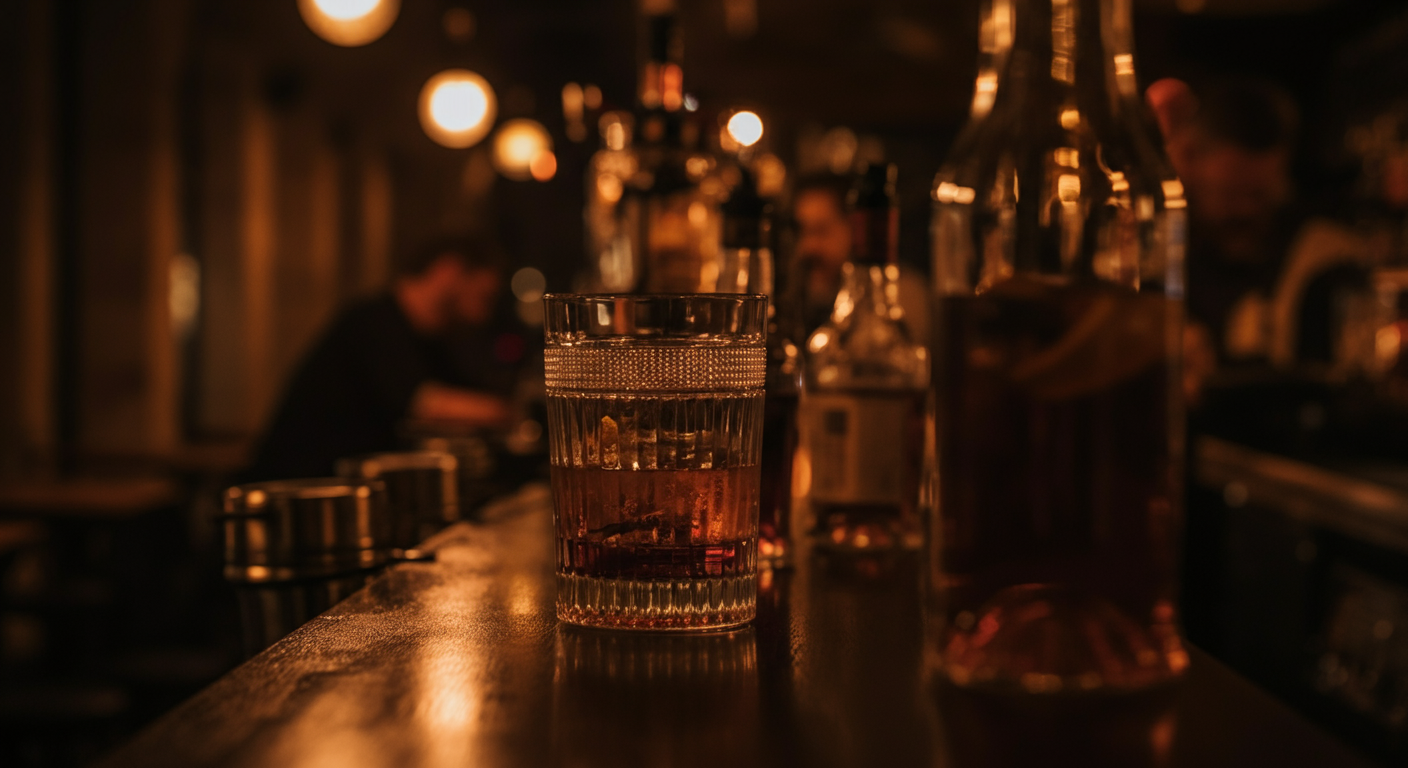
So what exactly is a wine tavern? As the name suggests, wine plays a very important role. And what people get up to in a wine tavern is easy to imagine — we're all familiar with the phrase "come on into the parlour". A "Stube" (parlour) is a place for socialising, drinking and eating together.
Wine taverns are often found in very old half-timbered houses, most of which are listed buildings. In rustic vaulted cellars, regional home cooking meets cosy get-togethers amid a wonderfully natural atmosphere.
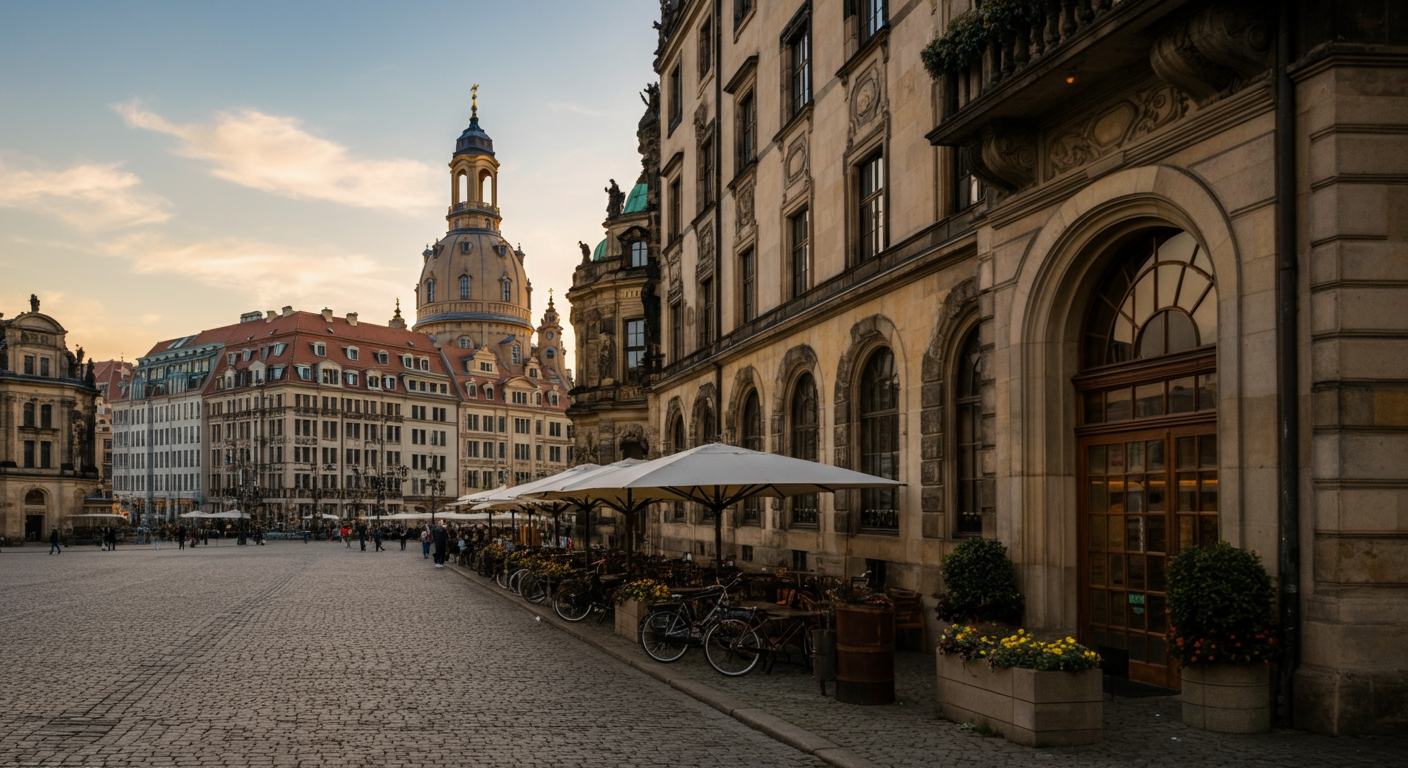
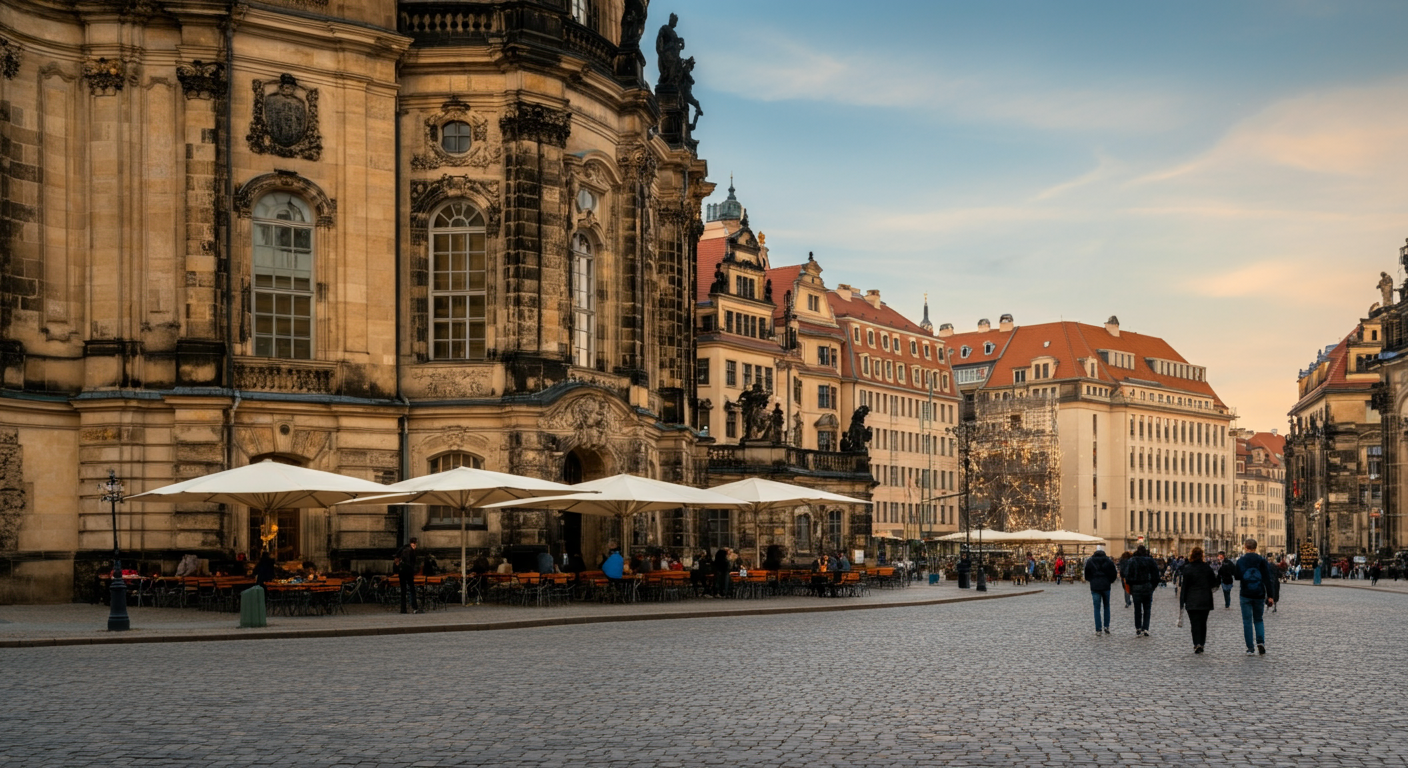
You can experience this unmistakable atmosphere in Dresden at the Weinrestaurant Dornblüte.
That said, it's clear that not every wine tavern in the country can be located in a wine region. Where this isn't the case, a selection of wines from the wine regions is bought in and served instead. Two different strategies tend to be followed here:
Either wines are sourced exclusively from the nearest wine-growing area, or — the second option — fine wines are selected from more than one of the 13 wine regions.
Especially with this broader geographical selection, you'll often find wines from abroad on the wine list too — from Italy, Spain or France, for example, as well as from overseas.
What's on Offer in Dresden
Thanks to the close ties between wine taverns and wine estates, serving local wines is naturally a matter of honour! Of course, every wine on the list is carefully chosen, as space in wine taverns is usually limited. Wines from various nearby vineyards are poured in these taverns, helping more visitors discover the wine — and quite possibly take a case or two home with them.
Several taverns even dedicate an entire section of their menu to so-called guest wines.
For legal reasons, menus in wine taverns tend to be quite modest. Generally, only dishes that require little preparation may be served alongside wine. This is the case at the Winzerstube "Zum Rebstock".
In the small part of Hesse and in the French-influenced south-west of Rhineland-Palatinate, Flammkuchen and Zwiebelkuchen (onion tart) — the latter only during grape harvest season, served with so-called Federweißer, a young wine — are among the regional classics on the menu.
So-called Spundekäs, a soft cheese spread usually served with hearty bread, can be found in almost every tavern in the Rheingau and Rheinhessen regions in the north-east of Rhineland-Palatinate.
In Franconia, particularly along the Main, "Kochkäse" (cooked cheese), "blaue Zipfel" (sausages poached in vinegar broth) or "angemachte Camembert" (seasoned Camembert) are menu staples.
In the Saxony wine-growing region, you'll be served Fettbemmchen, a baguette spread with pork dripping.
You'll generally also find bacon-wrapped dates, feta cheese, mixed — usually Mediterranean — platters, or sausage salad with bread. Winzerplatten (winegrower's platters) are very common in wine taverns and are essentially just cold cuts or cheese platters.
Wines for Dresden
The villages in and around the wine regions have — in some cases for many centuries — been shaped by the cultivation of the surrounding vineyards. As a result, the historic village centres are a delight, with lovingly restored half-timbered buildings and romantic lanes that invite you to linger.
Individual buildings or entire village centres are sometimes listed as heritage sites. The surroundings of the wine villages are also often well worth admiring.
Sweeping field paths through the vineyards and hiking trails are both romantic and challenging in equal measure. Along the way, you'll find many ruined castles, palaces and fortresses.
A sea of vines and often forest too — that's what you'll see when looking out over the surrounding landscape from up there: lush green in summer, and in autumn a mosaic of glorious colours, from rich yellows and oranges to deep red.
The Wine-Growing Regions
As mentioned above, most wine-growing areas lie in the south-west of Germany. Aside from Saale-Unstrut and Saxony, all the wine regions are located in Hesse, Baden-Württemberg or Rhineland-Palatinate. But what makes each region so unique? Which wine region produces the best red or white wine? And why is Goldriesling so special, for instance? Here's the explanation:
Germany's largest wine-growing region is Rheinhessen, covering around 26,000 hectares. This makes up a good quarter of Germany's total vineyard area of 100,000 hectares.
The mild climate and varied soils provide ideal conditions for white wines. Rheinhessen is home to the world's largest area under cultivation for Silvaner.
The second-largest wine region is the Pfalz, covering around 23,000 hectares. The varied soils and consistently mild climate along the German Wine Route allow both white and red wines to flourish here. The main grape varieties grown here are Müller-Thurgau, Dornfelder and Riesling.
The Baden wine region is considerably smaller, at just under 16,000 hectares, yet at 400 kilometres it's the longest. According to an EU regulation, Baden is the warmest of all Germany's wine regions in terms of climate. Burgundy varieties are mainly grown here, with half the yield made up of Pinot Gris/Ruländer, Pinot Noir and Pinot Blanc.
Württemberg is a wine region of around 11,000 hectares, where the red grape varieties Trollinger, Schwarzriesling and Lemberger are grown. The region's speciality is Rotling, also known as Schillerwein. This wine is produced by pressing red and white grapes together. Because of its colour, it's often mistaken for a rosé.
The Mosel, the world's largest steep-slope wine-growing region, covers around 9,000 hectares and boasts the steepest vineyard in the world, with a gradient of 65 degrees.
Ahr, Franconia, Rheingau and Others
The Franconia wine region covers around 6,000 hectares. It's also home to the world's largest Riesling-growing area. White wine accounts for 80% of Franconia's vineyard area, with Silvaner and Müller-Thurgau the most widely grown varieties. Premium Franconian wines are bottled in flat, round-bellied bottles with a short neck — the Bocksbeutel is highly distinctive of this region.
With just over 4,000 hectares, the Nahe wine region is a dream for winegrowers. Thanks to past volcanic activity, around 180 different soil types can be found here. This diversity is reflected in the wines: both white varieties such as Riesling and Müller-Thurgau, and red varieties such as Pinot Noir and Dornfelder, thrive here.
In the Rheingau region, Riesling is the main grape used to produce white wine. In this 3,000-hectare wine region, Riesling accounts for around 80% of the wine produced. It's also home to Germany's largest contiguous area of Pinot Noir cultivation.
The Saale-Unstrut wine region is the larger of the two wine-growing areas located in the former East Germany. It's also the northernmost of Germany's wine regions. At just about 800 hectares, it's considerably smaller than the Rheingau. Silvaner and Müller-Thurgau are the main varieties grown here, as the northern climate favours mainly early to mid-ripening varieties. White wines make up three-quarters of the total yield.
In the Ahr region, almost exclusively red wine is grown — more than in any other region — despite its small area of just 560 hectares. Thanks to its slate soil, it provides an excellent basis for top-quality wines, particularly Pinot Noir.
Smaller Wine-Growing Regions
Goldriesling: as it's only grown in Germany in the 500-hectare region of Saxony, it's a genuine rarity. Saxony is the easternmost wine region in the country. Alongside the distinctive Goldriesling, Pinot Blanc, Pinot Gris and Traminer are also widely grown.
In the Mittelrhein wine region, cultivation is very time-consuming and costly. The sun shines ideally on the steep terraces, making the winegrowers' efforts truly worthwhile. This particularly benefits Riesling, which accounts for a good 60% of the total yield.
The Hessische Bergstraße is the smallest wine region, at just 460 hectares. Around 50% of the annual yield comes from Riesling. The red wine from this region is also highly regarded everywhere.
That concludes our information for Dresden and specifically on Germany's 13 wine regions. We hope this blog article has helped give you an overview of the country's wine taverns and wine-growing regions. Enjoy exploring.

Daniel Krüger
Daniel erkundet am liebsten das Naheliegende: Tagestouren, kleine Städte, Wanderwege und Orte, an denen man sonst vorbeifährt. Er ist überzeugt, dass die interessantesten Entdeckungen selten mehr als eine Autostunde entfernt liegen.