Frankfurt
A Journey Through the Fascinating World of Fine Dining
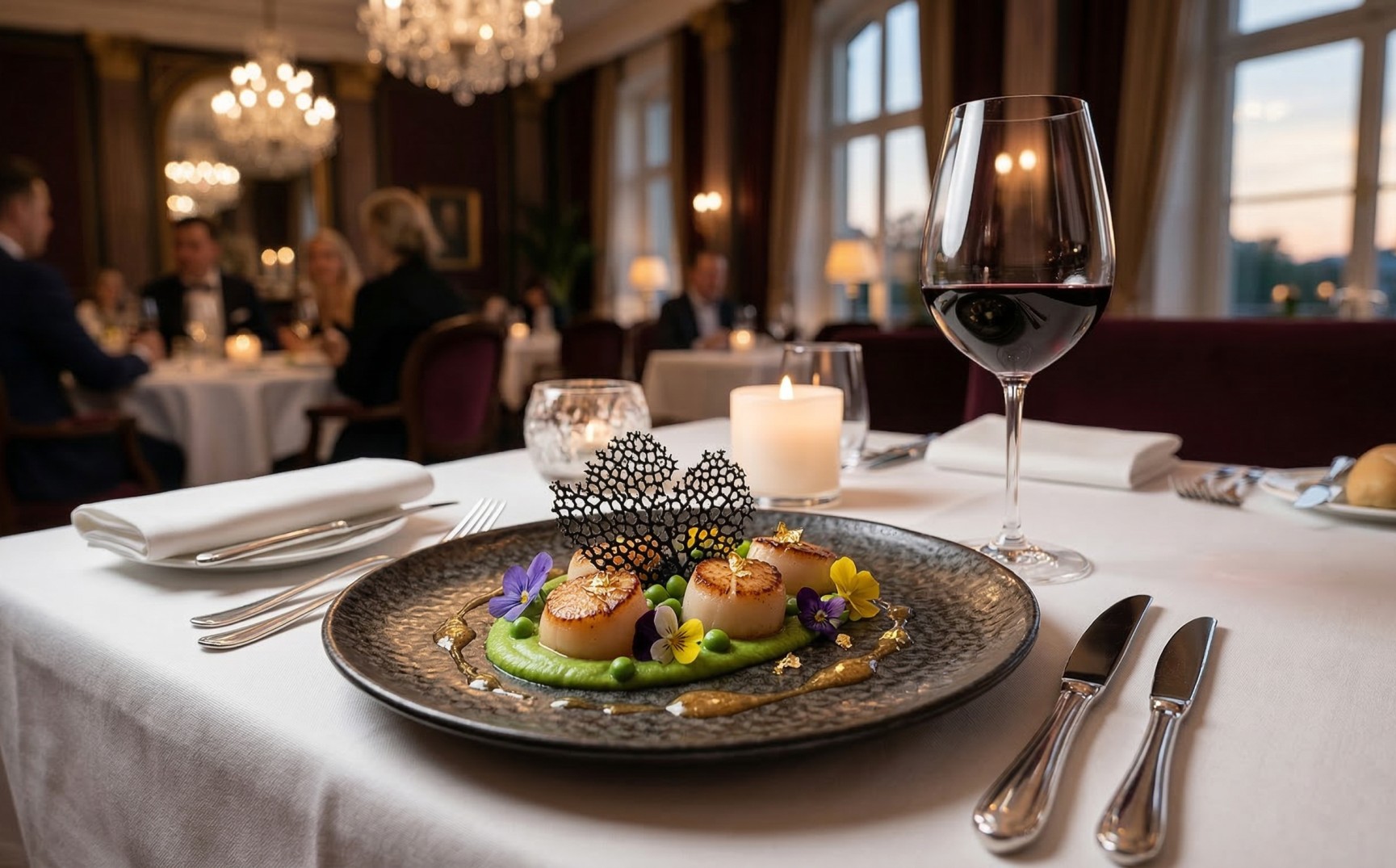
Fine dining is far more than the pure and simple satisfaction of a basic human need for food; it is the ultimate, undisputed supreme discipline of the culinary arts and a positively transcendent experience for every sense of the human body. In the fascinating, often hermetically sealed world of fine dining, centuries-old, perfected craftsmanship, boundless artistic vision and an almost obsessive, unconditional devotion to the product fuse into a fleeting yet unforgettable total work of art. Anyone who embarks on an evening at a genuine, internationally acclaimed top restaurant is not looking for mere satiety or a quick meal, but sets out on a profound emotional and intellectual journey that challenges the palate in unimagined ways, stimulates the mind and touches the soul. It is a meticulously and painstakingly staged piece of theatre, in which the state-of-the-art kitchen is the glowing stage, the highly focused chefs are the restless artists and visionaries, and the expectant guest plays the absolute, undisputed leading role. Every last detail, from the exact, to-the-degree temperature of the home-baked bread to the precise tilt of the hand-blown wine glass, is the final result of years of profound reflection and countless rigorous trial runs, aimed at raising the fleeting moment of enjoyment to absolute, imperishable perfection and anchoring it in the guest's memory for ever.
In our world today, increasingly shaped by incessant hurry, constant digital overstimulation and an extremely fast-moving, unreflective consumption, a long evening of fine dining forms a rare, invaluable and urgently needed counterweight of absolute, deep deceleration. As soon as the heavy, soundproofed doors of a gourmet restaurant close gently behind the guest, the deafening noise of everyday life is left outside instantly and irrevocably, and time itself seems to lose its pressing importance as one sinks into a safe, warm cocoon of luxury, absolute discretion and undivided, empathetic attention. The atmosphere in these established temples of good taste is marked by a calming, almost meditative aura that allows the guest to concentrate completely on the here and now, on the complex aromas, the surprising textures and the inspiring conversations with fellow diners, without being disturbed by outside influences. This conscious, deep and undisturbed focus on the pure moment and perfected enjoyment has become a genuine, rare privilege in the modern high-performance society, one that the hosts protect, nurture and celebrate with the greatest respect, deep gratitude and tireless attention to detail. It is a sacred space in which enjoyment is regarded as a serious cultural achievement worth protecting and is practised with the greatest seriousness.
The absolute essence and irrefutable foundation of this incomparable experience lie, undeniably, in the uncompromising, unconditional quality of the products used and in the profound, almost philosophical approach of the leading head chefs of our time. The modern protagonists at the stove are long since no longer mere executing craftsmen who doggedly and unreflectingly work through long-established recipes; they are rather interdisciplinary visionaries, analytical scientists, preserving historians and emotional storytellers in a single person, who convey deep personal messages, cultural identities and long-forgotten emotional memories through their complex, multi-layered menus. Every single course that leaves the kitchen is the distilled, pure result of literally hundreds of hours of intensive research, daring experiments and constant, millimetre-precise refinements, until the exact, floating balance between delicate sweetness, sharp acidity, maritime saltiness, earthy bitterness and deep, satisfying umami is reached. Day after day they work hand in hand with the very best, most passionate producers, farmers, hunters and fishermen in the world to find rare, pristine ingredients that are absolutely unsurpassed in their natural purity, uncompromising freshness and explosive intensity of flavour, and through their masterly, respectful preparation they pay these flawless products the greatest tribute that gastronomy has to offer.
This exceptionally comprehensive, detailed and thoroughly researched guide earnestly invites you to look deep behind the often closed, mysterious scenes of the dazzling world of fine dining and to understand the immensely complex, interlocking mechanisms that turn an outstanding meal into a truly magical, life-changing experience. Together we will explore the revolutionary, breathtaking evolution of modern cooking techniques, demystify the immense and often misunderstood significance of legendary distinctions such as the coveted Michelin stars, and shed light in depth on the increasingly central, indispensable role of radical sustainability and strict regionality in modern haute cuisine. In addition, we turn to the art, often underestimated by laypeople but absolutely essential to success, of perfect, invisible and choreographed service, the complex, centuries-old world of wine culture and intellectual sommelier expertise, as well as the immense psychological, subconscious effect of thoughtful architecture, lighting design and interior design on our physical perception of taste. Prepare yourself mentally and sensorially to rediscover fine dining in all its fascinating, almost infinite facets and to understand why a perfectly conceived and flawlessly executed menu has the incredible power to move us lastingly on a deeply emotional, almost spiritual level.
1. The Evolution of Modern Cuisine: Innovation and Avant-Garde on the Plate
The historical evolution of so-called haute cuisine is an enormously fascinating, eventful story of dogmatic, rigid tradition, bold, uncompromising rebellion and tireless, almost restless progressive thinking, spanning many centuries of human history. While classic French cuisine, shaped over generations chiefly by legendary, larger-than-life figures such as Auguste Escoffier and later by the charismatic Paul Bocuse, was still based on very strict, military hierarchies in the kitchen, heavy, incredibly butter-laden sauces and a rigid, immovable set of rules for preparation, the global gastronomic world experienced an unprecedented, positively explosive and radical revolution over the last three decades. Pioneers of the culinary avant-garde, above all the visionary, almost genius-like Spaniard Ferran Adrià with his now mythical, sadly closed restaurant El Bulli on the Costa Brava, boldly tore down the thick, old walls of tradition and literally deconstructed everything that had until then been considered irrefutable culinary truth, to give birth to the era of molecular gastronomy. This profound, irreversible culinary emancipation finally freed ambitious head chefs from the narrow, dusty corset of the past and elevated them to genuine, free-thinking and intellectual artists, who used scientific methods to transform traditional, familiar flavour profiles into entirely new, unexpected and often cognitively irritating states of matter, in which liquid olives became spheres and solid aromas dissolved into fleeting smoke.
A particularly striking, unmissable aspect of this modernised, high-tech cuisine is the deliberate, almost ascetic reduction to the absolute essentials, paired with the use of techniques reminiscent of modern laboratories, such as fermentation, cryotechnology with liquid nitrogen or extremely precise sous-vide cooking. Instead of overloading the expensive porcelain plate, visually and in flavour, with countless competing components, heavy side dishes and overladen garnishes, many of today's top chefs deliberately concentrate on very few ingredients, prepared in absolute perfection and matched to each other with millimetre precision, whose natural essence is amplified by these techniques. This demands of the kitchen brigade an incredibly deep, almost molecular understanding of the chemical and physical properties of the respective products, as well as a masterly, flawless command of the state-of-the-art kitchen equipment, which leaves no room for the slightest error. The supreme, indispensable aim of this purist approach is not to mask the pure, unadulterated natural flavour of the carefully selected ingredients, but to make it shine, to distil it and, through carefully placed, precise aromatic accents, to drive it to unprecedented heights, which lends modern gourmet cuisine an undreamt-of elegance, intellectual depth and clarity of flavour.
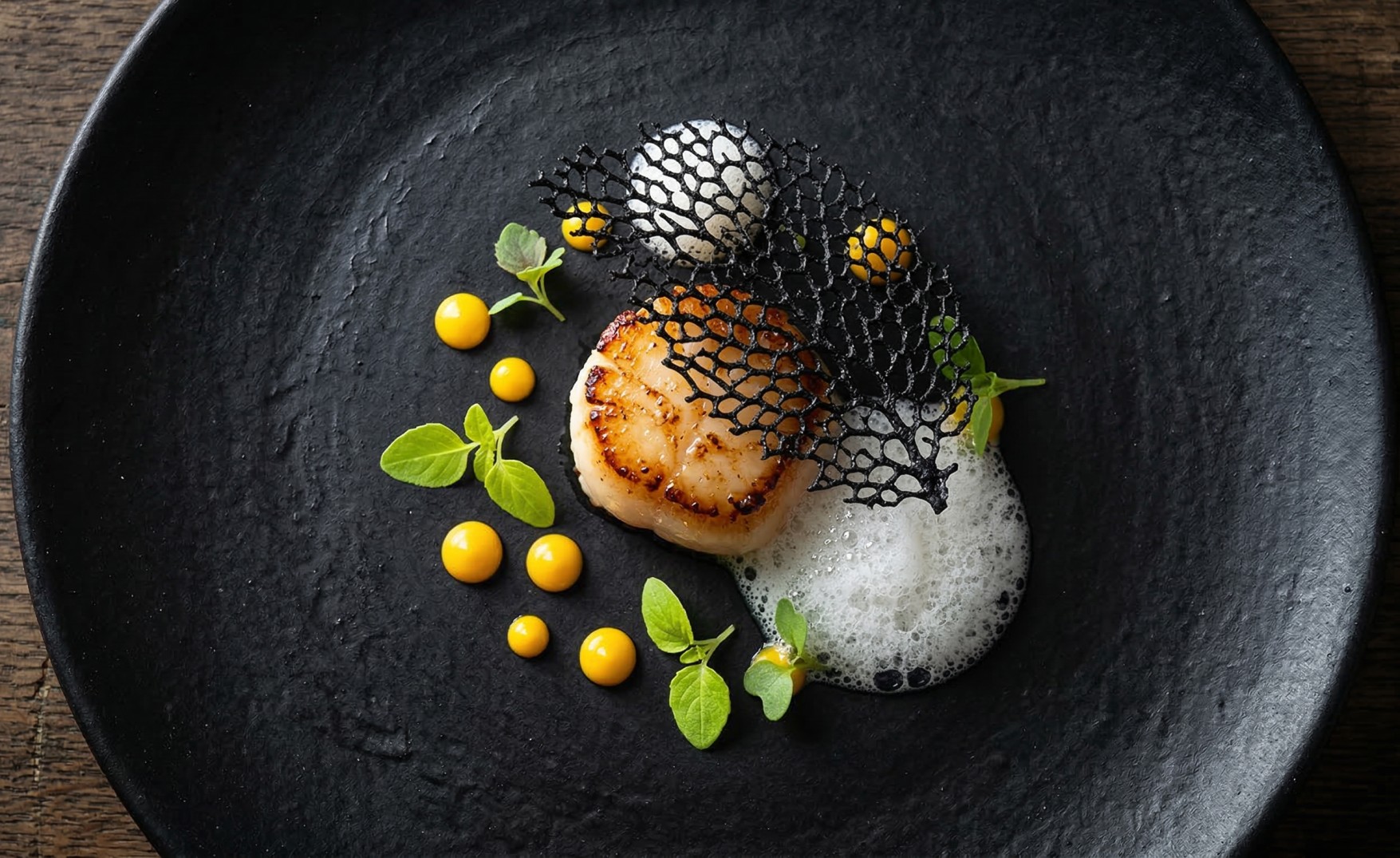
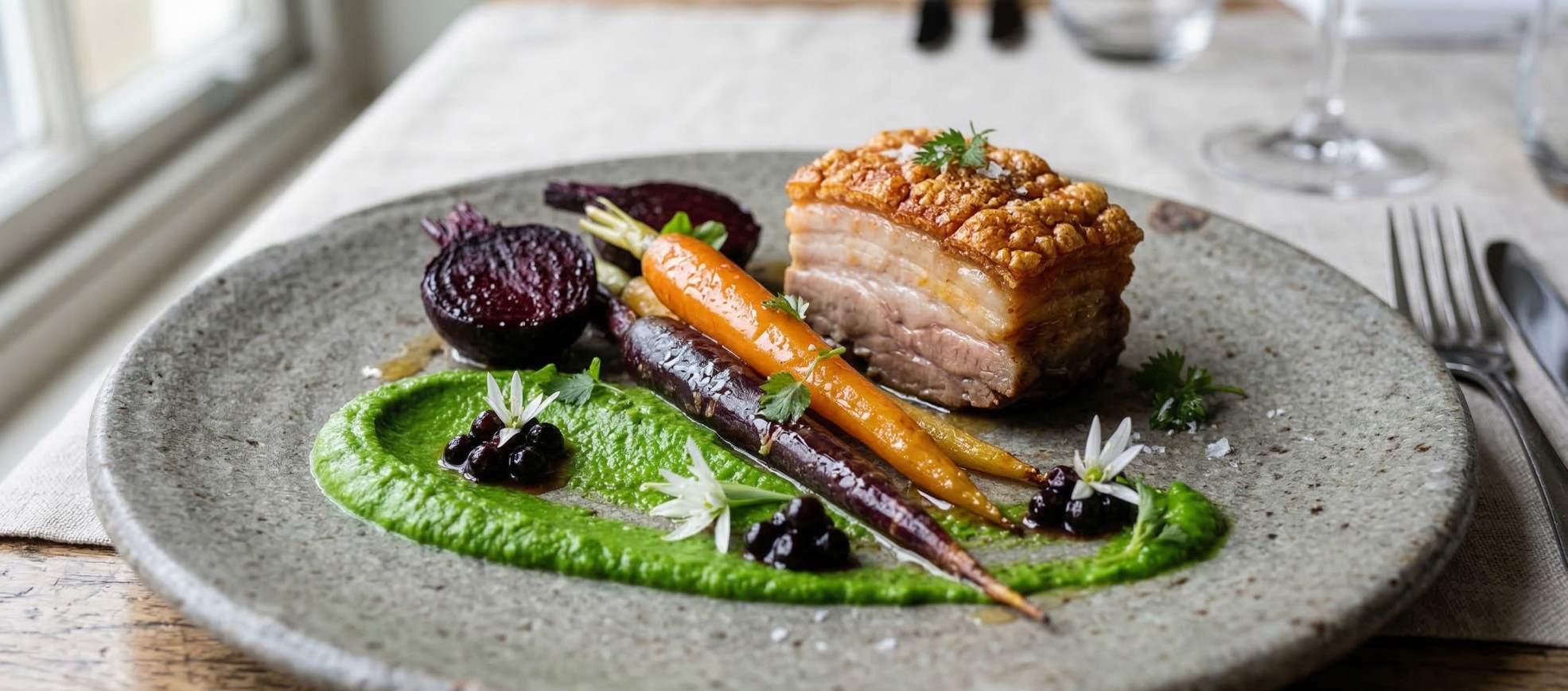
Beyond that, the visual presentation of dishes, so-called “plating”, has developed in the modern fine dining scene into a completely independent, highly respected art form that is in no way inferior to the principles of fine art and is often inspired by Japanese aesthetics or Scandinavian minimalism. The plates, which nowadays often no longer consist of classic white porcelain but of custom-made, raw ceramic, solid stone, dark wood or even smooth slate, are regarded by chefs as untouched, empty canvases on which colours, geometric shapes and aromatic scents merge into a harmonious, breathtaking total work of art. With tiny, surgical tweezers, delicate micro-herbs, edible petals and wafer-thin, crisp textures (so-called tuiles) are placed with almost trembling precision, and the deliberately unused space on the plate, the so-called “negative space”, plays just as important a framing role as the food itself. This enormous, time-consuming visual innovative power is the tireless engine of fine dining, ensuring that every course first seduces the eye and fascinates the mind before it finally conquers the palate of the astonished guest with an explosion of aromas and stays in the memory for ever.
2. The Significance of Awards: The Myth of the Michelin Stars
The iconic Michelin star, awarded by the tyre manufacturer of the same name, originally from France, is regarded worldwide as entirely undisputedly the absolute Olympus of the culinary world, the Holy Grail of gastronomy, which thousands of chefs strive for all their lives and for which they make immense personal and financial sacrifices. For ambitious head chefs, the ceremonial, often tearful award of a first star is the long-awaited crowning of their hard, sacrifice-filled career, an accolade that catapults them into the international elite overnight, while for the discerning, travelling guest it represents by far the most reliable, most objective sign of exceptional, verified quality. The mysterious, strictly anonymous inspectors of the legendary Guide Michelin, whose true identity often remains hidden even from their own families, travel tirelessly around the globe and assess restaurants according to five iron, incorruptible criteria: the absolute quality and freshness of the products used, the flawless mastery of preparation techniques and the harmony of flavours, the unmistakable, personal signature of the head chef, the value for money offered and, hardest of all to achieve, the absolute, unshakeable consistency of performance across all visits. A single Michelin star stands, in the official definition, for “a very good restaurant”, a proud two stars signal “excellent cooking, worth a detour”, and the extremely rare, positively mythical three stars guarantee “exceptional cuisine, worth a special journey”, for which enthusiasts are prepared to fly halfway around the world.
This relentless pursuit of stars and other renowned distinctions, such as the coveted toques of Gault&Millau, accompanied by enormous media presence, shapes and drives the global fine dining scene to an extent that is hard for outsiders to grasp. Kitchen brigades in star-rated restaurants often work sixteen hours a day, six days a week, in an environment of extreme psychological and physical pressure, almost tirelessly and with iron discipline, to achieve and maintain the absolute, inhuman perfection that is imperative for such a high-calibre distinction. Yet a Michelin star is not only a glittering honour and a guarantee of tables booked out months in advance, but also an immense, leaden obligation that not infrequently leads to the complete exhaustion of those responsible. The expectations of guests, who often dig deep into their pockets to experience this luxury, are positively astronomical after the award, and the daily, paralysing pressure of failing to maintain the exceptional quality on even a single bad evening can drive the working atmosphere in the already hot and loud kitchens to the absolute breaking point.
For the guest, on the other hand, a visit to a multiple-award-winning star-rated restaurant means far more than the mere consumption of expensive, excellently prepared food; it is a guarantee of a holistic, perfectly staged experience in which absolute reliability and the highest craftsmanship take centre stage. Many of these most highly decorated restaurants are distinguished by an extremely well-thought-out, coherent and holistic concept that, besides the actual, often twelve-course tasting menu, presents flawless service, the carefully curated, luxurious ambience and a wine list of almost unimaginable depth and quality at exactly the same astronomical level. Despite the undeniable, objective and strictly verified quality that a Michelin star certifies, the personal experience of taste always remains a deeply subjective, emotional experience too, which means that the passionate discussion among gourmets about the awarding or withdrawal of particular stars is never exhausted, and the gastronomic landscape thereby stays so lively, debate-loving and exciting. Ultimately, the stars are valuable, historic beacons in an ever more confusing global gastronomic ocean, unerringly pointing us the way to the most extraordinary, most passionate and most talented culinary minds of our time.
3. Radical Sustainability and Regionality: The Origin of True Flavour
The fundamental, once revolutionary and now ubiquitous concept of sustainability is long since no longer a fleeting, niche trend or a clever marketing gimmick in international fine dining, but has developed into an absolute, non-negotiable and integral part of the modern fine dining philosophy. Only a few decades ago, luxury on the plate was defined almost exclusively by the import of expensive, rare and often ethically questionable ingredients such as Russian beluga caviar, force-fed goose liver (foie gras) from France or exotic fruits flown halfway around the world. Today, by contrast, the world's leading head chefs take real, far-reaching responsibility for our planet and increasingly rely on a radical, uncompromising championing of regional, seasonal and ethically defensible products. This purist philosophy, often called “farm-to-table”, not only guarantees the guest the absolute maximum, unsurpassed freshness and density of flavour in the ingredients, but also massively supports local agriculture, promotes the preservation of biodiversity and, through extremely shortened supply routes, reduces harmful CO2 emissions to an absolute, defensible minimum, which washes the enjoyment morally clean as well.
Many of the most influential, highly decorated gourmet restaurants of the present day work in an extremely close, almost symbiotic and friendly relationship with small, independent farmers, passionate local fishermen, responsible hunters and traditionally working butchers from the immediate geographical surroundings. Some pioneers of the industry even go so far as to run their own extensive farms and huge, organically managed greenhouses, or to employ full-time foragers who head out daily deep into the surrounding forests and onto wild stretches of coast to gather rare, wild herbs, unfamiliar mushrooms, lichens and aromatic berries for the evening's menu. This intensive, respectful return to one's own geographical roots and to the microclimate (terroir) of a specific region gives modern gourmet cuisine an immensely honest, raw and deeply authentic note. It also forces chefs into immense, unprecedented creativity, since they must submit unconditionally to the strict, unyielding dictates of the respective seasons and can only work with what nature freely yields at precisely that fleeting moment at the peak of its ripeness.
The profound, ethical trend towards sustainability is also evident in a far more creative, respectful and holistic processing of the laboriously sourced products directly in the kitchen, where the concept of avoiding waste is raised to the supreme premise. So-called “nose-to-tail” (from snout to tail) and “leaf-to-root” concepts, in which, out of deepest respect for life and nature, literally the entire animal or the entire, complete plant is used without any remainder, are today the absolute gold standard in top kitchens. Head chefs use highly complex, time-consuming and innovative techniques such as controlled fermenting, curing or slow, days-long dehydrating to transform even the supposedly inferior trimmings, peelings or offal, once carelessly thrown away, into absolute, unexpected culinary highlights and explosions of flavour. This not only bears witness to a deeply felt respect for the sacrificed product, but for the experimental guest also leads to entirely new, surprising and highly aromatic flavour experiences, which prove that true culinary excellence and an ecologically responsible conscience can exist in perfect, inseparable harmony with each other.
4. The Art of Invisible Service: Perfect Choreography Around the Guest
A truly first-class, unforgettable and in every respect perfect fine dining experience is never defined solely by the quality and refinement of the food alone, however high, but is always decisively shaped by the unobtrusive yet omnipresent quality of the service. Service in restaurants of the very highest class is a highly developed art form in its own right, an invisible, flawless choreography that combines the highest professionalism, absolute discretion, deep psychological empathy and genuine, unaffected warmth in a unique way. The ultimate, unwritten aim of every first-class service brigade is to read the guest's every smallest, unspoken wish literally from their eyes, before they have even fully formulated and spoken the thought. The service in such an establishment is always highly attentive and present, glides almost silently through the room, yet never becomes even remotely intrusive or preachy. An outstanding maître d' and his well-trained, loyally bonded team create, through their mere, reassuring presence, a safe, warm atmosphere in which the guest feels deeply welcome, honestly valued and completely, entirely carefree from the very first moment.
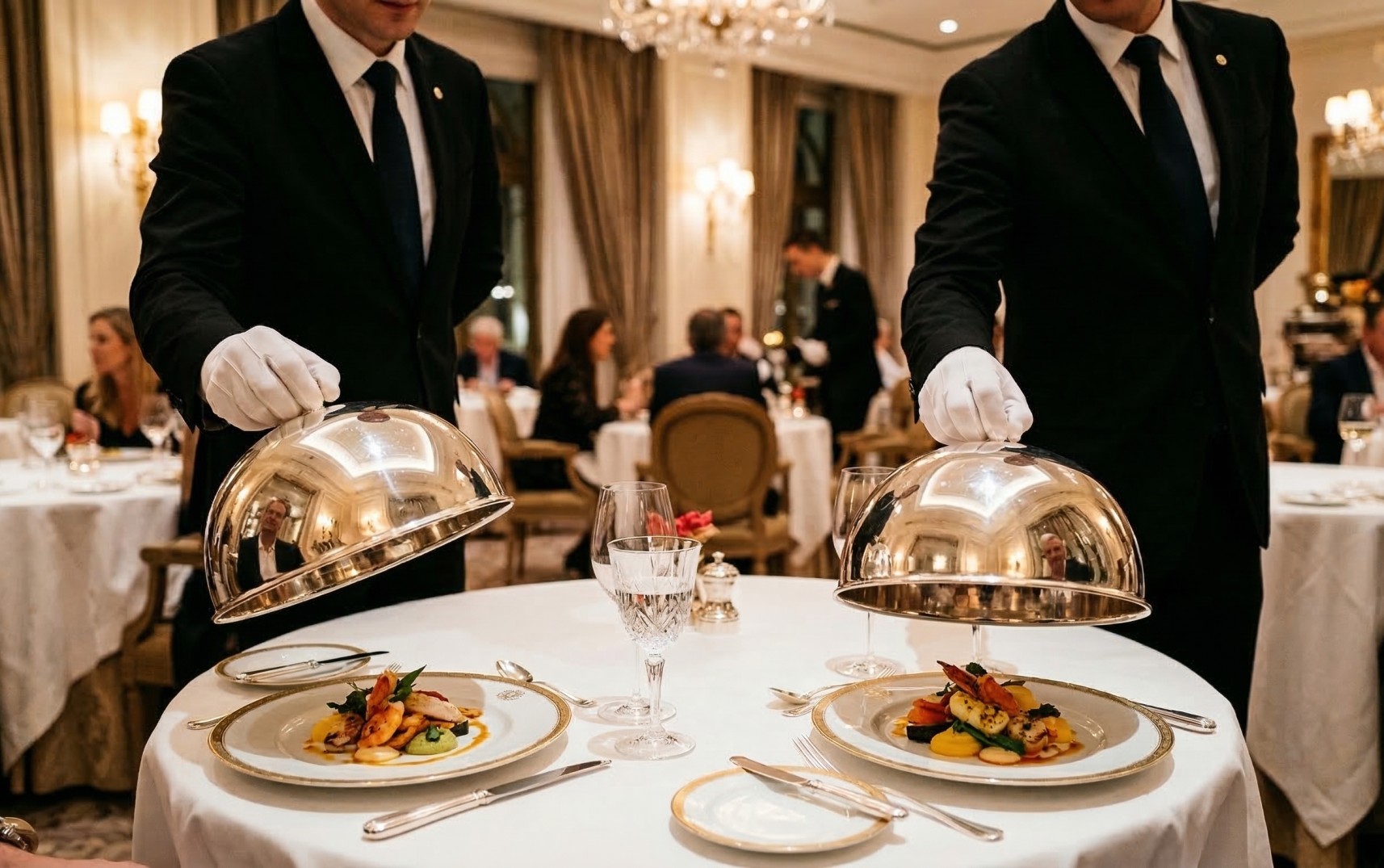
The daily, hourly tasks of the service team in the top fine dining segment are far more varied, more complex and more physically and mentally demanding than the relaxed guest at their table could ever imagine. They range from highly expert, detailed advice, tailored to the guest's preferences, on the often overwhelming choice of food and wine, through the technically perfect, flawless carving, filleting or flambéing of dishes directly at the guest's table, to the split-second, meticulously planned coordination of the entire, hours-long sequence between the dining room (front of house) and the hectic kitchen (back of house). Every single movement, every top-up of water, every clearing of a plate is executed with millimetre precision, every movement of the waiters is elegantly choreographed like a classical ballet and perfected through countless training sessions. Truly excellent, flawless service is the saving, invisible silken thread that weaves the many different, potentially error-prone elements of the evening into a seamless, harmonious overall experience and ensures that the complex illusion of the perfect evening never cracks at any single moment.
In modern, contemporary fine dining, a highly welcome, noticeable change has also taken place in recent years, making service even more accessible, approachable and human. The days of stiff, arrogant and consistently formal service staff in white gloves, who acted condescendingly and intimidated the guest, are, fortunately, finally over in most modern star-rated restaurants. Today it is rather about authentic, sincere hospitality, about deftly and psychologically breaking the ice and about giving the guest the reassuring feeling of being a guest of good but extremely competent friends in their private living room, without losing a single spark of the professionalism required. Waiters today often act as enthusiastic, passionate storytellers who, with shining eyes, explain the complex origin of the rare ingredients and the head chef's fascinating, philosophical thinking behind each individual course, thereby giving the culinary experience an additional, valuable intellectual and deeply emotional dimension that goes far beyond the mere act of eating.
5. Wine Culture and Sommelier Expertise: Liquid Perfection in the Glass
The complex, centuries-old wine culture is an absolutely indispensable, fundamental part of the holistic fine dining experience and often contributes as much to the success of an evening as the food itself. A wine list curated with the greatest care, deep expertise and often over decades, tended like a precious historic archive, is the beating heart of every fine restaurant and offers the essential, perfect liquid accompaniment to the highly complex culinary creations of the respective head chef. The real, challenging art here, however, lies not in merely hoarding expensive labels, but rather in finding, among the endless shelves of the cellar, exactly those wines that do not drown out the delicate flavours of the dishes on the plate but subtly underline them, complement them harmoniously, or enrich them in a positively spectacular way through bold, unexpected and exciting aromatic contrasts. A truly successful, intellectually considered wine pairing is a continuous, fascinating dialogue between the plate and the thin-walled crystal glass, a constant give and take of acidity, sweetness, tannins and fat that lifts the guest's enjoyment to an entirely new level of sensory perception, hard to put into words.
The sommelier, who once acted merely as a simple wine waiter, today plays an absolutely decisive, irreplaceable role in this highly complex, aromatic structure. He is the undisputed, walking expert, the chemist and the historian of the dining room, who guides guests, often overwhelmed by the sheer choice, with immense, well-founded expertise, rhetorical skill and burning passion through the seemingly endless, fascinating world of grape varieties, terroirs and vintages. An outstanding, experienced sommelier masterfully understands how to recognise the guests' unspoken preferences and financial budget in a flash through a few targeted questions and to recommend exactly the right wines – be it an extremely classic, safe pairing with mature Bordeaux wines or a bold, highly surprising new discovery from a tiny natural-wine producer in an unknown Eastern European region. His profound expertise, his infallible palate and his ability to explain complex wines clearly and without any arrogance are an absolutely essential, load-bearing part of the fine dining experience and contribute significantly to the deep satisfaction and loyalty of guests.
Yet the world of excellent drinks pairing, in the absolute top class of gastronomy, is nowadays long since no longer limited to fermented grape juice. With the growing social awareness of health and of going without alcohol, sommeliers have expanded their extensive repertoire massively, creatively and extremely innovatively. Highly complex, non-alcoholic pairings in top restaurants are today no longer a loveless compromise of bland fruit juices, but an independent, extremely respected art form. House-made kombuchas are laboriously brewed, rare teas from Asia are cold-extracted (cold brew), complex infusions of herbs and tree bark are simmered and vegetable vinegars (shrubs) are created, to offer the guest who forgoes alcohol an equally profound, sophisticated and aromatic experience on an equal footing. The inclusion of extremely high-quality, unpasteurised Japanese sakes or craft beers brewed specially for the menu also shows the incredible, boundless openness and tireless innovative power with which modern fine dining approaches the subject of perfect, liquid perfection in the glass in a holistic way today.
6. Architecture, Light and Room Acoustics: The Multisensory Stage of Enjoyment
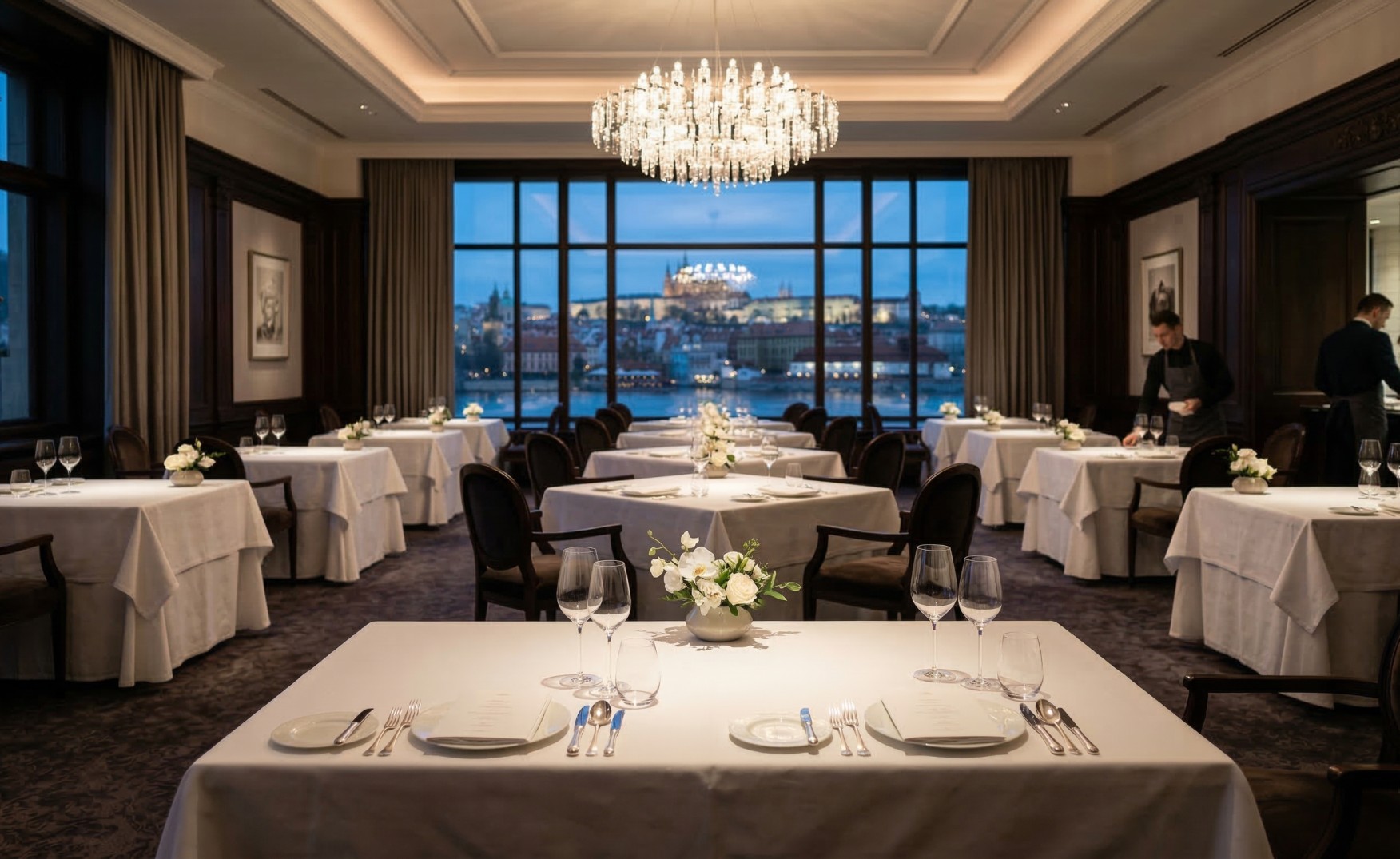
One aspect of fine dining that guests often perceive only subconsciously, but whose effect is all the more intense for it, is the deep psychological and physical significance of architecture, intelligent lighting design and perfected room acoustics. The modern science of neurogastronomy has long since proved beyond doubt that our complex perception of taste never takes place in isolation on the tongue, but is rather a holistic, multisensory process that is massively influenced by the direct physical and aesthetic surroundings of the room. The architecture of a first-class dining room – whether impressively high, majestic ceilings that convey a sublime feeling of boundless freedom and luxury, or intimate, wood-panelled nooks that create a feeling of absolute security, warmth and exclusivity – sets the emotional, psychological keynote for the entire, hours-long evening. The careful, extremely costly selection of the tactile, appealing materials used in the room, such as natural, heavy wood, cooling, smooth marble, deep, soft velvet or brushed, matt brass, communicates to the arriving guest immediately and unmistakably the uncompromising, luxurious standards of the house, before even the first, smallest amuse-bouche has been served.
The intelligent lighting design, often devised by expensive specialists, and the meticulously calculated, invisible room acoustics play an absolutely critical, forgiving role in this highly complex, atmospheric orchestra. The lighting in a top restaurant must never, under any circumstances, seem harsh, cold or uncomfortable; it must rather be calibrated so precisely and masterfully that it makes the elaborately designed, colourful plated dishes in the middle of the table shine like precious, glowing jewels in a spotlight, while the faces of the guests sitting opposite are at the same time bathed in a soft, warm and highly flattering, indirect light that conceals any tiredness. A poor, echoing acoustic can be just as devastating for an otherwise perfect menu; an unpleasantly booming, deafening room destroys any intimacy immediately. Top restaurants therefore invest enormous sums in invisible sound-absorbing panels integrated into ceilings and walls, soft, thick carpets and strategically placed curtains, which cleverly dampen the restless ambient noise but at the same time ensure that discreet, private conversations at one's own table can be held absolutely effortlessly and intimately, without the neighbours listening in.
Beyond that, the guest's immediate, physical and tactile experience at the table is an absolutely essential, often decisive building block of the perfect, undisturbed overall experience. The palpable, reassuring weight and perfect balance of the polished silver cutlery in the hand, the dense, absorbent and luxurious texture of the freshly starched linen tablecloth and napkin, the flawless, wafer-thin delicacy of the mouth-blown crystal glass at the lips and, last but not least, the ergonomic, supportive upholstery of the heavy chairs, which must ensure that the guest feels no signs of fatigue or back pain even after a four-hour, epic menu – all these seemingly tiny, marginal tactile details add up in the guest's subconscious into an unshakeable, deep feeling of complete appreciation, absolute luxury and flawless, all-embracing perfection, which makes the fine difference between a very good and a truly legendary restaurant visit.
Conclusion: Why the Ultimate Fine Dining Experience Creates a Lifelong Memory
The dazzling, complex and endlessly fascinating world of true fine dining is far more than a mere, fleeting sequence of courses; it is a carefully choreographed, profound journey for all the senses whose emotional impact goes far beyond simple physical nourishment. It is a daily, uncompromising staging of craftsmanship excellence, scientific innovation and burning, human passion, presented by highly gifted head chefs, empathetic service staff and encyclopaedically educated sommeliers every day and every evening anew, under immense pressure, at the very highest level worldwide. As this exceptionally detailed, in-depth guide has hopefully shown impressively, true, authentic fine dining today is defined by absolutely unconditional, fanatical product quality, masterly craftsmanship often learned over decades, first-class, invisible service that anticipates wishes, and a highly intelligent wine culture that only then completes the enjoyment. Fine dining in its purest form is a fleeting yet perfect total work of art that inspires the guest intellectually, touches them emotionally and often stays in the memory for a lifetime as a beautiful recollection.
Whether you, as a guest, are seeking the breathtaking technical finesse and avant-garde spirit of modern molecular cuisine, want to rely on the objective, historic security and rated perfection of a multiple Michelin star, appreciate the raw, unvarnished honesty of radically regional products from the surrounding area or want to discover the breathtaking plant-based excellence of modern, emerging vegan fine dining – the world of fine restaurants fortunately offers today, for absolutely every taste, every ethical conviction and every aesthetic preference, the perfectly tailored, incomparable experience. It is the unique, fragile symbiosis of lavish luxury and deep inner well-being, of venerable, preserved tradition and daring, boundary-breaking innovation that sets true fine dining apart so fundamentally from all other forms of gastronomy. Anyone who engages, mentally and financially, with this fascinating, often elitist world is not simply investing their money in a dinner, but acquiring an unforgettable culinary adventure and an emotional experience that broadens their own horizons massively and lastingly.
Today we stand at an incredibly exciting, historic point in the history of gastronomy, at which fine dining is increasingly freeing itself from its old, dusty conventions, the strict dress codes and the often paralysing arrogance of the past and instead turning boldly towards a new, more inclusive future that is no less uncompromising in quality. Chefs today often step out of the closed kitchens to the guest's table, the focus shifts from expensive silver cutlery to the unsurpassed quality of the extremely sustainably produced carrot, and the guest themselves becomes, through this approachability, more and more an active, valued part of the entire, living creative process. This welcome, long overdue democratisation of luxury, which consistently puts the essential – namely pure, unadulterated flavour and genuine, warm hospitality – back at the absolute centre of things, makes fine dining today more alive, more exciting, more ethically defensible and more relevant than it has ever been in its long, tradition-rich history.
On your next, consciously chosen visit to a top restaurant, let yourself be fully inspired by the irrepressible, palpable passion of the chefs, enjoy and appreciate the excellent, hard work of the service staff, and discover, with an open mind and palate, the liquid treasures that the dark cellars and the hot kitchens have ready for you in perfection. We sincerely hope that this detailed, passionate guide has not only given you the theoretical knowledge but also given you a real, unquenchable appetite for the fascinating world of fine dining. Set out on your very own culinary voyage of discovery with alert eyes, an open heart and a curious, unprejudiced palate, celebrate life through good, honest food and, through your conscious choices, help to strengthen in the long term social awareness of culinary excellence, sustainable consumption and genuine craftsmanship. We wish you from the bottom of our hearts an excellent appetite, profound culinary insights and an absolutely unforgettable, magical fine dining experience that you will look back on happily for many years to come.

Sarah Müller
Reise- und Lifestyle-Journalistin