Frankfurt
The Ultimate Guide: How to Find the Top Physiotherapists

Physical wellbeing and pain-free mobility are the absolute cornerstones of our everyday quality of life. In our modern society, often characterised by hours of sitting, stubborn back problems, joint pain and muscular imbalances have long become a widespread phenomenon. When daily life is dictated by physical limitations or chronic pain, life noticeably loses its ease. It is precisely at this critical point that the most effective path to full recovery and restored mobility leads through professional, targeted physiotherapy.
In today's medical landscape, a highly qualified physiotherapist is far more than a practitioner who massages tense muscles. They are an expert with academic or state-recognised training in the complex biomechanics of the human musculoskeletal system. Through targeted physiotherapy, in-depth manual therapy and the use of state-of-the-art rehabilitation methods, they work to restore the body's natural function from the ground up. The focus is not on short-term symptom relief but on meticulous investigation of the cause, in order to guarantee long-term freedom from complaints and to involve the patient actively in the healing process.
However, finding the very best physiotherapy practice near you can prove surprisingly challenging. The range on offer, especially in large cities, whether around the cathedral in Cologne or amid the skyline of Frankfurt, is almost impossibly large, and the differences in quality between individual practices are often immense. An unsuitable therapeutic approach can not only needlessly prolong the crucial healing process but, in the worst case, even lead to chronic, painful postural problems that are difficult to correct later.
This comprehensive guide serves as a reliable compass to help you find not just any practice, but exactly the therapist who is perfectly tailored to your very specific, individual health needs. We delve deep into the quality markers of excellent physiotherapy, look at the widest range of specialised treatment methods and give you valuable tips on how to tell genuine expertise from mere average. Armed with this knowledge, you can make informed decisions about your physical health and lay the foundation for a pain-free, active future.
Core Competencies: What Marks Out a Top Physiotherapist
An outstanding physiotherapist differs from an average practitioner primarily in their in-depth treatment philosophy and their excellent diagnostic skills. While many standard practices often work mechanically through a rigid, pre-set programme, true excellence always begins with a comprehensive, holistic medical history. The therapist takes the time for a precise physical examination that never looks only at the isolated, painful joint but always takes in the entire biomechanical and fascial context of the body. They listen to you actively and empathetically, analyse your individual circumstances and use state-of-the-art functional diagnostics to identify hidden imbalances and unconscious protective postures precisely.
Another unmistakable sign of real quality is the therapist's commitment to their own continuous professional development. Medical research never stands still, and a top expert does not rest on the knowledge of their basic training. They regularly complete demanding, often multi-year and certified additional training in highly specialised areas. Whether it is manual therapy based on internationally recognised concepts, equipment-based physiotherapy or complex neurophysiological treatment methods, this constantly growing, evidence-based expertise feeds directly into your individual treatment plan and secures you the best possible, most up-to-date treatment.
Beyond purely technical and practical expertise, the interpersonal component plays an absolutely decisive, often underestimated role in the ultimate success of the therapy. A top physiotherapist is distinguished by high emotional intelligence and exceptional communication skills. They can explain even highly complex biomechanical relationships to you in easily understandable language, ease your fears and motivate you even in difficult, stagnating phases of rehabilitation. Through targeted "help for self-help", they enable you to play an active part in your own recovery, and they create an atmosphere of absolute trust in which you feel perfectly looked after, both medically and personally.

Manual Therapy: Precision Work on Joints and Tissue
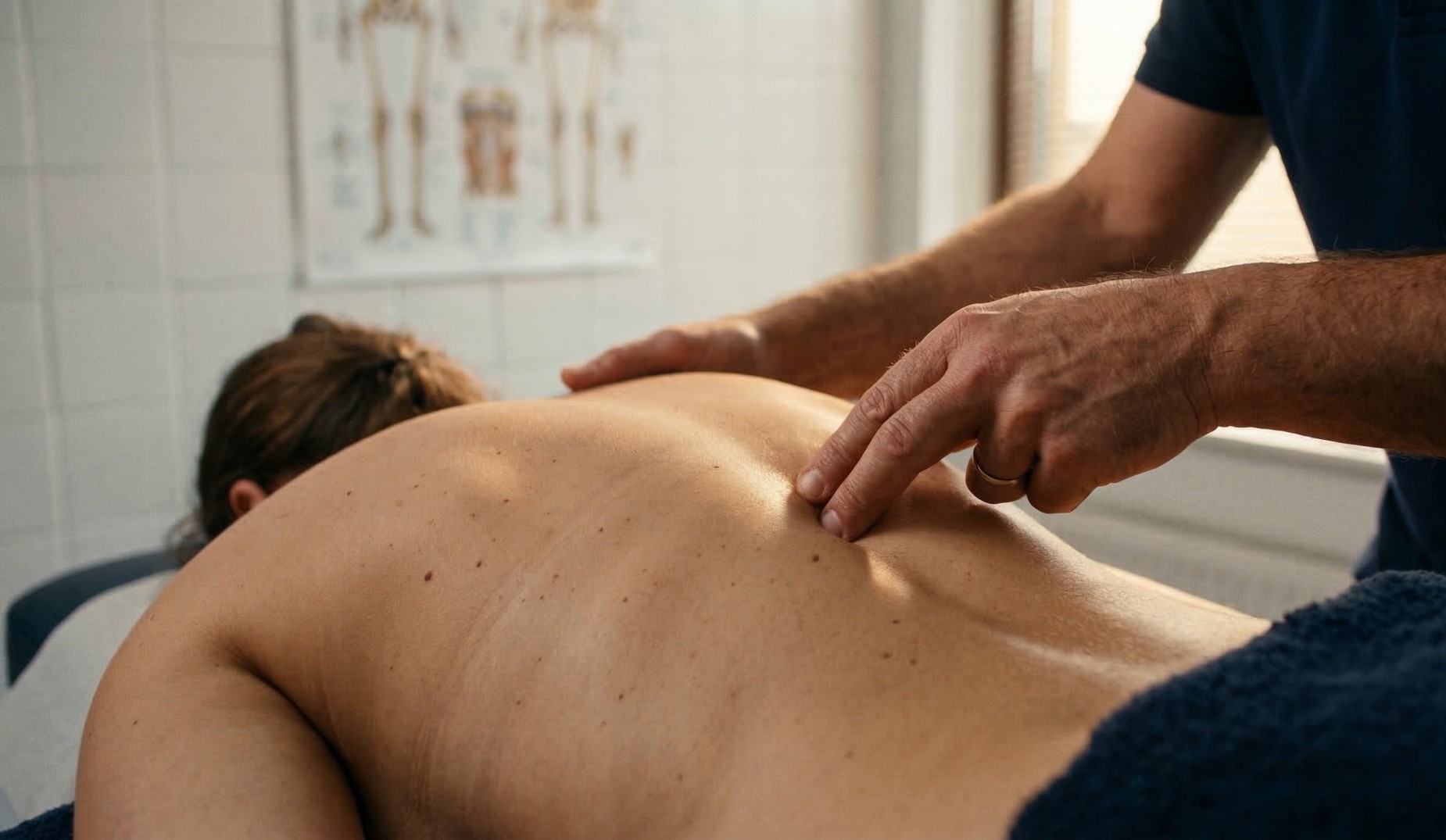
Manual therapy (MT) represents one of the most complex, demanding and at the same time most effective forms of treatment within modern physiotherapy. In its depth and specificity, it goes far beyond general, gentle massage techniques and concentrates on the targeted, highly precise diagnosis and treatment of deep-seated functional disorders of the musculoskeletal system. A therapist who uses this method has completed intensive, multi-year additional training. This enables them to mobilise blocked vertebrae, restricted joints and hardened fascial structures using very specific, often gentle but enormously effective manual techniques, to relieve acute pain significantly and to restore natural, smooth joint function.
The absolute core of manual therapy is the intelligent, fluid combination of passive techniques performed by the therapist and subsequent active exercises by the patient. The therapist uses targeted traction and gliding techniques to reduce pressure in the joint space, apply stretching stimuli to the surrounding joint capsule and normalise blocked neural reflex arcs. The primary aim is to release deep-seated biomechanical blockages permanently and to optimise the neurophysiological control of the affected area. In contrast to surgical procedures, manual therapy is an extremely gentle, conservative approach that activates the body's own self-healing powers in a natural way on a massive scale.
In German healthcare, manual therapy is a highly valued and officially recognised remedy that treating doctors can prescribe specifically where indicated. It is particularly indispensable for complex conditions such as stubborn spinal blockages, early-stage osteoarthritis, after slipped discs or as part of rehabilitation after major joint surgery. However, a top physiotherapist will never view this valuable technique in isolation. They always integrate it as an important building block in a holistic overall treatment plan that necessarily includes active physiotherapy, in order to stabilise the newly gained, pain-free mobility muscularly and effectively prevent future relapses.
Sports Physiotherapy: The Safe Way Back to Peak Performance
Sports physiotherapy is a fascinating, highly specialised and extremely dynamic subfield aimed explicitly at active people of all performance levels, from the ambitious recreational runner to the professional elite athlete. Its focus is by no means only on acute rehabilitation after typical sports injuries such as cruciate ligament tears, severe muscle fibre tears or complex ankle-twisting injuries. Its role in targeted injury prevention and the systematic optimisation of individual athletic performance is just as crucial. A genuine top sports physiotherapist has a deep, detailed understanding of the enormous biomechanical loads of different sports and the complex cellular processes of wound healing under physical stress.
The treatment approach in this specialism is characterised by high intensity and smart progression. In the sensitive, acute phase directly after an injury, consistent pain relief, reduction of swelling and optimal protection of the freshly injured tissue are initially the absolute priority. But the transition to active, demanding forms of therapy usually happens much faster here than in classic physiotherapy. A central element is equipment-based physiotherapy (KGG), in which work is done on high-end medical training machines in order to raise the athlete's maximum strength, strength endurance, intermuscular coordination and proprioception (deep sensitivity) back to a top level in a targeted, sport-specific way.
Outstanding quality in sports physiotherapy shows in a strictly evidence-based, measurable approach. An expert in this field does not rely on the naked eye but uses state-of-the-art screening tools and video-based biomechanical analyses to uncover asymmetric movement patterns and hidden muscular weaknesses. Based on this hard data, they create a dynamic, constantly adapting training plan. This plan increases the load capacity of the tendons, ligaments and muscles gradually and in a controlled way until full, unrestricted sport-specific loading is restored. This ensures a safe "return to sport" without running the dreaded risk of a renewed, more serious injury.

Neurological Physiotherapy: Quality of Life after Stroke and MS
Neurological physiotherapy is dedicated to one of the most sensitive and complex areas of the human body: the central and peripheral nervous system. Patients suffering from neurological conditions such as multiple sclerosis (MS), Parkinson's disease, paraplegia or the serious after-effects of a stroke need extremely specialised, highly qualified care. A top therapist in this field applies specific treatment concepts recognised worldwide, such as Bobath, Vojta or PNF (proprioceptive neuromuscular facilitation). The primary aim here is not to train isolated muscles but to stimulate the brain and nervous system through targeted stimuli to relearn lost movement patterns and build alternative neural connections.
This fascinating principle of neuroplasticity, the brain's ability to reorganise itself structurally and functionally through training, forms the scientific basis of neurological rehabilitation. The therapist uses specific touch, weight shifts and complex movement sequences to inhibit spasticity in paralysed limbs, train balance and fundamentally improve coordination. For a stroke patient, this can mean, for example, reprogramming standing up independently from a wheelchair or safely grasping a coffee cup through months of patient, detailed work. It is a form of therapy that demands the highest concentration, immense precision and deep professional understanding from the practitioner.
In contrast to orthopaedic injuries, which often heal after a few weeks, neurological physiotherapy is generally designed for very long-term, often lifelong care. An excellent therapist in this field is distinguished by unshakeable patience, a high degree of empathy and the ability to celebrate even the smallest progress together with the patient. They work closely networked in an interdisciplinary team of neurologists, occupational therapists and speech therapists, in order to achieve the greatest possible independence and a marked increase in everyday quality of life for the patient and their family.
Temporomandibular Joint Therapy (CMD): When the Bite Stresses the Whole Body
An often completely underestimated and medically highly complex area of application of modern physiotherapy is the treatment of craniomandibular dysfunction, CMD for short. This technical term describes a massive structural, functional and psychological dysregulation of the muscle or joint function of the temporomandibular joints. The symptoms of CMD are extremely deceptive, as they often manifest far from the jaw. Patients complain of inexplicable, chronic headaches, severe neck and shoulder tension, dizzy spells, tormenting tinnitus or even pain radiating as far as the lumbar spine. However, the cause often lies in nocturnal teeth grinding (bruxism), misaligned teeth or enormous everyday stress that is unconsciously discharged in the extremely strong chewing muscles.
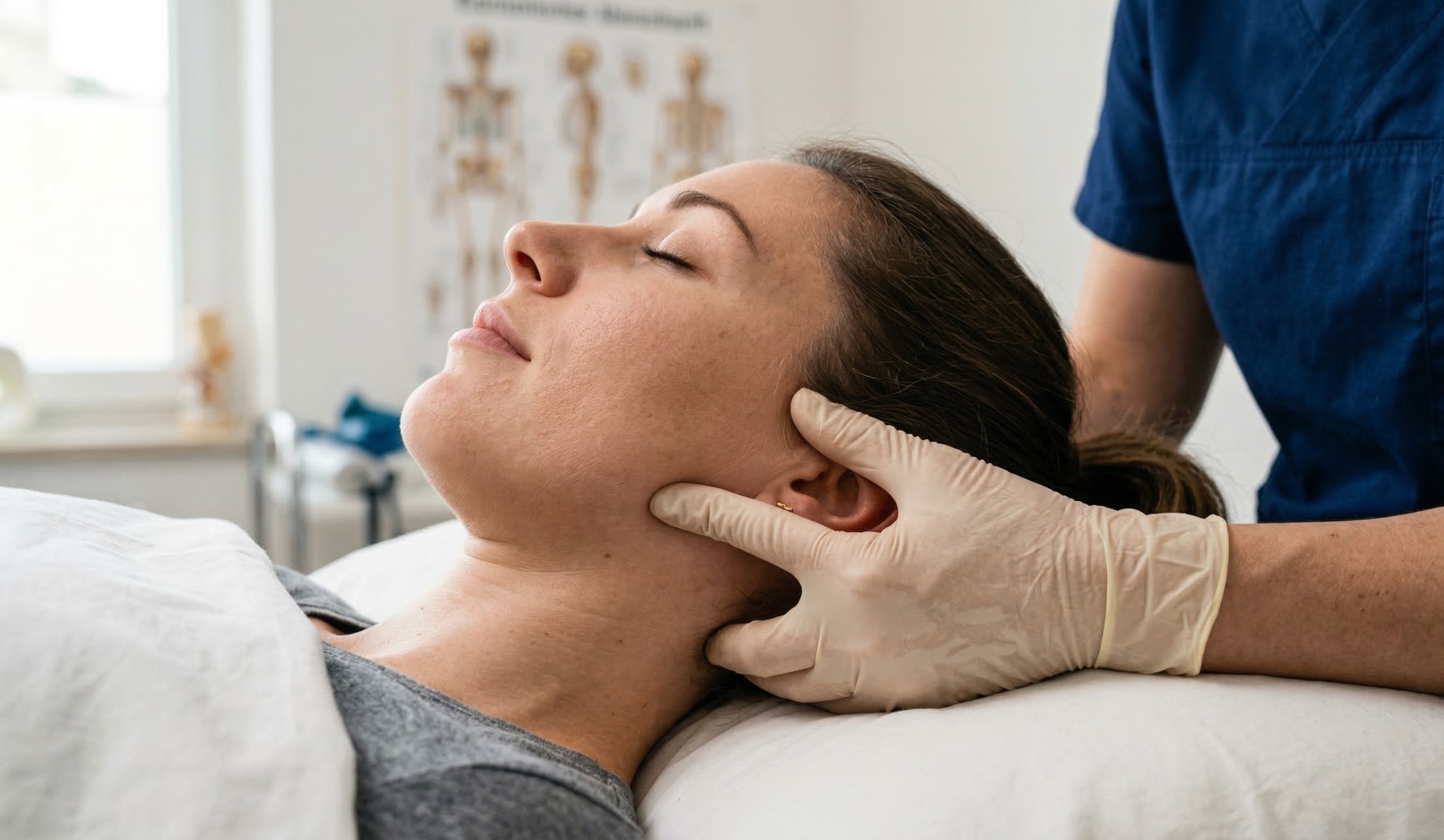
A top physiotherapist specially trained in CMD never views the jaw joint in isolation but understands it as an integral, highly sensitive part of the body's overall posture. The treatment includes highly precise manual techniques to detonise and loosen the extremely tense chewing muscles (such as the masseter muscle) intensively, often from the inside via the oral cavity. At the same time, the mobility of the delicate jaw joints is restored through gentle traction, and any blocked head joints or the cervical spine are included in the therapy. Craniosacral therapy or special relaxation techniques round off the complex treatment spectrum in order to calm the patient's chronically overstimulated nervous system in a lasting way.
The key to truly successful, lasting healing in CMD lies in seamless interdisciplinary cooperation. An excellent physiotherapist always works hand in hand with specialised dentists or orthodontists in these cases. While the dentist, for example, makes a custom-fitted bite splint (grinding splint) to protect the teeth at night and relieve the joint mechanically, the physiotherapist ensures that the muscular tensile forces are reduced and the neuromuscular balance of the entire head and neck area is restored. Only through this coordinated, two-track strategy can the often years-long, gruelling complaints of CMD patients be resolved effectively and lastingly.
Prevention and Ergonomics: Stopping Pain before It Starts
In progressive physiotherapy, a massive and highly important paradigm shift is currently taking place: away from purely reactive pain treatment towards proactive, forward-looking prevention. After all, the best injury or the best back pain is the one that never develops. Especially for the millions of people who spend eight hours or more a day in a static position in front of a computer screen, professional prevention is the most important shield against chronic postural damage. An innovative top physiotherapist therefore offers not only treatments on the couch but acts as a holistic health coach who analyses and optimises their patients' working day and movement habits in detail.
An essential building block of this preventive work is applied ergonomics. The therapist advises in detail on the optimal setting of office chair, desk height and screen distance in order to minimise the biomechanical load on the cervical and lumbar spine radically. But ergonomics alone is not enough; the body needs dynamic stimuli. The expert therefore develops individual concepts for "active breaks" that are easy to integrate into a stressful working day. Short, targeted stretching exercises for the shortened chest muscles, mobilisation exercises for the thoracic spine and effective micro-workouts to strengthen the deep trunk muscles (core stability) become fixed, indispensable rituals in the patient's daily routine.
Many high-calibre physiotherapy practices have recognised the enormous value of prevention and now offer prevention courses certified by the statutory health insurers, such as the modern back school, fascia training or equipment-based circuit training. In addition, top practices are increasingly cooperating directly with forward-looking companies as part of workplace health management (BGM). When employers give their staff direct access to excellent physiotherapeutic prevention at the workplace, sick leave falls significantly, while performance and general wellbeing measurably rise. Prevention is thus the smartest and most sustainable investment in long-term physical performance.
Costs, Prescriptions and Health Insurers: Transparency on the Way to Treatment
The administrative route to physiotherapy treatment often looks to many patients at first glance like an impenetrable bureaucratic jungle. The classic entry is usually via the medical prescription, the so-called Heilmittelverordnung. A practising doctor, usually a GP, orthopaedist or neurologist, makes the medical diagnosis, assesses the necessity of the therapy and prescribes the specific remedy, such as six sessions of manual therapy or ten sessions of equipment-based physiotherapy. It is extremely important that treatment begins within a strict statutory deadline, usually 28 days after the date the prescription was issued, as otherwise the prescription irrevocably loses its validity and has to be reissued.
For patients with statutory health insurance, the basic rule is that physiotherapy is a contractually guaranteed benefit in kind, with the health insurer bearing the lion's share of the costs incurred. However, insured people aged 18 or over are legally obliged to make a co-payment out of pocket. Uniform nationwide, this co-payment consists of a prescription fee of €10 per prescription plus 10 percent of the actual, insurer-standard treatment costs. Top practices are distinguished here by absolute administrative transparency: they explain the exact co-payment costs to their patients in detail at the first appointment without being asked and, if necessary, help with applications for exemption from co-payments if the individual financial burden limit has been exceeded.
Private patients and pure self-payers enjoy significantly more flexibility when using physiotherapy, as they often do not need a prior doctor's visit if the therapist holds the additional qualification as a restricted alternative practitioner (Heilpraktiker) for physiotherapy. After the complete series of treatment, these patients receive a detailed, transparent fee invoice. Billing is mostly based on the fee schedule for therapists (GebüH) or on a fee agreement communicated fairly and openly in advance. An outstanding physiotherapist will always give you a clear, reliable cost estimate before treatment begins, so that you can submit these documents in advance to your private health insurer or Beihilfe office to clarify safely whether the costs will be covered.
Conclusion: The Most Important Investment in Your Quality of Life
In summary, it can be stated with absolute clarity that the conscious, informed choice of the right physiotherapist is one of the most far-reaching and important decisions for your long-term physical health and your daily quality of life. A true top physiotherapist is not a mere medical service provider who applies standardised techniques. They are a highly educated, empathetic expert who, through in-depth biomechanical diagnostics, years of specialised further training and a strictly evidence-based, absolutely individualised treatment concept, holds the decisive key to your full recovery and freedom from pain. Excellence in physiotherapy requires passion, precision and the unconditional will to heal the true cause of a problem rather than merely relieving its symptoms.
Whether in the busy streets of Cologne, in Frankfurt's dynamic banking district or in any other city, your personal path back to an absolutely pain-free, fully active life always begins with a proactive, critical search and knowing what really matters when it comes to therapeutic quality. Do not take the choice lightly. Look for measurable qualifications in areas such as manual therapy, sports physiotherapy or neurology. Look for practices that rely on modern, equipment-based rehabilitation and value transparent, trusting communication. A top expert will never treat you as a passive recipient but will always integrate you as an active partner in your own healing process and equip you with the knowledge you need for long-term health.
We need to learn to see our body again as a highly complex, closely interconnected system that needs care, respect and, where necessary, professionally excellent support. Every euro and every minute you invest in high-quality, professional physiotherapy is a direct, highly profitable investment in your future mobility, your independence and your happiness. Do not let bureaucratic hurdles such as prescription requirements or co-payment rules discourage you. Good practices are distinguished precisely by taking these administrative burdens off your hands, ensuring absolute transparency and smoothing the organisational path so that you can concentrate one hundred percent on what really counts: your physical and mental recovery.
Finally, we would like to encourage you emphatically: from today, take your physical health into your own hands actively, decisively and confidently. Never accept pain and restricted movement as inescapable fate or as a normal sign of getting older. Modern physiotherapy offers a breathtaking arsenal of possibilities to give you back your strength, your mobility and your joy in life completely. Do not wait any longer for improvement. Pick up the phone, book a consultation with a top physiotherapist in your city and take the first, decisive step on your personal path back to a strong, active and radiantly healthy life. Your body will thank you.

Sarah Müller
Reise- und Lifestyle-Journalistin