Frankfurt
The Comprehensive Guide
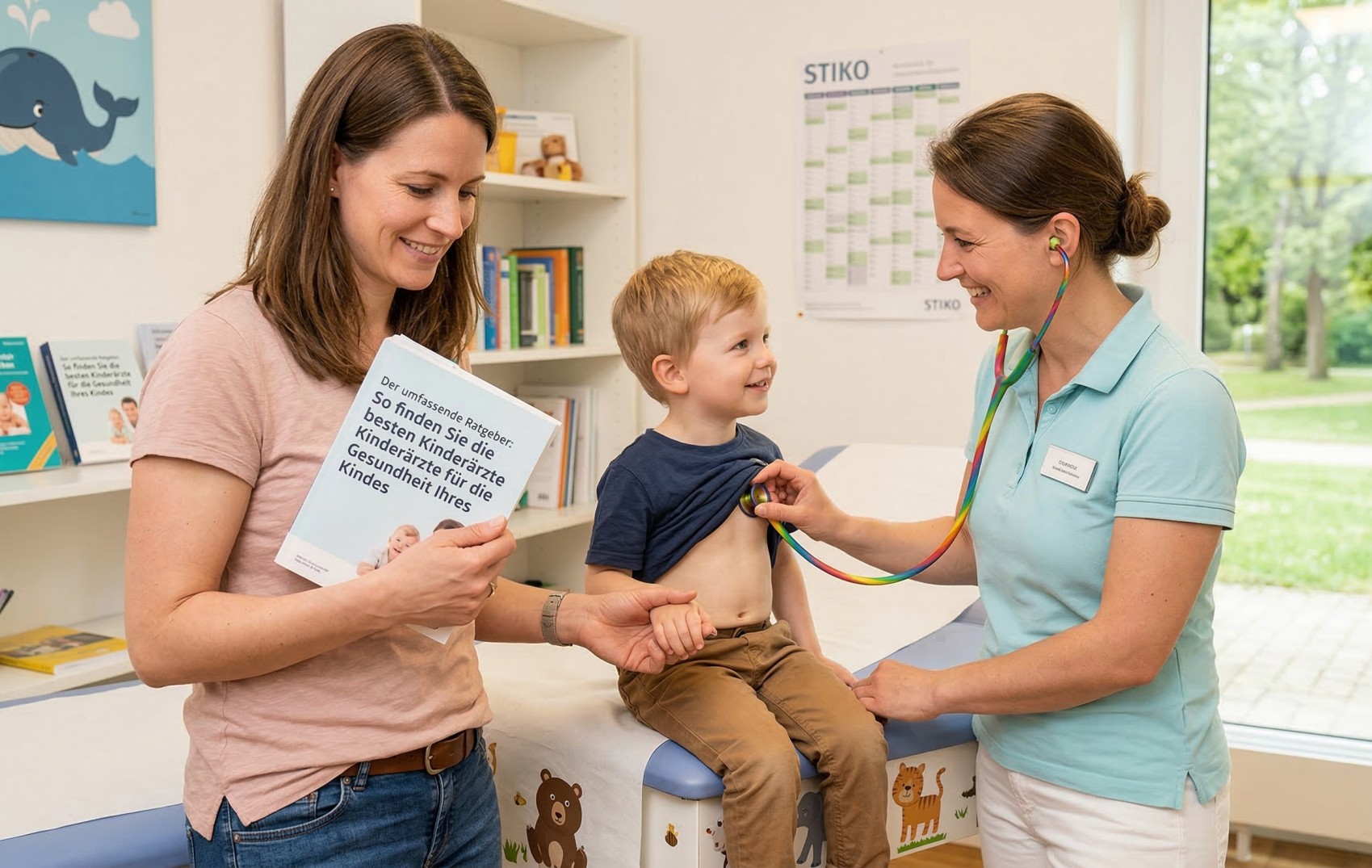
The birth of a child marks the beginning of the most exciting but also most challenging chapter in the lives of parents. With the new family member comes an unconditional love that is inseparably bound up with the deep need to protect the child as well as possible and to safeguard their health. In this vulnerable early period, full of questions, the choice of medical care becomes one of the most important decisions of all. An excellent paediatrician is far more than a doctor who prescribes medication during acute illness. They are an essential companion, a trusted adviser and a constant support who accompanies the child from the first days of life as a fragile infant through to the end of the turbulent years of puberty on the threshold of adulthood. The search for the perfect paediatric practice therefore ideally begins many weeks before the birth itself, so that in the often turbulent first weeks with the newborn you already have a fixed, reliable point of contact at your side.
In urban conurbations, whether in the dynamic city on the Main that is Frankfurt, the lively city on the Rhine that is Cologne or other large German cities, the choice of established specialists in paediatrics and adolescent medicine is fortunately enormous. This variety is an invaluable advantage, but at the same time it leaves parents spoilt for choice. Anyone searching online for the best paediatric practice nearby is flooded with hundreds of profiles, recommendations and reviews. The challenge is to filter out of this sea of information those doctors who not only shine on paper with first-class academic qualifications, but whose practice philosophy also fits perfectly with the individual values, expectations and logistical needs of your own family. The aim is to find a symbiosis of high-end medical care, excellent practice organisation and deep human empathy that makes the practice visit fear-free for the child and stress-free for the parents.
But what exactly makes a first-class paediatric practice, one that stands out from the broad average? True paediatric quality can be measured by a large number of indicators that go far beyond simply issuing prescriptions. It begins with the transparent communication of professional specialisations, extends through the meticulousness of the statutory preventive check-ups, and reaches seemingly minor matters such as the colour scheme of the waiting room and telephone availability on bridge days. Modern paediatrics requires a holistic view of the small patient, one that always considers physical complaints in the context of psychosocial development, the family environment and individual resources. An outstanding paediatrician knows how to act as a translator between highly complex medical science and worried, information-hungry parents, so that together they can make well-founded, preventive health decisions.
This detailed and thoroughly researched guide takes you by the hand and sheds light on all the critical aspects you should absolutely consider when searching for the best paediatricians. We navigate you through the jungle of medical terminology, explain the immense importance of additional qualifications and show why structured practice management is just as important as the stethoscope around the doctor's neck. You will learn how to interpret online reviews correctly, what questions you should ask at a first get-to-know-you meeting at the practice and how to recognise the often subtle signs of exceptionally high treatment quality. Equipped with this knowledge, you will be able to make an informed, confident decision to guarantee your child the best possible medical start to a long, healthy and carefree life.
Professional Expertise and Specialisations in Paediatrics
The foundation of any outstanding paediatric care is undeniably the professional and academic expertise of the treating doctor. In Germany, prospective specialists in paediatrics and adolescent medicine, after their six-year medical degree, go through an extremely demanding training period of at least five years in certified children's hospitals and teaching practices. During this intensive clinical phase they rotate through highly sensitive departments such as the neonatal intensive care unit, paediatric oncology, the children's emergency department and the general outpatient clinic. This broad, in-depth training ensures that the doctor is familiar with the entire spectrum of childhood illnesses – from trivial viral infections to complex, life-threatening metabolic diseases. When you start looking for a new practice, the officially recognised title "Facharzt für Kinder- und Jugendmedizin" is the first and most important quality criterion, guaranteeing absolute medical grounding and rigorous examination by the responsible state medical association.
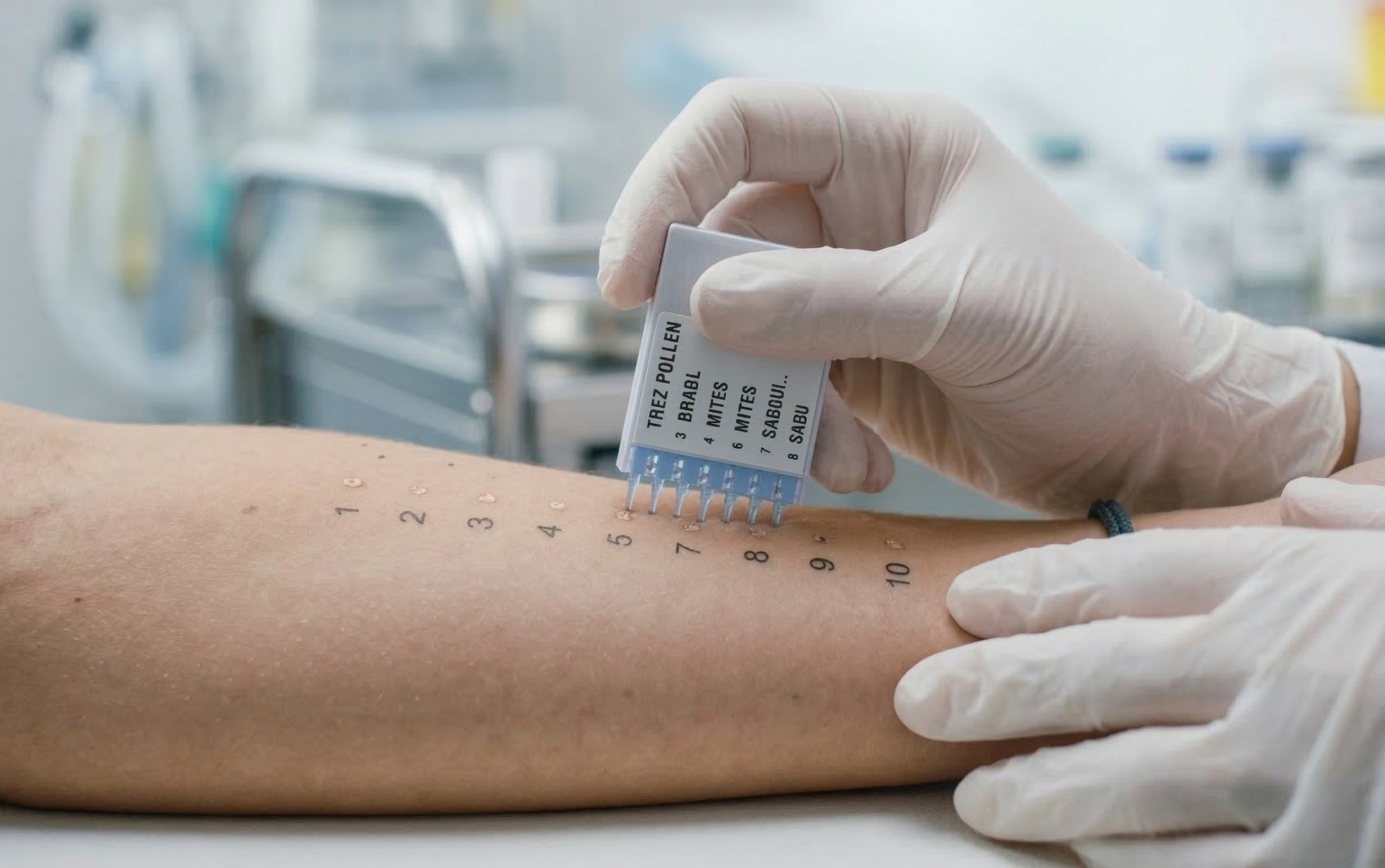
Beyond the general specialist training, the very best paediatricians are often distinguished by valuable additional qualifications and highly specialised focus areas that they have acquired in further training lasting several years. The specialisations most relevant to day-to-day practice include paediatric allergology and pulmonology, which is of inestimable value given the sharply rising number of children with asthma, hay fever or eczema. Equally important are specialists in paediatric cardiology, who diagnose congenital heart defects, or experts in paediatric neurology, who set the right therapeutic course for developmental delays, epilepsy or ADHD. A practice that combines such professional depth either in one person or through an interdisciplinary team of several specialised doctors under one roof spares parents time-consuming referrals and long waits with external specialists in an emergency. This pooled expertise is a clear indication of a practice that strives for medical care at the very highest level.
Another often invisible but decisive feature of excellent medical quality is the culture of continuing education practised within the practice. Medical science, particularly in paediatrics, is developing at breakneck speed. New, gentler treatment methods are constantly being researched, the vaccination recommendations of the Ständige Impfkommission (STIKO) are continuously adapted to global developments, and new findings in epigenetics and child nutrition are revolutionising old doctrines. An outstanding paediatrician never rests on the specialist knowledge once acquired, but regularly invests a great deal of time and resources in certified further training, national congresses and interdisciplinary quality circles. Practices that set themselves this high standard often communicate their continuing education transparently on their website. For parents this means the reassuring certainty that their child is always treated according to the latest evidence-based medical guidelines and not outdated dogma.
The Essential U-Examinations and Developmental Diagnostics
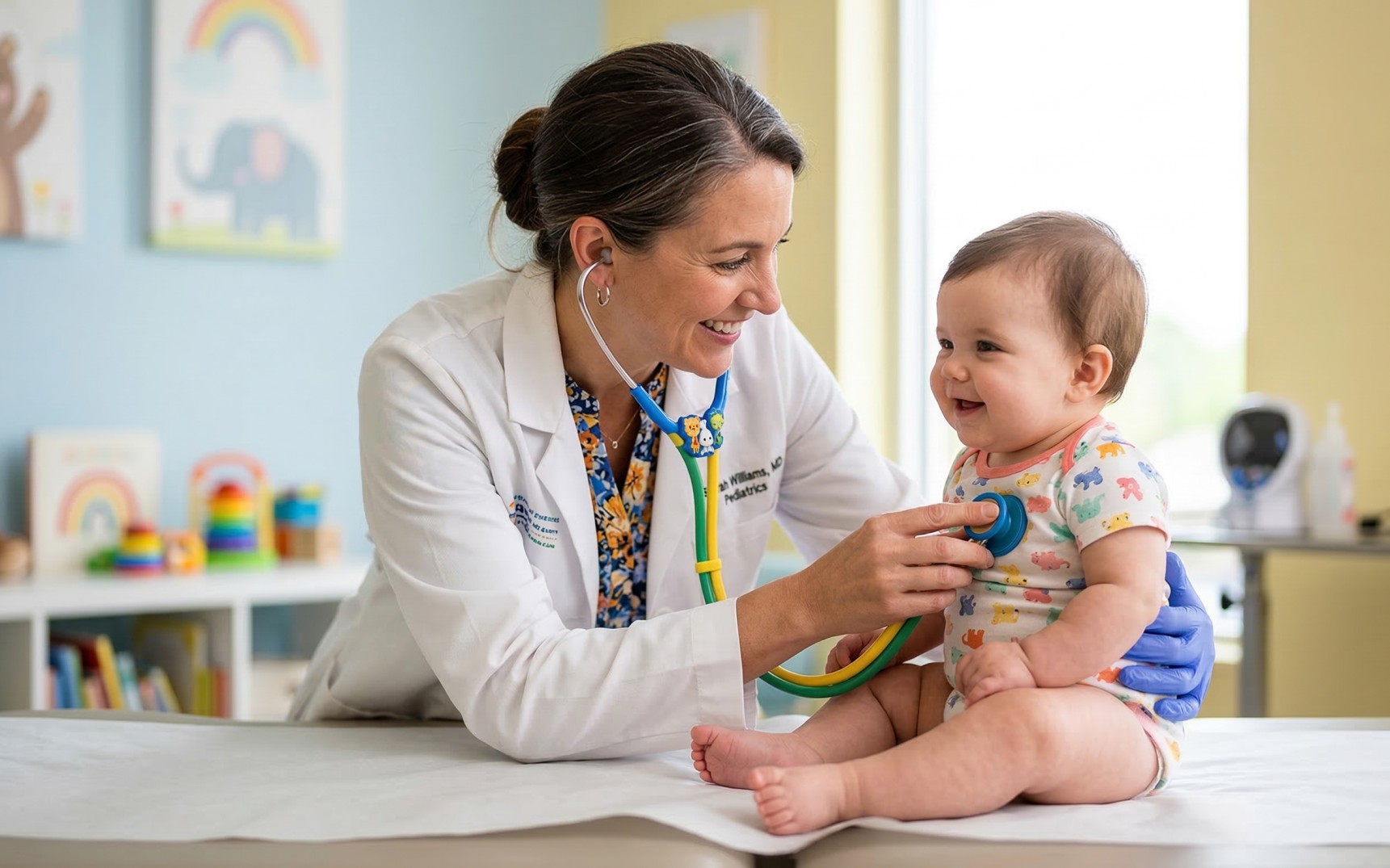
An absolutely central and indispensable pillar of German paediatrics and adolescent medicine is the structured system of statutory preventive check-ups, widely known as U-examinations. This seamless chain of eleven precisely scheduled examinations – beginning with the U1 immediately after birth through to the U9 at pre-school age, supplemented by the adolescent check-ups J1 and J2 – serves the systematic monitoring of the child's development. An excellent paediatrician never regards these appointments as a tiresome duty or a mere box-ticking protocol, but as the most valuable instruments of preventive medicine. At these appointments not only is pure physical growth meticulously documented using percentile curves, but there is also a thorough, holistic assessment of the child's motor, cognitive, linguistic and emotional maturation. The overriding goal is to detect subtle deviations, developmental delays or chronic illnesses at such an early stage that therapeutic countermeasures such as physiotherapy or speech therapy can have the greatest possible effect.
The quality with which this developmental diagnostics is carried out separates average practices from the absolute pioneers. Outstanding paediatricians take an above-average amount of time for the U-examinations and create a relaxed, playful atmosphere in which the child does not feel tested or judged. They use age-appropriate, standardised screening procedures for vision and hearing that go far beyond simply holding up objects, and they employ modern, objective measuring instruments. At the same time they observe the child's behaviour in free play within the treatment room, evaluate fine motor skills when stacking building blocks or language comprehension in casual dialogue. This detail-loving, almost detective-like power of observation enables the doctor to draw a precise, individual profile of the child's stage of development and to give parents honest, scientifically sound feedback.
Just as crucial as examining the child is the comprehensive, proactive advice given to parents at these appointments. The U-examinations are the designated space to discuss all the pressing questions of family life in peace. A top paediatrician uses this time to explain, on an evidence basis, the optimal time to introduce complementary foods, to explain modern concepts of caries prevention, to give tips on a safe sleeping environment to avoid sudden infant death (SIDS) and to inform about age-specific accident risks in the home. The often emotional subject of vaccinations is also handled here with the highest professional competence and great sensitivity. The doctor explains transparently the benefits and possible rare side effects, dispels myths with facts and accompanies parents in their decision-making as equals. This intensive, preventive advisory work is the real core of outstanding paediatric care, which strengthens families and paves the safest path into life for children.
Practice Organisation, Waiting Times and Digital Appointment Management
The most excellent medical expertise quickly loses its value for parents if the organisational framework of the practice becomes a constant source of stress, frustration and avoidable infection risks. An outstandingly run paediatric practice is characterised by intelligent, tightly organised practice management that respects the needs of sick and healthy patients alike. The absolute backbone of this organisation is a well-thought-out appointment system that allows for realistic treatment times and is designed to consistently avoid long, nerve-racking waits in overcrowded rooms. Especially in paediatrics, where the patience of small patients is naturally limited and crying infants strain the nerves of parents, punctual keeping of appointments – ideally with a maximum wait of 15 to 20 minutes – is an unmistakable sign of the highest respect for families' time.
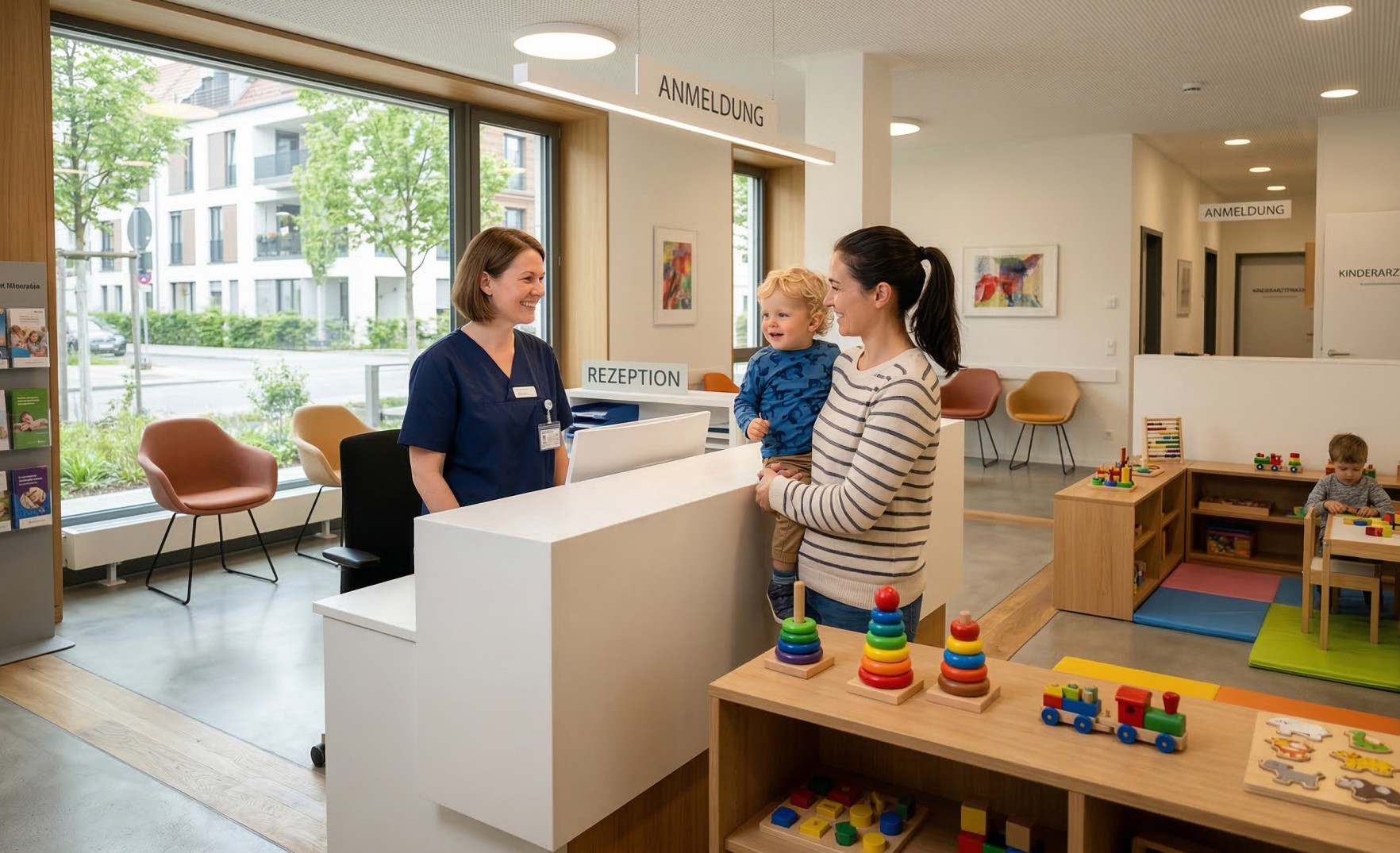
Another absolutely indispensable criterion for a top-class practice is the consistent spatial or temporal separation of potentially contagious acute patients from entirely healthy children who are only attending for preventive check-ups or vaccinations. Nothing is more annoying for parents than arriving with a perfectly healthy newborn for the U3 and having to sit in the waiting room next to heavily coughing, feverish school children. Top practices solve this problem with separate, physically divided waiting areas, separate entrance doors for infectious patients or special appointment blocks in which only healthy children are treated (the so-called "Gesundensprechstunde"). The waiting rooms themselves should also not be overloaded with worn, unhygienic plush toys, but should impress with washable, educationally valuable wooden toys, children's books and a calming, bright room design that is more reminiscent of a modern playroom than a sterile clinic.
Nowadays the digital infrastructure of a practice is also a significant factor in patient satisfaction and a clear indication of future viability. The best paediatricians have recognised that modern families organise their daily lives digitally. They offer seamless, user-friendly online appointment booking systems that allow parents to conveniently arrange or cancel check-up appointments from the sofa, even late in the evening or at weekends. Digital prescription requests for long-term medication via an encrypted practice app, automated reminder text messages for upcoming booster vaccinations and the option to submit a photo in advance via a secure portal for trivial rashes or minor uncertainties are standard in a premium practice. These technological services reduce the constant engaged tone on the telephone, enormously relieve the practice staff and create resources that in turn benefit the direct, personal care of patients in the consulting room.
Empathy, Communication and Child-Friendly Interaction
The whole art of paediatric medicine rests on an extremely sensitive foundation: the unrestricted trust between the treating doctor, the child patient and their parents. A paediatric practice can be as modernly equipped and the doctor as brilliantly trained as you like – if the interpersonal chemistry is missing and the communication is marked by coldness, the treatment will inevitably fail. A truly excellent paediatrician is a master of non-verbal and verbal communication. They do not enter the consulting room as an unapproachable authority figure in a white coat, but immediately build a bridge, often with just a friendly smile, a little magic trick or a word of praise about the child's T-shirt. They literally get down to eye level, crouching down beside the child on the floor or on a low stool, and so create a safe, fear-free atmosphere in which even the shyest toddler feels understood and respected.
The examination technique of a top paediatrician often resembles a fascinating game more than a strict medical procedure. The stethoscope becomes a "Tick-Tack-Hörer" that looks into the tummy, the otoscope a little "torch that checks whether a gnome is hiding in the ear". Before an instrument touches the child's body, it is explained to them playfully, they are allowed to touch it and try it out on a cuddly toy. This transparent, extremely child-friendly approach takes the fear out of the unknown, prevents traumatic experiences at the doctor's and means that children often even like coming to the practice. For unpleasant procedures such as vaccinations or blood tests, an empathetic team works with ingenious distraction techniques, pain-relieving magic plasters (local anaesthetics) and enormous calm to reduce the pain and stress for the child to the absolute minimum.
At the same time, communication with parents is an equally complex tightrope act that the best doctors master virtuosically. They take worries, fears and also the sometimes dangerous half-knowledge from internet forums seriously, without lecturing parents from above. Jargon is avoided; instead, diagnoses, the course of illnesses and the way medicines work are explained in clear, understandable and precise everyday language. An outstanding paediatrician does not force decisions on parents but practises the principle of "shared decision making" – joint, participatory decision-making. They present the various treatment options objectively, discuss the respective advantages and disadvantages and support the family in choosing the path that best suits their individual life situation. This appreciative communication strengthens parental competence and cements a doctor-patient bond that lasts a lifetime.

Emergency Care, Availability and Cover Arrangements
Children rarely stick to regular practice opening hours when they decide to fall ill. The sudden, extremely high fever in the middle of the night, the barking pseudo-croup attack early on Saturday morning or the school starter who has fallen with a heavily bleeding laceration on Sunday afternoon – it is precisely in these extremely stressful, fear-laden exceptional situations that the true value of outstanding paediatric care is revealed. An excellent paediatrician does not simply leave their patients out in the cold after the practice closes with an automated, monotonous recorded message. No established doctor can provide 24-hour on-call cover, but the best practices have crystal-clear, reassuring and reliable emergency structures that show parents immediately whom they can turn to in an emergency to get competent paediatric help.
An essential feature of such quality is the practice's seamless, excellently coordinated networking with local care structures. Top paediatricians cooperate closely with nearby children's hospitals, the paediatric emergency service of the statutory health insurance physicians or special emergency clinics in the region. On the practice website, in information leaflets and on the answering machine, the current emergency numbers, the addresses of out-of-hours practices and clear instructions for parents are set out in detail and prominently. Some particularly committed, modern practices even offer their regular patients a special emergency mobile number for weekends or offer the option of a short-notice, acute video consultation, in order to carry out a quick initial specialist triage in cases of uncertainty and decide whether the trip to the overcrowded hospital emergency department is really unavoidable.
Furthermore, absolute transparency about their own availability, particularly with regard to planned holiday periods, training days or unforeseen sickness absences of the doctor, is a decisive criterion for organisational excellence. A top practice informs its patients early – via notices, the practice app or email newsletters – about upcoming closures. Even more important, however, is a firmly established, reliable cover arrangement with nearby paediatric colleagues who work to an equally high standard. Ideally, in an acute case a data-protection-compliant digital exchange of information takes place between these cover practices, so that the covering doctor is immediately informed about important previous illnesses, long-term medication or known allergies of the child. This seamless assurance of continuity of care gives parents the fundamental certainty that their child will never be left without professional medical support.
Holistic Approaches and Modern Diagnostic Methods
In recent decades, modern paediatrics and adolescent medicine has developed from a pure repair medicine that merely combats emerging symptoms into a strongly preventive and holistic discipline. A top-class paediatrician never sees the child as a mere collection of organs, but as a complex, highly sensitive psychophysical system that is inseparably interwoven with its family, school and social environment. If, for example, a primary school child repeatedly complains of unexplained stomach ache, an excellent diagnostician does not simply reflexively prescribe painkillers or acid blockers. They take the time to research the true causes in depth, and in doing so not only rule out rare food intolerances or chronic inflammatory bowel diseases, but also empathetically examine psychosomatic triggers such as massive school stress, bullying or unresolved family conflicts. This holistic, biopsychosocial approach is the heart of truly sustainable paediatric medicine.
To put this holistic aspiration into practice with the highest precision, the best paediatricians make use of an arsenal of the most modern, gentle diagnostic methods tailored specifically to the needs of young bodies. A practice at the cutting edge of technology has high-resolution, radiation-free ultrasound devices (sonography) with which internal organs, infant hips or the brain through the open fontanelle can be assessed completely painlessly and in real time. Top practices also set standards in laboratory diagnostics: instead of leaving parents in uncertainty for days waiting for external laboratory results, they use modern rapid tests directly in the practice (point-of-care testing). Whether it is determining inflammation markers (CRP) from a tiny drop of blood from the fingertip, rapid streptococcus tests for a sore throat or a quick urine test – this direct diagnostics allows the doctor to decide within minutes whether an antibiotic is absolutely necessary, and so effectively protects the child from unnecessary medication that burdens the microbiome.
In addition, forward-looking paediatric practices increasingly integrate into their daily treatment areas that contribute significantly to long-term health but are often neglected in classical medicine. These include sound, practical nutritional advice that meets the rising number of children with obesity or specific malnutrition due to vegan trends with scientific facts. Likewise, the mental health of children and adolescents, who are exposed to extreme pressures by performance demands and the constant influence of social media, is coming into focus. Outstanding paediatricians have fine antennae for depressive moods, anxiety disorders or the first signs of eating disorders and act as an important, discreet first point of contact. They have a strong, interdisciplinary network of child and adolescent psychiatrists, qualified psychotherapists and social pedagogues to quickly, unbureaucratically and purposefully arrange the necessary professional help for families in acute crisis situations.
Conclusion: Deciding on the Best Start in Life
The in-depth search for the perfect paediatrician for your own child is far more than an organisational necessity; it is a fundamental investment in your child's health and emotional future. As this comprehensive guide has impressively shown, true paediatric excellence is made up of a complex mosaic of the most varied factors that must mesh perfectly. Medical expertise, evidenced by official specialist titles and valuable additional qualifications, forms the absolutely indispensable, hard foundation. But it is only the soft factors – the palpable empathy of the entire practice team, transparent communication as equals, the loving carrying out of the essential U-examinations and a tight, modern practice organisation that spares families unnecessary stress – that bring this medical knowledge to life and make a practice a true refuge for worried parents and sick children.
We expressly encourage you not to make hasty compromises in this important decision, but to apply the detailed quality criteria you now know rigorously. Analyse the digital presence of the practices in your area, look out for the listing of specialisations such as allergology or paediatric neurology and check whether digital services such as online appointment booking are offered that noticeably make your family life easier. Read other parents' reviews with a critical but alert eye, and pay particular attention to how practices deal with criticism and whether aspects such as waiting times, friendliness and the doctor's time in the consulting room are consistently praised. This preliminary research is the key to effectively pre-filtering the often confusing market of medical service providers and identifying the real gems in your city.
However, with all the objective, hard criteria, ultimately also let your parental gut feeling and intuition speak. A doctor's best medical CV is worthless if you do not feel one hundred per cent taken seriously in the consulting room or if your child develops a persistent, insurmountable fear of visiting the practice. Ideally, arrange a personal get-to-know-you appointment during pregnancy or as part of the first U-examinations. Pay close attention to how the staff greet you at reception, how clean and child-friendly the premises are, and above all how the doctor reacts to your child. Do they take the time to build a relationship? Do they answer the questions you have brought patiently and clearly? Only if you can answer these questions with a clear, unqualified yes have you found the right partner.
The bond between a child, their parents and the paediatrician is one of the longest and most formative professional relationships in a family's life. An outstanding paediatrician will cheer on your child's first steps, accompany you through sleepless nights with feverish toddlers, be at your side with advice for developmental problems at school and stand by your growing teenager as a medical confidant on intimate questions. Take the time it takes to find exactly this exceptional doctor. The certainty of knowing your most precious treasure's health development is in the hands of a professionally brilliant, deeply empathetic and superbly organised expert is a feeling of security that nothing in the world can outweigh. We wish you and your family all the very best on this path, much success in your search and above all a healthy, carefree upbringing for your child.
Sarah Müller
Reise- und Lifestyle-Journalistin