Frankfurt
A Gourmet Journey Through the Diversity of European Cuisine
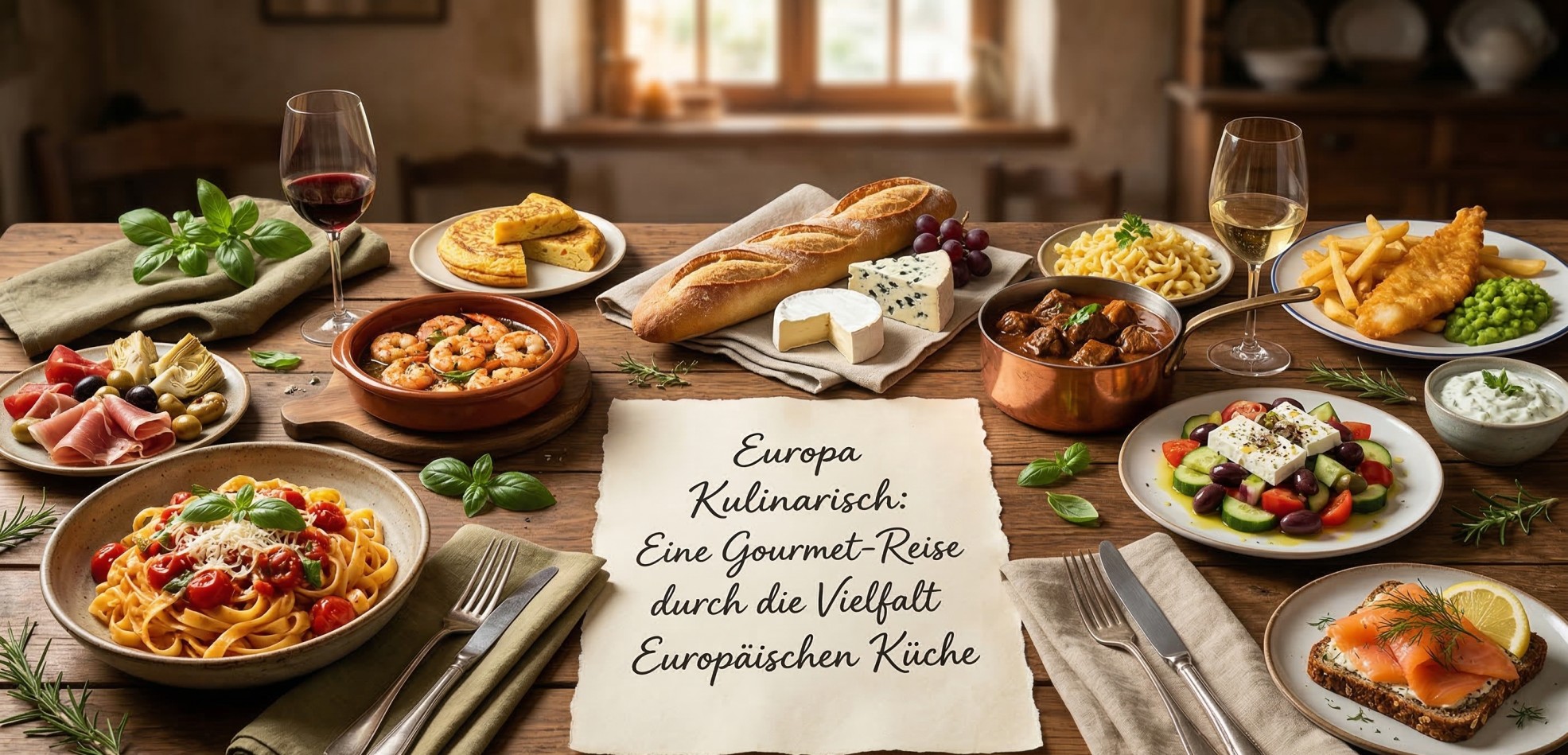
Welcome to one of the most fascinating culinary journeys of discovery in the world, right on our doorstep. European cuisine is far more than a geographical term; it is a living, breathing organism that has developed over millennia through migration, wars, discoveries and the exchange of ingredients. From the sun-drenched coasts of the Mediterranean to the barren yet productive soils of the far north, from the elegant bistros of Paris to the rustic pubs of London, this continent offers a sheer abundance of flavour experiences waiting to be explored. This culinary diversity is a reflection of the cultural, historical and climatic differences that make Europe so unique.
Our exploration begins with the understanding that European cuisine is not a monolithic block. Instead, it consists of a multitude of regional traditions that often differ radically from one another. A dish from northern Finland has little in common with a speciality from southern Sicily, even though both lie on the same continent. These extreme differences are the result of the local availability of ingredients – fish and berries in the north, olive oil, citrus fruits and seafood in the south. The history of European cuisine is a history of adapting to the environment, of using what the land provides, and of perfecting techniques to preserve and transform these ingredients.
In this comprehensive guide, we dive deep into the culinary soul of Europe. We will not only present the best-known national dishes but also shed light on the underlying philosophies, the techniques used and the cultural significance of food in different regions. Whether it is the "Farm-to-Table" mentality of New Nordic cuisine, the communal tapas culture in Spain or the strictly technique-driven haute cuisine in France – we will tell the stories behind the plates. This article is an invitation to look beyond your own plate, to discover new flavours and to deepen your understanding of the culinary connections that bring us all to the same table.
France: Technique-Driven Elegance and the Cradle of Gourmet Culture
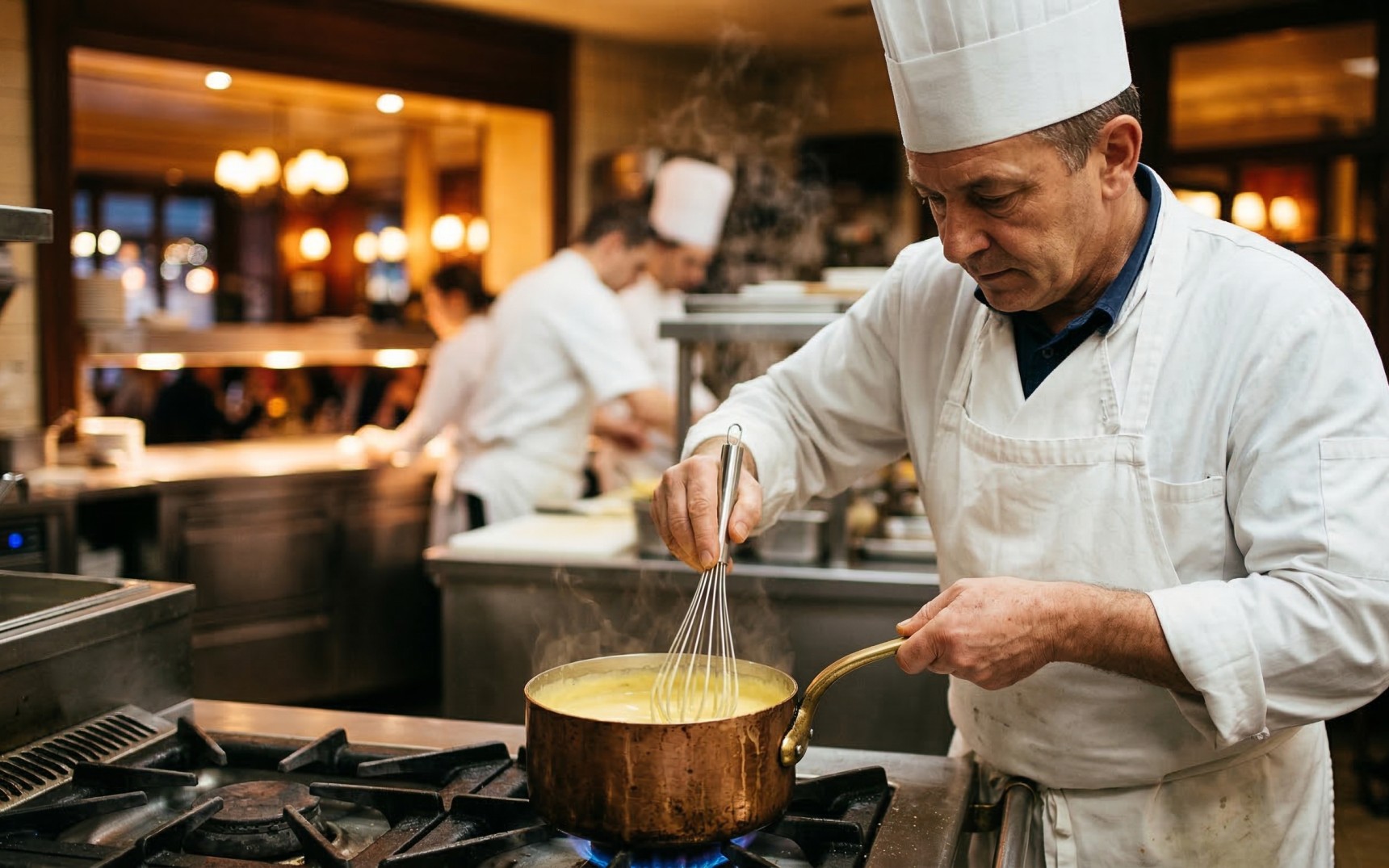
France is undisputedly regarded as the spiritual heart of global gourmet culture and as the cradle of modern haute cuisine. French cuisine is far more than a collection of recipes; it is a strict system of culinary techniques that has been perfected over centuries. From the precise preparation of a classic Sauce Hollandaise to the art of Pâtisserie baking, everything is based on craftsmanship, discipline and respect for the ingredient. This focus on technique is the foundation on which the elegance and refinement of French gastronomy rest. Anyone who eats in France does not simply eat, but experiences a work of art that appeals to the senses and challenges the palate.
The culinary landscape of France is extremely varied, shaped by strong regional differences. In the north-west, in Normandy, butter, cream and apples dominate the cuisine, while in the south, in Provence, olive oil, garlic, tomatoes and fresh herbs such as rosemary and thyme play the leading roles. These regional traditions are deeply rooted and cultivated with pride. A visit to Bordeaux is incomplete without tasting the local wine and the Entrecôte Marchand de Vin, while Lyon, the culinary capital, is known for its hearty pub classics such as Coq au Vin and the famous Saucisson Lyonnais. This regional diversity ensures that French cuisine never becomes boring.
Italy: Region-Focused Simplicity and the Magic of Fresh Ingredients
Italian cuisine is one of the most popular and influential in the world, known for its region-focused simplicity and the magic of its fresh, high-quality ingredients. A genuine Italian dish is often based on just a few components, which are nevertheless masterfully combined to create a harmonious flavour experience. The key lies in quality: the tomatoes must be San Marzano, the Mozzarella di Bufala must be fresh, and the olive oil must be Extra Vergine. This obsession with the ingredient is the heart of Italian gastronomy. Anyone who eats in Italy tastes the sun, the sea and the land in every bite.
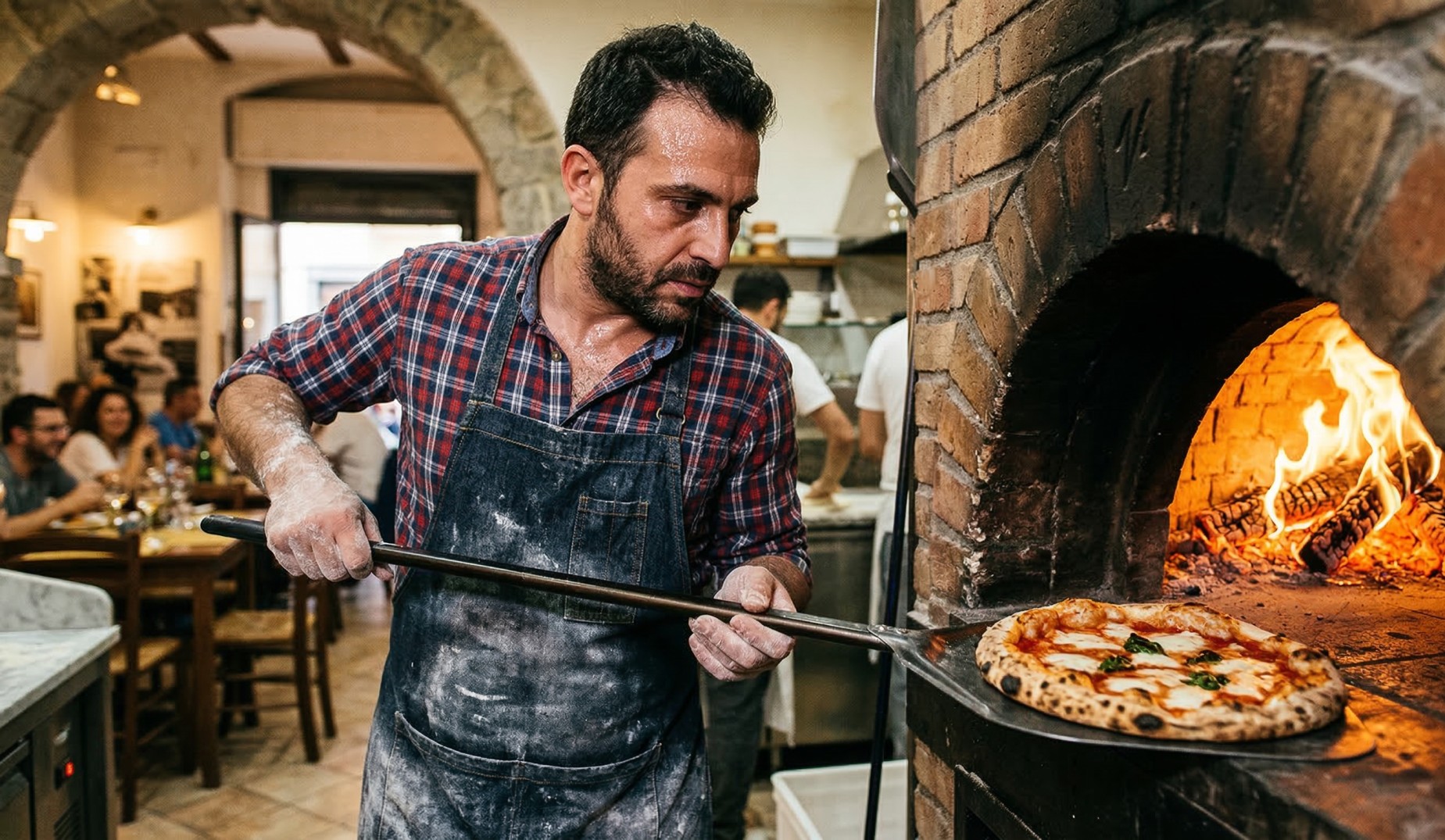
As in France, Italian cuisine is also extremely regional. In the north, in Lombardy and Piedmont, butter, rice (Risotto), polenta and hearty meat dishes dominate the cuisine, while in the south, in Campania and Sicily, olive oil, tomatoes, seafood and fresh vegetables play the leading roles. These regional traditions are so strong that an Italian will often name their regional identity first and their national identity second. A visit to Naples is incomplete without tasting genuine Pizza Napoletana, while Florence is known for its Bistecca alla Fiorentina and Bologna for its Tagliatelle al Ragù. This regional diversity ensures that Italian cuisine never becomes boring.
Spain: Communal Tapas Culture and Fascinating Maritime Diversity
Spanish cuisine is one of the most varied and exciting in Europe, known for its communal tapas culture and its fascinating maritime diversity. Tapas are far more than small snacks; they are a way of life, a social institution that celebrates communal eating and the enjoyment of food and drink in a relaxed atmosphere. A visit to a Spanish tapas bar is a culinary voyage of discovery in which you can sample a wide range of regional specialities – from classic Patatas Bravas to complex seafood creations. This tapas culture is the heart of Spanish gastronomy. Anyone who eats in Spain does not simply eat, but takes part in a social ritual.
Maritime diversity is another outstanding feature of Spanish cuisine. With its long coastline and close connection to the sea, Spain offers a sheer abundance of fish and seafood, prepared fresh and full of flavour. From Paella on the east coast, in Valencia, to Pulpo a la Gallega on the north-west coast, in Galicia, every region has its own specialities that shape the culinary soul of the country. This maritime tradition is deeply rooted and cultivated with pride. A visit to Barcelona is incomplete without tasting the local seafood, while Andalusia is known for its Pescaíto Frito and Castilla y León for its hearty stews such as Cocido Madrileño. This maritime diversity ensures that Spanish cuisine never becomes boring.
Scandinavia: New Nordic Cuisine and the Fascinating Art of Preservation
Scandinavian cuisine has undergone a revolutionary development in recent years, transforming from a rustic tradition into a fascinating New Nordic cuisine. This movement is based on a farm-to-table mentality in which regional, seasonal ingredients from the harsh Nordic landscape play the leading roles. The key lies in purity: the flavours must be clear and unadulterated, and the techniques must underline the natural goodness of the ingredient. This culinary philosophy is the heart of modern Scandinavian gastronomy. Anyone who eats in Scandinavia does not simply eat, but experiences a culinary homage to the Nordic landscape.
The art of preservation is another outstanding feature of Scandinavian cuisine. Because of the long, harsh winters, people in the far north have developed a fascinating variety of techniques for preserving food – from smoking and salting to fermenting and pickling. This tradition is deeply rooted and cultivated with pride. A visit to Stockholm is incomplete without tasting the local smoked fish, while Norway is known for its Lutefisk and Finland for its berry creations. This preserving tradition ensures that Scandinavian cuisine never becomes boring.
Eastern Europe: Hearty Tradition and the Hidden Treasures of Culinary Culture
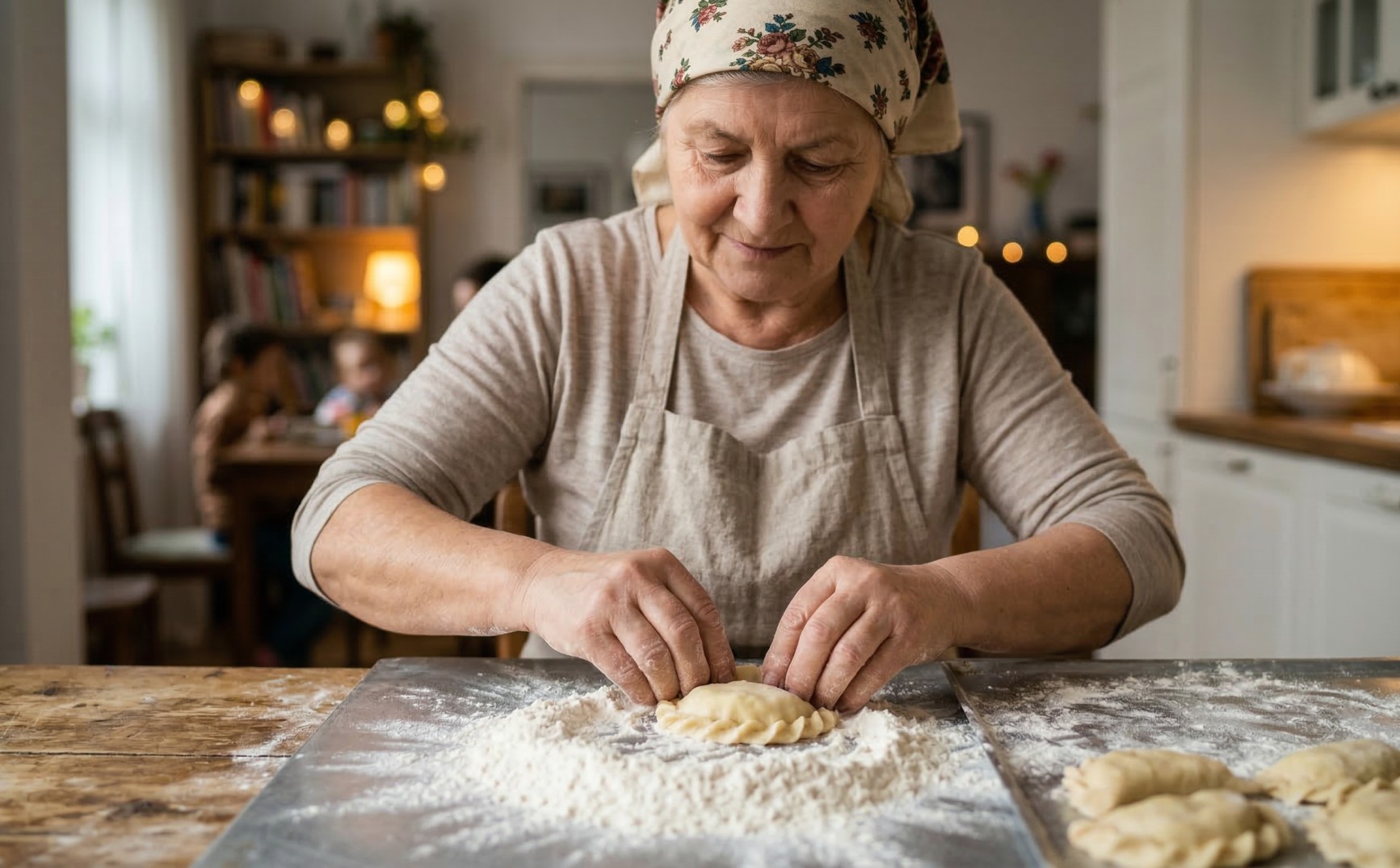
Eastern European cuisine is one of the most underrated and most fascinating culinary cultures in Europe, known for its hearty tradition and its hidden treasures. From the hearty Pierogi in Poland to the aromatic goulash stews in Hungary, Eastern Europe offers a sheer abundance of flavour experiences waiting to be explored. This culinary tradition is the heart of Eastern European gastronomy. Anyone who eats in Eastern Europe does not simply eat, but experiences a culinary homage to the Eastern European landscape.
The hidden treasures of culinary culture are another outstanding feature of Eastern European cuisine. Every country and every region has its own specialities, often based on regional ingredients such as beetroot, white cabbage, potatoes and mushrooms. This tradition is deeply rooted and cultivated with pride. A visit to Prague is incomplete without tasting the local smoked meat, while Romania is known for its Sarmale and Ukraine for its Borscht. This hidden maritime tradition ensures that Eastern European cuisine never becomes boring.
Greece: A Culinary Homage to Antiquity and the Fascinating Art of Maritime Delights
Greek cuisine has undergone a fascinating development in recent years, transforming from a rustic tradition into a culinary homage to antiquity. This movement is based on a farm-to-table mentality in which regional, seasonal ingredients from the sun-drenched landscape play the leading roles. The key lies in purity: the flavours must be clear and unadulterated, and the techniques must underline the natural goodness of the ingredient. This culinary philosophy is the heart of modern Greek gastronomy. Anyone who eats in Greece does not simply eat, but experiences a culinary homage to the Greek landscape.
The art of maritime delights is another outstanding feature of Greek cuisine. Because of its long coastline and close connection to the sea, Greece offers a sheer abundance of fish and seafood, prepared fresh and full of flavour. From Moussaka on the east coast, in Athens, to Gyros on the west coast, in Thessaloniki, every region has its own specialities that shape the culinary soul of the country. This maritime tradition is deeply rooted and cultivated with pride. A visit to Mykonos is incomplete without tasting the local seafood, while Crete is known for its Dakos and Santorini for its Fava. This maritime tradition ensures that Greek cuisine never becomes boring.
Germany: Culinary Tradition and the Fascinating Art of Hearty Delights
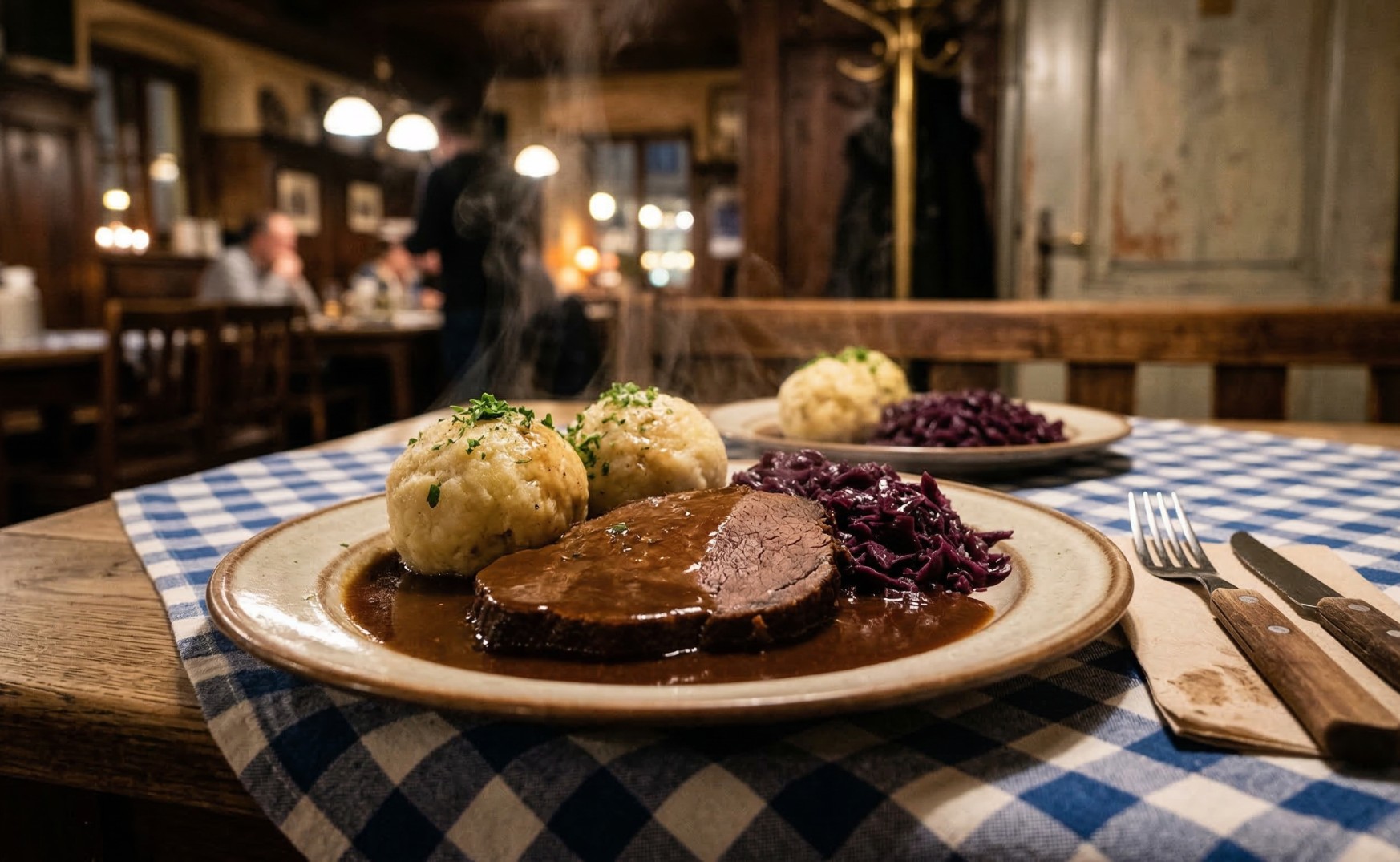
German cuisine is known for its culinary tradition and its fascinating art of hearty delights. From the hearty Sauerbraten in the west to the aromatic Weißwürste in the south, Germany offers a sheer abundance of flavour experiences waiting to be explored. This culinary tradition is the heart of German gastronomy. Anyone who eats in Germany does not simply eat, but experiences a culinary homage to the German landscape.
The art of hearty delights is another outstanding feature of German cuisine. Every region has its own specialities, often based on regional ingredients such as pork, potatoes, white cabbage and mushrooms. This tradition is deeply rooted and cultivated with pride. A visit to Berlin is incomplete without tasting the local smoked meat, while Munich is known for its Obatzda and Hamburg for its Labskaus. This maritime tradition ensures that German cuisine never becomes boring.
Culinary Connections: Where Europe Comes Together at the Table – A Deep Understanding of a Shared Soul
The culinary soul of Europe is not a monolithic block but a fascinating network of culinary connections that has developed over millennia. This movement is based on a farm-to-table mentality in which regional, seasonal ingredients from the sun-drenched landscape play the leading roles. The key lies in purity: the flavours must be clear and unadulterated, and the techniques must underline the natural goodness of the ingredient. This culinary philosophy is the heart of modern European gastronomy. Anyone who eats in Europe does not simply eat, but experiences a culinary homage to the European landscape.
Maritime diversity is another outstanding feature of European cuisine. Because of its long coastline and close connection to the sea, Europe offers a sheer abundance of fish and seafood, prepared fresh and full of flavour. From Pizza Napoletana on the south coast, in Naples, to smoked fish on the north coast, in Stockholm, every region has its own specialities that shape the culinary soul of the continent. This maritime tradition is deeply rooted and cultivated with pride. A visit to Madrid is incomplete without tasting the local seafood, while London is known for its Fish & Chips and Lisbon for its Bacalhau. This maritime diversity ensures that European cuisine never becomes boring.
Conclusion: A Culinary Homage to the Diversity and Shared Soul of Europe
The culinary soul of Europe is a fascinating network of culinary diversity and culinary connections that has developed over millennia. This movement is based on a farm-to-table mentality in which regional, seasonal ingredients from the sun-drenched landscape play the leading roles. The key lies in purity: the flavours must be clear and unadulterated, and the techniques must underline the natural goodness of the ingredient. This culinary philosophy is the heart of modern European gastronomy. Anyone who eats in Europe does not simply eat, but experiences a culinary homage to the European landscape.
Maritime diversity is another outstanding feature of European cuisine. Because of its long coastline and close connection to the sea, Europe offers a sheer abundance of fish and seafood, prepared fresh and full of flavour. From technique-driven haute cuisine on the west coast, in Paris, to the art of preservation in Scandinavia on the north coast, in Stockholm, every region has its own specialities that shape the culinary soul of the continent. This maritime tradition is deeply rooted and cultivated with pride. A visit to Madrid is incomplete without tasting the local seafood, while London is known for its Fish & Chips and Lisbon for its Bacalhau.
In conclusion: Europe's food is far more than a collection of recipes; it is a living, breathing organism that has developed over millennia through migration, wars, discoveries and the exchange of ingredients. This culinary diversity is a reflection of the cultural, historical and climatic differences that make Europe so unique. This guide is an invitation to look beyond your own plate, to discover new flavours and to deepen your understanding of the culinary connections that bring us all to the same table. Use this knowledge, follow your appetite and enjoy a culinary adventure from all over the world, right on your doorstep. Enjoy your meal!

Sarah Müller
Reise- und Lifestyle-Journalistin