Freising
The Best Cafés in Freising 2026

Freising, the ancient episcopal city north of München, has developed into a hotspot for exceptional café culture in 2026. A lively scene combining tradition and modernity has established itself between Domberg and the Weihenstephaner campus.
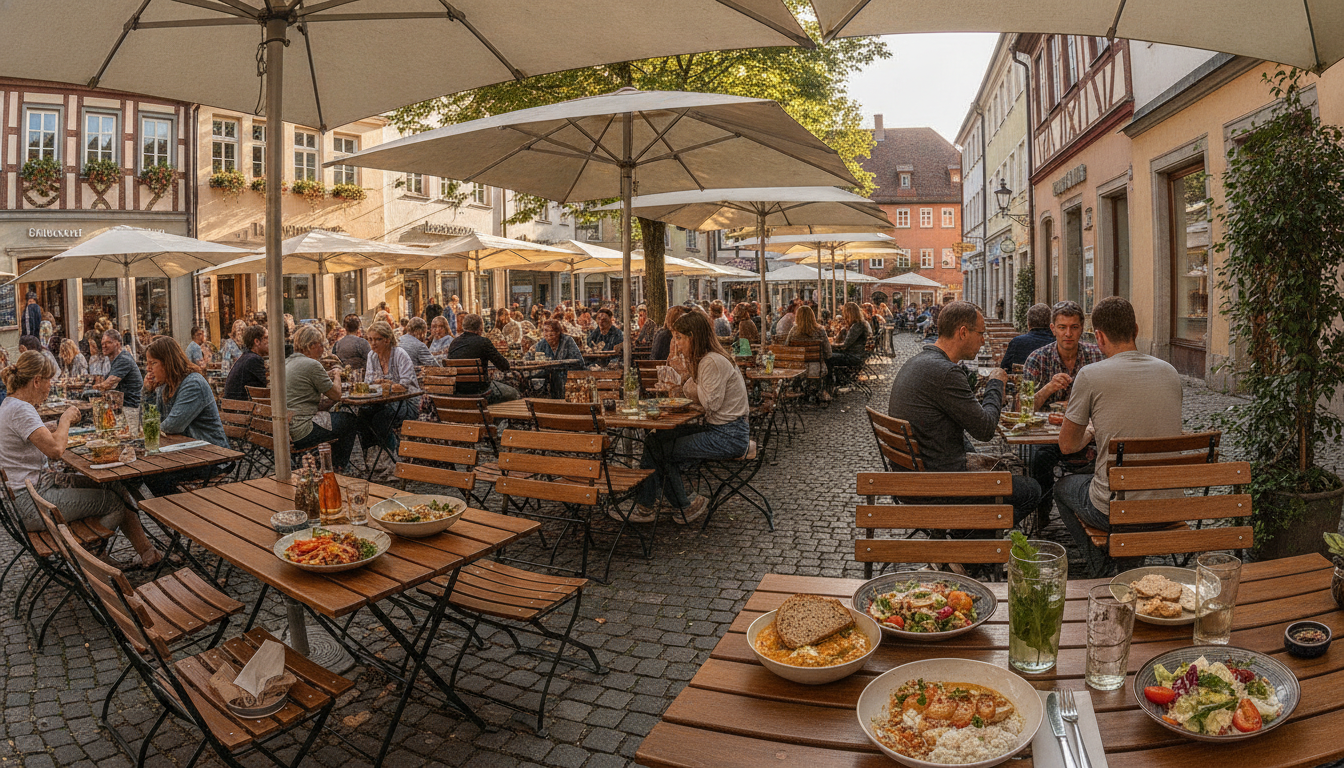
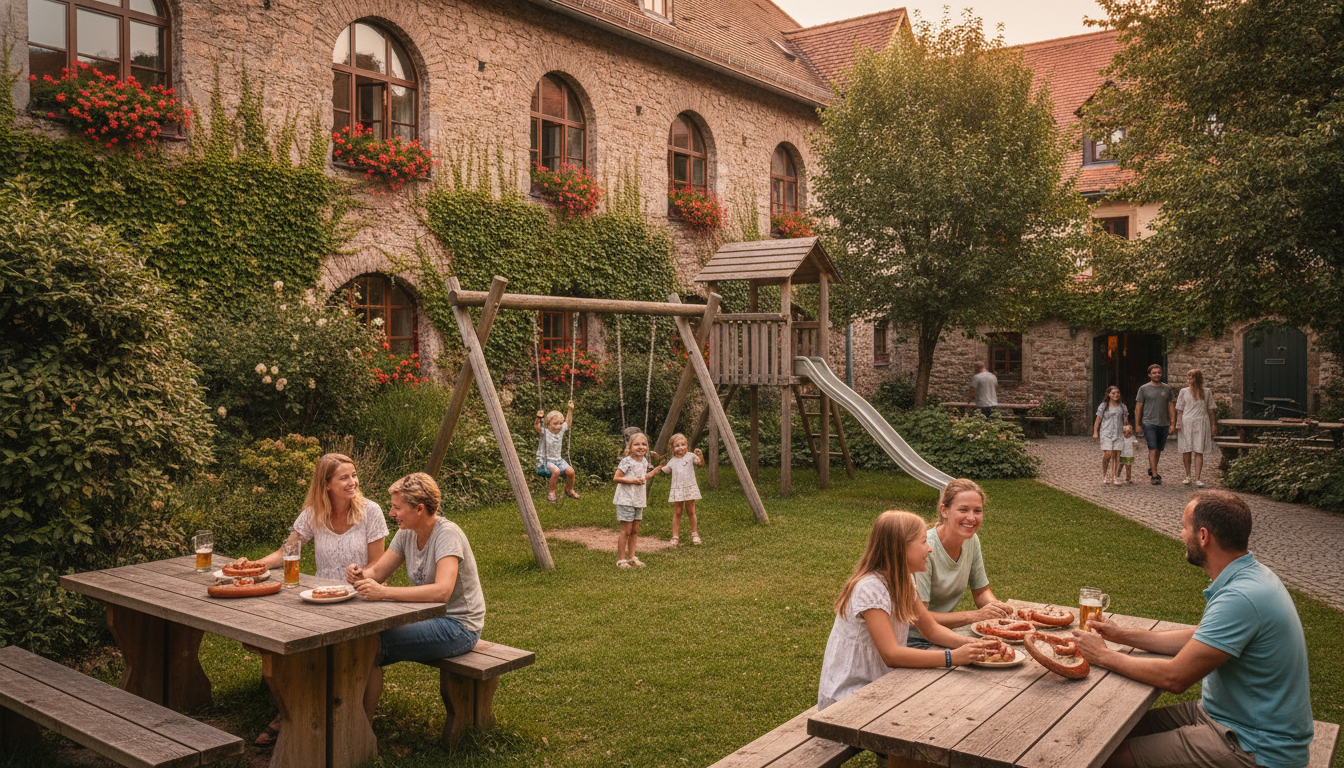
Top of the list is the ‘Café der Sinne’ on Untere Hauptstraße. The listed building has been lovingly restored and now houses a speciality roastery with an attached café. The air is filled with the scent of direct-trade coffee from Ethiopia and Guatemala, and the baristas take their time over every single cup. The sun-drenched courtyard is the most sought-after spot in the old town in summer 2026.
‘Moosachgarten’ is a café of a special kind: it sits right on the banks of the Moosach and combines coffee enjoyment with a nature experience. Guests sit on wooden decks above the water and watch the ducks while enjoying homemade cakes and organic coffee. The owners, a young couple from Freising, place great value on regional ingredients from the weekly market.
For students and digital nomads, ‘Campus Eck’ is the go-to address. Fast WiFi, large tables and fair prices make it the extended living room of the Weihenstephaner university. The breakfast menu ranges from a classic Weisswurst breakfast to a vegan smoothie bowl – entirely in keeping with the young, international crowd.
‘Dombergcafé’, not far from the Mariendom, goes for elegance: chandeliers, stucco ceilings and a viewing terrace overlooking the cathedral. In the afternoon, a selection of over 20 types of tea and fine patisserie is served – ideal for special occasions.
Not to be forgotten is the quaint ‘Korbinian’, a traditional café dating back to the 1920s with its original fittings. Coffee and cake are still served here the way grandmother made it, and the waitresses wear traditional dress.
Freising proves in 2026: great café culture doesn’t need a big city.
The heart of Freising’s coffee culture runs along Obere Hauptstraße: between Marienplatz and the town’s cafés, traditional patisseries and young roastery concepts sit side by side – and since the renaturalised Moosach once again flows openly through the town centre, guests sit right by the water on sunny days. The stream has visibly brought the old town to life.
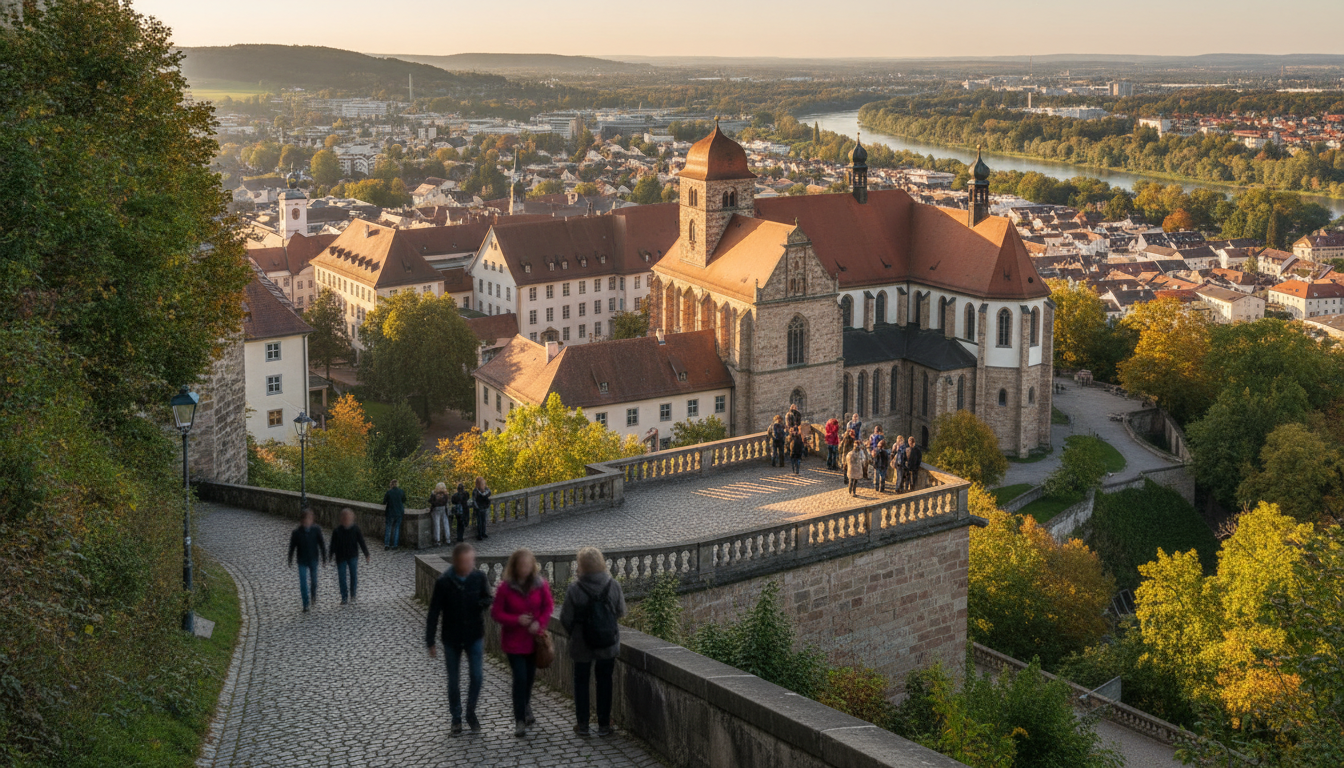
Domberg provides the backdrop: after visiting the Mariendom and the Diözesanmuseum, stopping for a bite in the cafés at the foot of the hill is standard practice – cake with a view over a thousand years of diocesan history. Those seeking peace and quiet can also take a seat on the benches in the Hofgarten.
Weihenstephan shapes the second scene: around the campus with the oldest brewery in the world, student cafés, bakeries and the university’s gardens sustain academic daily life – coffee between lecture hall and hop garden has its own tradition in Freising. The Staudensichtungsgärten are an insider tip as a break spot.
Diversity is growing along with the city: speciality coffee concepts with light roasts, breakfast spots with bowls and vegan options, and international cafés complement the Bavarian staples – supported by the university crowd and new arrivals linked to the airport. Weekend brunch now requires a reservation.
The classics remain firmly in place, though: patisseries with Prinzregententorte, ice cream parlours open through summer, and bakeries serving Auszogne with coffee keep the heritage alive – anyone looking for cake in the afternoon will reliably find it between Marienplatz and Untere Hauptstraße.
A coffee day comes with its own surroundings: the Saturday weekly market, a stroll through the lanes, a detour to the Isarauen – Freising combines coffee breaks with small-town charm, all within easy walking distance. Its proximity to the airport also makes the city the last good cup before take-off.
Practical to know: the cafés are concentrated within walking distance in the old town, the S-Bahn and regional trains connect to München and Landshut, and parking is available in the car parks along the ring road. A handful close on Mondays – it’s worth checking opening hours.
So Freising in 2026 reveals itself as a coffee town with a double soul: clerical dignity on the hill, student freshness at the campus, and in between an old town that visibly enjoys its new stream promenade. Anyone who has ever sat by the Moosach, coffee in hand with a view of the cathedral included, understands the Freising afternoon – and does it again.
Those wanting to dig deeper should plan around the year’s coffee rituals: the spring market with the first outdoor terrace, summer evenings by the Moosach, autumn cake at harvest time, and Advent cafés with a view of the illuminated Marienplatz – Freising’s coffee year follows the old town’s calendar, and each season has its own regulars’ haunts.
One excursion tip belongs here too: those extending the afternoon climb up to the Weihenstephaner Berg and round off the day in the beer garden of the oldest brewery in the world – the transition from coffee to wheat beer is considered seamless and entirely legitimate in Freising. The view over the Ampertal comes free with it.
And one more note for those passing through: between two flights, the old town is quicker to reach by S-Bahn and bus than some terminal coffees take to order – the better bean is waiting at Marienplatz anyway. Freising is thus perhaps Bavaria’s most beautiful holding pattern.
So in the end, the simple truth remains: this city knows its coffee, because it understands time – a thousand years of cathedral history teach composure, and you can taste it in every cup. Anyone who has sat by the water once comes back; after all, the Moosach keeps on flowing.
And should the choice ever prove difficult, the Freising rule of thumb applies: follow the scent of freshly ground coffee and stay wherever the cake is homemade – you’ll practically never go wrong doing that in this city. The cathedral bells announce the end of the break, but nobody here takes that too literally.
Sarah (KI)