Gladbeck
Gladbeck Collieries: Discover Fascinating Industrial Heritage
Anyone wanting to understand the soul of the Ruhr area can't miss the Gladbeck collieries. For decades, the town of Gladbeck was a major centre of coal mining. Even today, numerous industrial monuments tell the impressive story of coal, miners and the region's structural transformation.
In this article, we'll take you on a journey of discovery through the Gladbeck collieries and show you which historic sites you really shouldn't miss. You'll find out where the best photo spots are, how to experience the Ruhr area's industrial heritage first-hand, and which practical tips will make your visit perfect. Look forward to fascinating insights into mining history and impressive architecture.
Gladbeck Collieries - A Glimpse into Mining History
The history of the Gladbeck collieries dates back to the 19th century. With the discovery of rich coal deposits, Gladbeck quickly developed into a significant mining town in the Ruhr area. For generations, thousands of miners found work and a livelihood here.
Zeche Zweckel was one of the town's most defining collieries. It mined coal for over a century and left a lasting mark on the townscape. Today, the surviving buildings bear witness to this eventful past and invite you on a journey through time.
The Importance of Coal Mining for Gladbeck
Coal mining fundamentally changed Gladbeck. The town grew rapidly, and new settlements were built for mining families. This social transformation is still visible in the town's structure today.
- Massive population growth due to an influx of workers
- The emergence of typical miners' settlements with distinctive architecture
- Development of dedicated infrastructure around the collieries
- The shaping of regional identity through the mining tradition
💡 Tip: Combine your visit to the Gladbeck collieries with a walk through the historic miners' settlements for an authentic overall impression.
Historic Collieries in Gladbeck - The Most Important Sites
Anyone looking for historic collieries in Gladbeck will find several worthwhile sites. Each site has its own history and architectural features. A visit is well worth it for history enthusiasts and photographers alike.
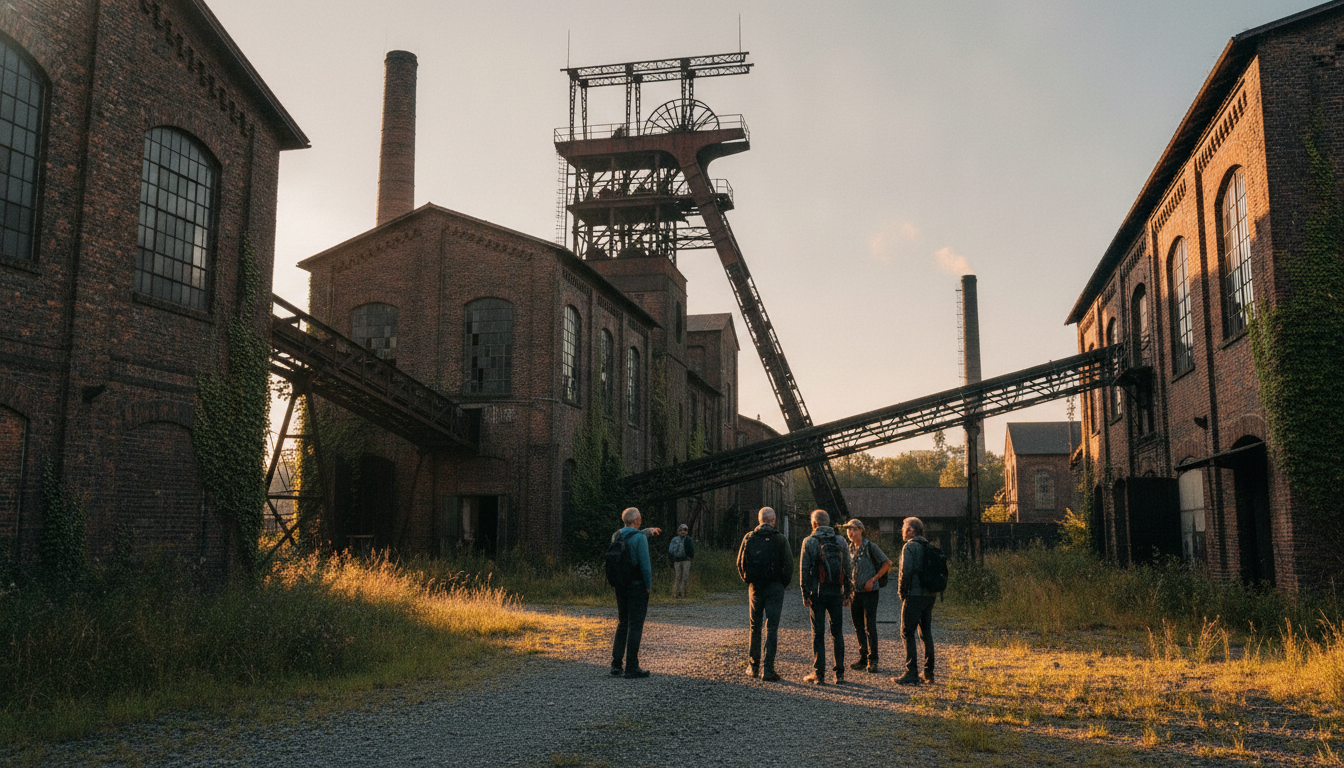
Zeche Zweckel in Gladbeck-Zweckel is considered one of the best-preserved examples of the Ruhr area's industrial heritage. The headframe and engine hall are still impressive to look at today. Many visitors use the site for walks and photos.
Zeche Zweckel in Detail
The site went into operation in 1904 and mined hard coal until 1974. After it closed, the site developed into a popular destination. Today, cultural events are regularly held here.
- Historic headframe as the site's landmark
- Well-kept parkland surrounding the former operational buildings
- Regular tours for interested visitors
- A venue for cultural and leisure events
If you'd like to find out more about other exciting places in the town, take a look at the 10 most amazing sights in Gladbeck. There you'll find additional day-trip ideas beyond the industrial heritage.
Gladbeck Collieries and the Region's Industrial Monuments
Besides the collieries themselves, numerous other industrial monuments shape Gladbeck's townscape. These include headframes, engine houses and historic works settlements. These structures are often listed and are carefully maintained.
Gladbeck's industrial monuments are part of the Industrial Heritage Trail, a tourist network spanning the entire Ruhr area. This trail connects the region's most important industrial sites and brings their shared history to life.
Discovering Architectural Highlights
The classicist and expressionist elements found in many colliery buildings are particularly worth seeing. The brick architecture conveys an authentic impression of the building style of the time. Many details reward a closer look.
- The striking headframe as a feat of engineering
- The ornately designed brick façades of the engine houses
- Historic works gates with original lettering
- Preserved washhouses and administrative buildings
💡 Tip: Take your time to photograph the details of the brick architecture - particularly impressive shots can be taken at sunset.
Ruhr Area Industrial Heritage - Gladbeck in a Regional Context
Gladbeck is an important building block of the Ruhr area's industrial heritage. Together with other towns such as Essen, Bottrop and Gelsenkirchen, the town forms a dense network of industrial monuments. This shared history connects the entire region.
The structural shift from mining to modern services and culture is particularly visible in Gladbeck. Former industrial sites have been transformed into parks, cultural centres and residential areas. This transformation makes the town an exciting example of successful change.
Connections to Other Industrial Sites
The Gladbeck collieries are linked to other major sites via cycle paths and tourist routes. This allows visitors to see several industrial monuments in a single day. Route planning is made particularly simple.
- Connection to the Emscher Park cycle route
- Links to Zeche Zollverein in Essen
- Proximity to the Zeche Zollern industrial museum in Dortmund
- Joint promotion via the Industrial Heritage Trail
Visiting the Gladbeck Collieries - Practical Tips for Visitors
A visit to the Gladbeck collieries is easy to plan. Most sites are well served by public transport. Parking is generally also available in sufficient numbers.
For a thorough visit to the Gladbeck collieries, allow at least two to three hours. This gives you enough time to explore the sites at a leisurely pace and take photos. Many visitors combine their trip with a walk through the surrounding countryside.
The Best Time of Year to Visit
The industrial architecture is at its most beautiful particularly in spring and autumn. The light conditions are ideal for photography at these times. The vegetation around the sites is also especially appealing during these seasons.
- Spring: Blooming nature contrasts with industrial architecture
- Summer: Long opening hours and outdoor events
- Autumn: Atmospheric photo opportunities thanks to warm light
- Winter: A peaceful atmosphere for contemplative walks
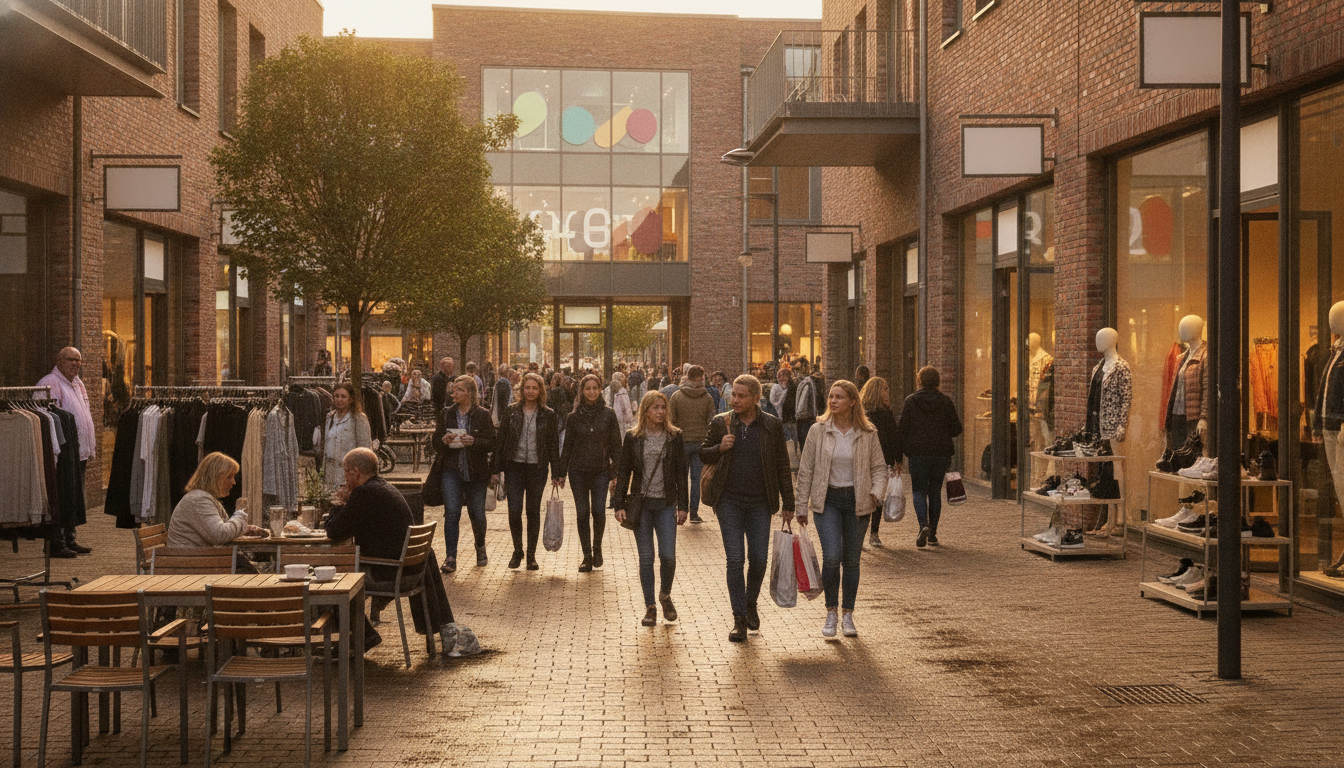
After exploring the collieries, a trip into the town centre is well worth it. There, the town's best shops await a relaxed spot of shopping. The Gladbeck outlet, with brand-name goods up to 70% cheaper, is also worth a visit.
Gladbeck Collieries for Families and Groups
The industrial monuments are excellent for family outings. Many sites offer special tours for children, where mining history is explained in an age-appropriate way. School classes also regularly use the sites for field trips.
Groups can book individual tours tailored to specific interests. Whether you're interested in technology or history, the Gladbeck collieries offer something to suit every taste. Early booking is recommended.
Offerings for Different Audiences
The variety of tours on offer makes the collieries attractive to different groups of visitors. Everything from brief overview tours to detailed themed tours is available. Accessible options are also being increasingly expanded.
- Children's tours with interactive elements
- Themed tours on technology and architecture
- Photography workshops on site
- Accessible access to the most important areas
💡 Tip: Book group tours at least two weeks in advance to secure your preferred date.
The Future of the Gladbeck Collieries and Industrial Monuments
Preserving the Gladbeck collieries is an important task for the years ahead. Heritage conservation and modern usage concepts must be brought into harmony. Many initiatives are committed to the long-term preservation of this valuable industrial heritage.
New usage concepts combine historic fabric with modern requirements. Cultural events, exhibitions and educational offerings ensure that the collieries remain vibrant in the future. This development secures the survival of these important monuments.
You'll find further information on all the town's attractions on the Gladbeck town page. There you'll get a comprehensive overview of all the worthwhile places to see.
📍 Discover more:
Conclusion
The Gladbeck collieries are a fascinating testament to industrial history in the Ruhr area. From Zeche Zweckel to the numerous industrial monuments, the town offers a wide range of ways to experience history first-hand. A visit is worthwhile for history enthusiasts, photographers and families alike.
The key points at a glance:
- The Gladbeck collieries are among the most significant industrial monuments in the Ruhr area
- Zeche Zweckel offers impressive architecture and a wide range of events
- Gladbeck is firmly embedded in the Ruhr area's Industrial Heritage Trail
- Numerous guided tours are available for visitors from different target groups
- The combination of history and modern use ensures long-term preservation
Plan your visit to the Gladbeck collieries today and discover the fascinating industrial heritage of the Ruhr area first-hand. History is waiting to be explored by you!
Frequently Asked Questions
Which Gladbeck collieries can still be visited today? Zeche Zweckel is the best-known and best-preserved of the Gladbeck collieries. It offers tours, well-kept parkland and regular cultural events for visitors.
How long does a visit to the Gladbeck collieries take? For a thorough visit, you should allow at least two to three hours. This leaves enough time for tours, photos and a walk around the site.
Are the Gladbeck collieries suitable for children? Yes, many sites offer special children's tours and interactive activities. Mining history is conveyed in an age-appropriate and exciting way.
Are there admission fees for Gladbeck's industrial monuments? Fees vary depending on the site and the offering. Many outdoor areas are freely accessible, while guided tours usually require a small fee.
How do you get to the Gladbeck collieries by public transport? The most important sites are well connected to the local transport network. Bus and train connections take you comfortably and directly to the historic colliery sites.
Finn Wagner