Goslar
Gastro Trends in Goslar: Regional, Artisan and Surprising 2026

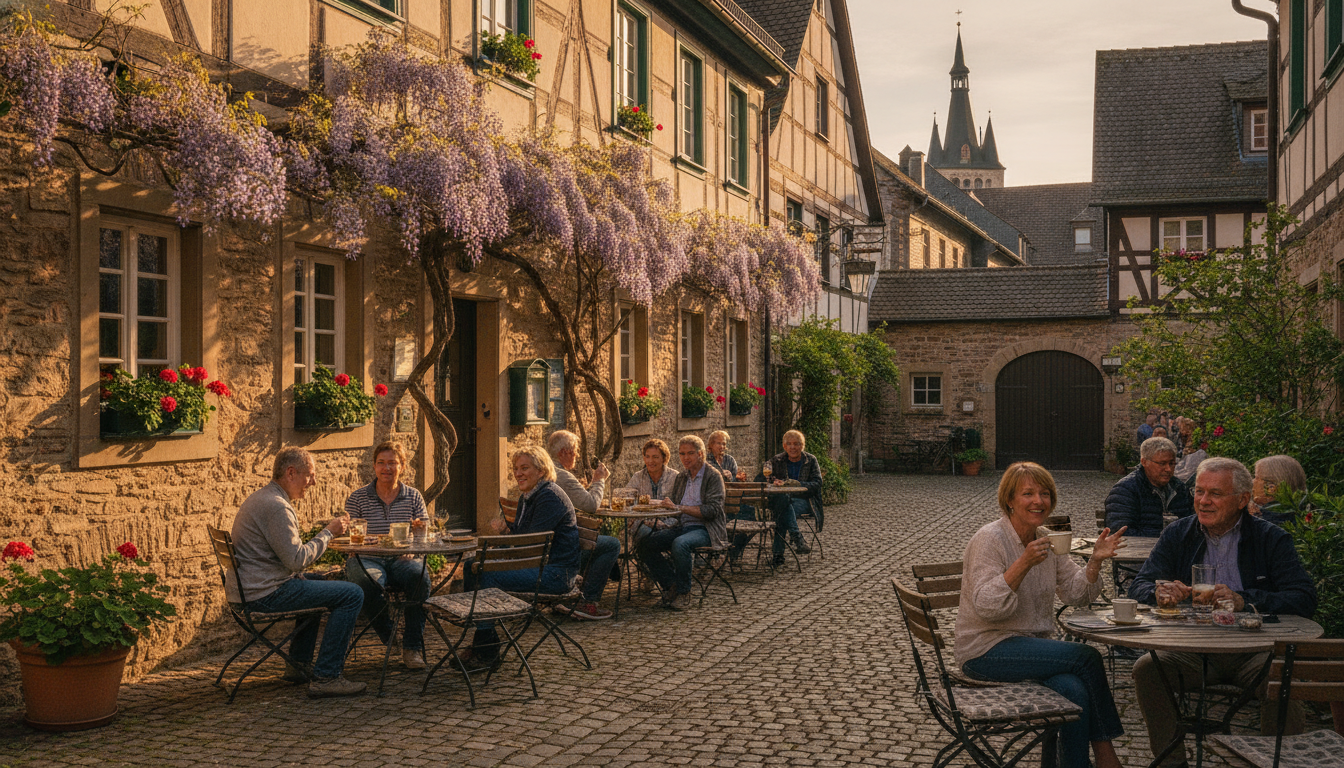
Goslar, the thousand-year-old imperial city on the edge of the Harz, is experiencing a remarkable culinary awakening in summer 2026. Amid half-timbered charm and World Heritage status, a young food scene has established itself, one that confidently breaks with tradition without abandoning its regional roots. Three trends define the year in particular.
First: regionality on a new level. While ‘Harz cuisine’ used to mean hearty roasts, kale and Harzer cheese above all, young chefs are now offering a modern interpretation. Wild herbs from the national park, goat’s cheese from tiny farms in the Oberharz, and beef from the Harz Red Highland cattle — a nearly extinct breed enjoying a comeback thanks to local initiatives. Restaurants such as the newly opened ‘Harzer Esskultur’ in the old town consistently feature a menu that states the exact origin of the main ingredient for every dish.
Second: craft drinks are conquering Goslar. Alongside the historic Gose brewery, which has been brewing the sour, slightly salty beer since the Middle Ages, two new microbreweries have set up shop. Their speciality: beers with regional ingredients such as spruce tips or Harz honey. At the same time, cider makers are emerging, using old apple varieties from the surrounding orchards — alcohol-free versions included, in keeping with the growing ‘sober curious’ trend.
Third: pop-up concepts and seasonal formats. The ‘Harzer Genussmarkt’, a travelling event, makes its first stop on Goslar’s market square in 2026. Here, food start-ups from across the region present their products: fermented sauces, hand-crafted pralines with Harz herbs, and sourdough bread made to old recipes. Alongside this, there’s a monthly ‘Long Table’, where Goslar’s restaurateurs come together to serve a menu under the open sky — a joint project that shows just how closely knit the local food scene has become. Anyone who has only ever known Goslar as a historic backdrop should be sure to experience the culinary transformation on the ground in 2026 too.
Craftsmanship is the common thread running through Goslar’s food landscape: bakeries with wood-fired bread, patisseries with a Baumkuchen tradition, and butchers with their own sausage kitchens uphold standards that are rare elsewhere — training still happens on the job here, and every sale comes with expert advice. Shopping becomes a chance to talk shop.
Brewing craft follows suit: alongside the established inn breweries, small brewhouses are experimenting with Harz ingredients — spruce shoots, forest honey, Brocken herbs — and pouring the results in tasting measures. Tours with tastings combine brewing history with the present day.
The sweet side is surprisingly strong: chocolatiers and confectioners in the half-timbered lanes craft pralines with regional notes, and the coffee houses serve them alongside roasts from small Harz roasteries — the combination of World Heritage backdrop and artisan quality works brilliantly.
The tavern kitchens work in a craft tradition too: game is butchered in-house, stocks are made from scratch, dumplings are shaped by hand — anyone looking for convenience is in the wrong place at Goslar’s better establishments. The menu stays compact as a result; quality wins out over choice.
New ventures are growing carefully: bistros with daily specials, vegetarian options and weekly menus based on what the market offers complement the classics without pushing them aside — the operators know their audience of hikers, spa guests and locals, and serve all three with the same care.
Anyone wanting to understand the system should follow the chain of production: market and bakery in the morning, tavern at lunchtime, chocolatier in the afternoon, brewhouse in the evening — a day of indulgence in Goslar is a tour through craftsmanship, tastings included. The distances in between are never more than a few lanes.
Souvenirs here have real substance: bread, sausage, pralines and beer made by master hands fill visitors’ bags — souvenirs that taste of the region rather than the shelf. Many businesses now ship, too; their regular customers reach well beyond the Harz these days.
Practical tip: the craft addresses are concentrated in the old town, parking is available on the outskirts, and anyone planning tours or tastings should book ahead — the businesses are small and demand is growing. Do check closing days; craftsmanship needs its breaks.
This confirms Goslar’s promise of regional, artisanal and surprising: the imperial city doesn’t serve up a show, but substance — and anyone who has ever eaten fresh wood-fired bread with Harz sausage in a thousand-year-old lane knows that this is exactly the most sustainable kind of food trend.
Anyone wanting to dig deeper need only ask: the master craftsmen and craftswomen behind the counters are happy to talk about recipes, maturing times and suppliers — conversations that turn a simple purchase into a little masterclass. It’s precisely this closeness that sets Goslar apart from any shopping arcade.
Events add to the experience: at the old town festival, the craft markets and during Advent, businesses put on special formats — baking demonstrations, tastings, open workshops. That’s when you really see how much skill lies behind the shop doors of the imperial city.
And if you still have energy after your food tour, combine it with the must-sees: the Kaiserpfalz, Rammelsberg and the market square are all within walking distance — culture and cuisine share the very same lanes in Goslar. It’s hard to fill a day more efficiently.
So the conclusion is as solid as the city itself: anyone wanting to know how Germany used to eat before the industrialisation of taste — and how good that still tastes today — will find living proof of it in Goslar. It’s worth bringing a shopping bag along.
Bon appétit, then, in the imperial city — the craftspeople have long since laid the table, and the lanes are waiting for hungry explorers.
Anyone with room left in their basket should grab a second loaf — from experience: the first rarely survives the journey home.
The craftspeople thank you — with flavour that lasts.
And should any question remain unanswered, your next trip to the market will settle it — Goslar’s craftspeople have a delicious answer for everything.
Die Besten der Stadt