Goslar
Gastro Trends in Goslar 2026: Young Cuisine Meets Harz Tradition

Goslar, the thousand-year-old imperial city on the edge of the Harz, is experiencing a small culinary revolution in 2026. Where traditional Harz cuisine once dominated, young restaurateurs are now shaking up the scene and bringing a breath of fresh air to the historic old town – without forgetting its roots.
The most striking trend is the new regional Harz cuisine. Several restaurants are committing firmly to regional produce and reinventing classics such as Harz cheese and game dishes. Instead of hearty home cooking, light, modern dishes are landing on the plate – Harz trout with king oyster mushrooms, saddle of venison with fermented berries, or roasted vegetables with Harz goat's cheese. The ingredients come almost entirely from within a 50-kilometre radius.
At the same time, street food culture is booming. The newly established weekly market on Jacobikirchhof has become a meeting point for food lovers. Every Friday from 3pm, local producers offer handmade pasta, wood-fired pizza, Asian bao buns and homemade sourdough bread. There's also craft beer from the Harz-Braumanufaktur, founded in 2025, which experiments with regional hop varieties.
A particular trend is fine dining on a small scale. Three young chefs have opened a pop-up restaurant with just twelve seats in the former Zollhaus. The menu changes monthly and is announced exclusively via social media – tables are usually booked out within a few hours. This concept of culinary exclusivity appeals especially to a younger audience and has already attracted attention beyond the region.
Things are moving in the drinks scene too: alongside the craft beer scene, local cider producers are establishing themselves, using old apple varieties from the Harz foothills. Cider tastings take place every first Thursday in the historic old town and are always well attended. Goslar shows that tradition and innovation are not mutually exclusive when it comes to food and drink.
What sets young Goslar cuisine apart is how it handles its heritage: Harz classics such as game dishes, trout and hearty stews remain on the menus, but are interpreted in a lighter, more seasonal and more artisanal way. Add to that produce with provenance – cheese from mountain villages, honey from Harz beekeepers, herbs from their own gardens.
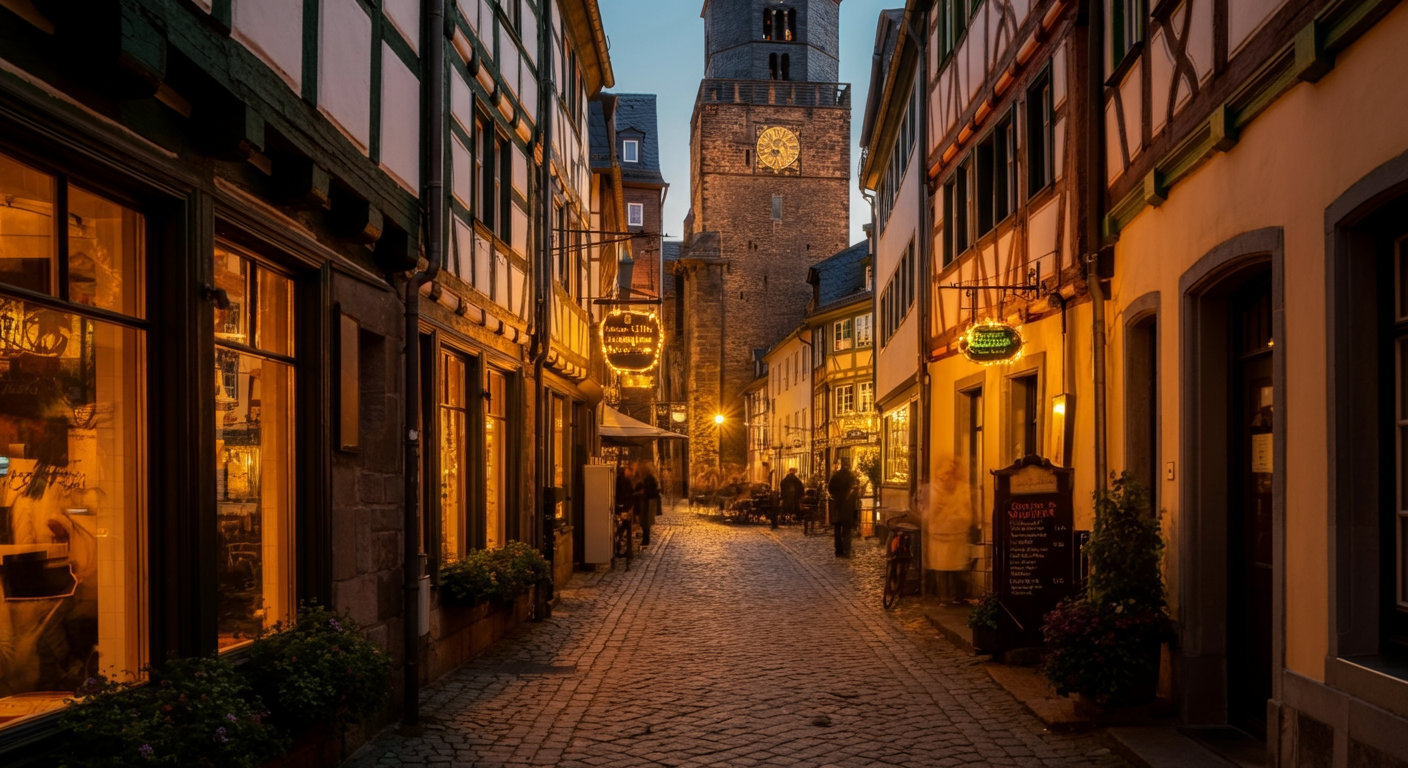
The UNESCO old town provides the backdrop: cafés and restaurants in half-timbered houses, courtyards behind centuries-old gateways, and squares where meals are served outdoors in summer. Eating out in Goslar is always also a walk through the city's history.
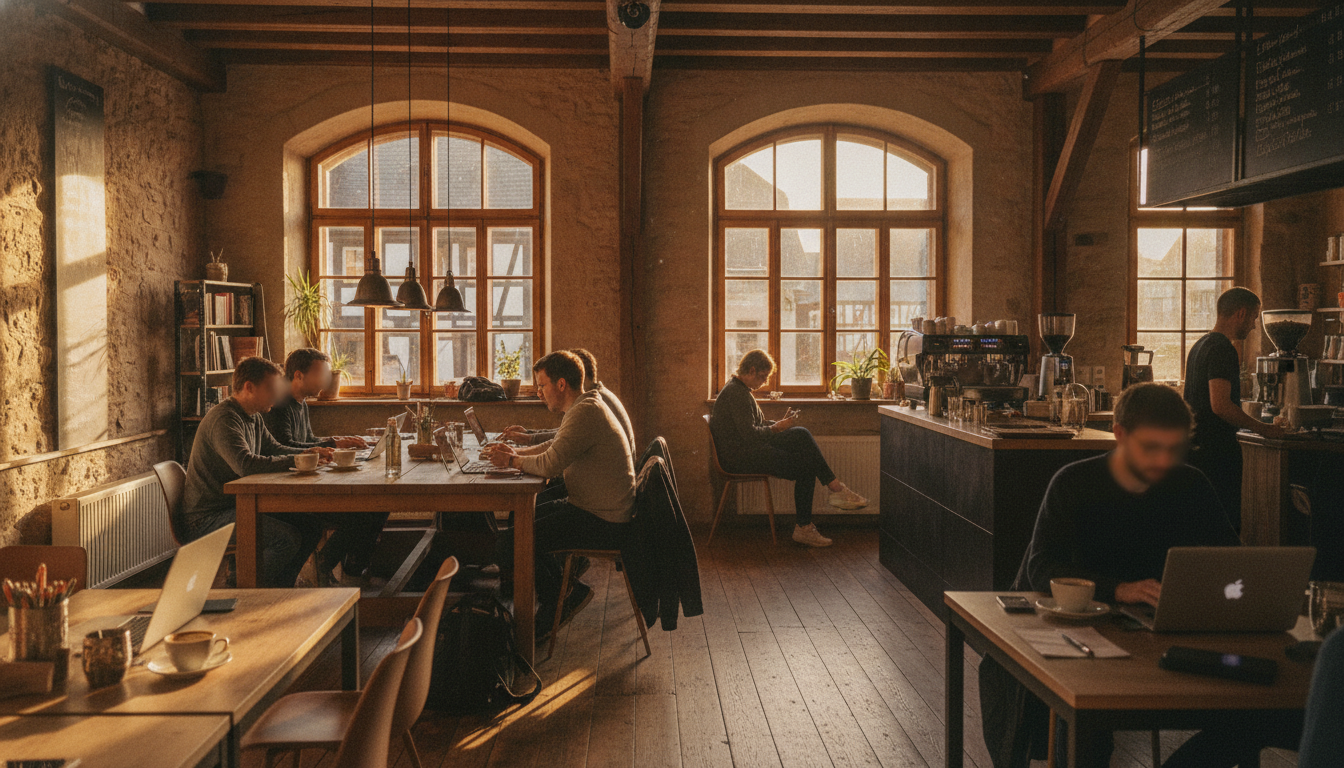
The café scene is growing noticeably: young operators are focusing on their own roasts, home-baked cakes and breakfast menus that appeal equally to hikers and weekend visitors. Whether you need energy before a hike in the mountains or feel you've earned a slice of cake afterwards, you'll reliably find your fix around Markt and Schuhhof.
Things are moving on the drinks front too: regional breweries and distilleries are reviving old traditions, from craft beer to Harz-style herbal schnapps. In the inns, they naturally sit alongside the big names – regionality here isn't a label, but a selection criterion.
The weekly market remains the heart of local supply: producers from the surrounding area sell directly in front of Marktkirche several times a week, and if you look closely, you'll recognise the ingredient lists of the restaurants among the stalls. Supply chains can hardly get any shorter.
The connection between gastronomy and tourism is fascinating: after a hike in the national park or a ride on the Erzbahn, stopping for a bite tastes twice as good, and many establishments cater to active guests with snack menus, early kitchen hours and packed lunches. The combination of mountains and plates carries the scene.
In winter, Goslar shows its cosiest side: open fires in the parlours, game weeks on the menus, and the Christmas market, whose scent of mulled wine and spirits drifts through the lanes. If you want to understand the city's cuisine, come once in summer and once in Advent.
Prices remain fair across the city: between snack bars, inns and fine dining, there's something for every budget, and portions still come in proper Harz measure. Reservations are recommended at weekends and during the holiday season – the old town's reputation ensures steady demand.
Practically speaking: the culinary addresses are concentrated within walking distance in the old town, car parks are located on the outskirts, and the train brings guests directly into the centre. Those planning day trips can combine Rammelsberg, Kaiserpfalz and a meal into one well-rounded day.
The result is a coherent picture: in Goslar, young cuisine meets a thousand years of city history – and both benefit from each other. The gastro trends of 2026 aren't fleeting fads here, but the next layer of a long tradition of enjoyment, best explored with a knife, fork and time.
Anyone wanting to get to know the scene should plan a food-lovers' weekend: Saturday for the market and a stroll through the old town with a bite to eat, Sunday for a hike with a packed lunch, and finally coffee in a half-timbered café. In between, there's time for conversations with the hosts – many are happy to tell you where their produce comes from and what's coming next on the menu. It's precisely this closeness that makes the difference to interchangeable tourist catering – and it's Goslar's greatest asset.
In short: Goslar tastes of new beginnings rooted in provenance in 2026 – and if you want to experience both on one plate, all you need to do is take a seat. The kitchens of the imperial city are ready.
And if you fancy some exercise after eating, why not turn your post-meal stroll into sightseeing: across the market square, past Brusttuch and Kaiserworth to the Zwinger – bringing the circle of enjoyment and history full circle within just a few hundred metres.
Die Besten der Stadt