Grevenbroich
Gastro Trends in Grevenbroich: What's Hot in 2026

Grevenbroich, the charming town on the Erft between Köln and Mönchengladbach, is experiencing something of a culinary renaissance. Long underrated, its dining scene has developed remarkably in recent years. We take a look at the most exciting food trends Grevenbroich has to offer in summer 2026.
The most defining trend is a return to regional produce and short supply chains. Grevenbroich benefits from its location in the fertile Rhineland – asparagus from the fields around town, strawberries from the region and traditional sugar beet syrup are appearing on menus more and more often. Several restaurants now work closely with local producers and proudly state where their ingredients come from. The ‘farm to table’ concept has arrived in Grevenbroich, and you can taste it.
A second trend: upmarket home-style cooking. Away from the dusty image of traditional comfort food, towards modern interpretations of the classics. Rhenish sauerbraten meets sous-vide cooking, and potato pancakes are reimagined with salmon and crème fraîche. Restaurateurs are focusing on quality over quantity, proving that traditional dishes have a place in contemporary kitchens too.
Also striking is the boom in small, specialised eateries. Instead of all-round restaurants offering everything from pizza to currywurst, concepts that do one thing really well are winning out. There's now an artisan burger joint that sources its meat from a local butcher and bakes its own buns. A tapas bar brings Mediterranean flair to the Erft, and a pho kitchen has brought Vietnamese street food to Grevenbroich – delighting regulars and newcomers alike.
There's plenty happening for vegetarians and vegans too: bowls, plant-based curries and creative vegetable dishes are no longer niche options but a firm fixture on many menus. Even traditional Rhenish cuisine is being reinterpreted as vegetarian in some establishments – with surprising success.
The takeaway market has changed as well. High-quality delivery services focused on sustainable packaging and premium ingredients cater to the rising expectations of Grevenbroich residents: people want to eat well at home too, without compromising on quality.
This development is accompanied by a growing appreciation for good coffee. Two new roasteries and several cafés with espresso machines and single-origin beans have put Grevenbroich on the coffee map. Flat whites and cold brews are the drinks of choice in summer 2026, ideally enjoyed on one of the newly created outdoor terraces.
Grevenbroich proves that a culinary scene doesn't need a metropolis – it needs committed restaurateurs, curious guests and the courage to try something new. Anyone who hasn't visited in a while should definitely give this town on the Erft a second chance.
This development is driven by a renewed appreciation for regional produce: asparagus and strawberries from the surrounding fields, vegetables from the Erft region and meat from neighbouring farms are increasingly named on menus. The town's weekly markets provide the foundation – and if you know the producers, you can taste the difference.
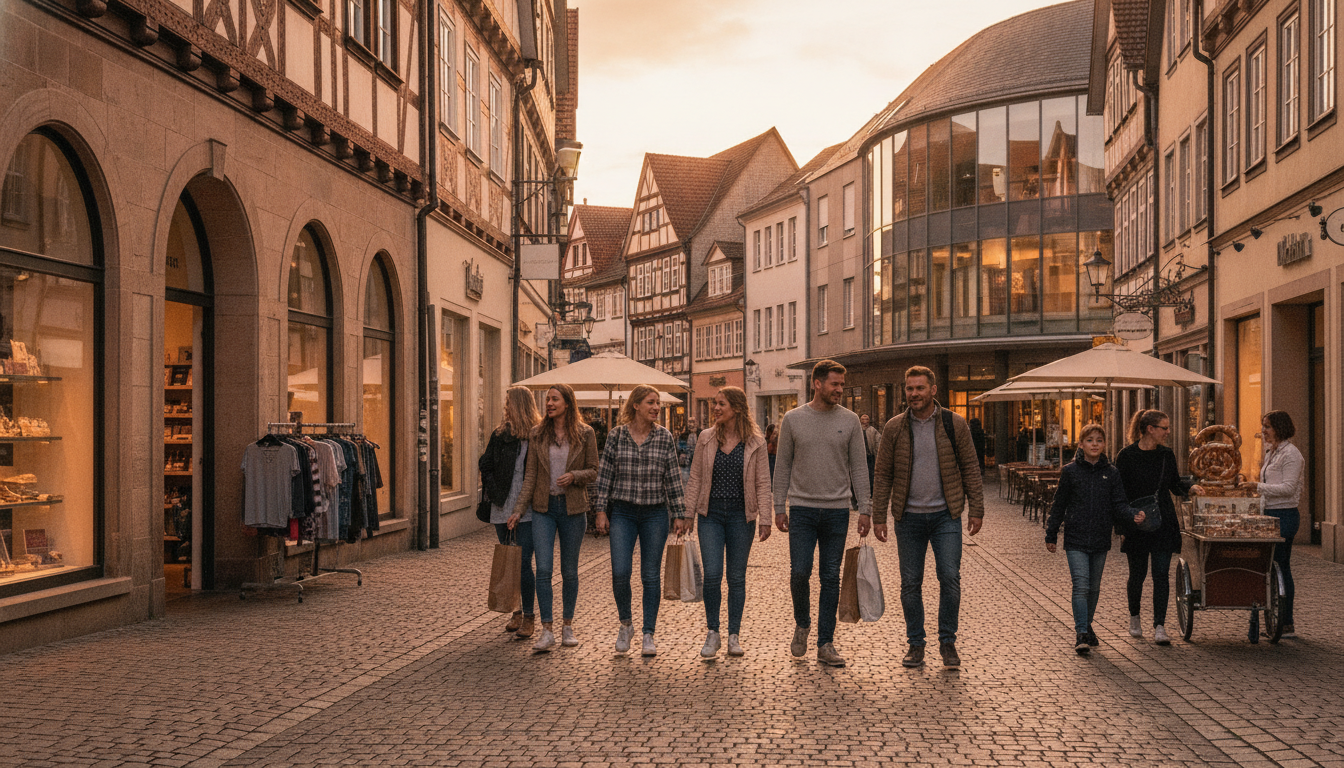
The town centre around the market square remains the culinary hub: cafés with outdoor seating, ice cream parlours and a mix of German, Italian and Levantine cuisine ensure that no one goes hungry between shopping and knocking off work. New breakfast concepts have also arrived, filling tables at weekends.
The great outdoors plays its part too: excursion spots along the Erft and beer gardens under old trees combine cycling and refreshment – the flat routes of the Erft cycle path make the combination family-friendly. In summer, the terraces by the water are among the town's most sought-after spots.
The shift in self-perception is notable: Grevenbroich, long known primarily as an energy hub, is discovering enjoyment as a location factor. Events like the Schützenfest and town festivals show off the dining scene's sociable side, with businesses using the occasions for specials ranging from street food to wine pairings.
There's also a solid coffee culture: owner-run cafés with homemade cake hold their own alongside the chains, and the quality of the beans has noticeably improved. Anyone looking for a seat in the afternoon should bring a bit of patience at weekends – a good sign.
Prices in the town remain fair: lunch menus, family menus and honest portions are the standard, while upmarket occasions are covered by country inns and restaurants in the surrounding countryside. For special evenings, those in the know book ahead – the good addresses are well known.
Practical tip: the culinary hotspots are within walking distance of the market square and station, and excursion destinations along the Erft can be reached by bike in minutes. If you're coming from Düsseldorf, Neuss or Mönchengladbach, it's well worth combining your visit with a cycling tour through the Erft region.
So the verdict for 2026 is a friendly one: Grevenbroich eats better than its reputation suggests – rooted in regional produce, modernised without fuss, and with waterside spots that some neighbouring towns would envy. Once you've tried the town's food scene, you rarely stop at just one visit.
If you're looking for a good time to dive in, pick a market day: browse the stalls first, then coffee at the market, and in the evening head to one of the restaurants cooking with that morning's ingredients – you can hardly get closer to the taste of Grevenbroich. The rest, as is so often the case with food, falls into place by itself. With that in mind: enjoy your meal in the Schlossstadt – the tables along the Erft are set, and the kitchens are clearly keen to welcome guests.
And if you need one more reason: experience shows the next opening in Grevenbroich is never far away – the scene keeps growing, quietly, steadily and rather deliciously.
Die Besten der Stadt