Harz
Gastro Trends in Harz: What's Hot in 2026

The Harz, Germany’s northernmost low mountain range, is experiencing a remarkable culinary awakening in summer 2026. Between traditional Harz cuisine and modern food concepts, an exciting culinary landscape is emerging that goes far beyond the classic Harzer cheese and hearty game dishes. Here is an overview of the key trends.
The dominant trend of summer 2026 is regionality with real quality. More and more young restaurateurs are returning to the region, bringing international experience with them. In an old forester’s lodge near Wernigerode, for instance, a restaurant has established itself that combines game from its own hunting grounds with Asian flavours and pared-back presentation. The result is both regional and cosmopolitan, drawing guests from right across the country.
Another trend is the rediscovery of traditional Harz products in new forms. Harzer cheese, long dismissed as poor man’s food, is enjoying a renaissance. A small dairy near Braunlage produces it to organic standards and experiments with different degrees of maturity, herbs and spices. It’s served in rustic snack bars specialising in regional produce, but is also increasingly making its way into fine dining as a flavour accent.
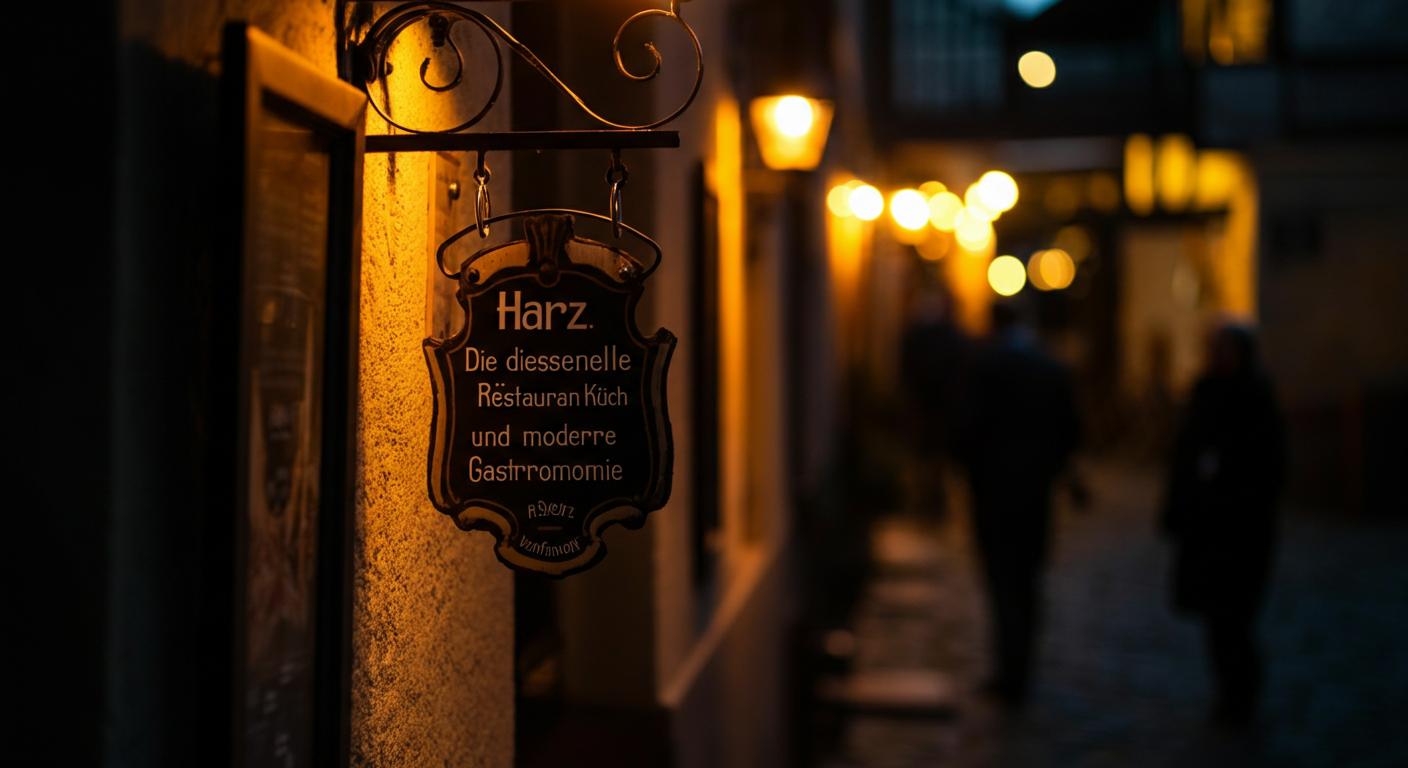
In the urban centres of Goslar, Wernigerode and Quedlinburg, the trend towards small, specialised eateries continues. Tapas bars with a regional twist, vegetarian and vegan cafés in historic half-timbered houses, and craft beer breweries with attached taprooms are enriching the food scene. In Wernigerode in particular, a lively nightlife strip has developed around the market square, drawing crowds in summer 2026 with expanded outdoor seating.
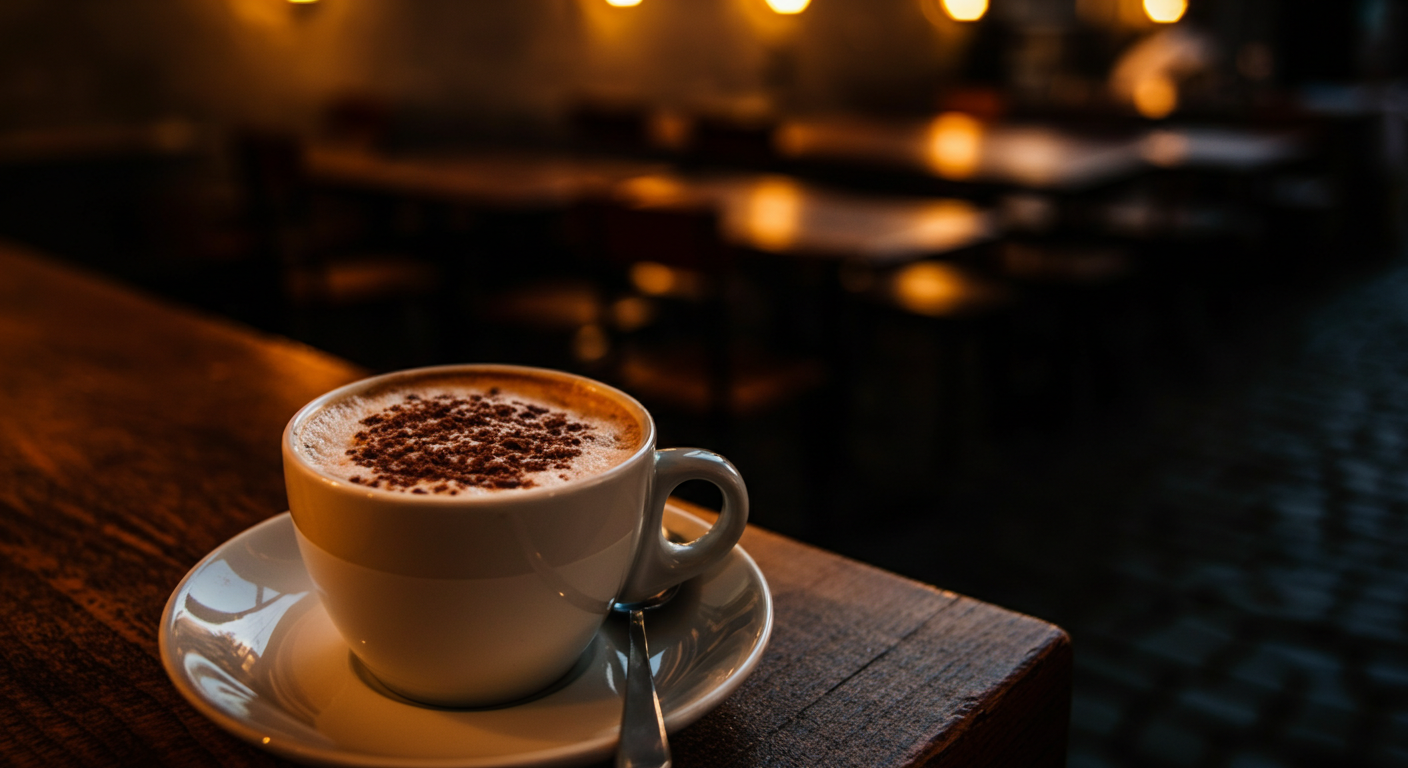
The coffee house culture is also on the rise. Independent roasteries in Bad Harzburg, Goslar and the Oberharz supply a growing number of cafés offering artisan-brewed coffee and homemade pastries. A special experience are the roastery tours that many businesses offer in summer, giving an insight into the art of coffee refinement.
An insider tip is the ‘Harzer Genusstage’, a series of events taking place for the first time in summer 2026, in which local producers, chefs and hosts collaborate to offer special menus, tastings and workshops. A must for visitors to the Harz with an interest in food.
The strongest trend between the Brocken and Kyffhäuser is provenance: Harz kitchens are returning to game from the forests, trout from the streams, cheese from the farms and the famous Harzer Roller, the classic protein-rich cheese making a comeback. Menus now name the hunters, fishers and farms by name – regionality here isn’t a fad, but a return to roots.
The hut culture is changing too: simple refreshment huts are becoming excursion eateries with ambition – homemade cakes, hearty snacks and, increasingly, vegetarian alternatives for today’s generation of hikers. Anyone working their way through the Wandernadel stamping points eats better along the way than ever before.
In the half-timbered towns, the young scene is growing: cafés with their own roasts in Quedlinburg, bistros in Wernigerode, wine bars in Goslar – founders are making the most of affordable old-town locations for concepts that guests from big cities simply expect. The mix of World Heritage sites and flat whites works surprisingly well.
There’s plenty happening on the drinks side too: small breweries and distilleries are reviving Harz traditions – from craft beer to herbal liqueurs made to old recipes – and the first wine projects on the south-facing slopes show what climate change is making possible. Tastings are now a standard part of any day trip.
Tourism is driving professionalisation: hotels are investing in their kitchens, half-board is turning from an obligatory extra into a genuine selling point, and themed formats – game weeks, brewing courses, herb walks with a meal included – are extending the season. Hosts have understood that guests today travel for the food, not just the views.
In terms of price, the Harz remains the fair alternative: main courses cost noticeably less than in the big cities, portions are mountain-sized, and quality has caught up – a combination that weekend guests from Hannover, Leipzig and Berlin appreciate.
Challenges remain, however: staff shortages are forcing closing days and slimmer menus, and some businesses are struggling with succession – all the more reason for guests to book ahead and respect opening times. Those who plan flexibly will find plenty to eat everywhere.
Practical tip: the region’s culinary hotspots are spread across the whole area – a car or the narrow-gauge railways connect them best, and the tourism portals list up-to-date kitchen hours. Autumn and Advent are the culinary high seasons; if you want peace and quiet, come on a weekday.
So the Harz tastes like a successful balance in 2026: tradition with a fresh outlook, huts with ambition and towns with youthful energy. Anyone who only remembers the region for stuffed cabbage rolls should definitely try again – between mountain forest and half-timbering, some really good cooking is happening right now.
Anyone wanting to taste this development should plan a food tour: a market in one of the World Heritage towns in the morning, a hut on the hiking trail at midday, roastery coffee amid half-timbering in the afternoon, and a game menu at a guesthouse in the evening – a single day shows just how broad the Harz’s offering has become. The narrow-gauge railway as a transfer completes the circuit.
And because trends live through people, the final word goes to the hosts: it’s the landladies, chefs and farms with real staying power who are carrying the Harz’s upturn – anyone who stops in with them is investing in exactly the region they’re enjoying at that moment. A food feature could hardly end better: go there, try it, come back.
The Harz, at any rate, has set the table – all that’s missing now are guests with an appetite for mountains.
And the more guests reward this development, the better it will become – the cycle of demand and quality has only just really got going in the Harz.
Die Besten der Stadt