Hof
A Short Trip to Hof: Sights and Tips for 48 Hours

Hof, the Upper Franconian city at the tripoint with Saxony and the Czech Republic, is often underrated. Yet this city of 45,000 residents has everything you need for the perfect short break – and even more so in summer 2026.
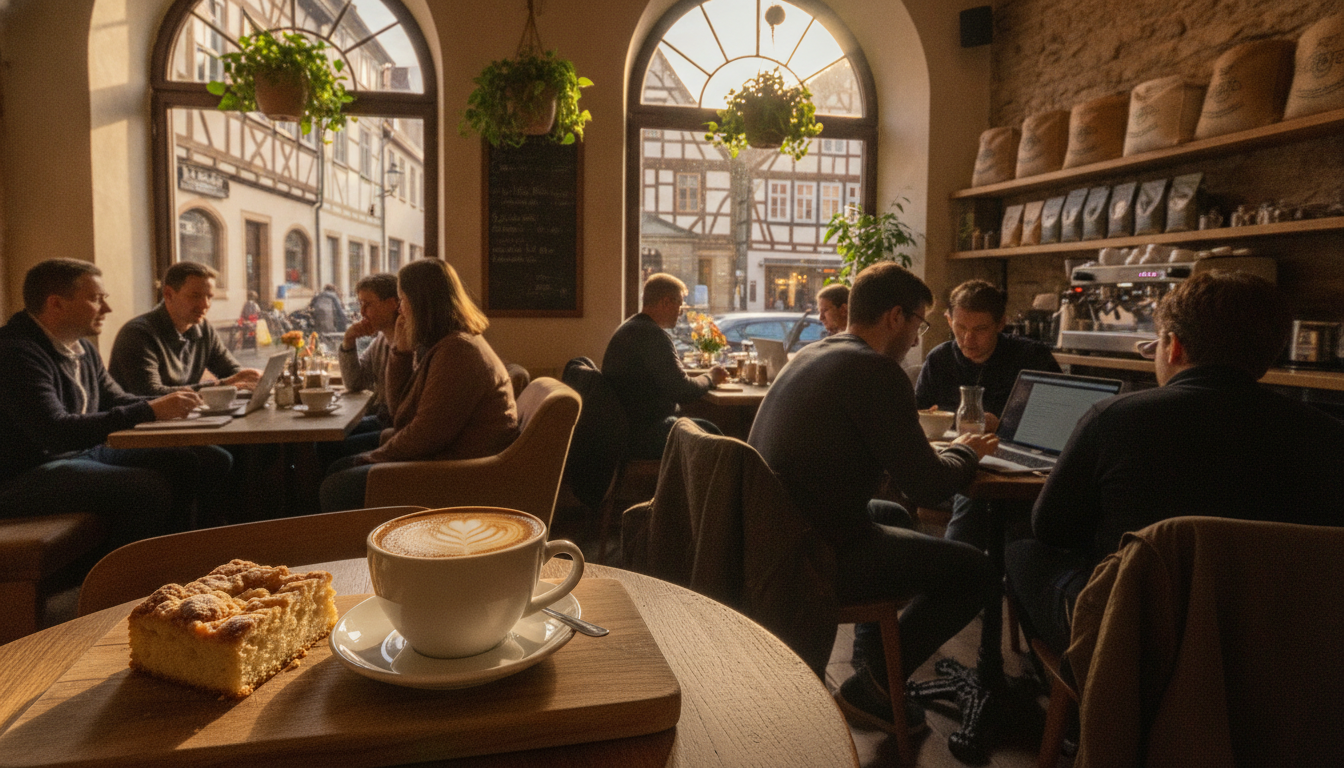
Day 1 – Culture and indulgence: Start your Saturday morning at ‘Café Central’, an Art Nouveau gem from 1910 right on the station forecourt. Viennese coffee-house flair meets Franconian cosiness here. Suitably fortified, head to Theresienstein, the city's most beautiful park. This sprawling public park is a green oasis with mature trees, winding paths and a small lake. The ‘Wirtshaus am Theresienstein’, located within the park, serves Franconian bar snacks at lunchtime and boasts one of the finest beer gardens in Upper Franconia.
The afternoon belongs to the Museum Bayerisches Vogtland. The exhibition tells the eventful history of the region, and the medieval weapons collection is impressive. In summer 2026, the museum is hosting a special exhibition on textile history – Hof was once a stronghold of the cloth industry.
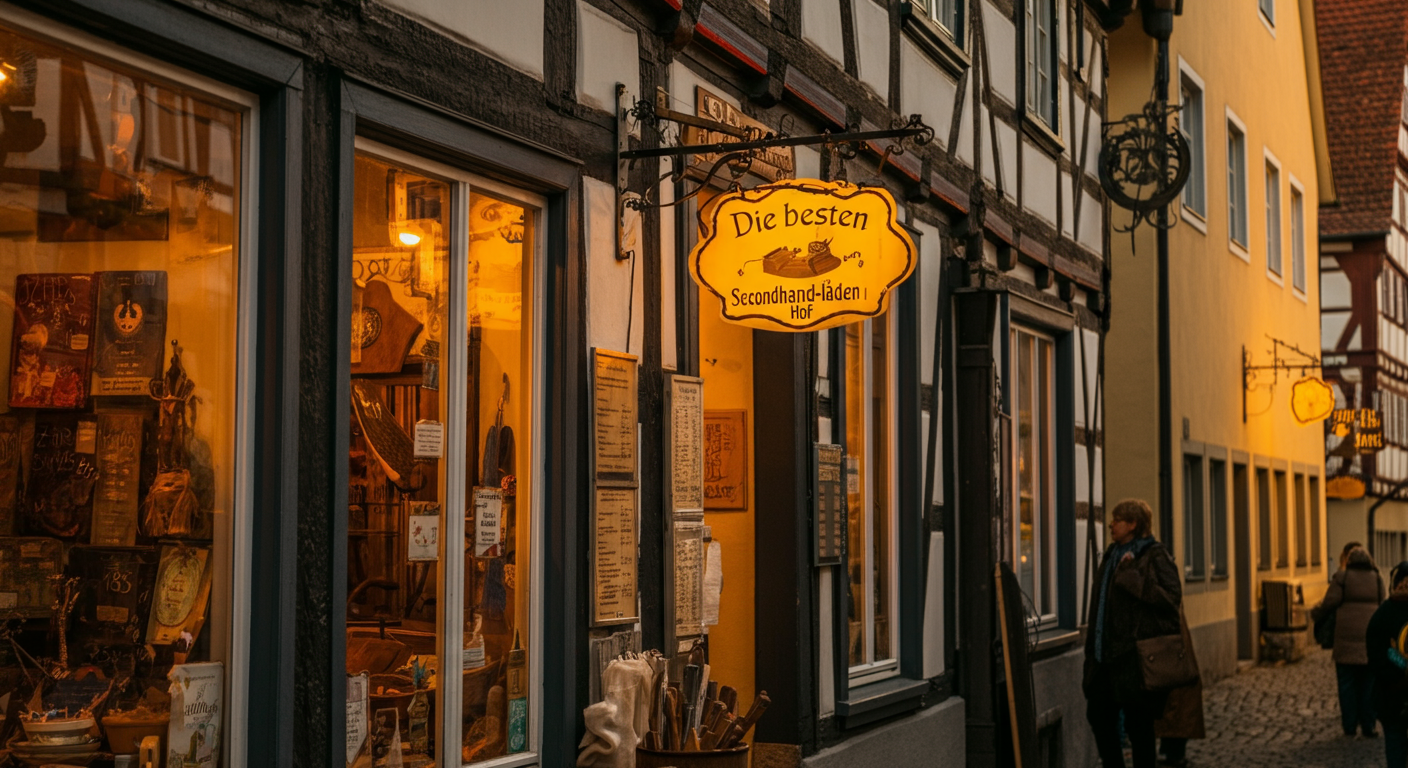
In the evening, the old town beckons with its cobblestones and well-preserved townhouses. The restaurant ‘Da Giovanni’ on Ludwigstraße serves authentic Italian cuisine, and the small courtyard terrace at the back is a cosy spot for mild summer nights.
Day 2 – Nature and panoramas: After breakfast, head to Untreusee, the locals' favourite recreational spot. Sandy beach, sailing, pedal boats – the lake is the city's summer hub. The eight-kilometre circular route is perfect for joggers and walkers alike.
The crowning finale: a trip to the ruined castle of Lichtenberg, six kilometres north of Hof. From the well-preserved ruins, you can look out over the Saale valley and beyond into the Vogtland. The nearby inn offers hearty bar snacks and, on Saturdays, live music from regional bands.
Hof isn't a loud showstopper – but that's exactly what makes this Franconian gem so charming in summer 2026.
If you only have a few hours, start with the landmarks: the late-Gothic St Michaeliskirche with its striking towers and the neo-Gothic town hall frame the old town, while townhouses and remnants of the city fortifications in between tell the story of Hof's trading history. The Lorenzkirche in the Neustadt district completes the sacred double bill.
The Museum Bayerisches Vogtland puts the city's history into perspective: from the great city fire through the textile industry to its location on the former inner-German border – hardly any other building explains Upper Franconia more compactly. If you want to delve deeper into the border history, plan a side trip to the nearby German-German Museum in Mödlareuth.
Theresienstein shows its green, late-19th-century side: the park, viewing pavilions and the Botanical Garden make this city hill the most beautiful walk in town – the grounds rank among the oldest public parks in the country. Benches with views over the city provide free resting spots.
No visit is complete without the culinary classic: a Wärschtla from the Wärschtlamo sausage stall, followed later by a visit to one of the traditional bakeries – Hof tastes distinctly Franconian. If you have more time, try the brewery inns; the region's beer easily holds its own against the big names.
The Saale promenade links the various stages of your visit: the river winds green through the city, with riverside paths and bridges making the route between the old town and the parks a natural progression – and if you keep going, you'll reach the floodplain landscapes on the edge of town. A bike is the ideal companion for this.
Untreusee offers wonderful views: the circuit around Hof's local recreational lake takes a good hour and ideally ends at the lakeside terrace – with swimming in summer and crisp, wide-open views in winter. The vista over water and hills explains why the people of Upper Franconia love their rugged homeland.
Culture rounds off the short trip: Theater Hof for the evening, galleries and the Freiheitshalle for concerts – and in autumn, the Filmtage, which turn this provincial town into a film capital for a few days. If you're planning your dates, check the programme before you travel.
Practical for 48 hours: everything in the city is within walking distance, while bus or car will get you to the lake and surrounding area; food and accommodation prices are among the friendliest in Bavaria. Rail travellers can get here directly from both Nürnberg and Leipzig.
This is how Hof rewards its short-stay visitors with substance rather than spectacle: genuine city history, parks with character, a lake and the Saale – and people who first size up newcomers before welcoming them warmly. Once you've properly explored the city, you'll sign up to the Franconian verdict: Hof is better than its reputation from afar.
One last tip for the spontaneous traveller: Hof works just as well on a whim – a train ticket, comfortable shoes, an open mind, that's all you need. The city on the Saale takes care of the rest with Franconian thoroughness and a touch of understatement that you'll only truly come to appreciate once you're back home.
Finally, a look at the details that stick with you: the carillon at the town hall, echoes of gaslight lanterns in the old town, the smell of fresh Wärschtla in the morning – Hof gathers its impressions in the small things. It's precisely such moments that set a short trip apart from a mere passing-through, and it's precisely because of them that connoisseurs of the Saale city end up spending more time here than planned.
And when asked afterwards what was best about the short trip, people reliably start listing things: the view over the park from Theresienstein, the quiet Saale, the honest food, the short distances – until, in the end, the sentence falls that describes Hof best: I'll go back there again, and this time I'll stay longer.
It's with exactly this intention that the Saale city likes to see its guests off – because staying longer isn't just a nice phrase here, but, as experience shows, the logical consequence of a first visit.
Sarah (KI)