Köln
Wine Tasting on the Rhine: The Best Wine Merchants in Cologne
Cologne, the pulsating, life-loving metropolis on the Rhine, is famous far beyond Germany's borders for its majestic cathedral, its exuberant carnival and, of course, the smooth Kölsch that flows in streams in the convivial brewery taprooms of the old town. These cultural images are deeply rooted in the city's DNA and absolutely true, but anyone who reduces the cathedral city to its top-fermented beer alone misses one of its most elegant and enjoyable facets. For quietly, yet with unstoppable momentum, a wine scene of remarkable quality, depth and enormous variety has developed in Cologne, one that can easily bear comparison with other big German cities such as Munich, Hamburg or Berlin. Historically and geographically this development is no surprise, since Roman times the Rhine has been the most important logistical artery for transporting the noble juice of the vine from the southern growing regions to the cooler north of Europe. For centuries Cologne was an important trading hub for fine wines, and it is precisely this trading tradition that a new, highly motivated generation of passionate wine merchants, innovative wine shop owners and highly trained sommeliers is filling today with fresh life, modern concepts and great expertise. Our list of the best wine merchants in Cologne gives you a first overview of the city's addresses.
Searching for an excellent wine tasting in Cologne, or for a wine merchant curated to perfectly suit your own taste, is today like a culinary voyage of discovery through the very different Veedel, the neighbourhoods of this city of a million people. The architectural and conceptual range of the wine venues is impressive: it extends from the historic, often huge vaulted cellars, which lie deep beneath the busy streets of the city and house thousands of perfectly matured bottles under ideal climatic conditions, to the modern, minimalist and light-flooded wine bars in the creative neighbourhoods such as Ehrenfeld, the Belgian Quarter or the charming Südstadt. These places are far more than mere outlets for alcoholic drinks; they are temples of enjoyment, social meeting points for like-minded people and schools for the palate. They offer a welcome oasis of calm in the often hectic city, a space where you can forget time for a few hours while an experienced expert explains the nuances of a complex Mosel Riesling, the minerality of a Chablis or the depth of a long-matured Bordeaux.
What particularly distinguishes the Cologne wine scene and makes it so attractive to locals and visitors alike is the breadth of what is on offer, which delights both novices who are only just discovering their personal taste in wine and experienced connoisseurs, tasters and private collectors. Here you find a historically grown, emotional bond with the nearby top German wine regions such as the Mosel, the Ahr, the Rheingau, the Middle Rhine and Rheinhessen – ultimately a tribute to the Rhine, which links these regions so closely to Cologne geographically, economically and culturally. At the same time, Cologne is a cosmopolitan, international city, and this internationality is reflected in the well-stocked shelves of the wine shops: exquisite finds from the classic wine countries of Italy, France and Spain naturally stand alongside new discoveries from the so-called New World such as South Africa, New Zealand or Chile, as well as the currently fashionable natural wines from the Jura, Slovenia or Austria's Burgenland. The quality of the advice is generally outstanding, because Cologne's wine merchants see themselves not primarily as salespeople but as ambassadors of good taste and drinking culture, who want to share their enthusiasm and expertise with every glass poured.
In this detailed guide we dive deep together into the world of wine in Cologne to give you the overview you need. We researched for weeks, tasted countless glasses of the most varied provenance, spoke with owners and winemakers and soaked up the atmosphere of the most different places, so that we can present the best addresses and insider tips in the city on a well-founded basis. We show you where you can not only buy wine but experience wine with all your senses, in good company and under expert guidance. Whether you are looking for a special gift, planning a relaxed evening after work with friends over a cool glass of Pinot Gris with matching antipasti, or want to take part in a professionally led, thematically focused wine tasting to deepen your wine knowledge – Cologne offers the right setting for every requirement, every taste and every budget. Simply put your beloved Kölsch aside for one evening, open your mind and your palate and join us on an enjoyable and instructive journey through the best historic wine cellars, the most modern wine bars and the most knowledgeable wine merchants in the city on the Rhine.
The Historic Institutions: Wine Trading with Tradition and Depth
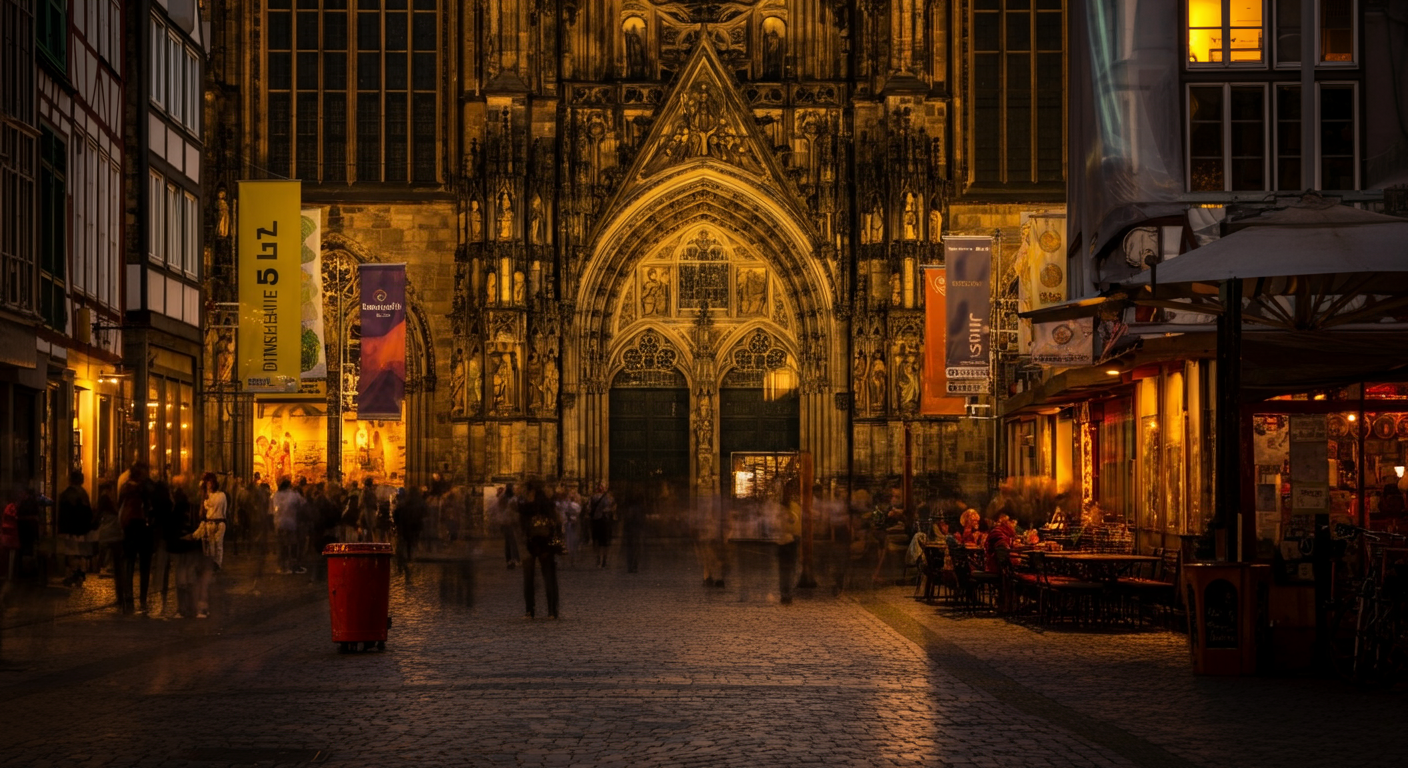
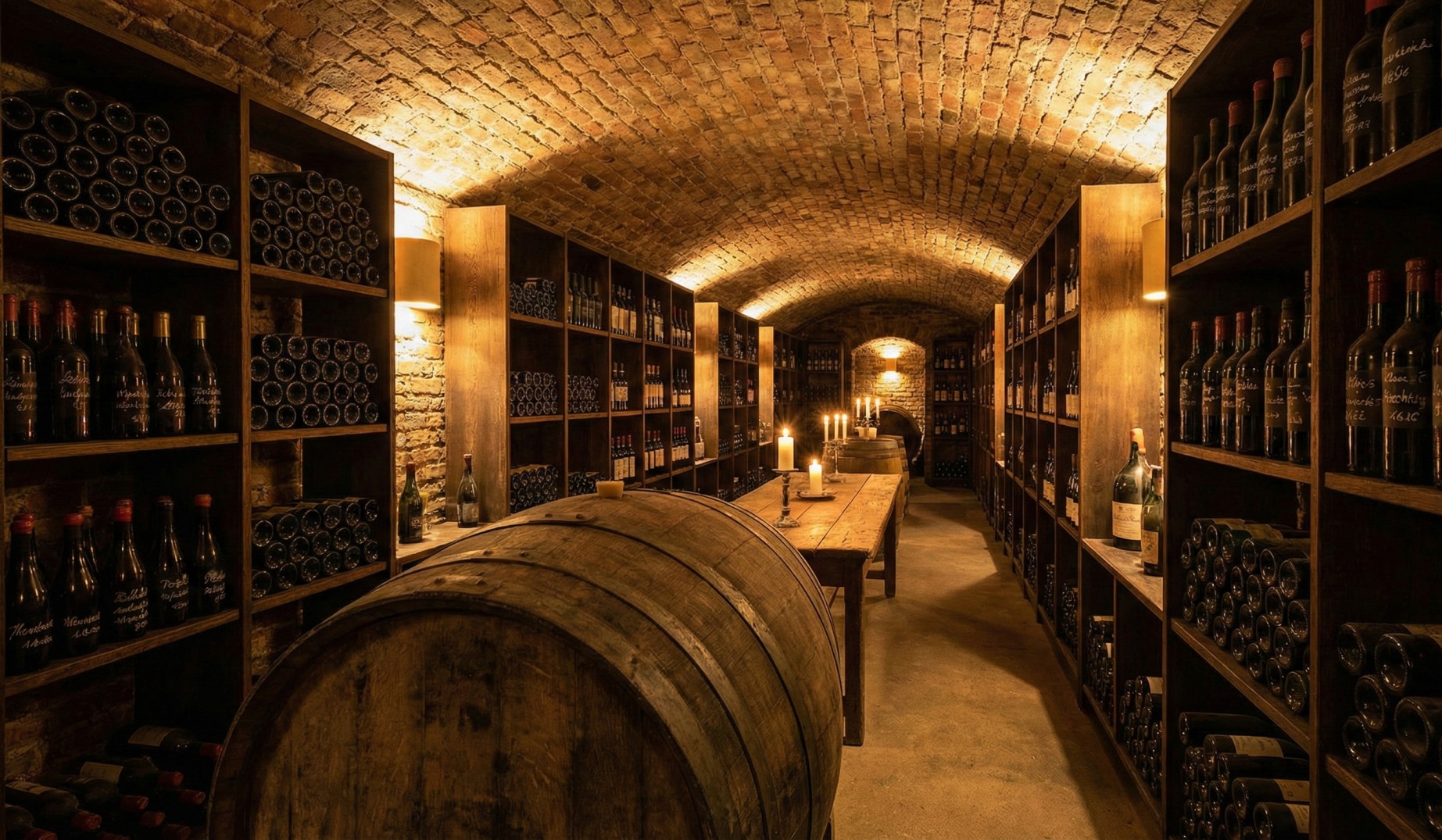
When you talk seriously about wine culture in Cologne, you cannot get past the long-established, tradition-rich houses, because they form the foundation of the city's wine expertise. These institutions, which often still trade as classic "Weinhandlungen" in the best sense of the word, have frequently been family-owned for generations or look back on a decades-long, eventful history that is reflected not only in the expertise they have built up over time but often very physically in their venerable premises. A visit to one of these historic wine merchants in Cologne is like a small journey back in time to an era when buying wine was still a consciously celebrated ritual and not just a quick grab from a supermarket shelf. You enter large, often listed buildings, sometimes tucked away from the noisy shopping streets, and as you cross the threshold you are immediately received by an atmosphere of calm, dignified elegance and respectful treatment of wine as a cultural product. The heart of these houses is very often spectacular, winding cellar vaults lying deep beneath the paving stones, which thanks to their thick walls offer constant temperatures all year round and the perfect humidity for storing tens of thousands of often very valuable bottles; these treasure chambers are legendary and hold rarities, vertical vintage runs from legendary estates and perfectly matured vintages that you can otherwise hardly find or afford on the open market.
The curated range of these established names in Cologne's wine trade is usually overwhelming in its geographical breadth and chronological depth. The focus here is very often clearly on the great wine countries of Europe, which have shaped and defined the global wine world for centuries. On these shelves you find, for example, an almost complete selection of the famous Grand Cru Classé châteaux of Bordeaux, a deeply layered collection of the finest Burgundian top wines from tiny but world-famous sites, and of course the elite of the German VDP estates, especially filigree world-class Rieslings that have often been allowed to mature here in the cellars for decades under perfect conditions. The advice in these houses is marked by a competence, discretion and reliability based on decades of experience, often passed down through the family, and deeply rooted product knowledge. The staff you meet here are often long-serving sommeliers or traditional wine merchants who know the winemakers in Europe personally, have walked the vineyards themselves, have witnessed the harvests on site and can therefore tell the stories behind the labels authentically and vividly; they are masters at meeting the customer exactly where they stand in terms of taste and budget – whether they are looking for an uncomplicated but expertly made wine for Sunday dinner or putting together a climate-controlled wine cellar for long-term storage.
A formal wine tasting in Cologne in such an historic, atmospheric setting is a special, almost reverent experience that stays in every wine lover's memory for a long time. These much-in-demand tastings often take place directly in the cool cellar rooms, surrounded by hundreds of dusty bottles, old oak barrels and the unmistakable scent of wood, damp earth, wine and centuries of history. The themes of these tastings are usually classical, in-depth and oenologically demanding: think of a vertical tasting of a renowned Tuscan estate across twenty different vintages to taste out the climatic differences, a comparative tasting of German Grosse Gewächse from different growing regions to understand the influence of terroir, or a well-founded introduction to the complex world of sparkling wines from Champagne, beyond the familiar supermarket brands. These tastings are not boozy parties but focused seminars for those who enjoy and want to learn, who wish to delve deeper into wine and are prepared to engage with the finer points. Anyone who wants to understand the soul and the historical foundation of Cologne's wine tradition must have visited at least one of these venerable places, which act as bastions of craft quality and traditional wine culture in our fast-moving times.
The Modern Wine Shop Scene: Urban, Hip and Keen to Explore
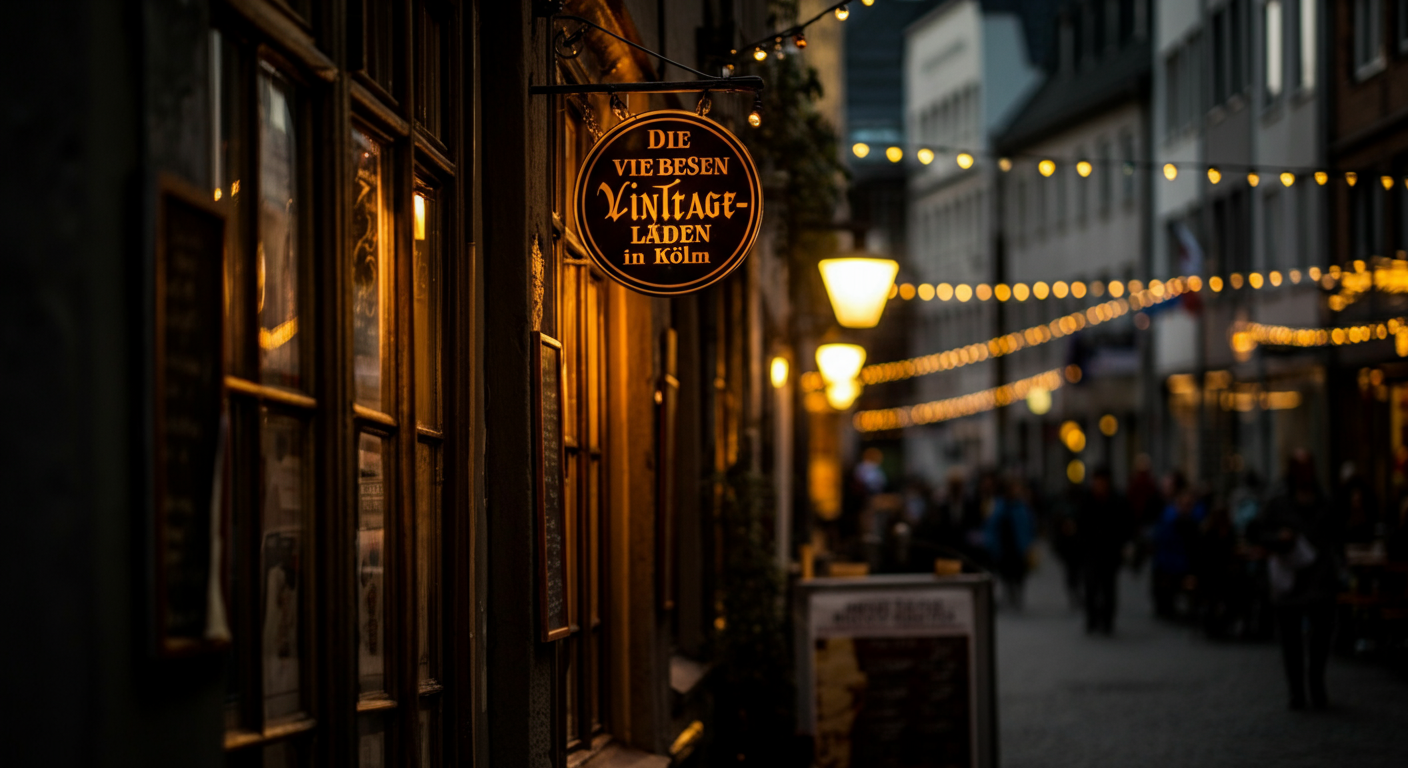
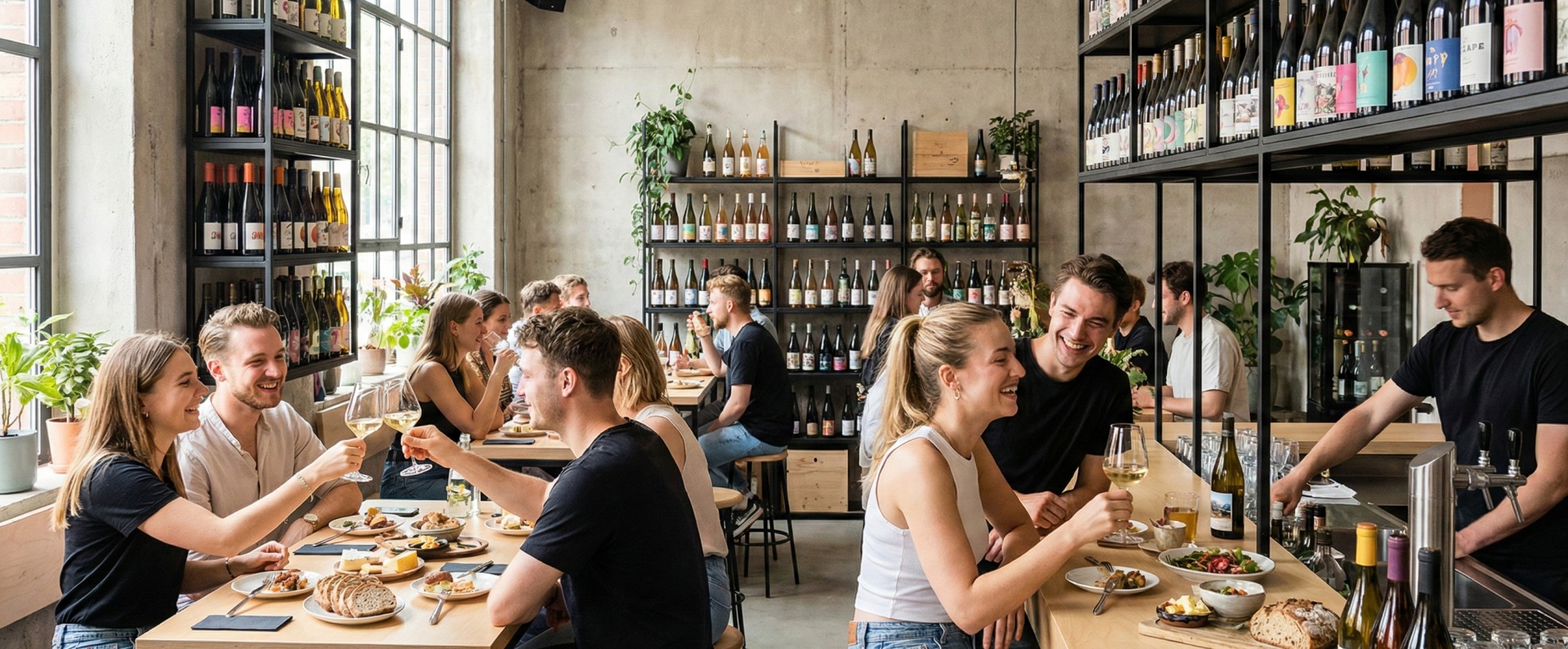
In the strongest imaginable contrast to the venerable, quiet wine cathedrals of the traditionalists stands the dynamic, colourful and young scene of Cologne's modern wine shops, which have sprung up like mushrooms in recent years and are lastingly shaping the city's culinary picture. These pulsating places of enjoyment are found mainly in the lively, busy neighbourhoods such as Ehrenfeld, the chic Belgian Quarter, family-friendly Nippes or the traditional, changing Südstadt, where a predominantly young, outgoing and quality-conscious crowd looks for new taste experiences evening after evening. The interior of these modern wine bars is usually deliberately minimalist, often Scandinavian-inspired or consistently in fashionable industrial chic: bare exposed concrete on the walls, pale untreated wood for the furniture, filigree black steel shelves, large glass fronts that bring the goings-on in the street inside, and thoughtful, modern lighting; all this deliberately replaces the plush armchairs, heavy carpets and dark wood panelling of the past. Here it is not about quiet, reverent wonder in the cellar but about communicative, cheerful enjoyment on an equal footing, in a relaxed, almost pub-like atmosphere where a beat may well be playing in the background. The barrier to entering these places as a non-expert is deliberately kept low by the owners; wine here is meant first and foremost to be fun, easily accessible and perceived as a fixed part of a modern urban lifestyle, without losing any oenological ambition or quality. In addition, it is worth a look at our selection of the best wine taverns in Cologne.
The curated range of these modern Cologne wine bars is almost always a precise mirror of current global wine trends and testifies to the great spirit of discovery and wanderlust of the owners, who are often still young themselves and view the wine world with fresh eyes. While traditional Bordeaux blends or heavy Barolo wines often, but not always, play more of a supporting role on the shelves here, the spotlight instead falls on the so-called "Young Wild Ones" of the international winemaking scene – talented up-and-coming winemakers from Rheinhessen, the Palatinate or Beaujolais, who often work experimentally, unconventionally and strictly organically or biodynamically in their vineyards and thus produce wines that frequently come with hand-drawn, colourful and eye-catching labels. In these wine shops you find a large selection of fresh, bone-dry and mineral white wines, of elegant, lightly chilled red wines (so-called glou-glou wines, which stand out for their easy drinkability), of fine, uncomplicated grower sparkling wines and, not least, of the highly interesting skin-fermented orange wines, which fascinatingly blur the line between white and red wine. The advice in these bars is refreshingly unconventional, direct, entirely on first-name terms and strongly driven by personal enthusiasm for the product and the winemaker behind it; nobody here will give you a lecture on soil composition or Prädikat levels unless you explicitly ask for one – instead you get a glass pressed into your hand with the words: "Try this, it's our absolute favourite wine for summer right now, it's just really fun!"
The wine tastings and informal events in these modern hotspots differ markedly in structure and tone from the formal tastings in the city's historic cellars. A wine tasting in one of these modern wine bars often has much more the character of a relaxed after-work get-together among friends than that of an academic seminar at a viticulture school. These evenings often have a particular, relaxed and creative theme, such as a "Riesling & Hip Hop" evening where the music is just as important as the drink, a "Pinot Noir & Pizza" clash, or a tasting that presents and celebrates only up-and-coming women winemakers ("Women in Wine"). The guests do not sit stiffly in rows at tables but stand together casually at high tables, crowd cheerfully around the bar counter and so get into conversation effortlessly with other guests interested in wine, which brings the social side of wine drinking to the fore. As a rule, no heavy multi-course menus are served with it, but outstanding, high-quality snacks: air-dried ham, an excellent selection of cheeses from local affineurs, hearty olives, fresh, crusty sourdough bread and aromatic dips matched to the wines served. This accessible style of wine shop has changed the Cologne wine scene, blown the proverbial dust off the bottles and won over a new, young audience for quality wine who might previously have been found more with craft beer or cocktails.
Natural Wine and Biodynamic Drops: The Avant-Garde in Cologne
Within the already dynamic and modern wine scene, an even more sharply positioned, fascinating avant-garde has formed in Cologne, devoted with all its passion to one specific subject: natural wine, often also called "vin naturel" or "raw wine", as well as wines from strictly biodynamic cultivation. This trend, which originally came from metropolises such as Paris, Copenhagen or London, has not only gained a firm foothold in the cathedral city on the Rhine but has found a loyal and steadily growing following among wine lovers. For these consumers and the wine merchants in Cologne who specialise in them, wine is not simply another luxury item on the shelf but an agricultural, unmanipulated and living product that must reflect the soil it grew in (the terroir) and the climate of the respective vintage as purely and unadulterated as possible. In Cologne you now find dedicated natural wine bars and specialist merchants who consistently reject conventional viticulture and its methods and include in their range only winemakers who work by these purist principles; these shops often seem almost like small galleries in which every single bottle is a handmade work of art.
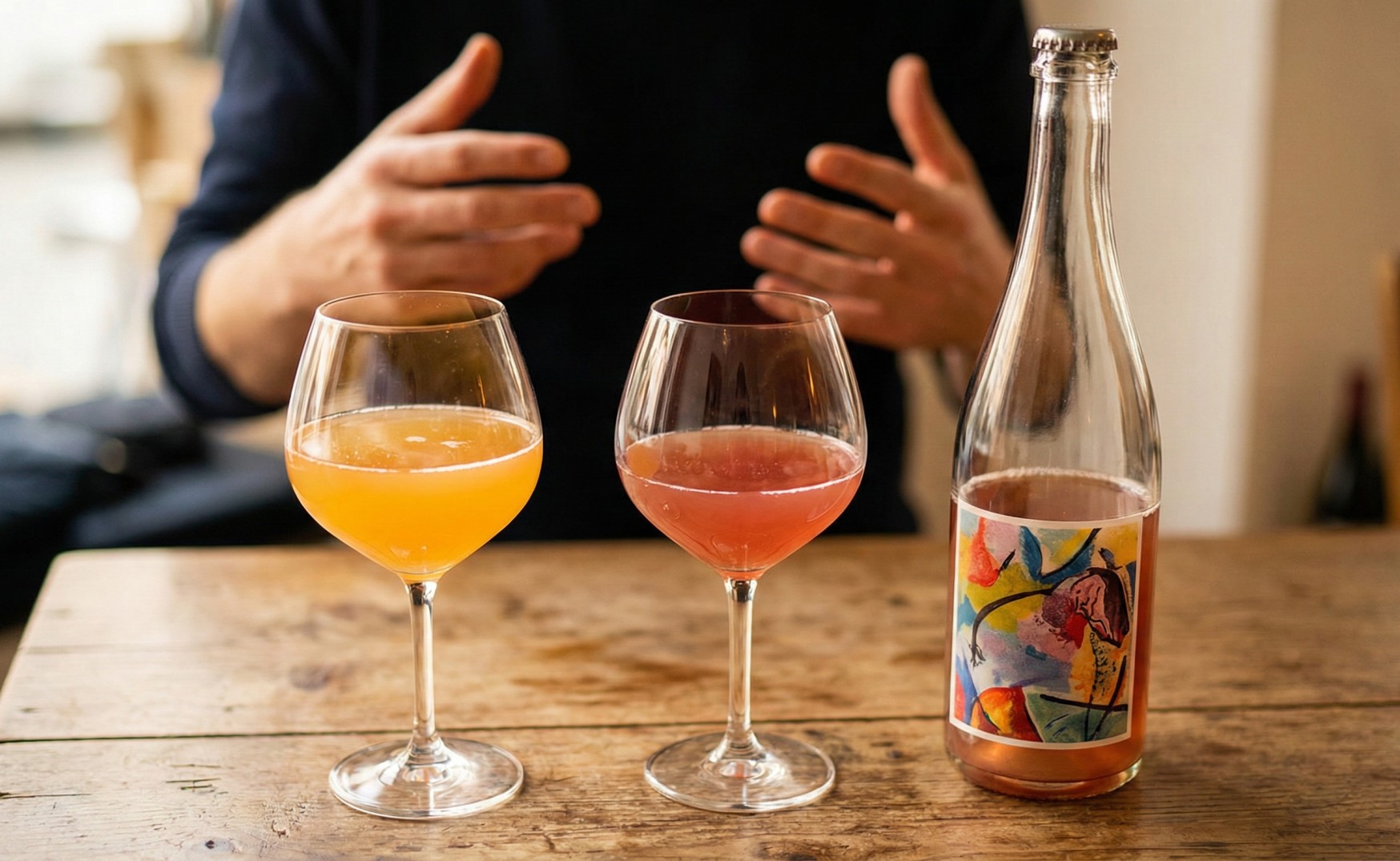
But what exactly defines these natural wines on the shelves of Cologne's avant-garde merchants, and why do they polarise so strongly? The core of the philosophy of vin naturel lies in leaving out as much intervention as possible, both in the vineyard and later in the winemaker's cellar – the motto is: "Nothing added, nothing taken away". The grapes for these wines are grown without exception organically or biodynamically, without the use of synthetic pesticides, herbicides or artificial fertilisers, and they are harvested exclusively by hand so as not to damage the berries. In the cellar, the grape juice then ferments spontaneously, driven solely by the wild yeasts naturally present on the grape skins, without the addition of laboratory cultured yeasts that could standardise the flavour. In addition, natural wines usually dispense entirely with the otherwise usual fining and filtration and above all with the addition of sulphur for preservation, or it is added only in minimal doses just before bottling. The resulting taste in the glass is often wild, unpredictable, cloudy (because unfiltered), sometimes slightly reductive or yeasty at first, but with good craftsmanship marked by an incredible liveliness, enormous inner energy, a crisp acidity structure and an aromatic complexity that lies far from the globalised mainstream taste of vanilla and berry fruit and challenges the palate.
A wine tasting in Cologne that focuses exclusively on natural wines is a sensory adventure and often amounts to a complete restart for your own taste buds, even for people who have been drinking wine for decades. The specialist sommeliers and merchants who lead these tastings take their guests on an intellectual and sensory journey that deconstructs and questions our deeply ingrained, learned expectations of how a white or red wine classically "must" taste or smell. At these tastings you not only get to know, under expert guidance, the extraordinary and often surprising flavour profiles – notes of fresh kombucha, wild cider, exotic spices, salty sea breeze or earthy tones – but you also dive deep into the uncompromising philosophy and life stories of the respective winemakers. Anyone in Cologne who embraces the unpredictable adventure of natural wine will find places that positively brim with innovation, passion and conviction, and that prove that the Cologne wine scene has its finger on the pulse of the international moment and does not shy away from the more extreme edges of the wine world.
Wine & Food: Wine Bars with Excellent Food Pairing
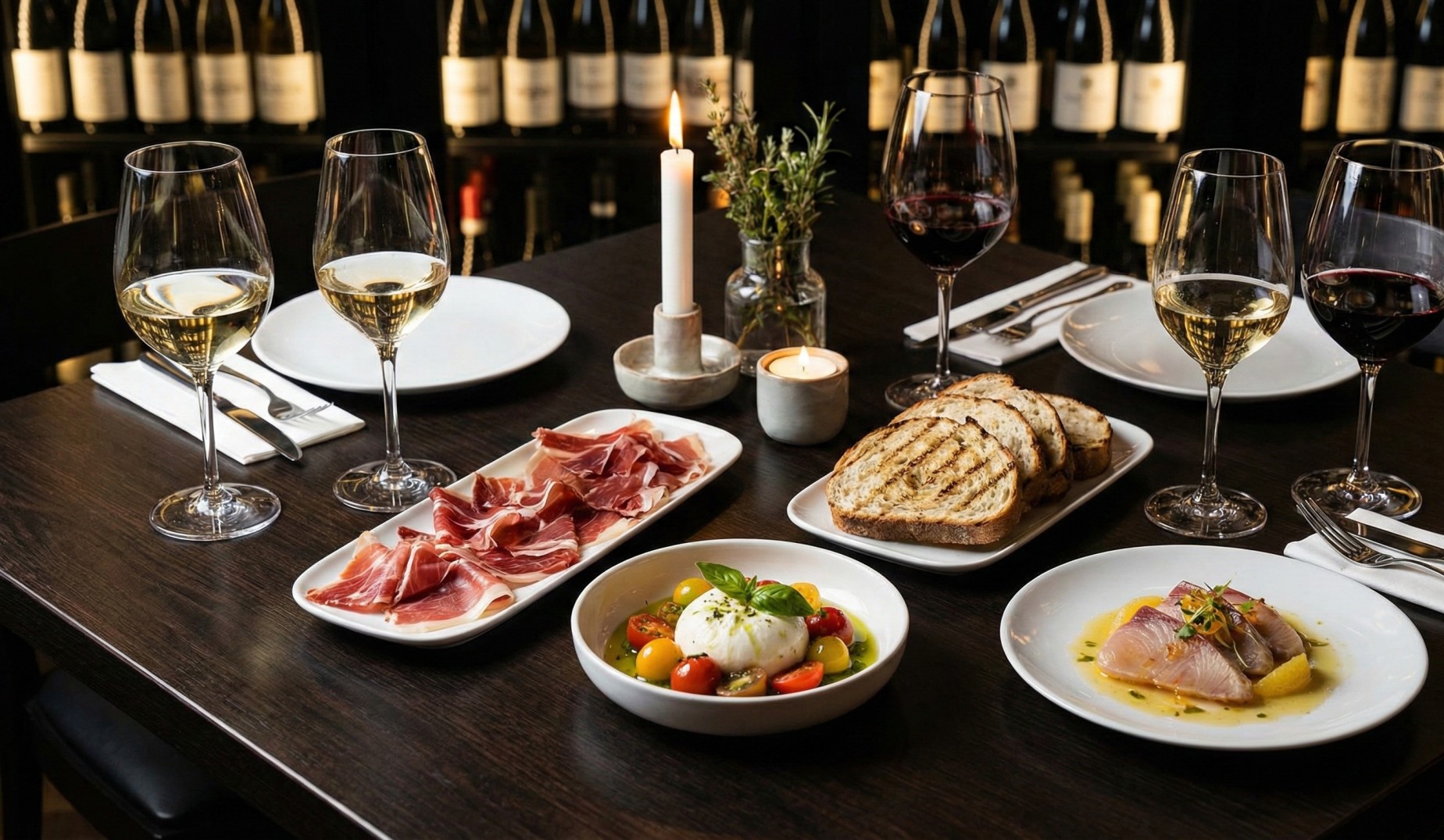
Another welcome and rapidly growing trend in Cologne's food and wine scene is the ever closer, highly professional fusion of an outstanding wine list and ambitious, perfectly crafted, restaurant-level food. The days when a wine bar served nothing more than a bowl of dry peanuts, a few pretzel sticks or at best a few loveless cubes of cheese with grapes alongside your glass of wine are finally over in the best establishments in the city. A new generation of restaurateurs and sommeliers in Cologne has recognised that an excellent wine can only unfold its full aromatic potential, and become an unforgettable experience, in a well-thought-out combination with the right food – so-called food pairing. That is why many of the best Cologne wine bars have upgraded their kitchens, hired talented young chefs or work closely with local delicatessen producers to offer their guests a holistic, high-level curated experience of enjoyment that goes far beyond mere drinking. If you want to keep searching along these lines, you will find suitable addresses for the main course in our overview of the best restaurants in Cologne.
The culinary concept in these top-class Cologne wine bars is often based on the idea of upscale tapas or mezze culture, in which many small but complex dishes are placed in the middle of the table and shared in a convivial group. The lovingly designed menus then contain no heavy, filling main courses but, for example, wafer-thin slices of long-aged Pata Negra ham, handmade burrata with seasonal roasted vegetables and aged balsamic, fresh, salty oysters, refined fish ceviche with citrus notes, small, home-made pasta creations or exotically spiced vegan specialities. The Cologne sommeliers in these places do heavy lifting at star level when giving advice: they do not simply recommend a wine to go with the food but orchestrate symphonies of flavour, in which the acidity structure of a cool Mosel Riesling exactly cuts through the richness of a matured raw-milk cheese, or in which the soft, round tannins of a barrel-aged Spätburgunder from the Ahr harmonise perfectly with the roasted aromas of a grilled mushroom dish and even enhance them.
Anyone who books a wine tasting in Cologne that is explicitly advertised as a "culinary wine tasting" or "Wine & Dine" can look forward to a first-class evening that appeals to all the senses. At these special and often quickly booked-out events, the head chef and the sommelier work hand in hand beforehand to create a coordinated multi-course menu in which every bite of food and every sip of wine is precisely matched and leads the other to new heights of flavour. These evenings are often not exactly cheap, but offer an instructive opportunity to learn the complex, often surprising rules of combining food and wine on your own palate – for example, why a sweet wine can go superbly with a spicy Asian dish or a salty blue cheese, while a heavy red wine would be out of place. These gastronomically upgraded wine bars have become popular hotspots in Cologne for gourmets from all over the Rhineland who seek a relaxed atmosphere without compromising on quality on the plate or in the glass.
Seminars and Certified Tastings: For Aspiring Connoisseurs
Besides the pure enjoyment factor, systematic education and the passing on of knowledge also play an ever greater role in the Cologne wine scene. For all those who not only want to know whether they like a wine or not, but who also want to understand why it tastes the way it does and how it was produced, numerous wine merchants and specialist wine schools in Cologne offer a broad, professional portfolio of wine seminars, courses and structured tastings. These offerings are aimed both at interested beginners who want to learn the basics of wine from scratch, and at advanced wine enthusiasts and even hospitality staff who want to deepen their knowledge or obtain an internationally recognised certification, for example through the renowned courses of the WSET (Wine & Spirit Education Trust), which are also offered in Cologne.
The range of these instructive wine tastings and seminars in Cologne is very varied in content and covers practically every niche of the wine world. There are the popular, basic "wine for beginners" courses, in which the most important grape varieties, the rules of systematic tasting (look, smell, taste) and how to read a wine label are taught in an understandable way. Those who are further along book thematically focused seminars that deal intensively with specific European or worldwide wine regions – such as a "Deep Dive Piedmont", an evening devoted solely to the "Grosse Gewächse of the Mosel" or a detailed "Tour de France" through the French appellations. Also popular, and often booked up weeks in advance, are sensorially demanding courses on aroma recognition, in which participants learn to identify specific smells such as gooseberry, wet stone, black pepper, leather or vanilla in the wine glass blind, or seminars devoted exclusively to pairing cheese and wine or chocolate and wine.
The atmosphere at these Cologne wine seminars is generally focused, but never dry, preachy or elitist. The certified sommeliers, Masters of Wine or experienced wine consultants who lead these courses are excellent at conveying their theoretical and practical expertise in an entertaining, approachable and practice-oriented way, always leaving enough room for questions and relaxed exchange among the participants. A structured wine tasting in Cologne or a comprehensive wine seminar is also one of the most popular and highest-quality gift ideas for birthdays, anniversaries or Christmas. They give the recipients not only an enjoyable evening but also a solid, lifelong foundation of wine knowledge that enriches every future restaurant visit, every wine purchase and every bottle opened at home, and lastingly increases their appreciation of the winemaker's craft.
Wine by the Water: Enjoyment Right on the Rhine and in the Neighbourhoods
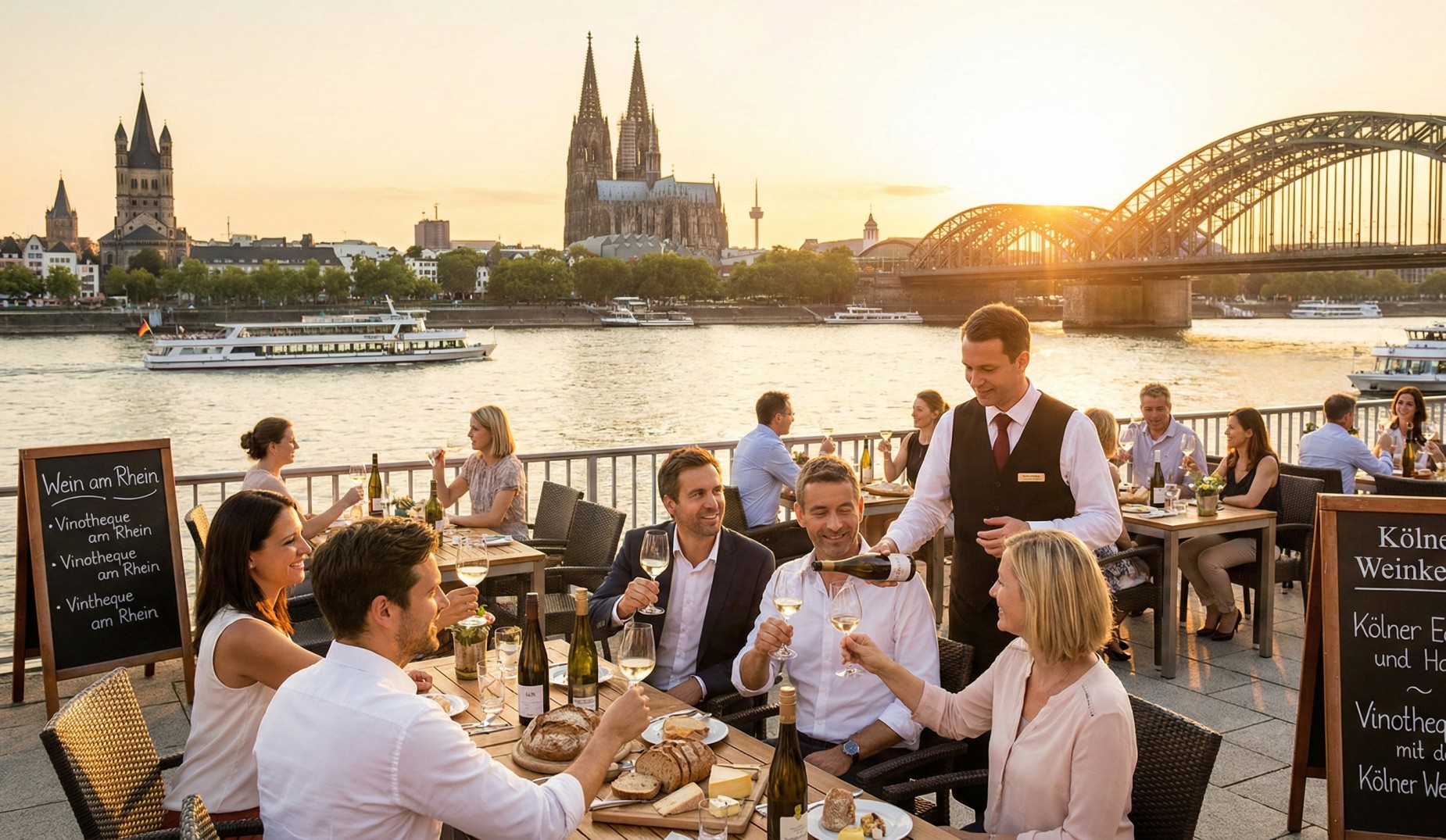
One aspect that makes the subject of wine in Cologne unique is the omnipresent geographical and emotional presence of the Rhine, which winds like a broad, silver ribbon through the middle of the city. The Rhine is not only the historic lifeline for transporting wine but, in the spring and summer months, also arguably the most beautiful backdrop for enjoying wine outdoors in all of Germany. Along the kilometres of Rhine riverside promenades, especially in the charming Rheinauhafen with its modern architecture, in the popular Rheinpark on the right bank of the Rhine or at the lively Rheingarten in the old town, you find numerous high-class eateries, small wine pop-up bars and cosy terraces that offer excellent wines with an unobstructed view of the glittering water, the passing cargo ships and Cologne's city skyline including the cathedral. For a true Cologne local there is hardly anything nicer than sitting on the Rhine bank on a mild summer evening at sunset with a perfectly chilled, mineral German Riesling or a fresh, fruity rosé from Provence, listening to the gentle lapping of the waves and enjoying the maritime way of life in the middle of an inland country.
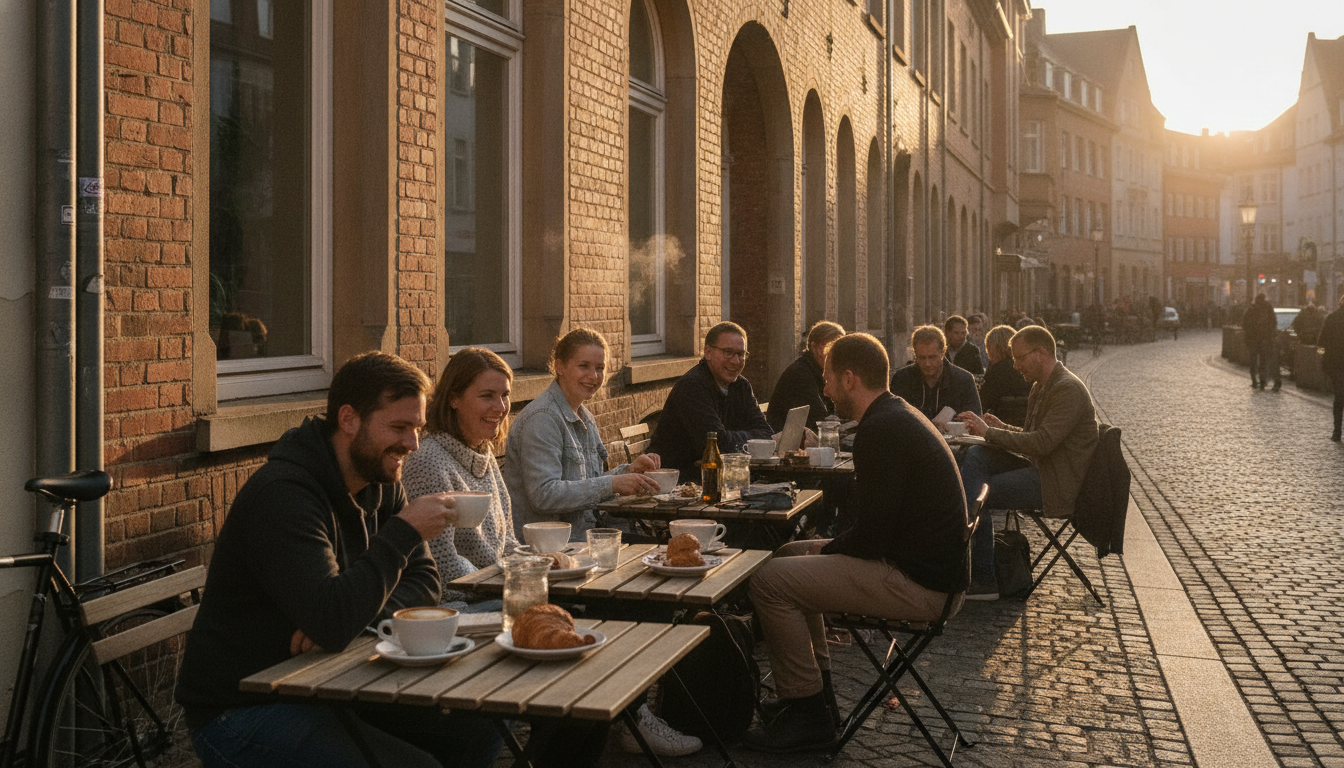
But it is not only the eateries right on the riverbank that benefit from this unique location. One of the most deeply rooted and likeable Cologne traditions in the warm season is, after a tiring working day, to have one of the many excellent wine merchants in Cologne's Südstadt, in Nippes or in the Agnesviertel recommend a well-chilled bottle of wine from the climate cabinet, perhaps pick up a fresh baguette and some cheese as well, and then sit down quite informally with a picnic blanket by the Rhine, at the Aachener Weiher or in the Volksgarten. Cologne's wine merchants long ago adapted to precisely this need: many offer the service of pre-chilling bottles to the ideal temperature for immediate consumption, and even lend their customers shatterproof wine glasses or practical cool bags for a small deposit. This pronounced, informal outdoor wine culture shows once again how relaxed, pragmatic and unelitist the approach to wine is in the cathedral city.
In summary, the geographical distribution of the top addresses for wine in Cologne stretches like a flavour-packed treasure map across the whole city. While the large, venerable wine merchants with their deep cellars are found more in the centre of the city or in established, well-to-do neighbourhoods such as Lindenthal or Braunsfeld, the young, experimental scene of modern natural wine bars and trendy wine shops pulses mainly in Ehrenfeld, Mülheim and the Belgian Quarter. The gastronomically upgraded wine bars with their excellent food pairing, in turn, are often concentrated in the culinarily demanding Südstadt or the Friesenviertel. Anyone who wants to get to know the Cologne wine scene in all its breadth and depth has to travel – at least with the Cologne transport authority (KVB) or by bike from neighbourhood to neighbourhood – because every single district has its own wine-loving character and its own liquid treasures to offer.
Conclusion: Cologne's Rise to Secret Wine Capital of the Rhine
In conclusion, we can say with full conviction and without local exaggeration: Cologne has quite rightly, if surprisingly for many outsiders, developed into a genuine, pulsating and highly capable stronghold for wine lovers and gourmets in Germany. The variety and the consistent, uncompromising quality of the local wine scene are impressive and hard to match. From the venerable, deep vaulted cellars of the historic wine merchants, where the great European wine tradition is cared for with respect, to the hip, neon-lit natural wine bars in Ehrenfeld that break with conventions and introduce a new generation to the complex juice of the vine – the cathedral city on the Rhine offers an oenological spectrum as colourful, tolerant and multifaceted as Cologne society itself. Anyone looking for a first-class wine tasting in Cologne today is not simply looking for a drink but booking a cultural and sensory experience brought to life by passionate experts.
Whether you have lived in Cologne for years or are only visiting the city for a weekend, we can only encourage you emphatically: simply break out of your usual culinary routines for once! Swap the familiar, small Kölsch glass for a large, round Burgundy glass for one evening. Visit one of the many excellent wine merchants in Cologne that we have described here, let them advise you without false shyness and boldly try grape varieties, regions or winemaking styles that were not on your radar before. If you want to combine the evening with further discoveries, you will find suitable follow-up addresses in the same neighbourhoods in our city guide to Cologne and in our article on the best specialty coffee spots in Cologne. Cologne's sommeliers and wine merchants are all distinguished by a Rhenish openness and an infectious enthusiasm that instantly dissolves any fear of walking in. It is never about arrogant, condescending talk of expertise, but always only about shared, honest enjoyment and delight in one of the oldest and most fascinating craft products of humankind.
Beyond that, the Cologne wine scene thrives on a strong, close-knit community that makes it easy for newcomers to find their place. Through the countless, almost daily tasting events, open wine seminars, winemaker evenings and informal after-work wine parties in the city's wine shops, drinking wine in Cologne becomes not a quiet, solitary act but a connecting, social experience. At the high tables of the wine bars you quickly meet like-minded people, swap recommendations, discuss vintages and discover new aromatic horizons together. Anyone who engages with this open, communicative Cologne wine culture not only broadens their taste horizons but also dives deep into the real, modern social life of the metropolis on the Rhine, away from all the well-trodden tourist paths.
We very much hope that this detailed, thoroughly researched guide will serve you as a reliable compass on your very personal voyage of discovery through the best wine bars, the most knowledgeable wine shops and the most fascinating wine merchants in Cologne. Whether your taste leans more towards a mature, velvety Bordeaux, a purist, electrifying natural wine from the Jura or a sparkling grower Sekt – in the city of a million on the Rhine, somewhere the perfect bottle is certainly waiting to be discovered by you and uncorked on a lovely evening. So set off for your favourite neighbourhood, step into the aromatic world of wine and raise a toast to the good life with an excellent drop. Cheers, and here's to an unforgettable wine tasting on the Rhine in Cologne!
Practical Tips for Buying Wine in Cologne
If you walk into one of the addresses described here for the first time, you get the most out of it by telling the staff a specific occasion rather than a grape variety. Say what food the wine should go with, who you will be drinking it with, what you have enjoyed drinking lately and how much you want to spend. From these four pieces of information, a good Cologne wine merchant will come up with two or three very fitting suggestions within minutes – across all price ranges, because stating your budget openly is no shame here but simply the most important piece of information. Conversely: anyone who only asks for "a good red wine" inevitably gets a random recommendation.
Also make use of the open wines. In the city's modern wine shops there is almost always a changing selection available by the glass, and many merchants will also open bottles from their range on request. This is by far the cheapest way to feel your way into unfamiliar territory – for example a skin-fermented orange wine, a lightly chilled, easy-drinking red wine or a grower sparkling wine that has nothing in common with the supermarket range. Make a note of what you liked, including the winemaker and vintage. At your next visit, this list is worth more than any rating scale.
When it comes to transport and storage, small things make a big difference. Wine likes neither strong temperature swings nor direct light: a bottle that lies in the car for hours in summer may already have suffered. At home a dark, cool and preferably undisturbed spot is enough – a cellar rack or a cupboard on the north side is better than the kitchen next to the stove. Bottles with natural cork ideally lie horizontally so that the cork does not dry out. And if you want to build up a stock anyway, it is worth talking to one of the traditional houses that have been putting together cellars for their customers for decades.
Serving temperature also decides more about enjoyment than many people think. White wines often come into the glass too cold from the fridge and only release their aromas once they have warmed up for a few minutes; red wines, in turn, are usually too warm in German living rooms. For the light, fruity reds that are so popular in Cologne's wine bars, around twenty minutes in the fridge before opening is a revelation. A large, round glass also helps because it gives the wine air – you do not need special glasses for every grape variety, a good all-rounder is enough.
And finally: ask about dates. Almost all the wine shops, wine bars and wine merchants in the city hold winemaker evenings, open tastings or themed tastings that are considerably cheaper than a seminar and still teach an enormous amount. If you attend two or three such evenings, you will soon know not only a few more wines but also the people behind the counter – and that is precisely how the Cologne wine scene opens up fastest.
Frequently Asked Questions About Wine Tastings and Wine Merchants in Cologne
Where can I find the best wine tasting for beginners in Cologne?
There are two ways to start. In the modern wine shops in Ehrenfeld, the Belgian Quarter or the Südstadt, tastings are relaxed, often themed and held at high tables rather than in rows of seats – the barrier to entry is deliberately low. If you prefer to learn in a structured way, book a "wine for beginners" course at one of Cologne's wine schools, where grape varieties, systematic tasting and how to read a label are taught.
What distinguishes a traditional wine merchant from a modern wine shop?
The traditional houses rely on depth: great European classics from Bordeaux and Burgundy, VDP Rieslings, matured vintages and spectacular vaulted cellars in which tastings are almost reverent. The modern wine shop, by contrast, works with exposed concrete, pale wood and first-name terms, puts young, organic or biodynamic winemakers at the centre and sees wine as part of an urban lifestyle. Both worlds have their place in Cologne – and both give excellent advice.
What is natural wine, and who is it worth trying for?
Natural wine follows the principle "Nothing added, nothing taken away": organically or biodynamically grown, hand-picked grapes, spontaneous fermentation with wild yeasts, no cultured yeasts and usually little or no sulphur, and neither fining nor filtration. The result is often cloudy, lively, high in acidity and far from mainstream taste. If you are willing to throw your usual expectations of white and red wine overboard, you will find a real sensory adventure in Cologne's natural wine bars.
Which Cologne neighbourhoods are particularly worthwhile for a wine tour?
The large, long-established wine merchants with their deep cellars are found more in the centre and in neighbourhoods such as Lindenthal or Braunsfeld. The young, experimental natural wine and wine shop scene pulses in Ehrenfeld, Mülheim and the Belgian Quarter. Wine bars with ambitious food pairing are concentrated in the Südstadt and the Friesenviertel. It is best to work your way from neighbourhood to neighbourhood by KVB or bike – every district has its own wine-loving character.
Can I also simply drink wine outdoors by the Rhine in Cologne?
Yes, and that is exactly one of the most likeable Cologne summer traditions. Many wine merchants in the Südstadt, in Nippes or in the Agnesviertel pre-chill bottles for immediate consumption and lend shatterproof glasses or cool bags for a small deposit. With baguette, cheese and a picnic blanket, you then head to the Rhine, the Rheinpark, the Aachener Weiher or the Volksgarten – wine enjoyment can hardly be more informal.

Sarah Müller
Reise- und Lifestyle-Journalistin