Klosterneuburg
Hidden Gems: Insider Tips in Klosterneuburg

Klosterneuburg, just a stone's throw from Wien, is far more than the famous abbey and its rich winemaking heritage. This Lower Austrian town harbours numerous hidden gems that even many locals don't know about – and which make a trip off the beaten path well worth it.
Away from the tourist routes, a lesser-known hiking trail winds through the Klosterneuburger Au, a nature reserve along the Donau that surprises with its biodiversity and tranquillity. Unlike the heavily frequented paths around the Kahlenberg, this trail offers genuine peace and unexpected views of the river. An ideal spot for nature lovers wanting to experience the Donau valley from a different perspective.
Another insider tip is tucked away in the Kierling district. There you'll find a small, privately run sculpture garden, accessible only by prior arrangement, showcasing works by regional artists in a lovingly designed landscape garden. The blend of art and nature works particularly well here, offering a special atmosphere away from the classic museum visit.
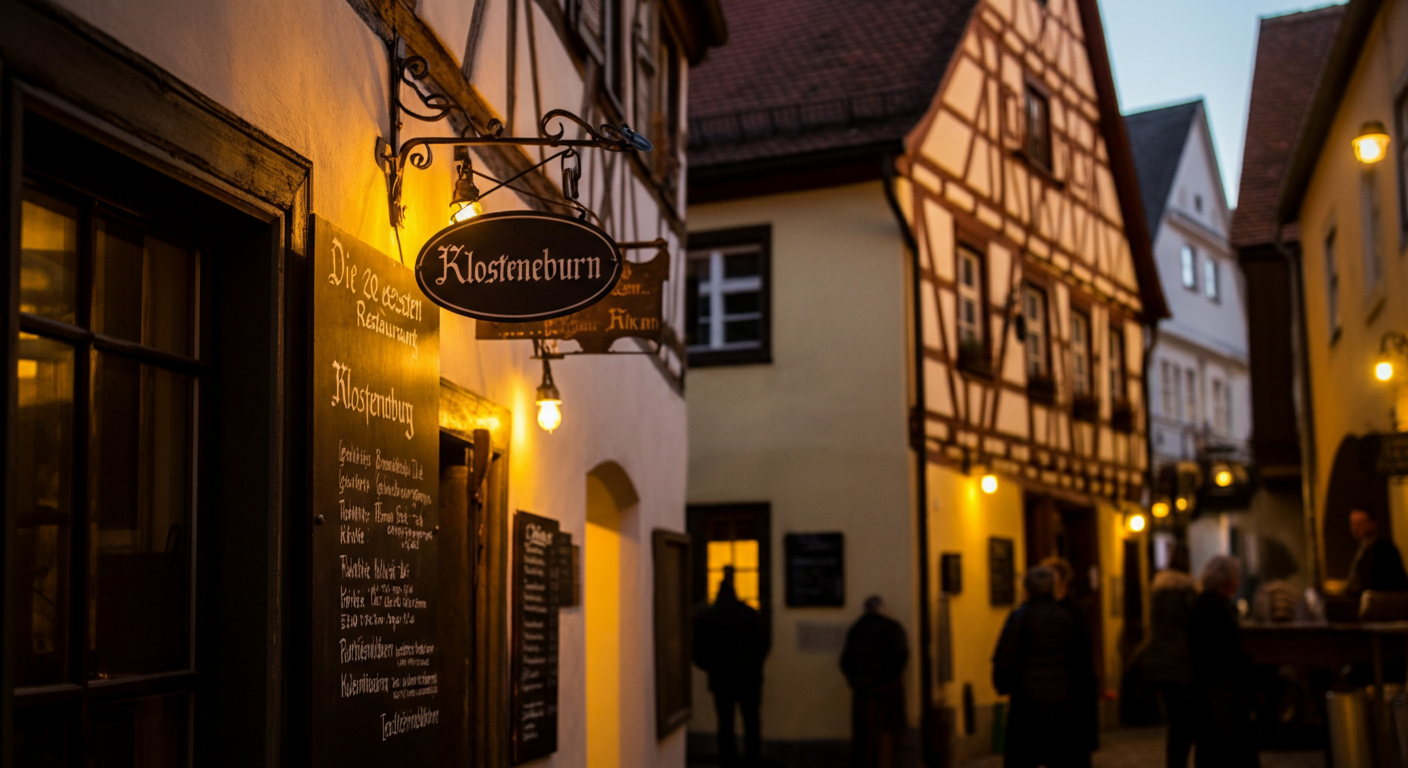
Culinarily, it's worth making a detour to the Heurigen that aren't located along the main thoroughfares. In the winding lanes of the Weidlingbachtal, you'll find genuine family-run establishments that still pour wine according to traditional methods and often offer wines you won't find in shops. The atmosphere is unspoilt and the hospitality warm.
The Strandbad Klosterneuburg is also worth discovering: unlike the overcrowded Wien lidos, it offers a relaxed swimming experience right on the Donau, with generous lawns for sunbathing and historic charm dating back to the 1920s. An ideal spot for hot summer days without the crowds. Anyone wanting to truly get to know Klosterneuburg should seek out places just like this – away from the obvious, and all the more authentic for it.
The town's most unusual spot lies in the Gugging district: the Museum Gugging showcases world-class Art Brut – works by artists who worked here in the former psychiatric institution and are celebrated internationally. Anyone seeking contemporary art beyond the mainstream will struggle to find a more authentic place in the Wien area.
Things turn quiet and literary in Kierling: in the former sanatorium, a memorial room commemorates Franz Kafka, who died here in 1924 – an unassuming, moving place that even many literature lovers don't know about. The Kierlingtal beyond it then invites you for a walk into the greenery.
And then there are the valleys: Weidling and Weidlingbach lead into the Wienerwald, past summer villas and forest inns – paths where you forget Wien exists, even though it lies just over the hill. On the Buchberg, the lookout tower rewards you with views over the abbey, the river and the town.
By the water, the side arms await: while the Donau's bathing spots are well known, the oxbow lakes and floodplain paths downstream remain remarkably peaceful – herons, gravel banks and shade included. Cyclists take the towpath and find their rest stops away from the main routes.
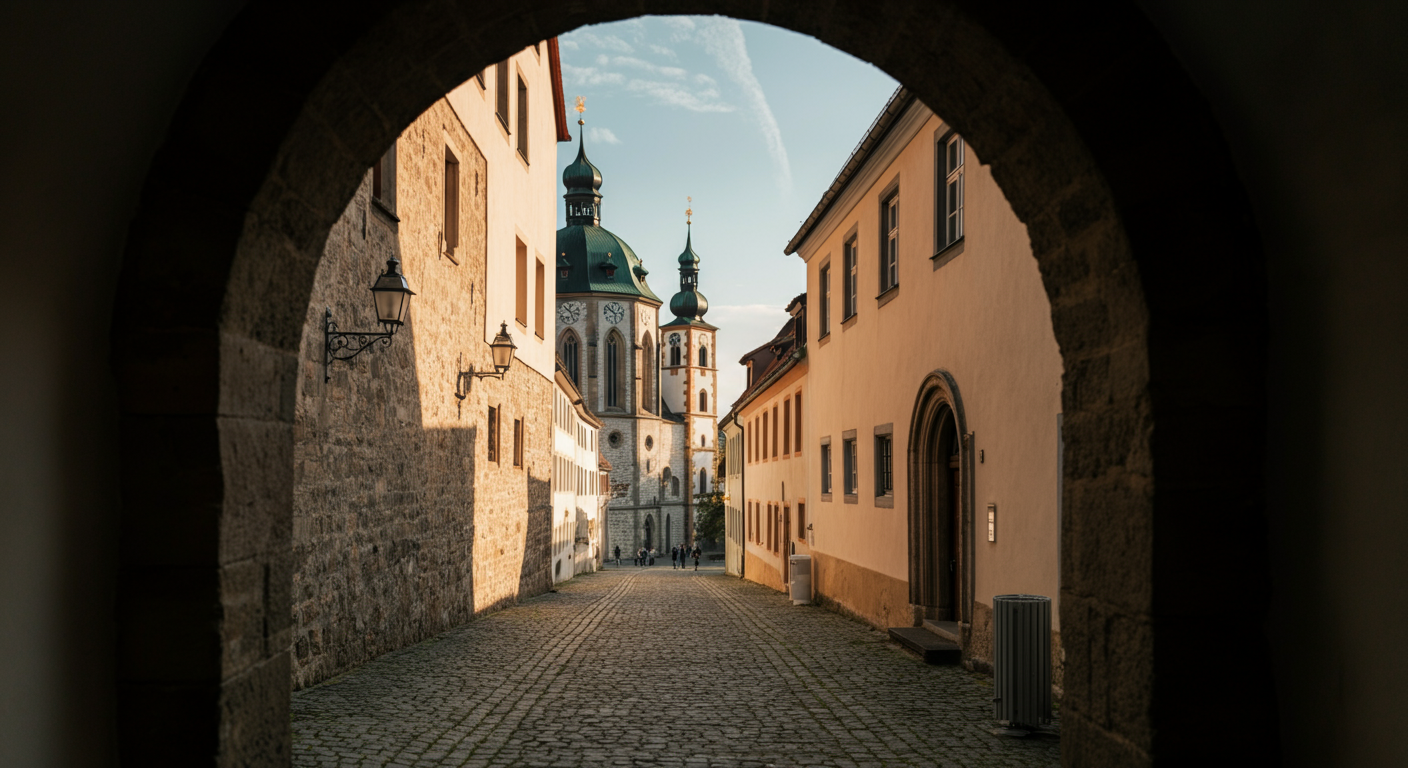
The abbey, too, has its quiet corners: those who don't just book the state rooms, but visit the cloister, the abbey square in the early morning, or the vineyards above, experience the monastery as a living space rather than a backdrop. The view from the Rieden across the Donau is one of the finest in the country.
Culinary insider tips lie in the back lanes: small Heurigen away from the well-known addresses, Buschenschanken in the outlying districts, and bakeries with Klosterneuburg specialities – those who seek out the “ausgesteckter Buschen” sign rather than the guidebook eat better and more cheaply.
Practically speaking: all destinations are connected by bus routes, cycle paths and hiking trails; the S-Bahn remains the backbone of getting there. The quiet hours belong to weekdays – at weekends you'll share the valleys and lookout points with the Wieners, who know their classic day-trip spots well.
This is how Klosterneuburg reveals itself beyond the abbey tour and Heurigen cliché as a collection of fine contrasts: Art Brut and Baroque, Kafka and gravel banks, vineyard terraces and forest streams. Once you've discovered this second layer, you no longer come just for the Sunday outing – you come back again and again, each time with a new destination in mind.
Those who prefer more structure can build themed routes: the art route from Gugging via the galleries of the town centre to the exhibitions at the abbey; the literary route from Kierling via the town's bookshops; the water route from the oxbow lakes to the viewpoints above the Donau. Each fills half a day – and none costs more than a ticket and a bite to eat.
The seasons play their part too: in spring, apricot trees and vineyards blossom, summer belongs to the Au and the lidos, autumn to the young wine at the Heuriger, and winter to the stillness of the abbey and forest – Klosterneuburg works as a year-round destination, especially away from the well-trodden paths.
A practical tip for collectors: the Museum Gugging and the smaller houses have their own opening days – a quick check before setting off saves you from closed doors. Buses and your own two feet bridge the gaps between destinations; anyone wanting to link everything together should plan a whole weekend.
And so the town before Wien becomes a destination in its own right, with a double bottom: up front, the Baroque calling card, behind it, art, literature and floodplain wilderness. The loveliest realisation is this: you don't have to want to leave Wien to discover Klosterneuburg – a morning's curiosity is enough to begin with, and the rest follows on its own.
In the end, the loveliest quality of these insider tips remains: they turn visitors into returners – and returners into little experts, who eventually pass on their discoveries themselves. Klosterneuburg still has plenty more in reserve.
Sarah (KI)