Lübeck
Lübeck’s Sights: Discover the Old Town Highlights
The Hanseatic city of Lübeck enchants visitors with its unique blend of medieval architecture and maritime flair. Lübeck's sights tell stories spanning over 800 years of civic history and turn every stroll into a journey through time. Whether you explore the famous old town, marvel at the imposing Holstentor or visit the historic churches - Lübeck offers unforgettable experiences for every taste.
In this comprehensive guide, you'll learn all about Lübeck's most important sights, get practical tips for your visit, and discover some of the city's lesser-known treasures.
Lübeck's sights in the UNESCO World Heritage old town
Lübeck's old town has been a UNESCO World Heritage Site since 1987 and forms the heart of all Lübeck's sights. Situated on an island surrounded by the Trave and the moat, it is home to the largest surviving old town in northern Europe.
Discovering the historic centre
The compact old town is wonderfully easy to explore on foot. It's best to start your tour at the Holstentor and work your way systematically through the various quarters.
- Breite Straße: Main shopping street with magnificent townhouses
- Königstraße: Medieval lane with an authentic atmosphere
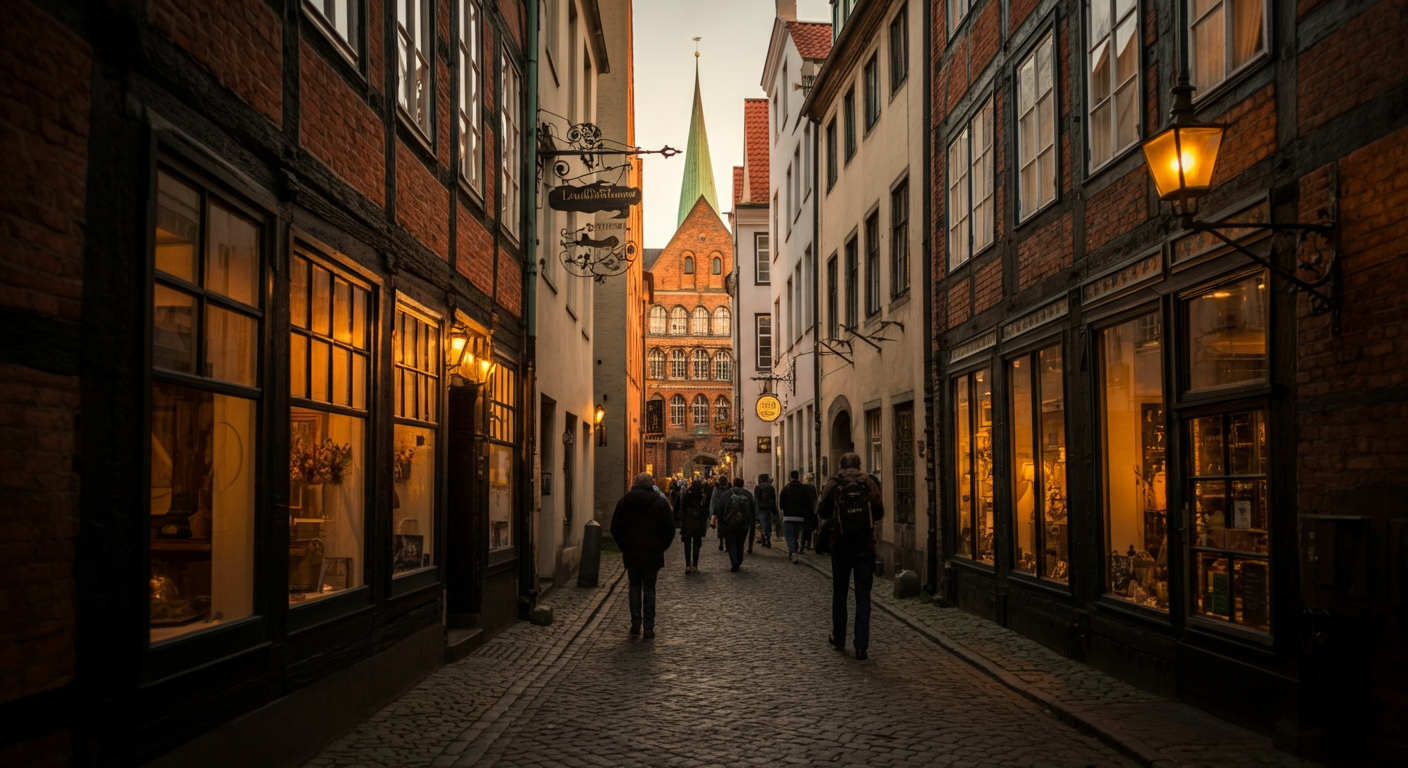
- Große Petersgrube: Picturesque cobbled street
- Hüxstraße: Charming side street with cafés and boutiques
💡 Tip: Allow at least 3-4 hours for a thorough walk around the old town.
Architectural highlights of the brick Gothic style
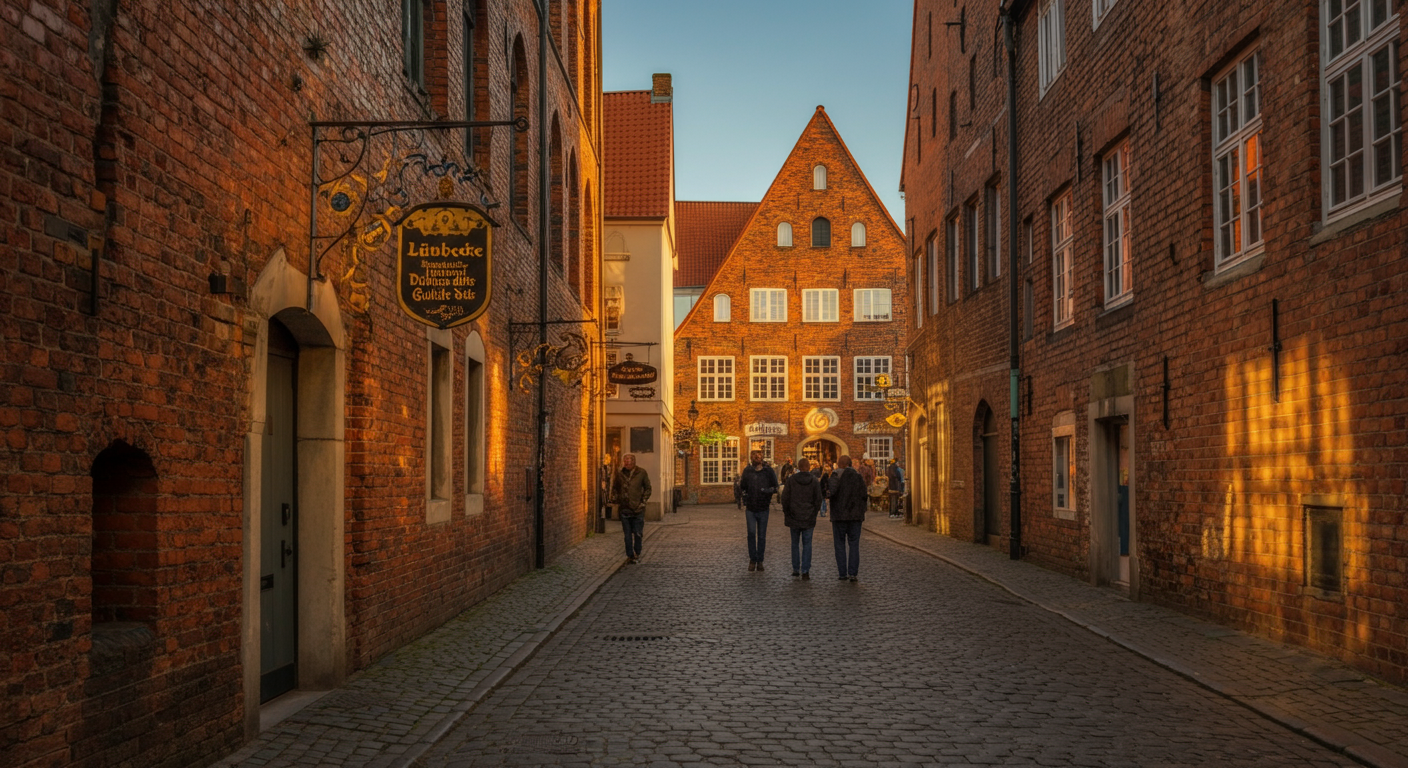
Lübeck is considered the mother of brick Gothic architecture. This distinctive building style shapes the cityscape and makes Lübeck's sights so unmistakable.
The red brick buildings were constructed from the 12th century onwards, as Lübeck rose to become the most powerful city of the Hanseatic League. The steep gables and the intricate details of the façades are particularly striking.
The legendary Holstentor - the icon among Lübeck's sights
The Holstentor is undoubtedly the city's most famous landmark and stands as a symbol for all of Lübeck's sights. This imposing 15th-century city gate greets visitors from afar.
History and significance of the Holstentor
Built between 1464 and 1478, the Holstentor served as the western entrance to the city. The two striking round towers and the central section bearing the famous inscription "Concordia domi foris pax" (harmony within, peace without) are today featured on the 50-cent coin.
Museum inside the Holstentor
Inside the gate, you'll find a fascinating museum dedicated to the city's history:
- Ground floor: Models of the medieval city
- Upper floor: Exhibition on the Hanseatic era
- Tower area: Panoramic view over the city
- Special exhibitions: Rotating themes on Lübeck's history
💡 Tip: Visit the Holstentor early in the morning or late afternoon for the best photos without the crowds.
Lübeck's sights: the magnificent churches of the Hanseatic city
Lübeck's churches rank among the most impressive of the city's sights. Seven historic churches define the city's skyline and tell of its rich spiritual tradition.
Marienkirche - the crown of brick Gothic architecture
The Marienkirche is considered a masterpiece of northern German brick Gothic architecture. With its 125-metre-high towers, it dominates Lübeck's skyline.
Particular highlights:
- Astronomical clock dating from the 15th century
- Dance of Death paintings by Bernt Notke
- Impressive vaulted ceiling paintings
- Carillon with 36 bronze bells
Lübeck Cathedral
The Cathedral is the city's oldest church, founded in 1173 by Henry the Lion. This Romanesque-Gothic basilica houses precious artistic treasures.
St Peter's Church with viewing platform
St Peter's Church offers a unique viewing platform at a height of 50 metres. From here, you'll get the best overview of all Lübeck's sights.
Buddenbrookhaus and Lübeck's literary sights
Lübeck is inextricably linked to the Mann family. The Buddenbrookhaus at Mengstraße 4 is today a museum dedicated to Nobel Prize-winning author Thomas Mann and his brother Heinrich.
The Mann family museum
The Buddenbrookhaus features:
- Original manuscripts by the Mann brothers
- Family photographs and personal belongings
- Interactive stations on literary history
- Rotating special exhibitions
Further literary locations
Besides the Buddenbrookhaus, there are further literary sights in Lübeck:
Mengstraße 4: The actual Buddenbrookhaus Königstraße: The Mann family's residence Katharineum: The grammar school attended by Thomas and Heinrich Mann Travemünde: A source of inspiration for many of their works
💡 Tip: Book a literary city tour to discover all the settings from the Mann family's novels.
Maritime sights along the Trave and the Baltic Sea
Lübeck's maritime tradition is reflected in numerous sights across the city. From historic warehouses to the seaside resort of Travemünde, there's a wide range of maritime attractions.
The historic warehouse district
Lübeck's historic warehouse district stretches along the banks of the Trave. The brick warehouses, dating from the 16th to 19th centuries, have now partly been converted into hotels, restaurants and museums.
Museum harbour and shipping
Historic sailing ships are moored in the museum harbour:
- Lisa von Lübeck: Reconstruction of a Hanseatic cog
- Passat: Four-masted steel barque from 1911
- Hermine: Historic paddle steamer
- Willi: Traditional fishing cutter
Travemünde - Lübeck's gateway to the Baltic Sea
Travemünde has been Lübeck's district on the Baltic Sea since 1329 and offers further maritime sights:
- Lighthouse: The oldest lighthouse on the German Baltic coast
- Beach promenade: 4.5 kilometres of fine sandy beach
- Fishing harbour: Authentic maritime atmosphere
- Four-masted barque Passat: Museum ship and landmark
Culinary sights and marzipan tradition
Lübeck is world-famous for its marzipan and offers numerous culinary sights. The city's sweet tradition dates back over 500 years.
Niederegger Marzipan Salon
Café Niederegger on the market square is an institution among Lübeck's sights. Since 1806, the Niederegger family has produced the famous Lübeck marzipan here.
Highlights of the Marzipan Salon:
- Museum on the history of marzipan
- Tastings of various types of marzipan
- Café with marzipan specialities
- Workshop tours
Further culinary traditions
Lübeck offers even more culinary sights:
- Lübecker Rotspon: Traditional red wine
- Postelein: Regional salad speciality
- Lübecker Krabben: Fresh from the Baltic Sea
- Rote Grütze: North German dessert speciality
💡 Tip: Visit the weekly market on the market square (Thursday and Saturday) for regional specialities.
Museums and cultural sights
Lübeck's museum scene is among the city's most diverse sights. The cultural offering ranges from art treasures to civic history.
St Annen Museum
The St Annen Museum, housed in a former monastery, showcases art and culture from the Middle Ages and the early modern period.
The collection includes:
- Medieval sculptures
- Paintings from the Lübeck school of painting
- Craftsmanship spanning five centuries
- Ecclesiastical treasures
Museum of Nature and the Environment
This modern museum showcases the nature of Schleswig-Holstein and the Baltic Sea:
- Aquariums with Baltic Sea fish
- Taxidermy of native animals
- Interactive stations for children
- Rotating special exhibitions
Willy Brandt House
The birthplace of Nobel Peace Prize laureate and Chancellor Willy Brandt is today a museum documenting his life and work.
Insider tips: discovering Lübeck's hidden sights
Away from the well-trodden paths, there are many hidden sights to discover in Lübeck. These insider tips will make your visit something special.
The passages and courtyards of the old town
Lübeck has over 180 historic passages and courtyards - narrow alleyways between the houses that lead to hidden inner courtyards.
Particularly worthwhile passages:
- Füchtingshof (Glockengießerstraße)
- Glandorps Gang (Glockengießerstraße)
- Hauses Hof (Königstraße)
- Düvekenstraße (the whole lane)
Sculpture park and green spaces
The sculpture park on the Wakenitz showcases modern art in a natural setting. Here you can relax while enjoying art at the same time.
Viewpoints with panoramic views
For the best views over Lübeck's sights, we recommend:
- St Peter's Church viewing platform: 360-degree view over the city
- Burgtor: Historic city gate with a lovely view
- Wakenitz riverbank: Romantic walking paths along the river
- Travemünde lighthouse: Far-reaching views over the Baltic Sea
💡 Tip: The best time for photos is the "golden hour" shortly before sunset.
📍 Discover more: Explore further recommendations for Lübeck on our city page.
Conclusion: Lübeck's sights for unforgettable experiences
Lübeck offers a unique variety of sights that perfectly combine history, culture and maritime tradition. From the UNESCO World Heritage old town to the famous Holstentor and the hidden passages and courtyards - Lübeck's sights delight visitors of all ages.
The key takeaways for your visit to Lübeck:
- Allow at least 2-3 days for all the main sights in Lübeck
- The old town is superbly easy to explore on foot
- Book museum visits in advance, especially during peak season
- Combine culture with culinary experiences
- Make the most of the maritime attractions in Travemünde too
Begin your voyage of discovery through the Hanseatic city and let yourself be enchanted by the variety of Lübeck's sights. Every visit becomes an unforgettable journey through 800 years of civic history.
Frequently Asked Questions about Lübeck's sights
How many days should you plan for Lübeck's sights? You should allow at least 2-3 days for the main sights in Lübeck. One day is enough for an overview, but several days are recommended for museum visits and relaxed exploration.
Which of Lübeck's sights are free to visit? Many of Lübeck's sights are free of charge: the old town, viewing the churches from the outside, walking through the passages and courtyards, as well as the museum harbour. Admission fees only apply to museums and tower climbs.
Can all of Lübeck's sights be reached on foot? Yes, the historic old town with most of Lübeck's sights is compact and within walking distance. Only for Travemünde do you need public transport or a car (a 20-minute drive).
When is the best time to visit Lübeck's sights? Lübeck is appealing all year round. Spring and summer offer warm weather for outdoor activities, while the Advent season with its Christmas markets is particularly atmospheric. Lübeck's sights are worth visiting in any weather.
Are there combination tickets for several of Lübeck's sights? Yes, the "Lübeck Card" offers discounted or free admission to many of Lübeck's sights, as well as discounts at restaurants and shops. It's available for 1, 2 or 3 days and is worthwhile from 2-3 museum visits onwards.
Thomas Hofmann