Leipzig
Discover Leipzig's 10 Breathtaking Highlights - Unforgettable!
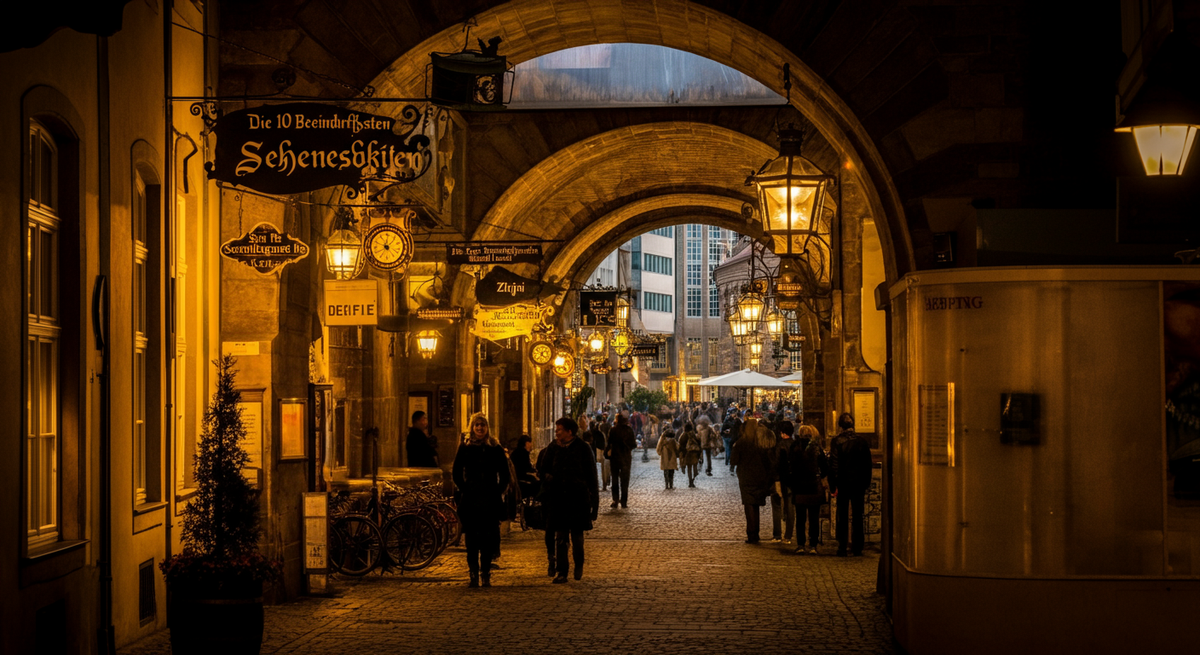
Leipzig, the city of music and the Peaceful Revolution, offers visitors a unique blend of history, culture and modern city life. The Saxon metropolis is home to some of Germany's most impressive sights, which attract millions of tourists every year. From St Thomas Church to the Gewandhaus, this city has something to offer every taste. In this guide, we present the ten most important sights in Leipzig that you simply shouldn't miss on your visit in 2026.
Sights in Leipzig: The historic St Thomas Church as the centrepiece
St Thomas Church is undoubtedly at the top of the list of must-see sights in Leipzig. This late-Gothic hall church is world-famous as the workplace of Johann Sebastian Bach, who served here as Thomaskantor from 1723 until his death in 1750 — a period of 27 years.
The musical significance of St Thomas Church
The church remains home to the world-famous St Thomas Boys Choir, one of the oldest boys' choirs in the world. Visitors can regularly experience motets and services performed by the choir.
- St Thomas Boys Choir founded in 1212
- Over 800 years of choral tradition
- Johann Sebastian Bach's grave in the chancel
- Regular motets, cantatas and concerts
- Free admission available
💡 Tip: Visit the St Thomas Boys Choir's motet on Fridays at 6pm or Saturdays at 3pm. The Bach Museum opposite the church is well worth a visit.
Architectural highlights
The Gothic building impresses with its 68-metre-high tower and intricate stained-glass windows, including the Bach Window. The interior captivates with its understated elegance and excellent acoustics.
St Nicholas Church: Cradle of the Peaceful Revolution
As one of the most significant sights in Leipzig, St Nicholas Church played a central role in German history. From 1982 onwards, this is where the Peace Prayers took place, which led to the Peaceful Revolution of 1989.
The historical significance of St Nicholas Church
The church was founded in the 12th century and became a symbol of peaceful resistance against the GDR regime.
- Starting point of the Monday demonstrations in autumn 1989
- Centre of the Peaceful Revolution
- Leipzig's oldest and largest church
- Neoclassical interior design
- Nikolaisäule column in the churchyard as a monument
Architectural features
The interior of St Nicholas Church was redesigned in the neoclassical style at the end of the 18th century. The palm-shaped columns and the bright, welcoming atmosphere are particularly impressive.
💡 Tip: Join one of the guided tours to learn more about the historical significance. The Peace Prayer still takes place every Monday at 5pm.
Monument to the Battle of the Nations: A monumental sight in Leipzig
The Monument to the Battle of the Nations is one of the most imposing sights in Leipzig, commemorating the 1813 battle in which Napoleon suffered a decisive defeat. At 91 metres tall, it is one of the largest monuments in Europe.
The history of the Monument to the Battle of the Nations
The monument was built between 1898 and 1913 and inaugurated on the hundredth anniversary of the battle.
- Inaugurated on 18 October 1913
- 91 metres tall
- Around 500 steps to the viewing platform
- Panoramic views over Leipzig
- Forum 1813 Museum next to the monument
- Extensive parkland with a water basin
The visitor experience at the Monument to the Battle of the Nations
The climb to the viewing platform rewards visitors with a spectacular panoramic view over Leipzig and the surrounding area. The Forum 1813 Museum provides information about the Battle of the Nations and its significance.
The magnificent New Town Hall: Where administration meets architecture
The New Town Hall is one of the most architecturally impressive sights in Leipzig. This imposing early 20th-century building combines various architectural styles and today houses the city administration.
An architectural masterpiece
Built between 1899 and 1905, the town hall combines elements of Historicism with Art Nouveau features. At almost 115 metres, its tower is the tallest town hall tower in Germany.
Visiting options
Visitors can join guided tours and view the magnificent interiors:
- Festival Hall and Council Chamber
- Ratskeller with traditional dining
- Tower climb with views
- Changing exhibitions in the Untere Wandelhalle
💡 Tip: The Ratskeller serves Saxon cuisine in a historic setting. If you prefer plant-based food, you'll find tips in our overview of the best vegan restaurants in Leipzig.
Gewandhaus Leipzig: Experience world-class music
The Gewandhaus is one of the most renowned sights in Leipzig for music lovers. As home to the famous Gewandhaus Orchestra, it offers first-class concerts in an architecturally impressive building on Augustusplatz.
A musical tradition since 1781
The Gewandhaus Orchestra looks back on more than 240 years of history and is considered one of the best orchestras in the world.
- Founded in 1781
- Around 185 musicians
- Numerous concerts per season in the Great Hall
- International guest performances
- Support for young talent
- World premieres of contemporary works
The modern Gewandhaus building
The current building opened in 1981 and stands out for its excellent acoustics and the vast ceiling painting "Gesang vom Leben" (Song of Life) by Sighard Gille in the foyer.
Museum of Fine Arts: Discover artistic treasures
The Museum of Fine Arts (Museum der bildenden Künste) presents one of Germany's most significant art collections and is one of the cultural highlights among the sights in Leipzig.
Collection highlights
The museum houses works from the Middle Ages to the present day:
- Old Masters from the 15th to 18th centuries, including Cranach
- German Romanticism with Caspar David Friedrich
- Max Klinger and Max Beckmann
- The Leipzig School, with works by Neo Rauch
- Contemporary art
- Sculpture collection
The glass cube
The museum building, opened in 2004, is itself a work of architectural art. The glass cube offers optimal exhibition conditions across roughly 7,000 square metres. For more addresses for art lovers, see our article on Leipzig's best art galleries.
💡 Tip: Find out about the public guided tours at weekends. Admission to the permanent exhibition is free on the first Wednesday of the month.
Auerbachs Keller: A literary sight in Leipzig
Auerbachs Keller is one of the best-known sights in Leipzig and is closely linked to Goethe's "Faust". This historic restaurant in the Mädlerpassage has existed since the 16th century and attracts literature enthusiasts from all over the world.
Goethe's inspiration
During his studies in Leipzig, Johann Wolfgang von Goethe was a regular guest at Auerbachs Keller, where he found inspiration for the scene "Auerbach's Cellar in Leipzig" in his "Faust".
Culinary tradition
The restaurant offers traditional Saxon cuisine in a historic setting:
- Saxon specialities
- Historic vaulted cellars
- Faust figures at the entrance to the passage
- Goethe and Faust motifs throughout the rooms
- Set menus for groups
- Tours of the historic cellars
Leipzig Zoo: Experience the modern animal world
Leipzig Zoo is one of the most modern sights in Leipzig and ranks among the best zoos in Europe. With its "Zoo of the Future" concept, it offers animals natural habitats across six themed worlds.
Unique themed worlds
The zoo is home to around 600 animal species in themed areas:
- Gondwanaland: Tropical hall with boat ride
- Pongoland: One of the largest great ape enclosures in the world
- Makasi Simba Lion Savannah
- Himalaya, home to snow leopards
- South America, with giant otters and a walk-through pampas area
Conservation and research
The zoo is actively involved in species conservation and participates in international breeding programmes for endangered animal species.
💡 Tip: Plan a whole day for your zoo visit, as there's a lot to discover. Tickets are cheaper online than at the box office.
More highlights: Panorama Tower and Spinnerei
Two further sights in Leipzig round off your visit: the Panorama Tower on Augustusplatz offers the best views over the city from its viewing platform at a height of 120 metres. The Baumwollspinnerei in Plagwitz, a former cotton mill, is now one of Germany's most exciting art districts, with galleries and studios. For even more tips, see our article on the twelve best sights in Leipzig.
📍 Discover more: Explore further recommendations for Leipzig on our city page.
Conclusion: Sights in Leipzig offer unforgettable experiences
Leipzig delights visitors with a unique blend of history, culture and modernity. The sights in Leipzig presented here reflect the diversity and richness of this fascinating city. From the musical tradition of St Thomas Church to the historically significant St Nicholas Church and modern attractions like Leipzig Zoo, every sight tells its own story.
The key takeaways for your visit to Leipzig:
- Plan at least two to three days for the most important sights in Leipzig
- Combine cultural highlights with modern attractions
- Make the most of guided tours in churches and museums
- Experience the city's vibrant music scene
- Discover the historical significance of the Peaceful Revolution
Visit Leipzig and let yourself be enchanted by its wide range of sights. This city will captivate you with its history, culture and vibrancy.
Frequently Asked Questions about sights in Leipzig
Which sights in Leipzig are absolute must-sees?
The top sights in Leipzig are St Thomas Church, St Nicholas Church, the Monument to the Battle of the Nations, the Gewandhaus and Auerbachs Keller. They represent the city's musical, historical and cultural diversity.
How much time should you allow for the main sights in Leipzig?
For a thorough visit to the main sights, you should allow at least two to three days. This gives you enough time for sightseeing, guided tours and cultural events.
Are the sights in Leipzig suitable for families with children?
Many sights in Leipzig are family-friendly. Leipzig Zoo, the Monument to the Battle of the Nations and the Museum of Fine Arts in particular offer programmes for children and families.
Which sights in Leipzig can be visited free of charge?
St Thomas Church, St Nicholas Church, the city centre's passages and the outdoor grounds of the Monument to the Battle of the Nations are freely accessible. Fees apply for tower climbs, guided tours and special exhibitions.
Are there combination tickets for several sights in Leipzig?
Yes, the Leipzig Card offers discounted or free admission to many sights, as well as free use of public transport. It's available for one or three days and is worthwhile if you're planning several visits.
Lisa Wolf