Leverkusen
The Ultimate Leverkusen Guide: Discovering the City on the Rhine

Many people know Leverkusen only as the Bayer city with a famous football club, and thoroughly underestimate it as a result. Between industrial history, wide Rhine promenades, a surprising amount of culture and an astonishing number of green retreats lies a city that combines urban density with Rhenish easygoingness. This guide shows you why Leverkusen is worth a visit, and why even those who have lived here for years keep discovering something new. You will also find a compact overview of addresses and recommendations on our city page for Leverkusen.
1. Leverkusen at a Glance: Where Modernity and Nature Meet
Leverkusen lies right between Cologne and Düsseldorf, which makes it one of the best-connected cities in North Rhine-Westphalia. Around 167,000 people live here, and the mix of industry, research, culture and leisure is correspondingly lively. The Rhine shapes not only the cityscape but also the mentality: cosmopolitan, down-to-earth, with a tendency towards good cheer.
Despite its compact size, Leverkusen surprises with a wealth of parks, woods and recreation areas. The city is ideally located for commuters, attractive for families and, for visitors, considerably more varied than the first impression from the motorway might suggest.
2. The History of Leverkusen: From Small Villages to a Dynamic City
Even though Leverkusen looks modern today, its roots go far back. The area originally consisted of several independent villages such as Opladen, Schlebusch and Wiesdorf. The big boom came in the 19th century with the arrival of the chemical company Bayer, which still shapes the city's development today.
Key historical milestones:
- 1861: The chemist Carl Leverkus settles in Wiesdorf and founds the settlement of "Leverkusen", initially just a factory settlement.
- 1930: Several municipalities merge to form the city of Leverkusen.
- 1975: Opladen is incorporated, today an urban, young district.
This dual nature can still be felt today: old factory sites have been revitalised, new residential quarters have emerged and historic village centres have been modernised. If you walk through the districts with your eyes open, you practically read the industrial history in the façades, street names and company housing estates.
3. Top Sights in Leverkusen
3.1 Schloss Morsbroich: Art Meets Baroque
Schloss Morsbroich is one of Leverkusen's cultural flagships. The Baroque complex houses a renowned museum of modern art and impresses with changing exhibitions, bold installations and an historic park that invites long walks.
3.2 Japanischer Garten: A Place of Calm
Right next to the Bayer plant lies one of the most beautiful Japanese gardens in Europe. It was created in the 1960s and enchants with small lakes, Asian plants, tea houses and romantic bridges. Step through the gate and within a few paces you leave the traffic noise behind, an oasis of silence in the middle of the city.
3.3 BayArena: The Heart of Leverkusen Football
The BayArena is a must not only for football fans. It is regarded as one of the most modern stadiums in Germany and, besides matches, offers stadium tours and events. The home of Bayer 04 Leverkusen combines sport, emotion and modern architecture, and on matchdays you can feel the atmosphere on the way there.
3.4 NaturGut Ophoven: Experiencing Sustainability
The NaturGut Ophoven is an environmental education centre and nature park, ideal for families and nature lovers. In the adjoining EnergieStadt Museum, children and adults learn how energy works and how everyday life can be made more sustainable.
3.5 Dhünn-Park & Goetheweg: Idyll along the Water
The Dhünn-Park combines nature, relaxation and walking routes. The Goetheweg in particular is a popular destination for walkers, joggers and photographers, especially in the soft light of the early evening.
4. The Best Districts of Leverkusen
4.1 Opladen: Young, Urban and Changing
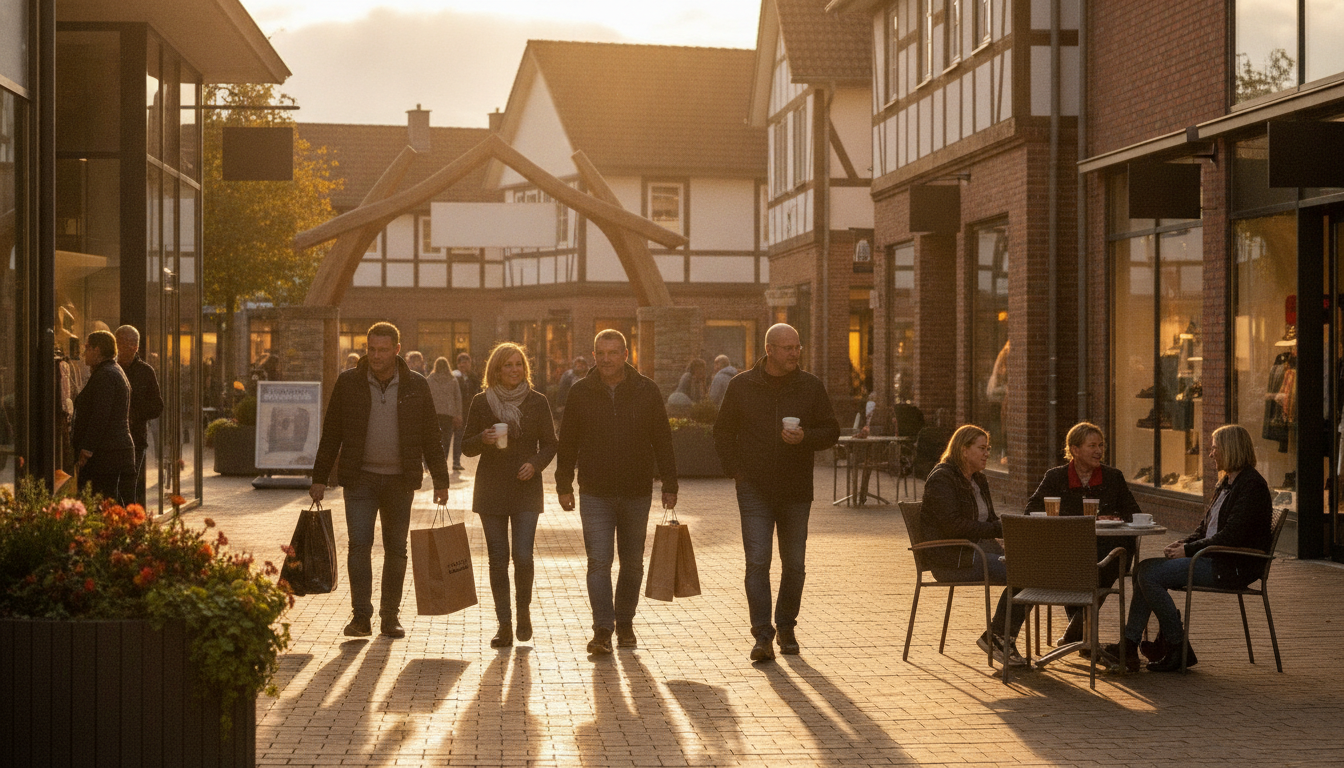
Opladen is one of Leverkusen's most dynamic districts. The new station quarter, modern cafés, student life and a wide range of shopping give the neighbourhood a fresh, urban character. The weekly market and the charming pedestrian zone make Opladen lively and popular.
4.2 Schlebusch: A Village Feel in the Middle of the City
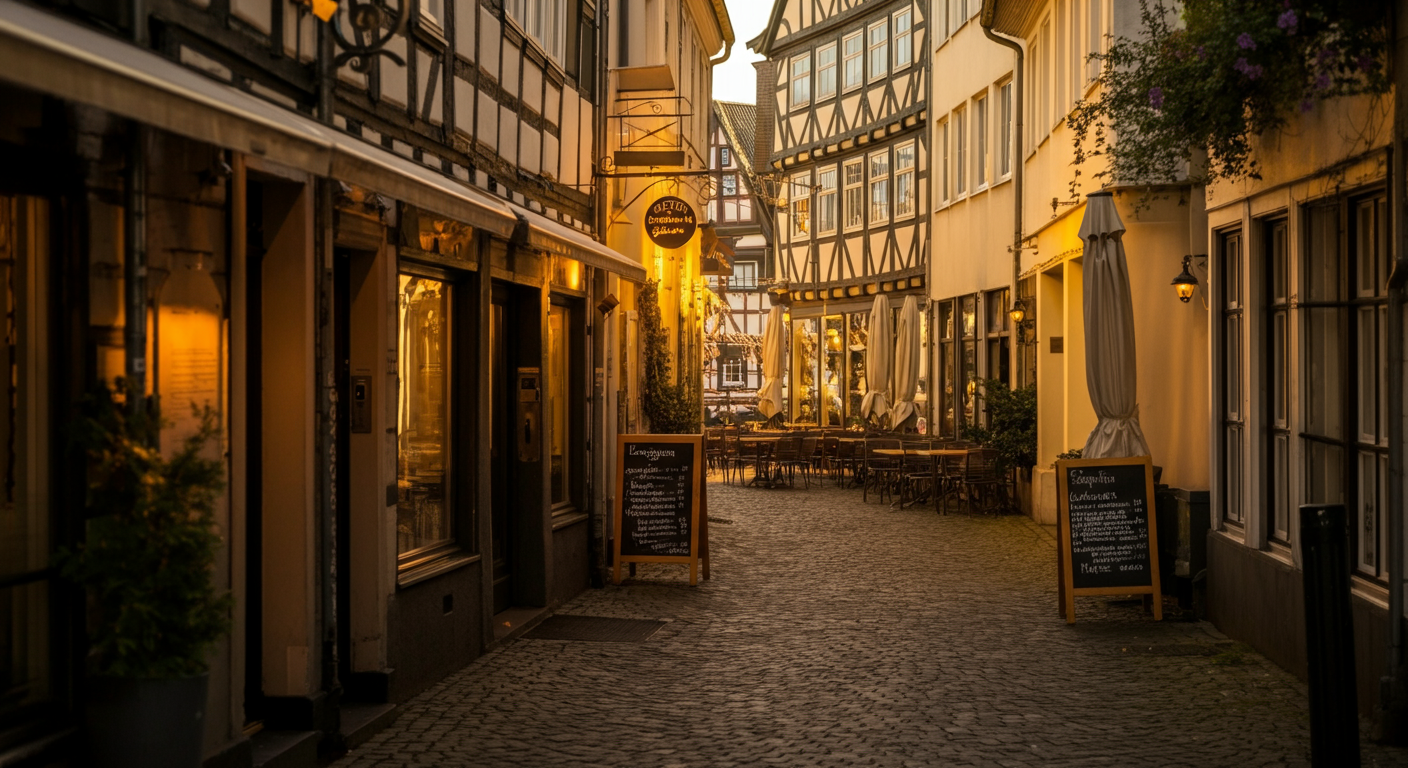
Schlebusch combines a village atmosphere with a Rhenish way of life. Small boutiques, cosy restaurants and charming squares shape the local scene. The nearby woods invite walks and make Schlebusch particularly attractive for families.
4.3 Wiesdorf: Leverkusen's Centre
Wiesdorf is the economic heart of the city. The City-C brings numerous shops together under one roof, and the Rhine bank and the Neuland-Park are within walking distance. That makes Wiesdorf the most practical starting point for a first visit to the city.
4.4 Hitdorf: Pure Rhine Romance
Hitdorf, a former fishing village, delights with small harbour facilities, views of the Rhine and cosy cafés. If you want to spend relaxed hours right by the water, this is the perfect place.
5. Leverkusen for Nature and Outdoor Fans
Leverkusen is surprisingly green: around 43% of the city area consists of woodland, parkland or agricultural land. Perfect for walkers, joggers and cyclists, and the reason why many routes lead straight into the countryside.
5.1 Neuland-Park: Floral Splendour and Modern Design
The Neuland-Park is an expansive park that was created for the 2005 State Garden Show. Today it is a popular meeting place for families, sports enthusiasts and nature lovers. Floral splendour, playgrounds and modern installations make the park unique.
5.2 Wildpark Reuschenberg
Ideal for families: roe deer, wild boar, donkeys and numerous other animals can be watched here in a natural setting. The wildlife park offers nature experiences without an entrance fee, a real highlight, especially with children.
5.3 Hiking & Cycling Routes along the Rhine
The stretch between Hitdorf and Wiesdorf in particular offers picturesque paths right by the water. Perfect for bike rides, sunsets or relaxed walks after work.
6. Culture & Events in Leverkusen
6.1 Leverkusener Jazztage
Among the best-known events in the city are the Jazztage, which attract international artists in autumn. The mix of classical, modern jazz and experimental sounds makes the festival unique.
6.2 KulturStadtLev
KulturStadtLev organises numerous events at theatres, the Forum and concert venues. From comedy to opera, the programme has something for every taste.
6.3 Carnival in Leverkusen
As in many regions along the Rhine, carnival is a big deal in Leverkusen too. Colourful parades, street parties and carnival sessions make the fifth season the highlight of the calendar.
7. Shopping in Leverkusen: Where Is It Really Worth It?
7.1 Leverkusen-Wiesdorf: City-C
The city's main shopping area offers fashion, electronics and dining within short distances. Ideal for a day of shopping without a long search.
7.2 Opladen: Personal & Charming
In Opladen you will find smaller boutiques, delicatessens and modern shops, perfect if you are looking for individual products and want to support local traders.
7.3 Weekly Markets
Whether in Schlebusch, Opladen or Wiesdorf, fresh regional produce, flowers and specialities are firmly part of the shopping routine in Leverkusen.
8. Food & Drink: The Culinary Side of Leverkusen
Leverkusen has a surprisingly large food and drink scene. From traditional Rhenish cuisine to international restaurants, everything is represented.
Typical Leverkusen/regional specialities:
- Halver Hahn
- Himmel un Ääd
- Rhenish Sauerbraten
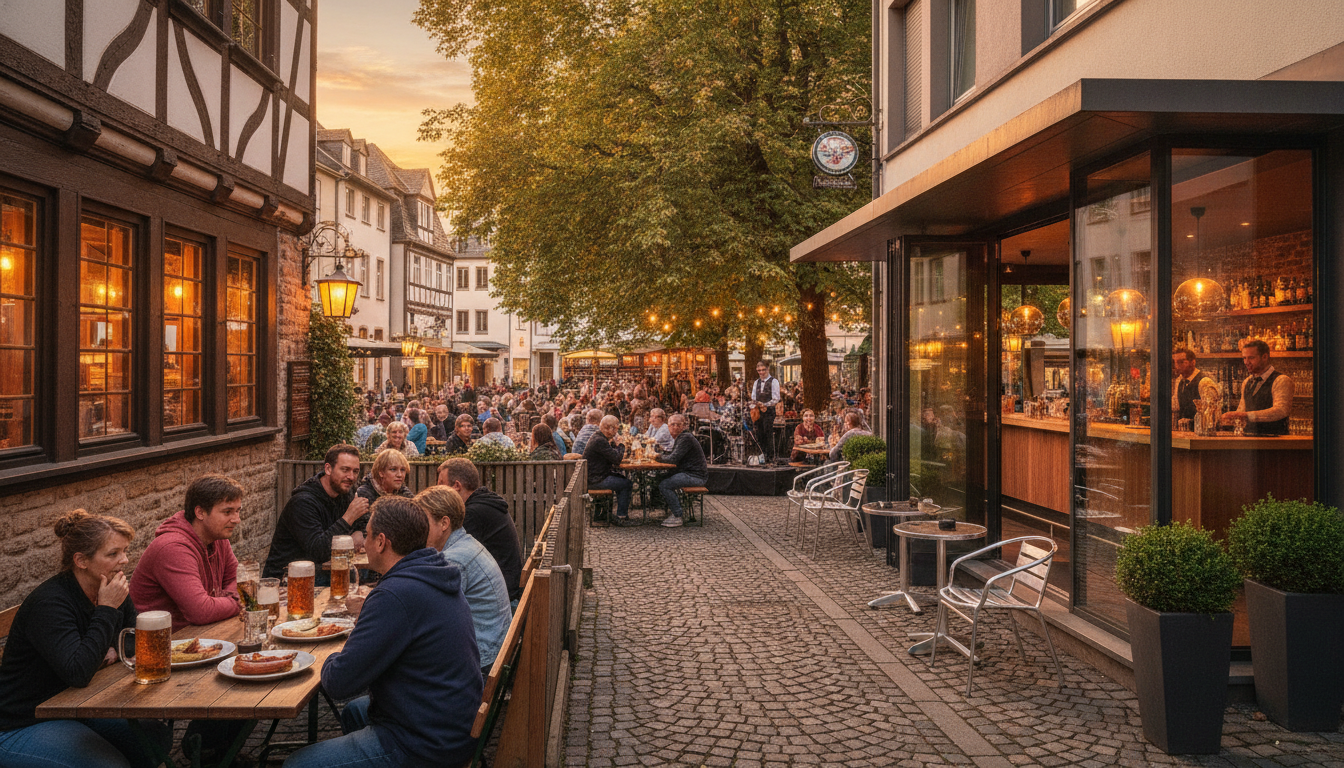
- Fresh Flammkuchen in many beer gardens
- Handcrafted beer from the region
Restaurants along the Rhine, cosy brewery taverns and modern bistros in Opladen and Schlebusch are popular. For the afternoon, take a look at our selection of the best cafés in Leverkusen, and for the evening the overview of the best bars and pubs.
9. Leisure Highlights for Families
9.1 Freizeitbad CaLevornia
Slides, a sauna area, adventure pools: the CaLevornia is one of the largest leisure pools in the region and a safe bet for rainy days.
9.2 Bowling and Indoor Playgrounds
Several indoor play centres and bowling centres make the city attractive even in bad weather.
9.3 NaturGut Ophoven
A must for families who love nature and experiments, and for anyone who wants to experience environmental topics first-hand.
10. Working & Living in Leverkusen: Why the City Is So Attractive
Leverkusen scores with good infrastructure, comparatively affordable housing and strong job opportunities, particularly in chemicals, medicine, logistics and research.
Advantages for working people & families:
- Short distances to Cologne and Düsseldorf
- Many schools and nurseries
- Good transport connections
- Green residential areas
- A stable economy
Public transport is also well developed, so many commuters deliberately choose Leverkusen as a place to live.
11. Insider Tips for Leverkusen: For Anyone Who Wants to Dive Deeper
- Rheinstrand Hitdorf: An insider tip for summer evenings.
- Skulpturenpark Schloss Morsbroich: Perfect for photography lovers.
- Burger spots & craft beer bars in Opladen: A young scene, trendy and cosy.
- Wiembach-Aue hiking route: One of the most beautiful nature routes in the city.
If you want to stay longer, the overview of the best hotels for a city trip will help you plan.
12. Conclusion: Leverkusen, the Underrated City on the Rhine
Leverkusen may seem small, but the mix of nature, culture, industrial history and modern quality of life makes the city a real insider tip on the Rhine. Whether visitor, resident or commuter, everyone will find something here to be enthusiastic about: quiet parks, exciting architecture, sporting highlights and a community that combines Rhenish openness with urban character.
If you only know Leverkusen as an industrial city, you will be surprised how varied, liveable and colourful the city really is. A visit is worthwhile, and if you stay, you will keep discovering new facets.
Frequently Asked Questions about Leverkusen
What do you have to see in Leverkusen?
At the top of the list are Schloss Morsbroich with its museum of modern art, the Japanischer Garten next to the Bayer plant, the BayArena and the NaturGut Ophoven. If you have more time, add the Neuland-Park, the Wildpark Reuschenberg and a walk along the Rhine bank at Hitdorf.
Is Leverkusen worth a day trip?
Yes. The city is compact, well connected and can be explored sensibly in a day: culture at Schloss Morsbroich or in the Japanischer Garten in the morning, Wiesdorf with City-C and the Rhine bank at midday, and a detour to Opladen or Hitdorf in the afternoon.
Which district is best as a starting point?
Wiesdorf is the centre and the most practical starting point, because shopping, the Rhine bank and the Neuland-Park are within walking distance. If you prefer somewhere more urban and younger, Opladen is a good choice, and if you want peace and quiet, try Schlebusch or Hitdorf.
Is Leverkusen a green city?
Considerably greener than its reputation: around 43% of the city area consists of woodland, parkland or agricultural land. Neuland-Park, Dhünn-Park, Wildpark Reuschenberg and the Rhine paths are the best-known destinations.
What is there for families in Leverkusen?
The NaturGut Ophoven with the EnergieStadt Museum, the Wildpark Reuschenberg, the Neuland-Park with its playgrounds and the Freizeitbad CaLevornia. When it rains, the city's indoor play centres and bowling centres are also an option.

Redaktion
Das Redaktionsteam von dieBestenderStadt