Linz
Shopping Highlights and New Shops in Linz: The 2026 City Guide

Linz has transformed in recent years from an industrial centre into a dynamic shopping destination. In 2026, the capital of Upper Austria offers a remarkable mix of established shopping streets, young design and sustainable consumption — all within a compact area that's easy to explore on foot.
Landstraße remains the beating heart of Linz retail. Along its roughly one and a half kilometres, international brands, traditional Austrian houses and independent boutiques sit side by side. New for summer 2026: the ‘Linzer Manufakturen-Kaufhaus’ in the former Palais Weissenwolff, a concept store stocking exclusively products from Upper Austria — from handmade leather bags and regional natural cosmetics to limited-edition ceramics. Founder Elisabeth Hofbauer curates the selection herself and champions transparency: every product comes with a short biography of its maker.
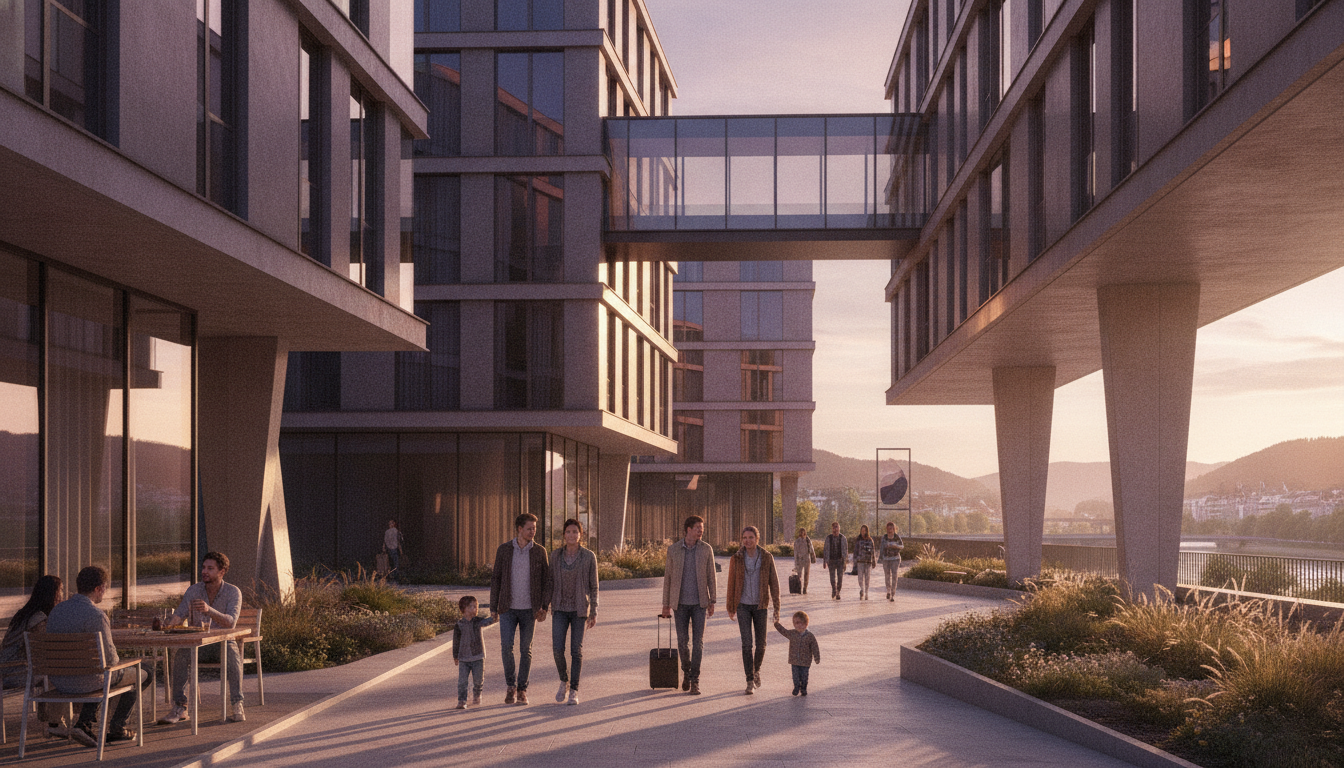
Meanwhile, the area around OK-Platz is really coming into its own. Here, in the cultural triangle between the Offenes Kulturhaus, the Ars Electronica Center and the Donaulände, a striking number of concept stores, vintage shops and pop-up spaces have sprung up over the past two years. Well worth a visit: the store ‘Donauformat’, which showcases local streetwear designers with upcycled collections. The limited pieces, made from recycled textiles and industrial offcuts, reflect the spirit of a city that has always combined technology and creativity.
For sustainable shopping, the weekly ‘Grünmarkt’ at Pfarrplatz is the best place to go. Alongside fresh produce straight from regional farms, since 2026 there's also been a permanent section for natural cosmetics and plastic-free household goods — a sign of growing awareness among the people of Linz.
One final tip: the Südbahnhofmarkt quarter is fast becoming an insider tip for bargain hunters. Between the old station building and the new Tabakfabrik, a design flea market pops up every first Saturday of the month, bringing together vintage furniture, second-hand fashion and young art — followed by a thriving street food scene offering dishes from around the world.
Linz shops along its lifeline: Landstraße, between Taubenmarkt and the Musiktheater, is one of Austria's busiest shopping streets — chain stores, department stores and arcades line up along a good kilometre. Anyone wanting to shop efficiently will find everything they need along this stretch.
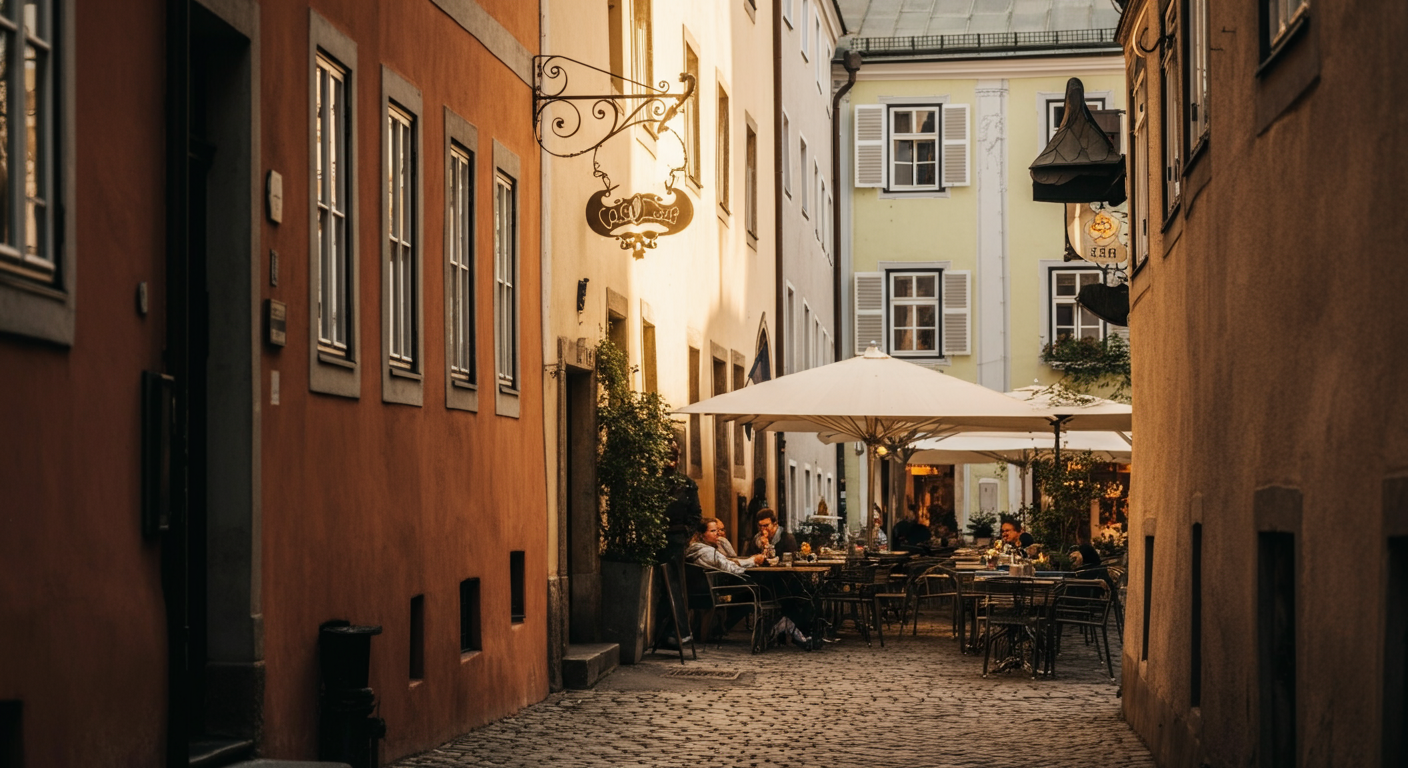
The real character lives in the side streets: between Herrenstraße, Bischofstraße and the old town quarter, you'll find owner-run boutiques, concept stores and craft workshops — from Austrian-made fashion to jewellery studios. The service is personal, and so are the finds.
The city has patented one sweet must-have souvenir: Linzer Torte, the oldest known cake in the world, travels from the city-centre patisseries into countless travel bags — if you want to compare, work your way through the traditional houses and crown your own favourite. Well packaged, it travels perfectly well.
The Hauptplatz and old town provide the backdrop: between the Trinity Column and the Donaulände, shopping, coffee houses and river views come together — Linz's blend of Baroque and modern steel-city character makes for a more varied stroll than in many a purely shopping-focused city.
Creative shopping is part of the Capital of Culture DNA: museum shops from Lentos to the Ars Electronica Center stock design and art books, and the city's markets — from the flea market to the design markets at the Tabakfabrik — turn up one-off finds. Anyone looking for gifts with a story will find them here.
Indulgence is never far away: coffee houses with a strong pastry tradition, the stalls of the Südbahnhofmarkt — a Linz institution for regional produce — and the eateries of the old town cater for every break. A Leberkäs-Semmel snack along the way is as much a part of the shopping day as the bag in your hand.
Special dates add to the experience: late-night shopping evenings, the Urfahraner Markt in spring and autumn, and the Advent season with Christmas markets at the Hauptplatz and in the Volksgarten turn shopping into a celebration — with Landstraße lit up well into the evening.
Practical to know: trams and trolleybuses serve every part of town, the city-centre underground car parks take the pressure off traffic, and Landstraße is directly accessible from the main railway station. Saturdays are lively, weekday mornings relaxed — Linz accommodates both paces.
This is how the Danube city presents itself in 2026 as a complete shopping destination: a grand main street, fine side lanes, sweet heritage and a dash of design. Anyone who only knew Linz as an industrial or cultural city will change their mind after the first stroll — usually reaching for a second bag, because the first one's already full.
Those with more time to spare should cross to the other side of the Danube: in Urfahr, the view from the Pöstlingberg — reached by one of Europe's steepest funicular railways — and the shops around Hauptstraße are well worth the trip; the return journey over the Nibelungenbrücke frames the shopping day with a river panorama. The Ars Electronica Center also has its own shop of the future.
For food lovers, the Südbahnhofmarkt is doubly worthwhile: in the morning, Linz households stock up on regional produce, while at midday the market stalls take over the catering — including Most (cider), cheese and bacon from the Mühlviertel. Anyone after culinary souvenirs will find them faster here, among the stalls, than in any deli aisle.
A shopping stroll Linz-style ends by the water: bag in hand along the Donaulände, coffee with a view of the Lentos and the Brucknerhaus — this is how the city combines consumption and contemplation, its steel-city past and its cultural present. It's exactly this mix that makes you want to come back for more.
And doing so is easy: Linz lies on the Westbahn line between Vienna and Salzburg — so your next shopping day is just a train ride away, with Linzer Torte as travel provisions expressly recommended.
And if you're still hesitating: the people of Linz themselves are the best argument — helpful, unassuming and proud of their city, without making a song and dance about it. In the end, shopping here is, above all, a pleasure.
Die Besten der Stadt