Lippstadt
Industrial Heritage Lippstadt: Factory History Up Close
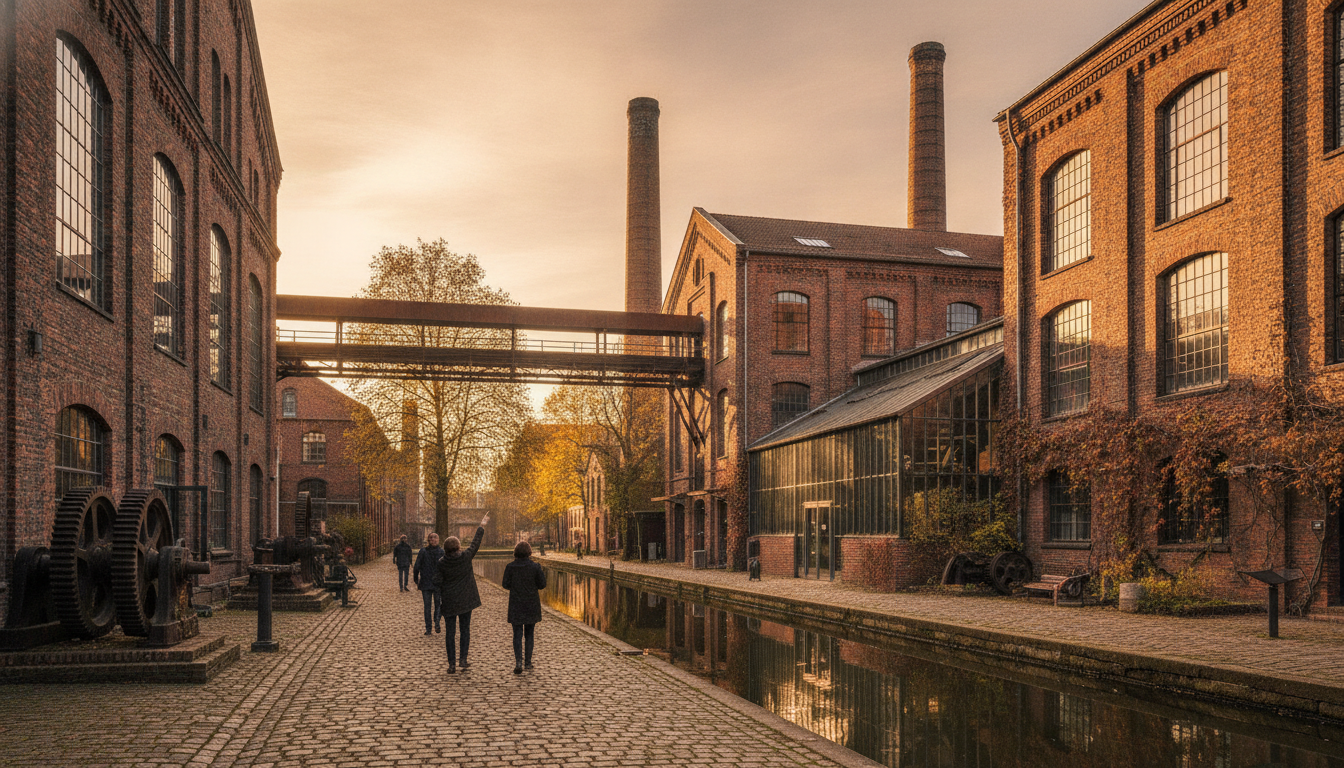
The industrial heritage of Lippstadt tells a fascinating story of economic growth, technological progress and social change. Anyone strolling through the town's streets will repeatedly come across evidence of bygone industrial eras. This article shows you where to find the most exciting sites of Lippstadt's industrial heritage and why a visit is worthwhile.
Whether former factory halls, repurposed warehouses or specialist museums – Lippstadt's industrial heritage offers plenty to discover for history buffs and culture lovers alike. In this guide, you'll find everything you need to know about the key sites, their history and practical tips for your visit.
Lippstadt's Industrial Heritage - An Overview of the History
Lippstadt's industrial heritage is deeply rooted in the region's economic development since the 19th century. With the rise of metalworking and, later, electrical engineering, Lippstadt developed into a significant industrial centre in Westphalia. Many companies left a lasting mark on the townscape.
Lippstadt's industrial heritage is visible today in numerous preserved buildings that bear witness to this golden age. Factory chimneys, brick buildings and old works halls are reminders of a time when hard work and inventive spirit shaped the town.
The Economic Significance of Early Industries
Lippstadt particularly benefited from the following industries:
- Metalworking and mechanical engineering
- Electrical engineering manufacturing
- Textile industry and weaving
- Food production and milling operations
These sectors created jobs and contributed to the region's prosperity. Lippstadt's industrial heritage still reflects this economic transformation today.
Visiting Historic Factory Buildings in Lippstadt
Anyone interested in historic factory buildings in Lippstadt will find numerous well-preserved examples in the town centre and surrounding districts. Many of these buildings have been lovingly restored and now serve new purposes.
The brick architecture of many factory buildings reflects the craftsmanship and industrial building style of the 19th and early 20th centuries. Tall windows, massive walls and characteristic sawtooth roofs define their external appearance.
Notable Sites in the Town Centre
These historic factory buildings are not to be missed:
- The former weaving mill with its striking façade
- The old mill building by the watercourse
- The repurposed machine factory with its industrial charm
- The restored warehouse in the town centre
💡 Tip: Many of these buildings now house cafés, studios or small shops. A walk here is therefore doubly worthwhile.
After a tour of the sights, why not take a break at one of the cafés with workspaces in Lippstadt, many of which are housed in historic buildings.
Lippstadt Industrial Museum - History You Can Touch
The Lippstadt Industrial Museum forms the heart of the town's industrial heritage, offering visitors a deep insight into the region's economic history. Interactive exhibits and original machinery bring the working world of the past vividly to life.
Here, visitors can experience first-hand how workers once stood at the machines and the challenges that everyday industrial life brought. The exhibition is designed especially for families and school groups.
Highlights of the Permanent Exhibition
The museum offers the following attractions:
- Original machines from the founding era
- Documentation on working families
- Interactive stations for children
- Temporary exhibitions on special topics
- Historic photographs of Lippstadt's industrial heritage
The Lippstadt Industrial Museum perfectly complements a visit to the town's historic factory buildings, rounding off the overall picture of its history.
Exploring Lippstadt's Industrial Heritage Along the River
Many industrial sites were deliberately built along watercourses in the past, as rivers served as both an energy source and a transport route. In Lippstadt, too, the town's industrial heritage can be traced particularly well along the Lippe.
Former mills and factory complexes still line the riverbanks today. A walk along the river combines natural scenery with industrial history in a pleasant way.
Water Power as the Driving Force of Industrialisation
The use of water power brought the town crucial advantages:
- Reliable energy supply for mills and factories
- Convenient transport options for raw materials
- Settlement of further businesses along the riverbank
- Development of residential districts for working families
These factors made proximity to the river a decisive locational advantage during the industrial heyday.
Lippstadt's Industrial History - From Craft to Mass Production
Lippstadt's industrial history shows an exciting shift from traditional craftsmanship to industrial mass production. This transition took place over several decades and fundamentally changed the town's social fabric.
Small workshops grew into significant production sites. At the same time, new professions and training paths emerged that still shape the regional economic structure today.
Significant Entrepreneurial Figures
Several visionary entrepreneurs drove industrial development forward:
- Founders of early mechanical engineering businesses
- Pioneers of electrical engineering manufacturing
- Investors in modern production facilities
- Advocates for workers' welfare and education
These figures laid the foundation for the modern economic structure that remains part of Lippstadt's industrial heritage today.
Lippstadt's Industrial Heritage for Families and Groups
Lippstadt's industrial heritage is ideal for a family day out. Many museums and sites offer special programmes for children and young people.
Guided tours of historic factory buildings in Lippstadt offer a playful way to learn about technology and history. Company outings or club gatherings can also be wonderfully arranged here.
Practical Tips for Your Visit
For a successful outing, keep the following in mind:
- Check museum opening hours online in advance
- Book group tours early
- Plan for comfortable footwear for longer walks
- Consider combining your visit with other Lippstadt attractions
💡 Tip: Many sites offer reduced admission prices for families and groups. It's worth asking in advance.
You'll find more information on leisure activities on the Lippstadt town page, which offers a comprehensive overview of the town.
Modern Use of Historic Industrial Buildings
A particularly exciting aspect of Lippstadt's industrial heritage is the creative repurposing of old factory buildings. Rather than demolition, town planners are increasingly opting for preservation and modern redevelopment.
Former production halls now house studios, event spaces or dining establishments. This development not only preserves historic building fabric but also creates new urban living spaces.
Repurposed industrial buildings are particularly popular as venues for cultural events. The dining scene also benefits from this trend. If you fancy a drink after exploring Lippstadt's industrial heritage, handcrafted cocktails in Lippstadt make the perfect way to round off the evening.
At the same time, sustainable concepts are also developing in restored factory buildings. For example, sustainable fashion in Lippstadt combines modern values with historic ambience in repurposed industrial buildings.
Tips for Your Discovery Tour Through Lippstadt's Industrial Heritage
To explore Lippstadt's industrial heritage in the best way, a well-planned route is recommended. A structured walk saves time and ensures you don't miss any important highlights.
Recommended Route for First-Time Visitors
The following route has proven popular with first-time visitors:
- Start at the Lippstadt Industrial Museum for a historical overview
- Walk to the historic factory buildings in the town centre
- Take a break by the Lippe with views of former mill sites
- Finish at a repurposed industrial building with dining options
This route combines education, exercise and enjoyment into a thoroughly successful day trip through Lippstadt's industrial heritage.
📍 Discover more:
Conclusion
Lippstadt's industrial heritage offers a fascinating window into the town's economic past. Historic factory buildings in Lippstadt, the impressive Lippstadt Industrial Museum and the town's eventful industrial history merge into a unique cultural experience.
The key takeaways at a glance:
- Lippstadt's industrial heritage dates back to the 19th century
- Historic factory buildings continue to shape the townscape today
- The industrial museum offers interactive insights for the whole family
- Many buildings have been creatively repurposed and invite you to linger
- A planned route makes exploring much easier
Plan your trip today and discover Lippstadt's industrial heritage with all its fascinating facets. The mix of history, architecture and modern use makes every visit a special experience.
Frequently Asked Questions
Where can I find the best examples of Lippstadt's industrial heritage? The town centre and the riverbanks of the Lippe offer the densest concentration of historic factory buildings in Lippstadt. Guided tours linking several sites are particularly recommended.
How long does a visit to the Lippstadt Industrial Museum take? An average visit takes around two to three hours. With children, or if you engage intensively with the interactive stations, the visit may take longer.
Is Lippstadt's industrial heritage interesting for children too? Yes, many museums and sites offer special programmes for younger visitors. Interactive exhibits convey history in a playful and accessible way.
What role did water power play in Lippstadt's industrial history? The Lippe served as an important energy source for early mills and factories. This water power enabled the development of numerous production sites along the river.
Can I visit historic factory buildings in Lippstadt outside of guided tours? Many buildings are now freely accessible, as they are used as cafés, shops or event venues. However, for special historical insights, organised guided tours are recommended.
Katharina Hoffmann