Lutherstadt-wittenberg
Lutherstadt Wittenberg: 10 Highlights You Must See
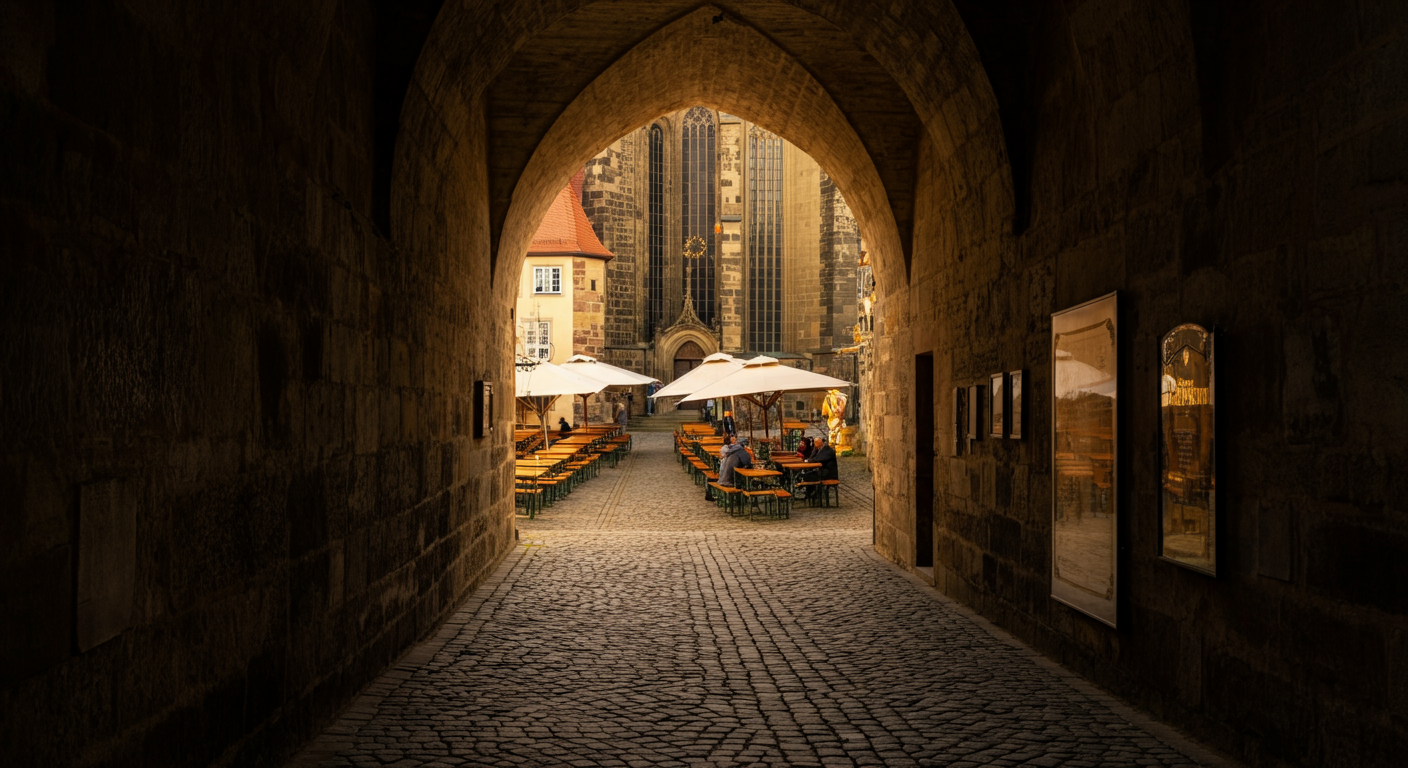
Lutherstadt Wittenberg ranks among the most significant historic towns in Germany. The Wittenberg sights attract millions of visitors from around the world every year, all keen to follow in the footsteps of Martin Luther and the Reformation. From the world-famous Castle Church to the picturesque lanes of the old town, Wittenberg offers a unique blend of history, culture and architecture. In this comprehensive guide, we present the 10 most beautiful and important sights that you simply shouldn't miss on your visit to the Lutherstadt.
Wittenberg Sights: The Famous Castle Church as the Centrepiece
The Castle Church of All Saints is without doubt the best-known of all Wittenberg sights. It was on its door that Martin Luther nailed his 95 Theses on 31 October 1517, thereby launching the Reformation. Today, the church is a UNESCO World Heritage Site and a place of pilgrimage for millions of believers and history enthusiasts.
Architectural Highlights of the Castle Church
The Gothic church impresses with its striking architecture:
- A magnificent bronze door bearing the 95 Theses in Latin
- Ornate vaulted ceiling paintings from the 16th century
- The tombs of Martin Luther and Philipp Melanchthon
- An impressive organ from the 19th century
💡 Tip: The best times to visit the Castle Church are early morning or late afternoon, to avoid the crowds of tourists.
The Theses Door seen today is a bronze replica, as the original wooden door was destroyed in a fire in the 17th century. The inscriptions of the 95 Theses can be read in both Latin and German.
Opening Hours and Visitor Information
The Castle Church is open daily and admission is free. Guided tours are offered in various languages. The evening organ concerts, held regularly, are especially worth catching.
Town Church of St Mary's: At the Heart of the Wittenberg Sights
The Town Church of St Mary's is another important Wittenberg sight and is regarded as the true Reformation church. This is where Martin Luther preached regularly and where the first Protestant communion was celebrated.
Art-Historical Treasures in St Mary's
The town church is home to unique works of art:
- The Reformation Altarpiece by Lucas Cranach the Elder and the Younger
- A baptismal font dating from the 13th century
- Epitaphs of prominent reformers
- A historic pulpit from the Reformation era
The famous Reformation Altarpiece depicts scenes from the life of Jesus on its wings, portraying the reformers as biblical figures. Lucas Cranach the Elder created this masterpiece together with his son.
💡 Tip: Join one of the free guided tours to fully understand the symbolic significance of the artworks.
Luther House: The Largest Museum of Reformation History Among the Wittenberg Sights
The Luther House was once Martin Luther's home and is now the world's largest museum dedicated to the history of the Reformation. This Wittenberg sight offers deep insight into the life and work of the great reformer.
Permanent Exhibition at the Luther House
The museum presents an extensive collection:
- Original manuscripts and letters written by Luther
- Historic prints and Bibles
- Paintings by Lucas Cranach
- Luther's study (reconstructed)
- Interactive media stations on the Reformation
Special Highlights of the Collection
Among the most valuable exhibits are Luther's wedding ring, his signet ring and personal items from his daily life. The Luther Room shows how the reformer lived and worked with his family.
The museum also hosts special exhibitions covering various aspects of Reformation history. Audio guides are available in several languages, making the visit an informative experience.
Melanchthon House: A Piece of Educational History Among the Wittenberg Sights
The Melanchthon House was the home of Philipp Melanchthon, the "Teacher of Germany" and Martin Luther's closest collaborator. This Wittenberg sight is dedicated to the educational reforms of the Reformation era.
Philipp Melanchthon's Legacy
Melanchthon revolutionised the German education system:
- He developed the humanist school system
- He drafted the Confessio Augustana
- He founded numerous schools and universities
- He championed the study of Greek and Latin
The museum displays Melanchthon's study in its original condition and presents his scientific instruments. Particularly impressive is his extensive library of valuable manuscripts.
Interactive Exhibition on Educational History
Modern multimedia stations explain the development of the German education system. Visitors can trace how teaching has changed since the Reformation era.
💡 Tip: Combine a visit to the Melanchthon House with the Luther House for a comprehensive understanding of the Reformation.
Cranach Courtyards: The Artistic Heart of the Wittenberg Sights
The Cranach Courtyards were the home and workplace of the famous Cranach family of painters. Lucas Cranach the Elder was not only court painter but also a pharmacist, printer and mayor of Wittenberg.
Lucas Cranach the Elder: A Renaissance Man of Many Talents
Cranach was one of the most colourful figures of his time:
- Court painter to the Saxon Electors
- Friend and portraitist of Martin Luther
- Successful businessman and politician
- Innovative artist and workshop leader
At the Cranach Courtyards, visitors can explore the restored workshops and learn more about Renaissance painting techniques. Original paintings and prints reveal the versatility of the artist.
Modern Cranach Exhibition
The exhibition presents Cranach's work in the context of his era. Interactive stations explain how paints were made and the techniques of panel painting. One highlight is the reconstruction of a Renaissance painter's workshop.
Historic Old Town: Atmosphere Among the Wittenberg Sights
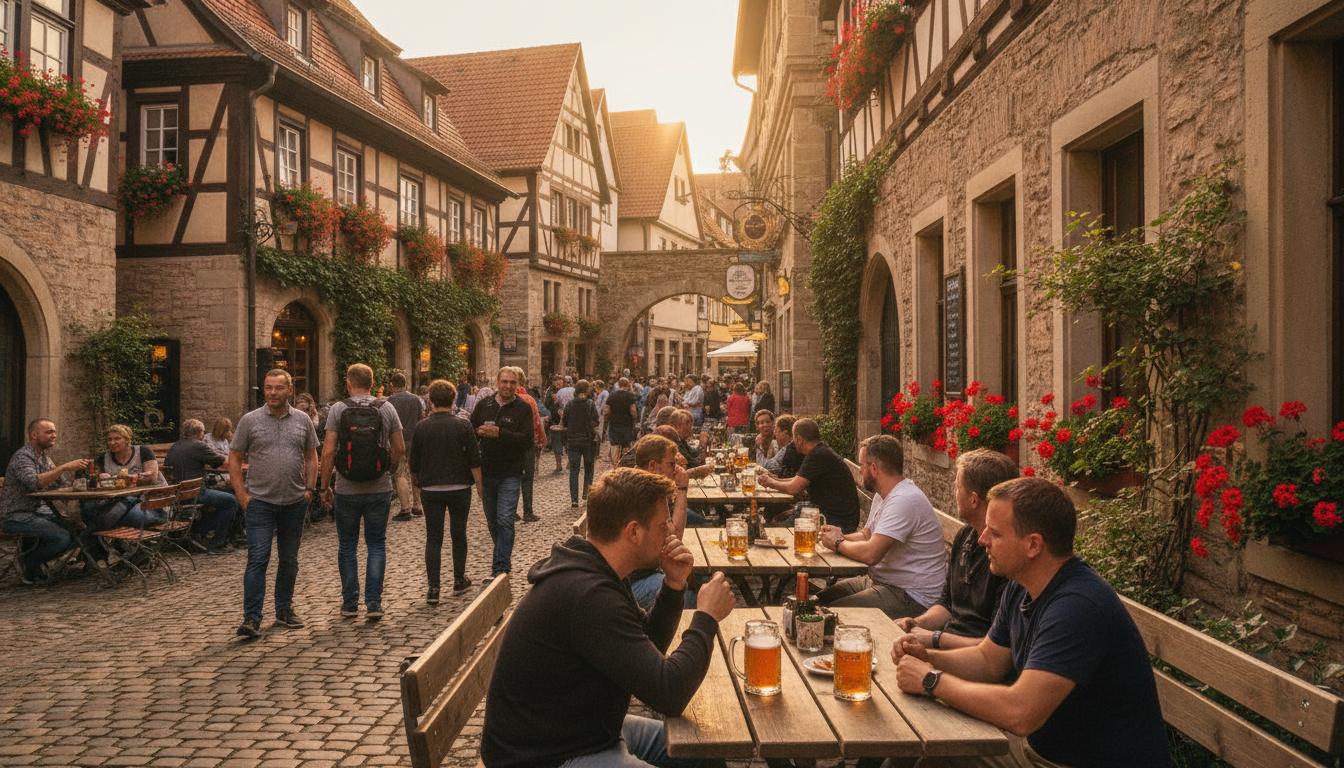
Wittenberg's old town links all the major sights together. A stroll through the cobbled lanes leads you to hidden gems and historic buildings.
Architectural Variety in the Old Town
The old town offers an impressive mix of different eras:
- Gothic townhouses from the Middle Ages
- Renaissance façades from the Reformation era
- Baroque alterations from the 17th and 18th centuries
- Lovingly restored half-timbered houses
The Market Square as the Centrepiece
The Market Square is the heart of the old town and was already an important trading place in Luther's day. The Gothic town hall dominates the square, while the Luther and Melanchthon monuments commemorate the town's famous sons.
💡 Tip: Visit the weekly market on Saturdays to sample regional specialities and experience the bustling atmosphere.
Collegienstraße connects the Castle Church and the Town Church and is considered one of the most beautiful streets in Germany. Historic buildings line up here one after another, now home to museums, restaurants and shops.
Asisi Panorama Luther 1517: A Modern Take on the Wittenberg Sights
The Asisi Panorama Luther 1517 is one of the newest Wittenberg sights and offers an innovative depiction of the Reformation era. The 360-degree panorama transports visitors back to the year 1517.
A Unique Panorama Experience
The monumental circular painting shows Wittenberg at the time of Martin Luther:
- A meticulously detailed depiction of the town in the 16th century
- Over 1,000 hand-painted figures
- A day-and-night simulation with light and sound effects
- Interactive elements and an audio drama
- An accompanying exhibition on how it was created
An Artistic Masterpiece
Yadegar Asisi and his team created an impressive work of art that brings history to life. The panorama shows not only the famous reformers but also the everyday life of ordinary people during the Reformation era.
Visitors can view the panorama from a raised platform, taking in different perspectives. Binoculars allow you to discover even the smallest details.
💡 Tip: Allow at least an hour for the panorama, so you can take in all the details and visit the accompanying exhibition.
More Notable Wittenberg Sights at a Glance
Augusteum and Luther Oak
The Augusteum was once part of the University of Wittenberg and now houses exhibitions on the university's history. Nearby stands the Luther Oak, under which Luther is said to have burned papal bulls.
Bugenhagen House
Johannes Bugenhagen was the town's parish priest and a close confidant of Luther. His home reveals the life of a reformer away from the great stage of history.
Hundertwasser School
The school designed by Friedensreich Hundertwasser is a modern counterpoint to the historic Wittenberg sights and shows that the town also has an appreciation for contemporary art.
Leucorea Foundation
The Leucorea carries on the tradition of the old University of Wittenberg and today offers continuing education programmes and conferences on topics relating to Reformation history.
Practical Tips for Visiting the Wittenberg Sights
Getting There and Parking
Wittenberg is easily reached by public transport. The railway station is just a few minutes' walk from the old town. Drivers have several car parks to choose from:
- Schlossstraße car park (close to the centre)
- Arsenal car park (low-cost)
- Stadtgalerie multi-storey car park (covered)
- Free car parks on the outskirts with a short walk into town
Best Times to Visit
The Wittenberg sights can be visited all year round. A visit is especially rewarding:
- In spring, when the gardens are in bloom
- In summer, for town festivals and concerts
- In autumn, around Reformation Day (October)
- In winter, for atmospheric Christmas markets
💡 Tip: If possible, avoid the peak season in October, when the town is especially busy with tourists.
Food and Accommodation
Wittenberg offers a good choice of restaurants and hotels. Particularly recommended are:
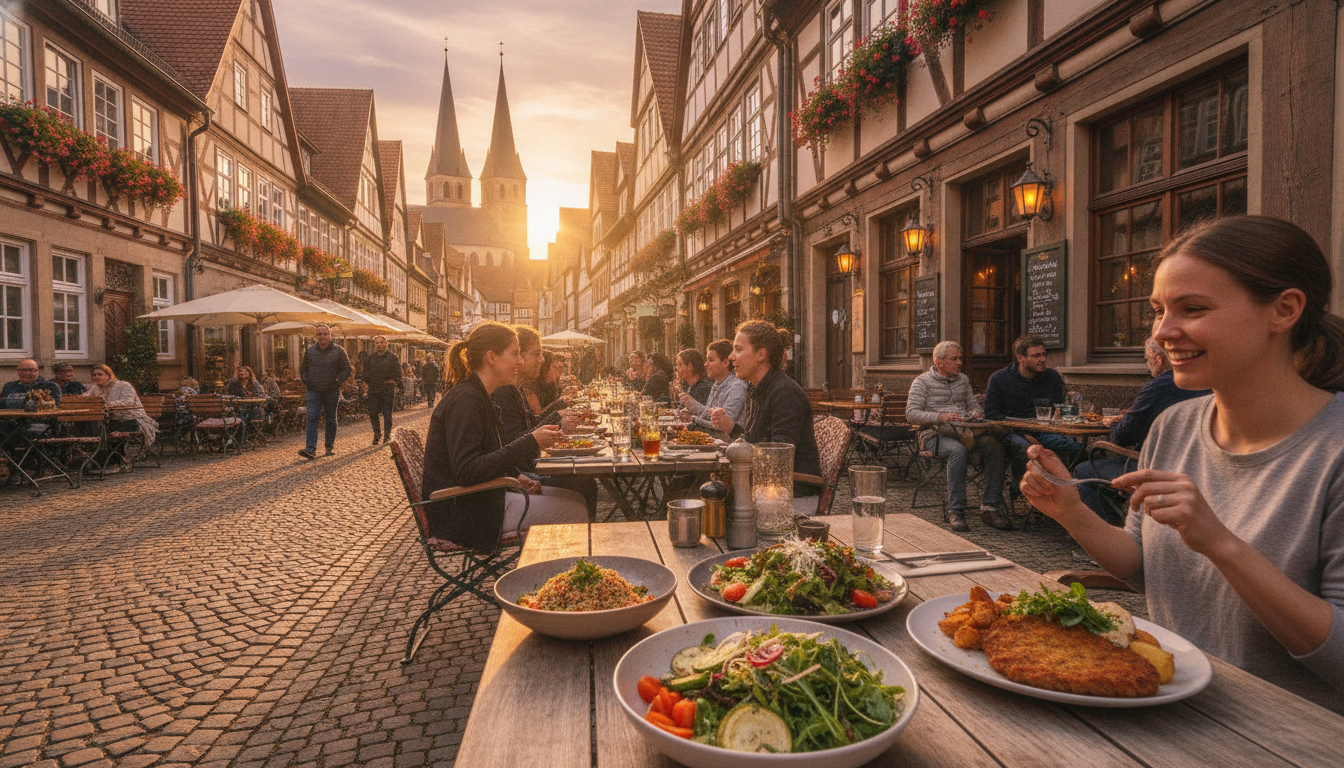
- Restaurants serving regional cuisine in historic buildings
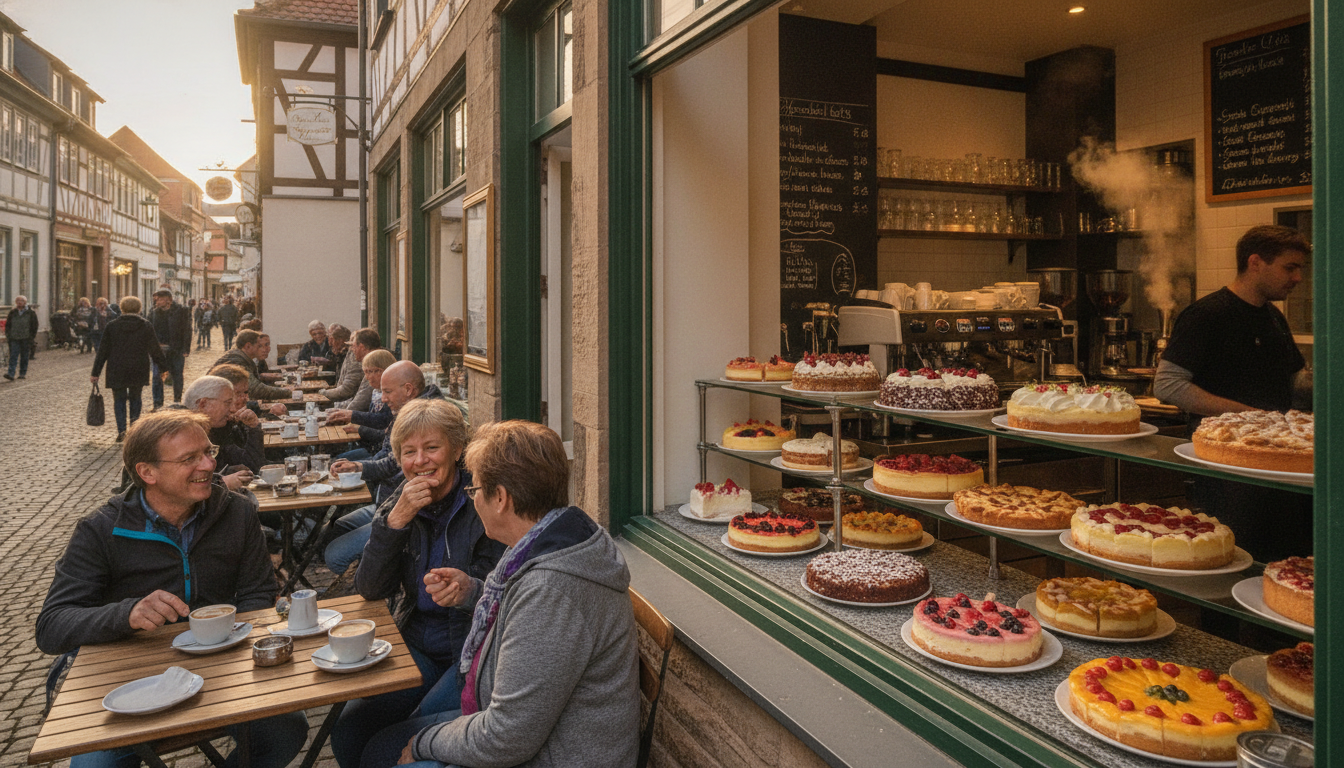
- Cafés with views of the sights
- Hotels in the old town centre, for short distances to everything
- Guesthouses for budget-conscious travellers
📍 Discover more: Explore further [recommendations for Lutherstadt Wittenberg](/lutherstadt wittenberg) on our city page.
Conclusion: Wittenberg Sights as a Journey Through History
The Wittenberg sights offer a unique journey through 500 years of Reformation history. From the world-famous Castle Church to the hidden gems of the old town, every sight tells its own story and contributes to our understanding of this significant era.
The key takeaways from your visit to Wittenberg:
- The Castle Church, as the starting point of the Reformation, is an absolute must-see
- The Luther House offers the most comprehensive portrayal of the reformer's life
- The Town Church of St Mary's shows the practical implementation of the Reformation
- The Cranach Courtyards highlight the artistic dimension of the era
- The Asisi Panorama brings history to life in a modern way
Allow at least two days for the most important Wittenberg sights, to fully grasp the historical significance of this extraordinary town. Lutherstadt Wittenberg is not just a place of history, but also a lively hub that fascinatingly connects past and present.
Visit the Wittenberg sights and let yourself be enchanted by the atmosphere of this historic town. Every step through the old town is a step through history - an experience you'll never forget.
Frequently Asked Questions about the Wittenberg Sights
How much time should I set aside for the main Wittenberg sights? For the main sights such as the Castle Church, Luther House, Town Church and old town, you should allow at least a full day. With the Asisi Panorama and further museums, you'll need two to three days for a thorough visit.
Are there combination tickets for several Wittenberg attractions? Yes, Lutherstadt Wittenberg offers various combination tickets that give you a discount when visiting several museums and attractions. The "Luther Ticket" covers the most important sites related to the history of the Reformation.
Are the Wittenberg attractions accessible for wheelchair users? Most of the key attractions are now fully or partially accessible. The Lutherhaus and the Asisi Panorama are fully wheelchair-friendly. It's worth checking the specific details in advance.
Which Wittenberg attractions are especially suitable for children? The Asisi Panorama delights young visitors too with its spectacular display. The Lutherhaus offers special guided tours for children, and the Cranach-Höfe feature interactive stations. The old town is also perfect for an exciting voyage of discovery.
Can I visit the Wittenberg attractions in winter too? Yes, all the major attractions are open all year round. Winter brings a particularly atmospheric mood, and you'll find fewer crowds. The Christmas market on the Marktplatz is an added highlight during the winter months.
Julia Schröder