München
A Culinary World Tour
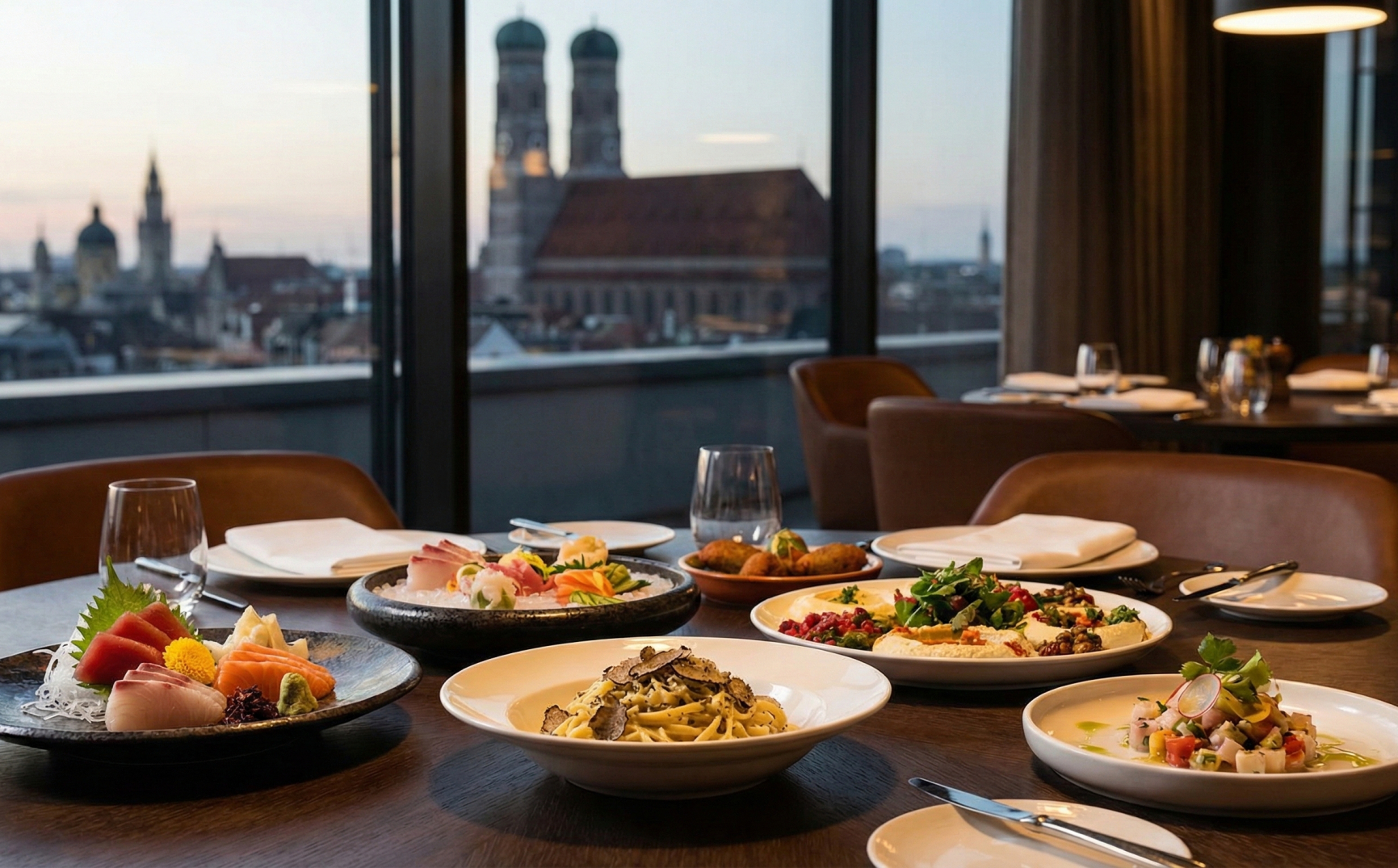
On the global map of gastronomy, Munich is often put, somewhat hastily, into a very traditional, strongly Bavarian pigeonhole by outsiders. The widespread cliché inevitably paints a picture of leather trousers, colossal beer steins filled to the brim with cool, pale beer, hearty, tender pork knuckles with an extremely thick crackling and salty pretzels that feel as huge as a car's steering wheel. And of course, it is beyond question and a wonderful part of the city's identity: this world-famous, rustic Bavarian inn culture is the beating heart of the city, an honest expression of genuine cosiness and lived tradition that locals and countless tourists from all over the world love and celebrate with fervour. But anyone who seriously believes that the culinary landscape of the prospering city on the Isar ends exactly at this point is greatly mistaken and misses the most exciting developments of recent years. Munich has long since grown into a pulsating, cosmopolitan world city whose ever-growing population is today as diverse, international and colourful as its discerning, refined tastes. Far off the beaten, heavily frequented tourist paths around Marienplatz and the Hofbräuhaus, an extremely dynamic, exciting and deeply authentic international food scene is simmering, literally just waiting to be discovered by curious palates. Searching specifically for the best international restaurants in Munich is therefore no longer an obscure niche pursuit but rather the absolute golden key to the true, multicultural culinary pulse of this fascinating city.
The deeper motivation for an extended culinary world tour within your own familiar city limits is as varied and complex as the restaurants' menus themselves. Very often it is acute, pressing wanderlust, the unquenchable desire to escape the grey, rainy everyday for a few precious hours and be transported in spirit to the bustling streets of Bangkok by the intense, exotic taste of a perfect, authentic Thai curry, or straight into the colourful alleys of New Delhi by the bewitching scent of naan bread freshly baked in a clay oven. Just as often, though, it is the pure, intellectual curiosity of modern, well-travelled foodies who do not simply want to go out for Asian food in Munich in general, but who are keenly interested in tasting the subtle difference between a northern and a southern Vietnamese pho broth exactly, or in understanding the strict formal subtleties of elite Japanese kaiseki cuisine in their full depth. Munich offers precisely this longed-for culinary depth in an incredible density. For years the Bavarian metropolis has attracted enormous creative talent from all corners of the world, including absolute top chefs, visionary sommeliers and highly passionate restaurateurs who finally want to present their beloved home cooking completely uncompromisingly and without any inglorious adaptation to the supposedly mild German mass taste. Absolute authenticity is the new, all-decisive magic word in today's scene, which unerringly separates the culinary wheat from the chaff.
This breathtaking culinary diversity is of course no lucky coincidence but the great result of a decades-long, steady social and demographic development. As the affectionately named "northernmost city of Italy", Munich learned very early in its history to look beyond the metaphorical rim of the classic bread dumpling plate and to integrate foreign influences gratefully. But in the past ten years the pace of this gastronomic evolution has accelerated rapidly and noticeably once again. From the loud, smoky street kitchens of Mexico, through the mysterious souks of the Levant fragrant with a thousand spices, to the highly complex, acid-driven fusion kitchens of Lima – international dining in Munich has finally come of age and become enormously self-confident. Today it is innovative, extremely bold and no longer shies away from complex, challenging flavour profiles, extreme levels of heat or unusual textures. Anyone in Munich today who resolves to really go out for authentic food rightly expects far more than a few exotic decorative items hung on the wall or folk music from the speakers; they expect honest, traditional craft, absolutely first-class, original ingredients and a holistic, immersive experience that goes far beyond mere eating and literally touches the soul.
This in-depth, extremely detailed and SEO-optimised blog post is your ultimate, reliable compass for this fantastic journey across the continents. We researched intensively online for you, spent months eating our way through the city's various neighbourhoods and identified exactly those outstanding places where the big, wide world has found a real, loving home in Bavaria. We deliberately present a curated selection of restaurants that may not necessarily appear on the first page of every standard travel guide, but that stand out above all for their outstanding, consistent quality, their unique, gripping atmosphere and not least their unadulterated, almost obsessive devotion to the respective traditional national cuisine. Whether you are looking for an intimate insider tip for a romantic date, a loud, sociable place for the weekend with friends or a temple of international fine dining – you are guaranteed to find something here. Prepare your taste buds for a firework of flavours, because we are now leaving the safe Bavarian comfort zone for good and setting off together on an epic, unforgettable expedition to probably the most exciting and best international tables in the whole city.
Japan: Beyond Sushi Rolls and the Absolute Art of Culinary Precision
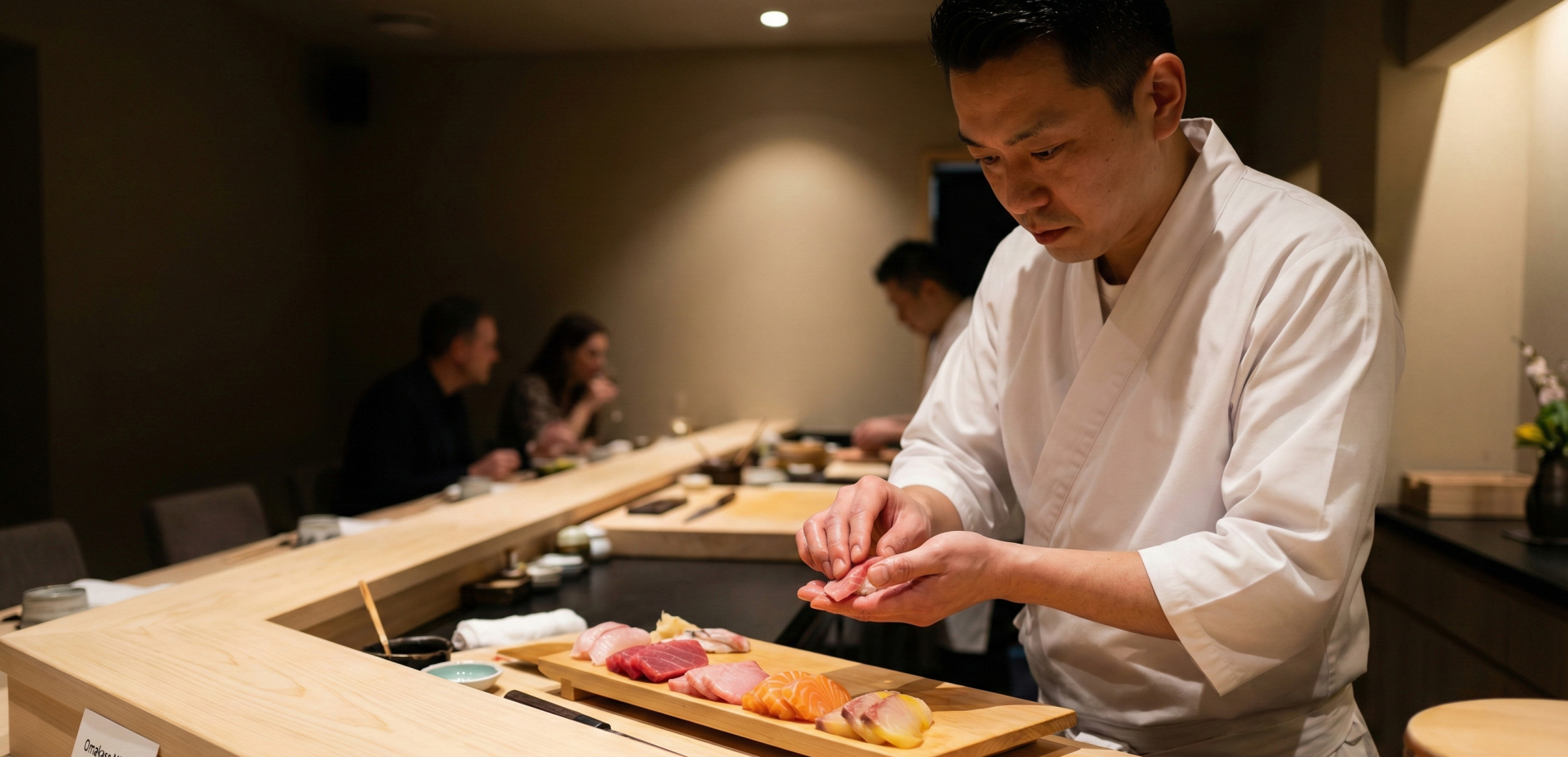
Fortunately, fantastic Japanese cuisine in Munich left behind long ago that rudimentary stage in which European guests simply equated it with "sushi, salmon and soy sauce". Truly discerning gourmets and connoisseurs have long known that Japan's thousand-year-old culinary tradition is one of the most complex, refined and hardest to master in the whole world. It is deeply shaped by an almost obsessive, reverent devotion to ultimate product quality, strict attention to extremely short-lived seasonality and a meditative, craftsmanlike precision that has no equal. Anyone who really wants to eat authentic Japanese food in Munich looks specifically for those rare places that live this relentless, uncompromising philosophy in every single movement. It is about the scientifically exact, perfect relationship between the seasoned temperature and texture of the rice and the fish in nigiri, about the incredible, profound depth of the broth cooked for days in an authentic ramen soup, or about the artful, choreographed sequence of a classic omakase menu, in which the highly decorated head chef takes absolute, undisputed control of the whole culinary experience of the evening.
In the city on the Isar there are now some truly outstanding, internationally acclaimed addresses that have devoted themselves heart and soul to this high, purist art. Here the fish is not simply imported carelessly in bulk but hand-selected by experts according to extremely specific, strict quality criteria – such as the exact, marbled fat content of the coveted toro tuna. In some of the absolute top locations for star-rated dining in Munich, this noble fish is even, in some cases, expertly aged in-house under strictly controlled conditions (dry ageing) to intensify the coveted, meaty umami flavour to a previously unknown maximum. Alongside the exclusive, elite sushi bars in the high-price segment, numerous highly specialised, authentic ramen shops have also fortunately established themselves in recent years, in front of whose unassuming doors – exactly as in the busy alleys of Tokyo or Osaka – extremely long, patient queues of hungry guests form, especially in the cold season. These small, noisy eateries celebrate the hours-long, bubbling preparation of creamy tonkotsu or spicy miso broths and the art of making the perfect, wonderfully elastic and firm noodle in-house.
But the incredible, multifaceted Japanese cuisine in Munich offers the adventurous guest far more than that: izakayas, the Japanese, far more convivial version of the Spanish tapas bar, are currently gaining massively and rapidly in well-deserved popularity among Munich's people. In these often somewhat louder, darker and wonderfully smoky venues, the cheerful, casual sharing of countless small, often extremely strongly seasoned and hearty dishes is the absolute focus, always excellently accompanied by ice-cold premium sake, plum wine or freshly tapped Japanese beer. From absolutely perfect yakitori skewers grilled over fiery binchotan charcoal, made from every conceivable part of the chicken, through fantastically crunchy, juicy karaage (the famous fried Japanese chicken), to highly complex, silky tofu dishes, this is where the relaxed, everyday but culinarily not one shade less demanding side of Japan shows itself. These pulsating, energetic restaurants are simply perfect for everyone who wants to discover the incredible variety of Japanese flavours, far from raw fish and formal etiquette, to the full and in the best company.
Italy: The Profound Search for True and Unadulterated Regionality
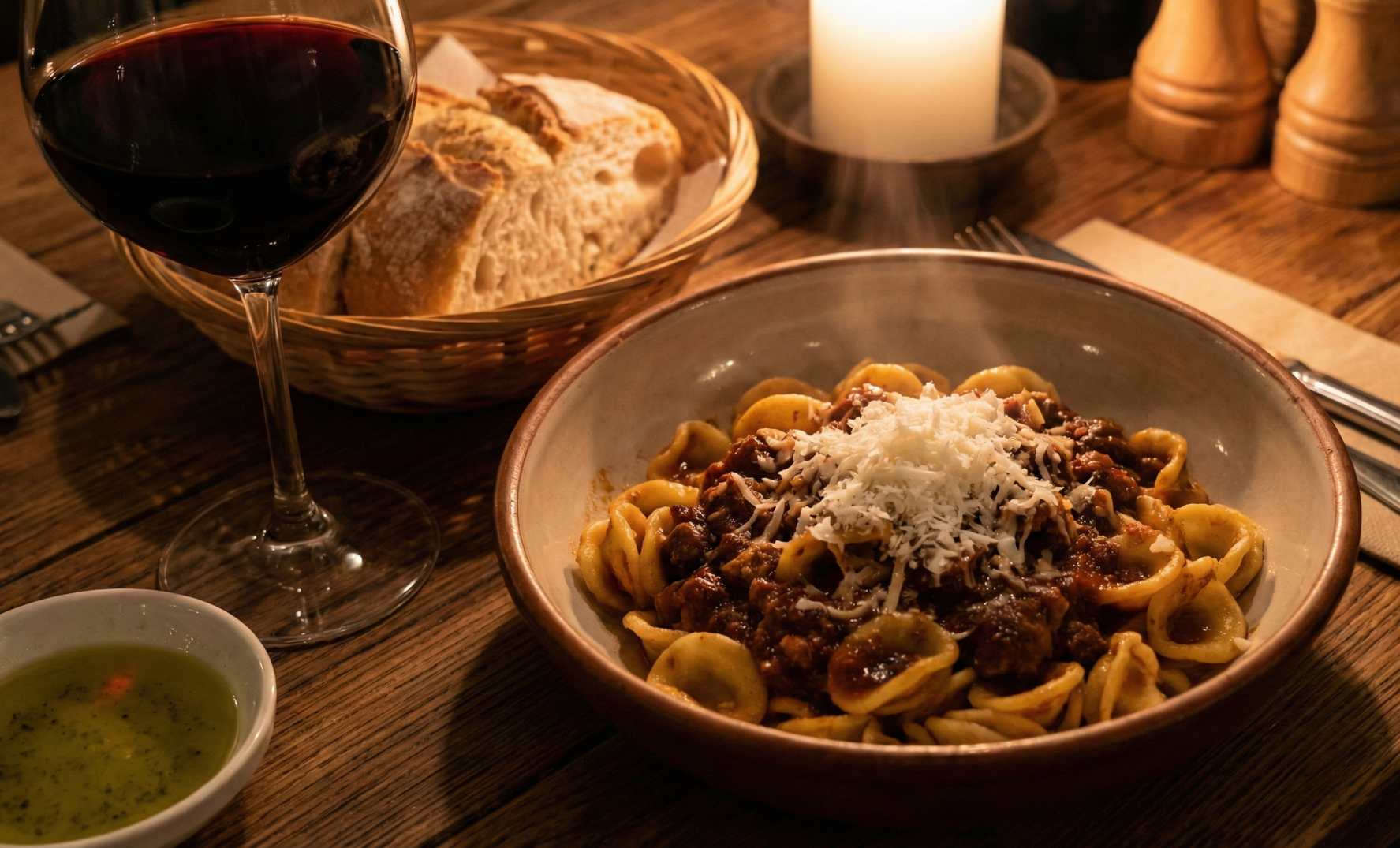
Munich and Italy – that is an incredibly intense, deeply rooted love story that has now lasted for many decades and lastingly shapes the cityscape. The sheer density of Italian restaurants in the Bavarian state capital feels far higher than in many a mid-sized town directly south of the famous Brenner Pass. But exactly here, in this enormous mass of supply, lies the real, great challenge for the true gourmet: in the seemingly endless ocean of unfortunately often merely mediocre, interchangeable pizzerias and pasta dishes heavily adapted to the German palate and drowned in cream sauce, you have to find the true, shining pearls that do not just print "authentic Italian cuisine" on the menu as an empty advertising phrase but celebrate it with every fibre. The very best and most renowned Italians in Munich have long understood one thing: there is no single, homogeneous Italian cuisine at all. Instead they proudly concentrate on the enormously different, distinctive regional cuisines – be it the incredibly butter-heavy, truffle-laden opulence of northern Piedmont, the rustic, meat-heavy and honest simplicity of the Tuscan hills, or the sun-kissed diversity of flavours shaped by capers, lemons and fresh fish in the deep south and Sicily.
In these absolute top restaurants, which count among the most sought-after hidden-gem restaurants in Munich, a radical, almost relentless uncompromisingness is emphasised in the choice of basic ingredients. Original San Marzano tomatoes with the protected DOP seal for the classic pizza napoletana, genuine, hand-formed buffalo mozzarella straight from Campania, flown to Bavaria dew-fresh by courier several times a week, or the sinfully expensive white truffle, sourced in season directly from the hunters of Alba – here this is not the exception but the indispensable standard. Here the traditional spaghetti carbonara is guaranteed not to taste of cheap cream or diced ham, but exclusively of crisply fried guanciale (pork cheek), intense pecorino romano, fresh black pepper and creamily whisked egg, exactly as it has been served for generations in the traditional trattorias in the heart of Rome. In these houses the pasta is almost without exception made fresh in-house every morning by painstaking hand, which the guest can immediately feel and taste in absolutely every single bite from the perfect, incomparably silky yet firm texture (al dente).
These wonderful, characterful restaurants are, surprisingly often, still genuine, long-established family businesses, in which not infrequently "Mamma" or "Papà" still stands in the hot kitchen with a critical eye, or the proud patron of the house greets every single guest personally at the entrance with a loud, hearty "Buonasera" and leads them to their table. The extensive wine lists of these establishments are never merely a loveless collection of expensive, world-famous mainstream names but rather curated, passionate liquid journeys across the steep vineyards of the whole of Italy, very often stocked with great, unknown discoveries from tiny, independent and organically working winemakers. An extended evening in such a genuine Italian eatery in Munich ultimately no longer feels like a normal restaurant visit after work but rather like a three-hour, intense mini-holiday in the warm south. It is the perfect, living embodiment of the legendary "dolce vita" in the middle of the Bavarian metropolis, in a place where the restaurateur takes the exceptional quality of the cold-pressed olive oil on the table as a welcome just as seriously as the elaborate main course itself.
The Levant and the Orient: An Intoxicating Feast of Exotic Colours and Fine Aromas
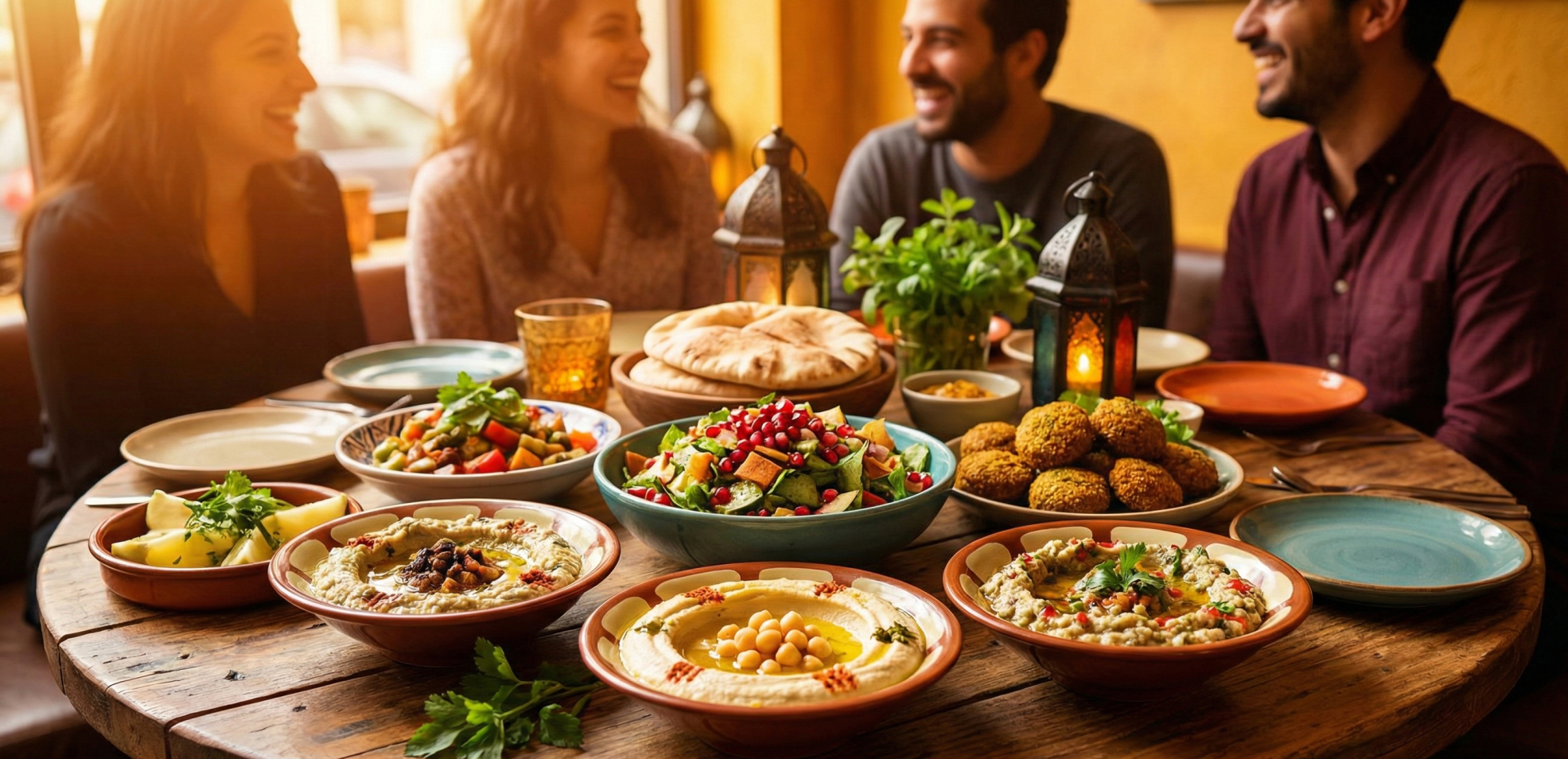
In Munich's recent culinary history there is probably hardly another regional cuisine that has embarked on such a breathtaking, unstoppable triumphant march in the city on the Isar over the past five to ten years as the fascinating cuisine of the Levant. This historically and geographically broad term unites the incredibly varied, deeply aromatic and sun-kissed worlds of the eastern Mediterranean and the Middle East – including the rich culinary traditions of countries such as Israel, Lebanon, Syria and Jordan. It is an extremely modern, light and digestible cuisine that fits almost perfectly, as if tailor-made, into the zeitgeist of our present conscious way of eating: by nature it is incredibly often purely vegetarian or even strictly vegan, and extremely rich in fresh, crisp vegetables, in incredibly protein-rich pulses and in very healthy unsaturated fats such as high-quality olive oil and sesame paste. Above all, though, it is an incredibly communicative, connecting cuisine. The undisputed, pulsating heart of this food culture is so-called mezze culture – the cheerful, casual sharing of countless small, lovingly arranged plates and bowls that within minutes turn the whole table into a breathtaking, colourful and fragrant mosaic of exotic colours, widely varying temperatures and exciting textures.
The very best and most sought-after oriental restaurants in Munich are distinguished first and foremost by the uncompromising, same-day freshness of all their elaborate preparations. A real hummus here is definitely not a bland, sour and industrially made paste from a supermarket plastic tub, but an incredibly creamy, rich and often slightly lukewarm, nutty revelation, generously drizzled with the finest olive oil and crowned with whole, soft chickpeas, roasted pine nuts and a pinch of hot paprika. The round falafel balls are, as a matter of principle, only fried fresh to order in these houses; they are fantastically crisp, crunchy and dark brown on the outside, while their inside glows in a magical, rich green thanks to the use of masses of fresh parsley and coriander. The masterly use of countless ingredients and spices that are often still unfamiliar to the European palate, such as ruby-red, juicy pomegranate seeds, nutty tahini (sesame paste), the sour, herbal spice blend za'atar and the fruity-tart sumac, creates that unmistakable, highly complex balance of acidity, natural sweetness and earthy, deep spice that makes this exciting cuisine so irresistible and addictive.
Whether you go into the loud, hip and architecturally spectacular setting of one of the big, fashionable scene restaurants in the centre of Munich, or deliberately visit one of the tiny, family-run and lovingly managed snack bars in the outer districts, often run with the greatest passion by Syrian newcomers – Oriental cuisine undeniably brings a completely new, overwhelming warmth and incredible hospitality to Munich's restaurant landscape. These meals are never just about mere, silent eating; they are about the communal, connecting experience, the almost ritual dipping of hot, oven-fresh flatbread into the most varied, colourful dips, the wild sampling of absolutely everything that was served, passed back and forth across the table. Elaborate dishes such as a fiery, spicy shakshuka late on a Sunday morning at an extended brunch, or heavily marinated lamb skewers grilled extremely slowly and juicily over glowing charcoal late in the evening impressively show the enormous culinary range and depth of this fascinating region, which has simply enriched Munich enormously in culinary terms in recent years and changed it lastingly.
Mexico and Latin America: Blazing Fire, Pure Corn and Unbridled Zest for Life
For a really long and, from a culinary point of view, very regrettable stretch of time, what was sold to unsuspecting guests in Munich under the label "Mexican" or "Latin American" was often a rather sad, heavy and greasy affair. It mostly consisted of mountains of industrially made nachos baked indiscriminately with inferior imitation cheese, served with extremely sweet convenience sauces from the wholesale market – so-called, heavily Americanised Tex-Mex cuisine. But fortunately, in recent years a completely new, young and extremely quality-conscious generation of international restaurateurs has made it their personal life's mission to bring the true, infinitely rich and incredibly complex culinary heritage of Latin America to Bavaria authentically and unadulterated. Searching specifically for real, authentic Mexican food in Munich now finally leads the gourmet to places that smell intensely of fresh coriander, zesty lime, smoked meat and genuine, imported chilli varieties on entering, and where the essential tortilla is of course made from handmade nixtamalised corn flour and definitely never from mundane wheat.
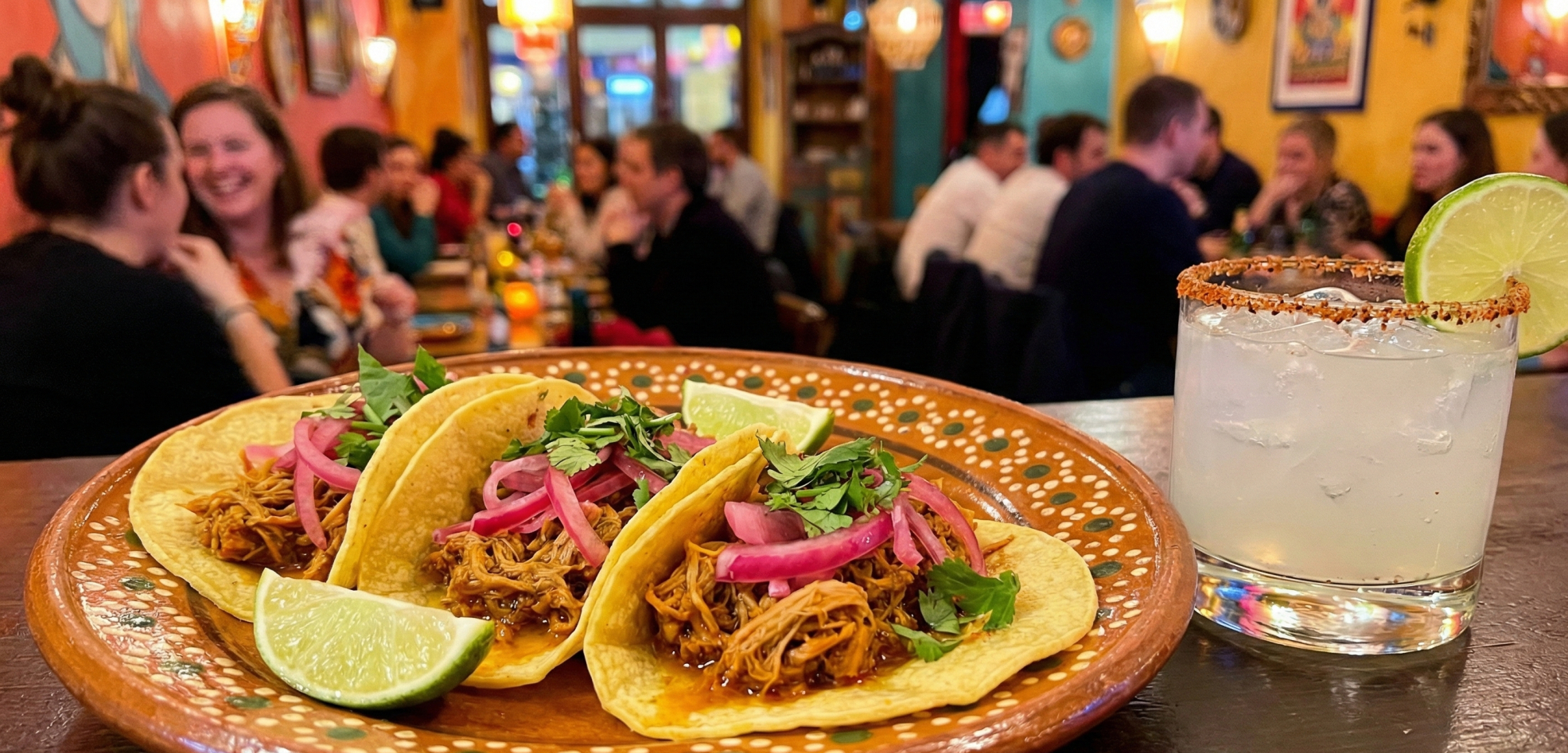
The lovingly curated menus of these exciting new hotspots are a deep, respectful tribute to the lively, centuries-old street food culture that stretches from the pulsating streets of Mexico City to Lima in the high Andes. Tacos in these taquerias are not simple snacks but real, well-thought-out little works of art: the base is a warm, fragrant, handmade corn tortilla, artfully topped with meat braised for hours and extremely gently, such as the famous cochinita pibil from Yucatán cooked in banana leaves, crowned with incredibly fresh, home-made salsas whose range extends from mildly fruity to downright hellish and sweat-inducing hot, as well as crunchy, red pickled onions. But it is not only Mexico; the incredibly diverse South American cuisine is also gaining an increasingly firm foothold in Munich, especially with the sensational Peruvian national dish ceviche. This is extremely fresh, raw fish that is "cooked" (denatured) by acidity solely in pure lime juice and served together with fiery chilli, masses of fresh coriander, red onions and sweet potatoes – a truly incomparable, electrifying explosion of flavour made of pure freshness, acidity and heat.
By nature these authentic Latin American restaurants are often wonderfully loud, extremely colourful, often boldly designed and always full to the brim with positive, infectious energy. The attached, well-stocked bar plays an at least equally important, central role in these concepts as the kitchen itself. High-quality, smoky mezcal and craft tequila from small, independent Mexican distilleries are not knocked back here as cheap shots but enjoyed respectfully neat and slowly, or turned into highly complex, balanced cocktails by talented mixologists. Perfectly mixed pisco sours with their unmistakable foam crown transport the delighted guests with the first sip straight to the majestic Andes of Peru. It is an extremely bold cuisine that has absolutely no fear of strong, polarising flavours and impressively proves to Munich's people anew every day that real heat in food is not simply dull pain but an incredibly important, nuanced carrier of flavour that makes all the other ingredients really sing.
Southeast Asia: The Masterly Balance of Sweet, Sour, Salty and Burning Hot
The incredibly fresh, extremely aromatic and varied cuisines of Vietnam and Thailand are nowadays absolutely indispensable to Munich's pulsating cityscape. Every day they offer tens of thousands of Munich residents the perfect, healthy and incredibly tasty answer to the modern urban need for a quick but nonetheless wholesome, light meal in the lunch break or after work. But here too the wheat quickly separates from the chaff, and for the true gourmet a very close second look is definitely worthwhile. The undisputedly best and most authentic addresses for real Southeast Asian cuisine in Munich differ from the pure mass-processors primarily in the absolute, uncompromising freshness of the herbs used – veritable mountains of fresh, green coriander, aromatic Thai basil, crisp mint and fine chives are an absolute must here – and in the enormous authenticity of the extremely complex spice pastes, which the cooks often make themselves by hand in a mortar over hours, according to strictly secret family recipes passed down through generations.
The excellent Vietnamese restaurants in Munich, which are often very popular, celebrate the legendary pho, the famous, steaming rice noodle soup, not simply as a quick starter but quite rightly as a reverent remedy for the stressed body and the tired soul. A truly good, authentic pho broth simmers extremely slowly for many hours, sometimes even for a whole day, to gain its incredible, unmistakable depth from massive beef bones, roasted star anise, black cardamom, charred onions and fine cinnamon. But extremely fresh, herb-heavy dishes such as the famous bun cha (pork juicily grilled over glowing charcoal served with cold rice noodles and a sweet-and-sour fish sauce) or the incredibly light, translucent fresh spring rolls (goi cuon), filled with crisp vegetables, prawns and herbs, impressively show the enormously light, healthy and herb-driven side of this fascinating national cuisine. The truly authentic Thai restaurants, on the other hand, masterfully command the extremely difficult, delicate culinary balance of the four indispensable basic tastes – sweet, sour, salty and hot – in their massive, fragrant curries and dishes wok-fried at extreme heat, without softening the fiery heat so typical of Thailand too much for the sensitive European palate out of misplaced consideration.
The architectural ambience of these Southeast Asian culinary temples in Munich ranges from extremely minimalist, colourful venues strongly reminiscent of the bustling street kitchens of Hanoi or Bangkok, where things are wonderfully fast, loud and extremely busy, to wonderfully elegant, upscale fine-dining restaurants that serve Thailand's incredibly complex, refined royal cuisine on the finest Asian porcelain in an absolutely calm, luxurious atmosphere. What unites them all at their innermost core, however, is the completely indispensable use of extremely fresh, exotic and highly aromatic original ingredients such as hot, woody galangal, lemony-fresh lemongrass, incredibly fragrant kaffir lime leaves and intense, salty fish sauce, which in their masterly combination produce exactly that unmistakable, authentic aroma that in a European home kitchen you can hardly ever replicate perfectly, even with the greatest effort.
Ethiopia and Africa: Communal Enjoyment with All Available Senses
A culinary but also deeply cultural experience of a very special, exotic and incredibly enriching kind, which many Munich residents – even avowed foodies – often still have to discover for themselves, is offered by the fascinating, incredibly aromatic Ethiopian cuisine. A dinner in one of these places is far more than mere, functional eating to satisfy hunger; it is an ancient, deeply rooted social ritual completely anchored in the beautiful, human tradition of sharing, generosity and strong community. In the few but absolutely outstanding and extremely authentic African restaurants in the city, which very often specialise in the cuisines of Ethiopia and neighbouring Eritrea, classic European cutlery such as fork and knife becomes completely superfluous from the very first second and is replaced by the most direct of all tools: your own hands. This initially requires some courage from many guests, but rewards them with an incredible, direct closeness to the food.
The absolute, undisputed and fundamental centre of every Ethiopian meal is so-called injera, a wonderfully soft, sponge-like flatbread with a slightly sour taste from a fermentation process, traditionally baked from extremely healthy, gluten-free teff flour. On the table, this huge, round bread serves not only as a side but at the same time replaces the classic plate and cutlery. Directly on this large injera, the most varied, colourful wats (the traditional, extremely thick and rich stews) are served in small, round mounds – including incredibly spicy, protein-rich lentil dishes (misir wat), lamb or beef braised tender for hours, finely puréed yellow peas and fresh spinach. All of this is seasoned extremely generously with the highly complex, fiery-hot and deep red spice blend berbere, which often combines dozens of different spices. The guest now simply tears off a small piece of the soft injera bread with the right hand and skilfully uses it as a kind of edible scoop to pick up the aromatic stews and bring them to the mouth. This intense, tactile experience enormously heightens the actual enjoyment and creates an incredibly direct, earthy connection to the food.
The atmosphere in these special restaurants is almost without exception extremely warm, hearty and incredibly inviting, deeply shaped by the world-famous, genuine African hospitality, in which the guest feels from the very first second like a long-awaited member of the family. After the generous, filling meal, a traditional, beautiful coffee ceremony is often offered at the table, in which raw, green coffee beans are freshly roasted in a small pan at the table right before the astonished guests' eyes, until the incredibly intense, earthy and calming scent fills the whole room and forms the crowning end of the evening. An extended visit to a good Ethiopian restaurant is thus a truly wonderful, unforgettable way to get to know a completely different, fascinating food culture in the heart of Munich, one that is not only extremely filling, healthy and aromatic but above all puts the aspect of conviviality and human togetherness in the foreground in a wonderful way.
Conclusion
Our extended, detailed culinary world tour across Munich's neighbourhoods shows more than impressively that the Bavarian state capital has long outgrown the narrow infancy of purely regional, provincial gastronomy and has developed into a true mecca for international gourmets. The sheer density and above all the extremely high, uncompromising quality of international restaurants in Munich is now absolutely remarkable and effortlessly withstands any critical comparison with other great European cities such as London, Paris or Berlin. From the purist, almost meditative strictness of a perfect Japanese omakase dinner to the loud, exuberant and fiery zest for life of a real Mexican taqueria, from the highly complex, exotic spice blends of the flourishing Levantine cuisine to the ancient, communal and deeply human tradition of eating in Ethiopia – Munich today guarantees, for every conceivable palate, for every available budget and for absolutely every emotional mood, exactly the right culinary ticket to faraway places. Searching for good international restaurants in Munich today definitely no longer leads the informed guest to sad, Germanised and loveless compromises, but to deeply authentic, enriching and unforgettable taste experiences at world-class level.
This rapid, fantastic development of Munich's restaurant landscape is still very far from complete; rather, it is permanently changing and accelerating. The food scene of the city on the Isar is incredibly dynamic, extremely bold and full of energy. Almost weekly, completely new, innovative concepts pop up somewhere in the city that present even more specific, even less familiar and more exciting regional cuisines from the remotest corners of the earth in detail – be it a loud Korean BBQ where the meat is grilled at your own table, heavy, cheese-laden Georgian dumplings (khinkali) from the Caucasus, or the highly complex, breathtaking Peruvian Nikkei fusion that merges South American ingredients with Japanese precision. This incredible, steadily growing diversity enriches the city's culture enormously and makes it infinitely more colourful. It makes Munich significantly more attractive not only for the millions of international tourists, but above all also massively raises the daily quality of life for the resident locals, who now enjoy the fantastic privilege of being able to taste and experience the whole, huge world literally on their own doorstep at countless tables. It is a beautiful, strong sign of genuine cosmopolitanism, tolerance and unquenchable curiosity that is reflected here on the city's plates every single day anew.
For you as a passionate gourmet, a true foodie or simply someone who likes to eat well, this development means above all one thing: be bold and adventurous! Leave your safe, well-worn culinary comfort zone as often as possible, quite deliberately. At the weekend, do not always just go blindly to the good old, familiar favourite Italian around the next street corner or to the Bavarian inn whose menu you already know by heart. Instead, boldly venture into completely new national cuisines whose exotic names you may not even be able to pronounce correctly at first. Fearlessly try the burning heat of a real, handmade Mexican salsa verde, consciously enjoy the fascinating, tender texture of raw, dry-aged fish in a loud Japanese izakaya, or agree to eat your fantastic, aromatic dinner completely without cutlery, only with your hands, in a cheerful Ethiopian restaurant. The best international restaurants in Munich stand ready with wide-open doors, just waiting to surprise you with fantastic aromas, unfamiliar spices and incredible hospitality and to give you experiences you are guaranteed not to forget any time soon.
We hope with all our hearts that this extremely extensive, thoroughly researched guide has massively whetted your intellectual and physical appetite and that in future it will serve you as a reliable, exciting inspiration for all your next exciting restaurant visits in the city on the Isar. Munich's fantastic culinary world map is huge, extremely detailed and for many of us still full of tempting blank spots that are to be discovered with great joy and curiosity. Make use of the incredible, cosmopolitan variety that this wonderful city offers you today on the proverbial silver platter, and simply make absolutely every one of your future restaurant visits a little journey of its own around the globe. Enjoy your meal – or as they so aptly say all over the wide world: Bon appétit, itadakimasu, buen provecho, be'te'avon and sahtein!

Sarah Müller
Reise- und Lifestyle-Journalistin