Magdeburg
Food Trends in Magdeburg: What's Hot in 2026

Magdeburg, the state capital of Sachsen-Anhalt, is experiencing a culinary renaissance in 2026. Between the Elbe, green spaces and the legacy of Ottonian history, a food scene has developed that's considerably more exciting than its reputation suggests.
The defining trend of 2026 is a return to regional produce. In Magdeburg's surrounding countryside, in the Börde and the Jerichower Land, excellent ingredients are grown – and more and more of the city's chefs are learning to appreciate them. The concept ‘Börde auf dem Teller’ focuses on close collaboration with farmers from the region. Asparagus from the Altmark, lamb from the Deichschäfer, vegetables from the Werderan growing area and cheese from the Altmark-Manufaktur – the produce tells the story of the landscape.
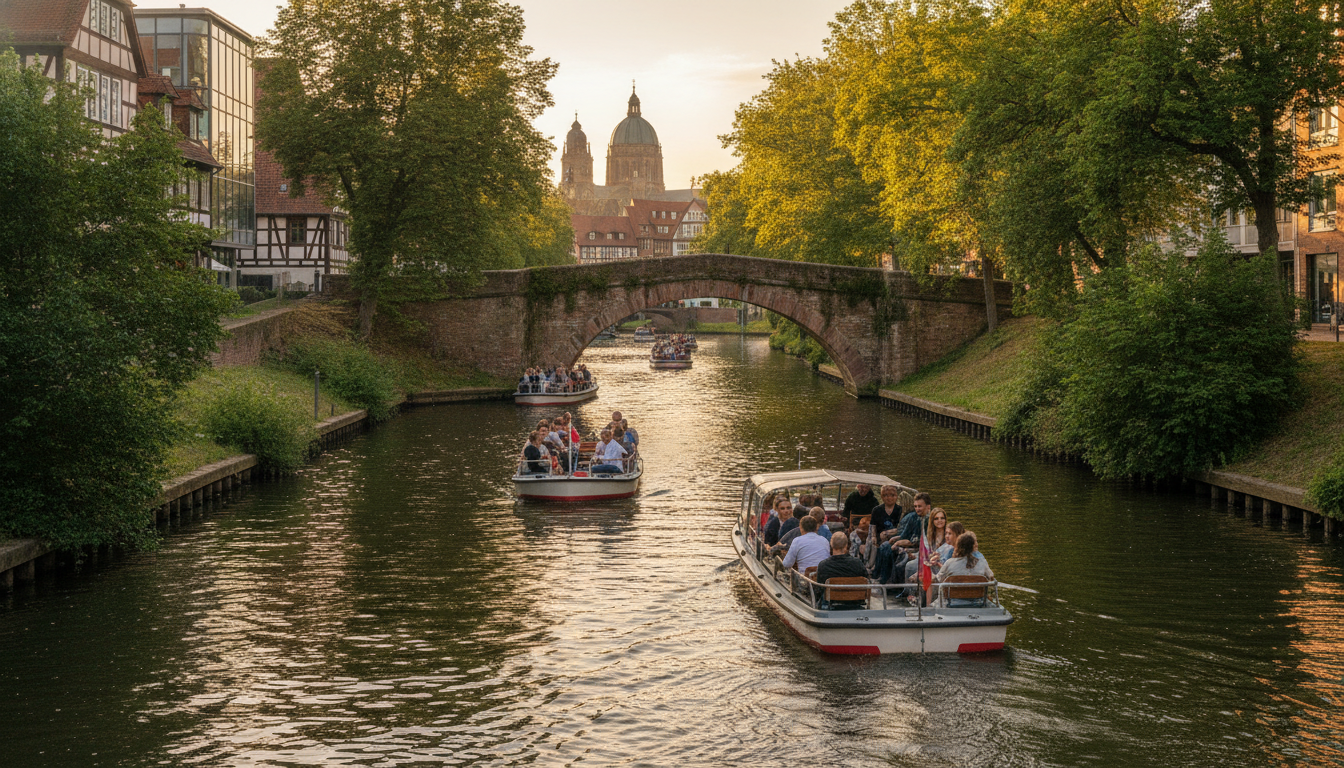
The development along the Elbe waterfront is particularly exciting. In the former industrial and harbour architecture between Hubbrücke and the old Zollbrücke, several trendy venues have set up in 2026. Old warehouse buildings now house craft beer breweries with attached taprooms, a former harbourmaster's house has been converted into an upmarket fish restaurant, and a seasonal bar has opened on a floating platform right on the Elbe – sundowners with a view of the cathedral included.
The city centre itself scores points with a new generation of owner-run restaurants. Young chefs who trained in Berlin, Hamburg or abroad are returning to Magdeburg and bringing fresh ideas with them. The result is exciting fusion concepts that combine traditional East German recipes with international influences. One example is the trend towards fermented foods: home-made kimchi based on Magdeburg sauerkraut recipes, or sourdough pizza made with regional wheat from the Börde.
Vegetarian and vegan cuisine has reached Magdeburg too. Alongside purely plant-based cafés in the trendy Buckau district, established restaurants are also increasingly offering plant-based menu lines. This is no coincidence: the growing student population and young newcomers from the research institutes and technology parks are bringing new eating habits with them and driving demand.
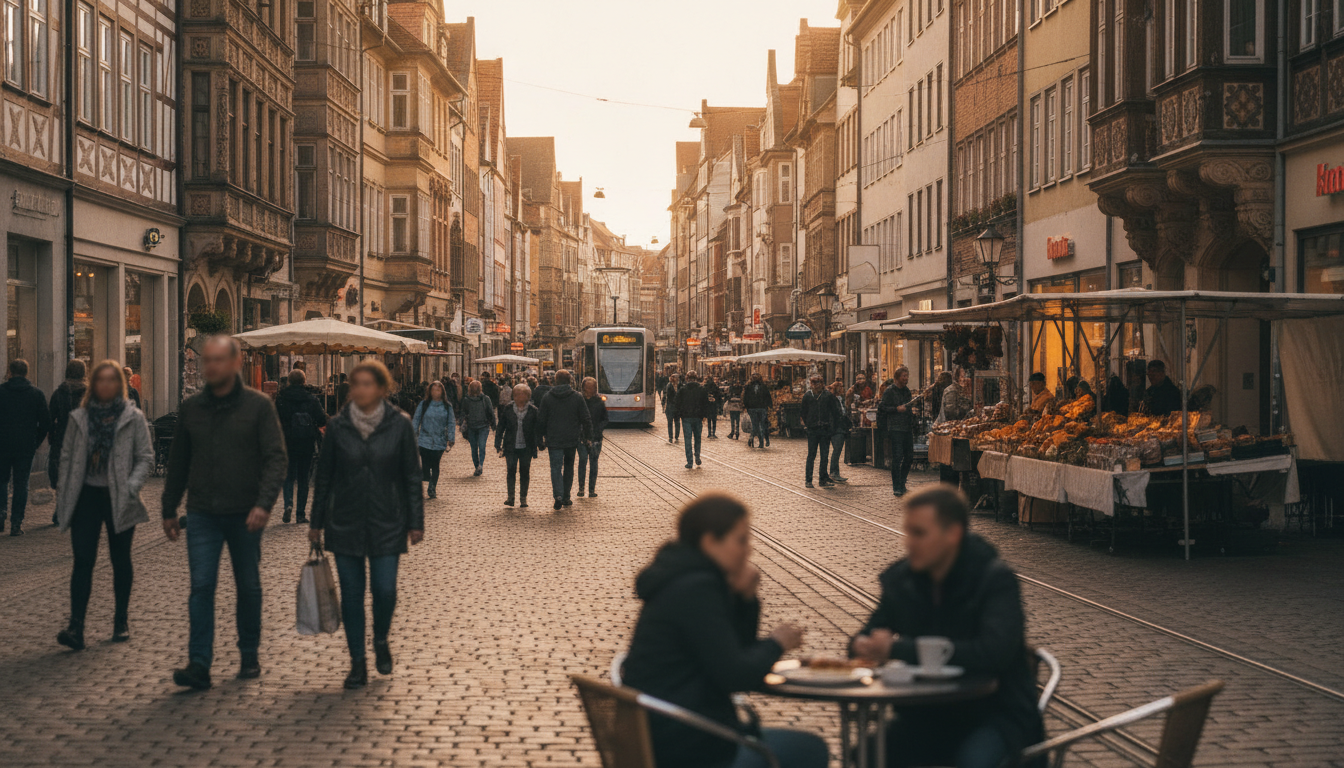
Rounding off the picture is a lively street food scene. A food truck park by the Elbe offers everything from pulled pork burgers to Vietnamese bánh mì to handmade ice cream made with regional milk, Thursdays to Sundays in summer 2026.
Magdeburg's culinary pulse beats at Hasselbachplatz: the Gründerzeit district with its bars, pubs and kitchens from around the world remains the city's nightlife hub – from student pubs to cocktail bars, everything is within earshot. Anyone looking for evening buzz will reliably find it at the Hassel.
Things get more creative in Buckau: the former working-class district on the Elbe has developed into a trendy quarter with cafés, studios and small eateries – this is where the concepts everyone's talking about open, from roasteries to wine bars. The mix of industrial charm and neighbourhood spirit carries the upswing.
The Elbe provides the summer stage: beach bars and beer gardens on the riverbank turn the river into a strip of indulgence – sundowners with a view of the cathedral, the smell of barbecue and sand underfoot. The city on the river has discovered its waterfront from a culinary perspective, and guests are rewarding it with full deckchairs.
Tradition holds its ground: Bötel mit Lehm und Stroh – pork knuckle with pea purée and sauerkraut – remains Magdeburg's signature dish, served in the city's brewhouses and traditional inns. Alongside it come regional beers and a helping of Börde down-to-earthness that no trend can replace.
The green side of the menu is growing too: vegetarian and vegan concepts are becoming established around the city centre and university quarter, with bowls and Levantine cuisine long since part of the cityscape – driven by students and a public that orders variety. Prices remain fair in true East German fashion.
Around the Grüne Zitadelle, culture mixes with cuisine: the cafés in and around the Hundertwasserhaus combine architectural wonder with coffee breaks, and the proximity to the cathedral and the Elbe waterfront makes the quarter a circuit of indulgence for visitors – ideal for a first visit to the city.
Markets provide the foundation: weekly markets and offerings from Börde producers supply kitchens and households with regional goods – from vegetables grown in some of Germany's best soil to sausage and honey. Those who cook for themselves shop here; those who don't can taste the origin in the city's better kitchens.
Dates give occasion: the city festival, Elbauen events and the Christmas markets bring special menus and full squares – and anyone wanting culture with their cuisine can combine theatre or a concert with an evening at the Hassel. The distances in between are short, and the tram runs late.
This is how Magdeburg tastes in 2026: a sense of departure with both feet on the ground – Elbe beach and pork knuckle, Buckau coffee and Börde vegetables – a city that was long underestimated culinarily and is now pushing back with relish. Those who come now experience the scene at its best moment: young enough for surprises, established enough for reliability.
Anyone with just one day should take the indulgence route: Grüne Zitadelle and cathedral with a coffee break in the morning, Bötel or a bowl in the city centre at midday, a stroll around Buckau in the afternoon, and Elbe beach or the Hassel in the evening – this is how you taste the full range of the city in one loop. The tram connects it all on schedule.
What remains is the outlook: with every renovated Gründerzeit building and every new concept, Magdeburg's culinary confidence keeps growing – the Ottostadt has an appetite for more, and its guests benefit from it. Anyone who has experienced the Elbe with a sundowner once already has their next visit in the diary.
Until then, the rule stands: take a seat, order a Bötel or a bowl – Magdeburg can now do both, and do them really well.
Enjoy your meal by the Elbe – the Ottostadt is already setting the table.
Die Besten der Stadt