Mannheim
Tipps für Bubble Tea in Mannheim
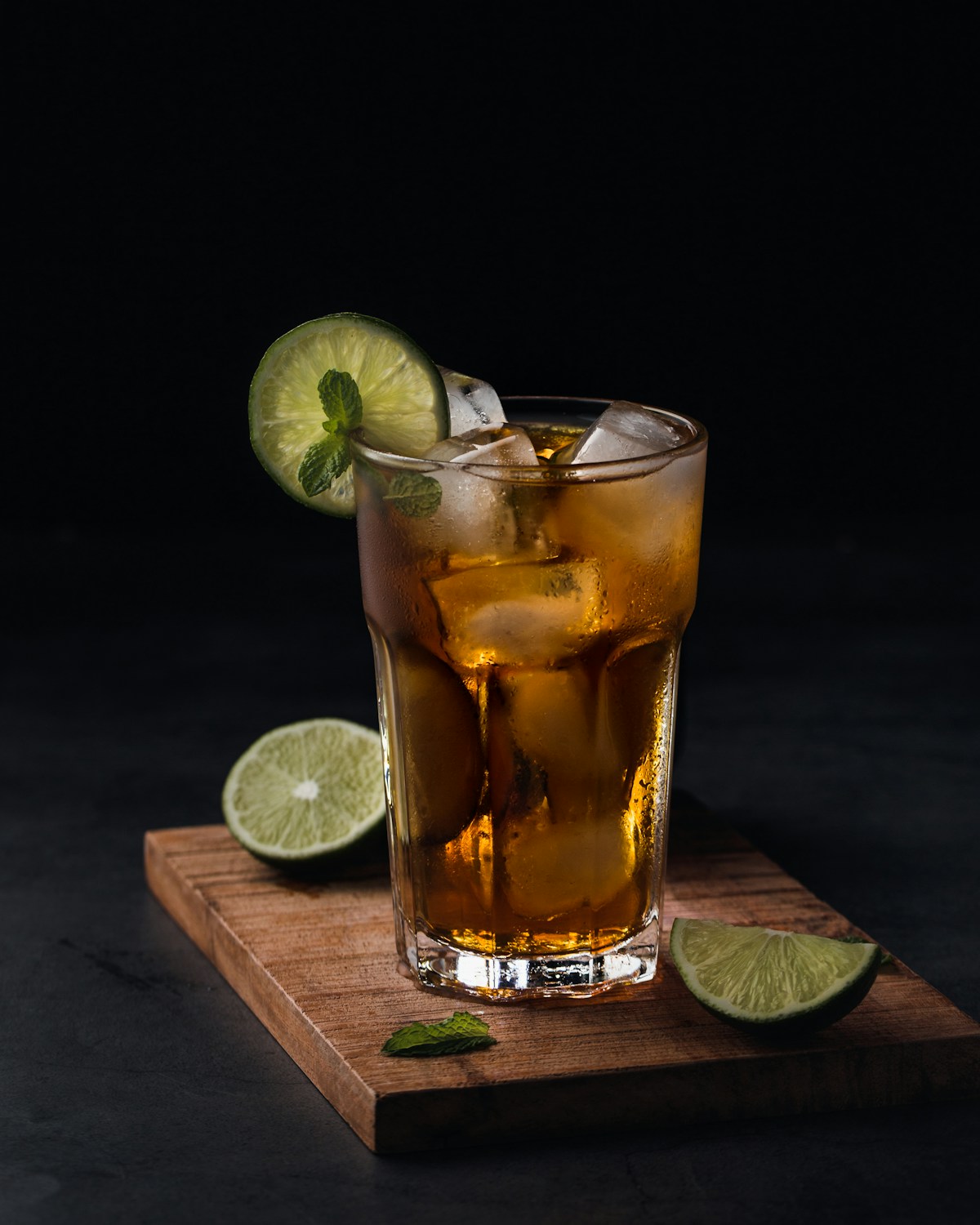
Bubble tea – the supposedly new trendy drink – is currently impossible to avoid, not just in Mannheim but right across Baden-Württemberg. Yet it's been around for quite some time, having already had its moment of fame in Germany around 2010.
What exactly is it? What is bubble tea made from and where does it come from? Are there any myths surrounding this drink? Why is it trending again, and where can you try it?
In this article, we'll answer all of these questions and even share an easy basic recipe with you, which of course works just as well beyond the city on the Rhine with its roughly 310,000 residents!
What is bubble tea?
Originally, this tea-based drink comes from Taiwan. It's classically made from fruit syrup, chewy cooked tapioca balls, freshly brewed green or black tea, and milk.
Bubble tea can be served cold or hot, and the variations are endless. There are countless different versions of bubble tea out there.
Incidentally, it's not the sweet little pearls that give bubble tea its name. These days, bubble tea shops can even be found in small towns and villages. Often decked out in bright, eye-catching colours, everyone can find one of these shops nearby, such as Wind Tea Mannheim on the Rhine. The tea was originally shaken together with ice cubes and milk, and the name bubble tea refers to the air bubbles found in the resulting froth.
Myths and fakes
There's quite a bit of fake news and myths surrounding bubble tea.
The most well-known myth claims that bubble tea was invented by accident when a tea shop owner dropped a tap into his tea – causing the tapioca pearls to rise to the surface. This is, of course, not true, but it's a nice story nonetheless.
The myth that bubble tea contains fish or frog eggs is also, of course, untrue. We'll explain further down what the pearls are actually made of – and whether they're vegan.
Particularly in Germany, the claim that consuming the drink is dangerous has persisted for years, with it being described as toxic, unhealthy or carcinogenic, and claims that its sale isn't even permitted in Germany. This was triggered in 2012 by a study from RWTH Aachen University, which claimed that carcinogenic toxins had been found in tapioca pearls. The shock among bubble tea fans ran so deep that almost all bubble tea shops had to close within a year.
Test results from the Chemical and Veterinary Investigation Office in Karlsruhe showed no hazardous substances in numerous samples. Based on these test results, it turned out that the Aachen paper wasn't actually a proper study at all, yet it was published anyway, and the press ran with headlines like ‘Chemists find traces of poison in bubble tea’. Today, incidentally, the Aachen paper can no longer be found anywhere.
Study or no study, bubble tea can still be labelled unhealthy. Parents should be cautious about giving children a taste for bubble tea, as it contains so much sugar. Depending on the recipe, bubble tea can contain up to 180 grams of sugar per litre. Combined with fatty milk, sweet syrup and starchy pearls, bubble tea is a genuine calorie bomb that can easily rival cola.
The topping – bubble tea in Mannheim
Usually, the balls in bubble tea are tapioca pearls. These colourful, soft pearls taste fruity and are at least the size of peas, often even bigger. The starch tapioca is extracted from the cassava plant, which actually originates from Brazil.
Boba pearls or popping bobas are also very popular. They're used in bubble tea in the same way and are similarly popular to tapioca pearls.
The third alternative, which you can choose at many bubble tea spots such as Fat man's tea, is jellies. These jellies, soaked in fruit syrup, are often cut into uniform cubes and have a gummy or jelly-like consistency. The jelly is made from carrageenan, which is extracted from red algae. Carrageenan can be eaten without any concerns.
The three types described above are usually transparent and only take on their colour during further processing. Tapioka pearls, for example, are classically boiled in maple syrup until it thickens and caramelises – this is how the pearls get their dark colour.
They can also be dyed in bright colours such as green, orange or red through slightly modified preparation steps. To achieve fruity flavours, for instance, the preferred flavourings are added to the pearls during cooking.
Tapioca pearls in particular should be soaked in fruit syrup for at least 30 minutes before eating. This gives the tapioca pearls enough time to absorb all the flavours, intensifying the taste.
The pearls are then stored in airtight containers until they're used.
Vegan – or not?
The question of whether bubble tea is vegan concerns many people, as there doesn't seem to be a straightforward answer.
The answer simply lies in the milk – if cow's milk is used, the bubble tea is of course not vegan. Oat or almond milk, on the other hand, makes your bubble tea vegan with no fuss at all.
Untreated tapioca pearls are vegan, but it depends on the dyes used. For example, the red dye carmine (E120) is not vegan. So if you're ever unsure, just ask at the bubble tea shop of your choice.
Our secret recipe for bubble tea
Making chilled bubble tea isn't rocket science. Our recipe is quick to put together, all you need is: – 125 ml water for the tea (black or green tea)
250 ml milk or a milk alternative
100 ml cold water
25 g bubble tea pearls, available at good Asian supermarkets
a few ice cubes
sweetener to taste, such as syrup, honey or maple syrup
Here's how to make this trendy drink yourself: First, brew a very strong tea using 125 ml of water.
To do this, simply let the tea steep for a few minutes longer than usual. Then let the tea cool down or place it straight in the fridge. Thoroughly mix the cooled tea with ice cubes, milk and water – for the desired bubble effect, shake the mixture if possible. In the final step, add the finished pearls. Optionally, you can sweeten the drink further with a sweetener.
You can also make the pearls yourself from tapioca flour and flavour them with fruit syrup or fresh fruit as you like. You can also buy bubble tea pearl powder in various flavours to use in your preparation.
Trends from Asia in Mannheim
Around 2010, bubble tea was already THE trendy drink of the moment, though this popularity faded quickly.
Today the hype is back, but why is that?
The answer is simple: social media platforms like TikTok and Instagram, as well as the huge influence of Korean culture (anime and K-pop), are fuelling the bubble tea hype. Bubble tea is currently very popular in America and Australia too.
Conclusion on bubble tea in Mannheim
Even if bubble tea might not be everyone's cup of tea, everyone knows a shop nearby. There's no getting around them. Perhaps you've never tried this trendy drink in Baden-Württemberg before, and our article has brought it to your attention.
Miriam Brandt
Miriam hat Medizinjournalismus studiert und übersetzt komplizierte Fachthemen in verständliche Sprache. Sie recherchiert zu Praxen, Kliniken und Therapieangeboten und legt großen Wert darauf, Fakten von Marketingversprechen zu trennen. Privat läuft sie Halbmarathon.