Marburg
Historic City Tours in Marburg: Following the Electors

Marburg, the picturesque university town on the Lahn, is far more than an idyllic place with half-timbered houses and winding alleyways. It is a history book made of stone – every street, every gate and every monument tells of the splendour of past centuries. Anyone who visits the town can sense the spirit of the electors and landgraves who shaped Marburg.
Historic city tours in Marburg are an invitation to immerse yourself in the past. Here you encounter medieval rulers, clergy, scholars and courageous women who wrote history. Whether on foot, by carriage or as a themed tour: Marburg's old town is an open-air museum that invites you to explore.
If you would like an overview beforehand, the best sights in Marburg list the most important stops – many of them are also on the programme of the historic tours.
Marburg – A Brief Look at Its History
Marburg's origins go back to the 12th century. At that time, the settlement around the Lahn grew into an important centre of trade and power. The town experienced its heyday especially under the rule of the Landgraves of Hesse.
In the 13th century, Landgrave Ludwig IV had the imposing Landgrafenschloss built – enthroned high above the town and still one of its landmarks today. At the same time, Marburg developed into a religious centre: Elisabeth of Thuringia, the canonised landgravine, shaped the townscape and social life with her charity and with the construction of the Elisabethkirche.
In the 16th century, Landgrave Philip the Magnanimous made the town the intellectual centre of the Reformation and founded the Philipps-Universität in 1527, the oldest Protestant university in the world.
Every era left its traces, and it is precisely these traces that make an historic city tour in Marburg so fascinating.
The Electors' Route – A Journey Through Time, Power and History
Anyone who walks "in the footsteps of the electors" embarks on a voyage of discovery through Marburg's history of power. From medieval residences and sacred buildings to the places of political decisions: this tour shows how the Hessian heritage took shape.
1. The Landgrafenschloss – Symbol of Power
The first stop of every historic tour is the Landgrafenschloss Marburg. Situated high above the town, it not only offers a wide view over the old town but also tells of the origins of the principality of Hesse.
Inside there are richly decorated halls, historic furniture and artistic frescoes. The Fürstensaal is particularly impressive – this is where political alliances were forged, celebrations held and decisions made that shaped the history of Hesse.
A tour of the castle exhibition vividly conveys the life of the landgraves and electors – from their claims to power to their influence on culture and science.
2. The Elisabethkirche – Faith and the Electors
The Gothic Elisabethkirche is one of the most important buildings in Germany and one of the first purely Gothic churches north of the Alps. It was built between 1235 and 1283 and honours Elisabeth of Thuringia, the canonised landgravine.
The electors of Hesse played a decisive role in her veneration and in the development of the pilgrimage tradition in Marburg. The magnificent stained-glass windows and artistic tombs reflect both the faith and the power of the nobility.
A guided tour of the church reveals not only religious history but also political symbolism: the building served as a sign of Hessian independence and as a place of pilgrimage for the faithful from all over Europe.
3. The Old University and the Colloquy of Marburg
The Philipps-Universität Marburg was founded in 1527 by Landgrave Philip the Magnanimous – a milestone for the Reformation. Important theological debates took place in the historic university buildings, including the famous Marburg Colloquy between Martin Luther and Ulrich Zwingli in 1529.
This meeting of the reformers is considered a turning point in the history of religion and made Marburg a centre of Protestant thought.
The Alte Aula and the cloister are now part of many city tours – standing here, you can sense the spirit of reform and the courage to change that the electors embodied in their time.
4. The Town Hall and Market Square – Politics and People
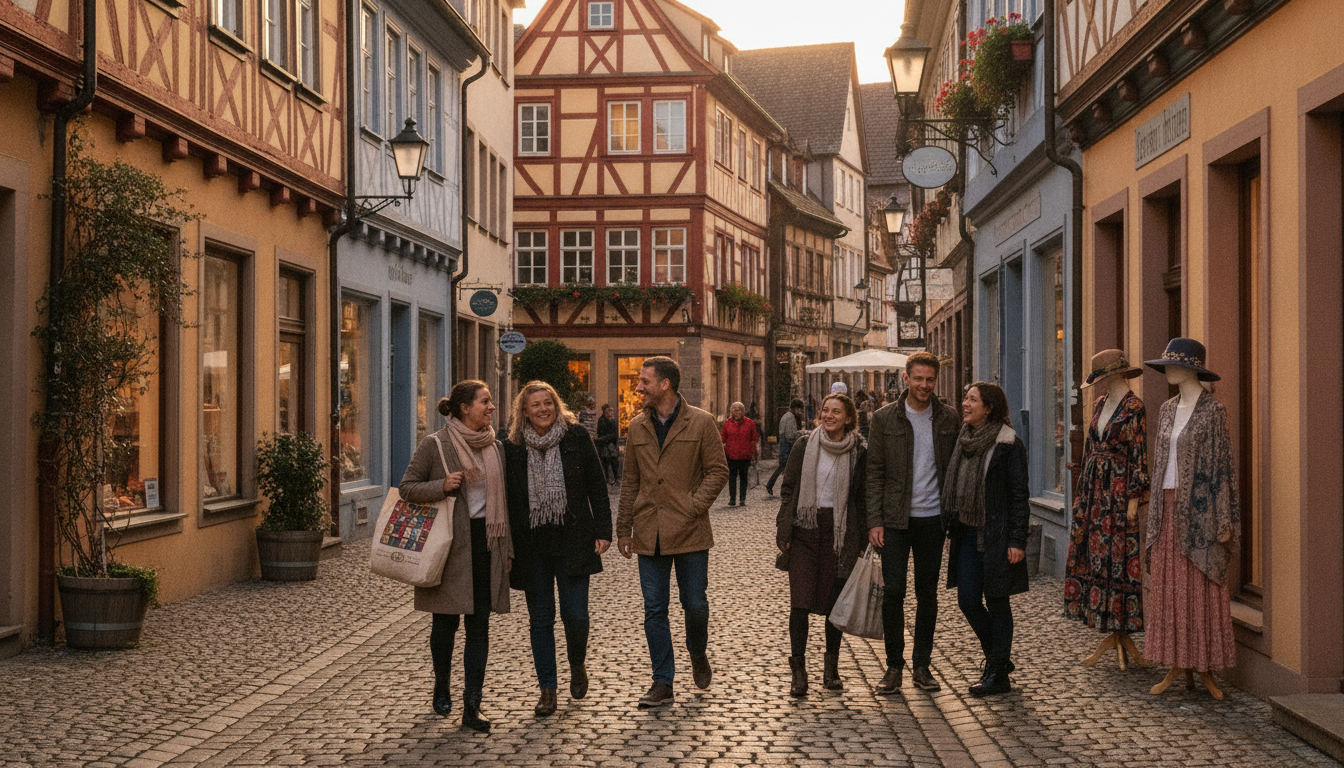
In the heart of the old town lies the market square, surrounded by half-timbered houses, cafés and historic alleyways. The town hall with its striking tower dates from the 16th century and symbolises the transition from princely to civic power.
Here town councils met, electors proclaimed their edicts and citizens celebrated their festivals. The square was a political centre and a marketplace at the same time – a place where power and everyday life met.
A tour of this area tells of political intrigue, courtly splendour and the everyday life of the citizens who lived under the rule of the electors.
5. Lower Town & Upper Town – From the Middle Ages to the Modern Age
Marburg's urban structure is unique: the Oberstadt with its steep alleyways, steps and gates was once the seat of the nobles and clergy, while the craftsmen and traders settled in the Unterstadt.
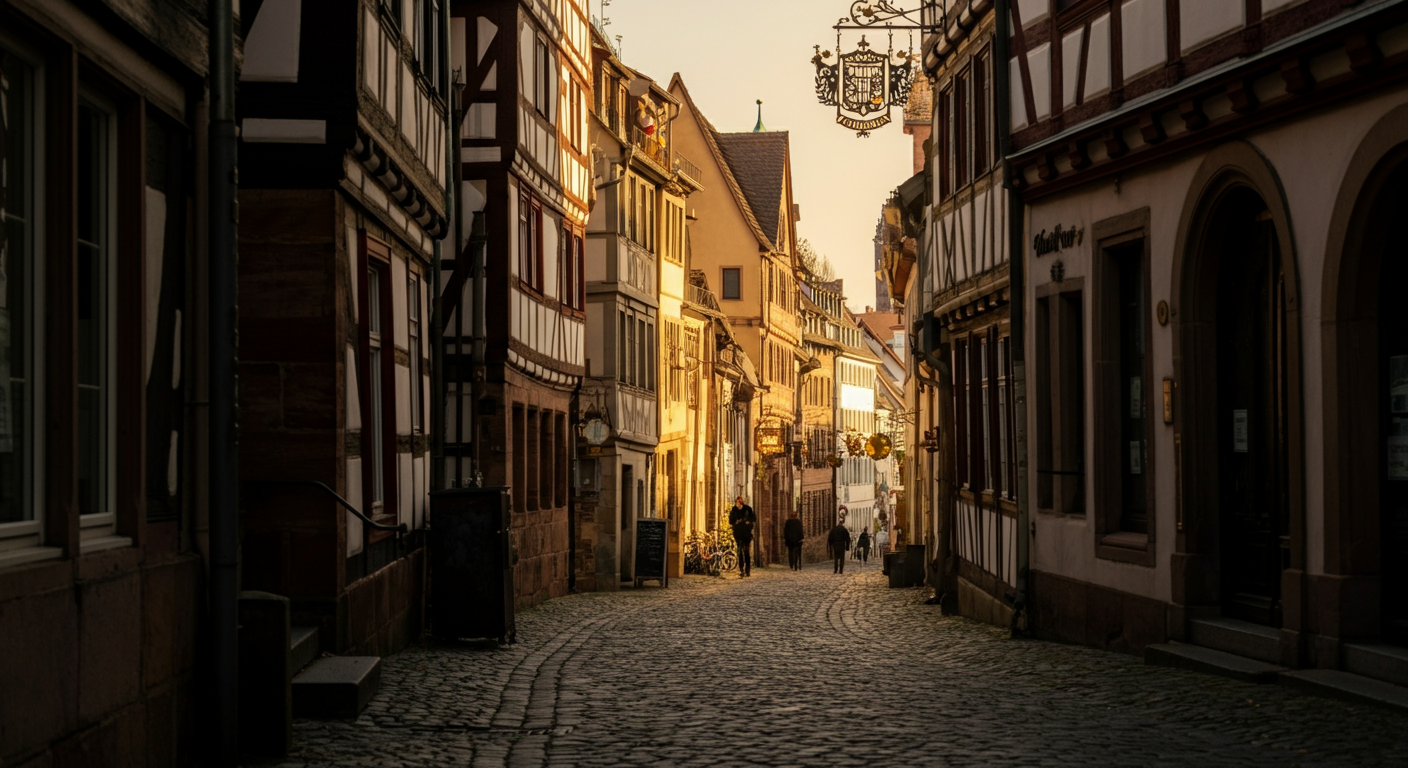
A walk through these districts reveals how town life developed over the centuries. Half-timbered houses from the 15th century, old fountains, restored guild signs – they tell of prosperity, trade and social change.
Themed Tours – Experiencing History Up Close
Marburg offers numerous themed tours that bring history to life and put visitors right in the middle of events.
1. The Electors Tour
This tour is devoted specifically to the landgraves and electors who shaped the town. It sheds light on their political significance, their family history and their influence on art, architecture and education.
2. Night Watchman Tour
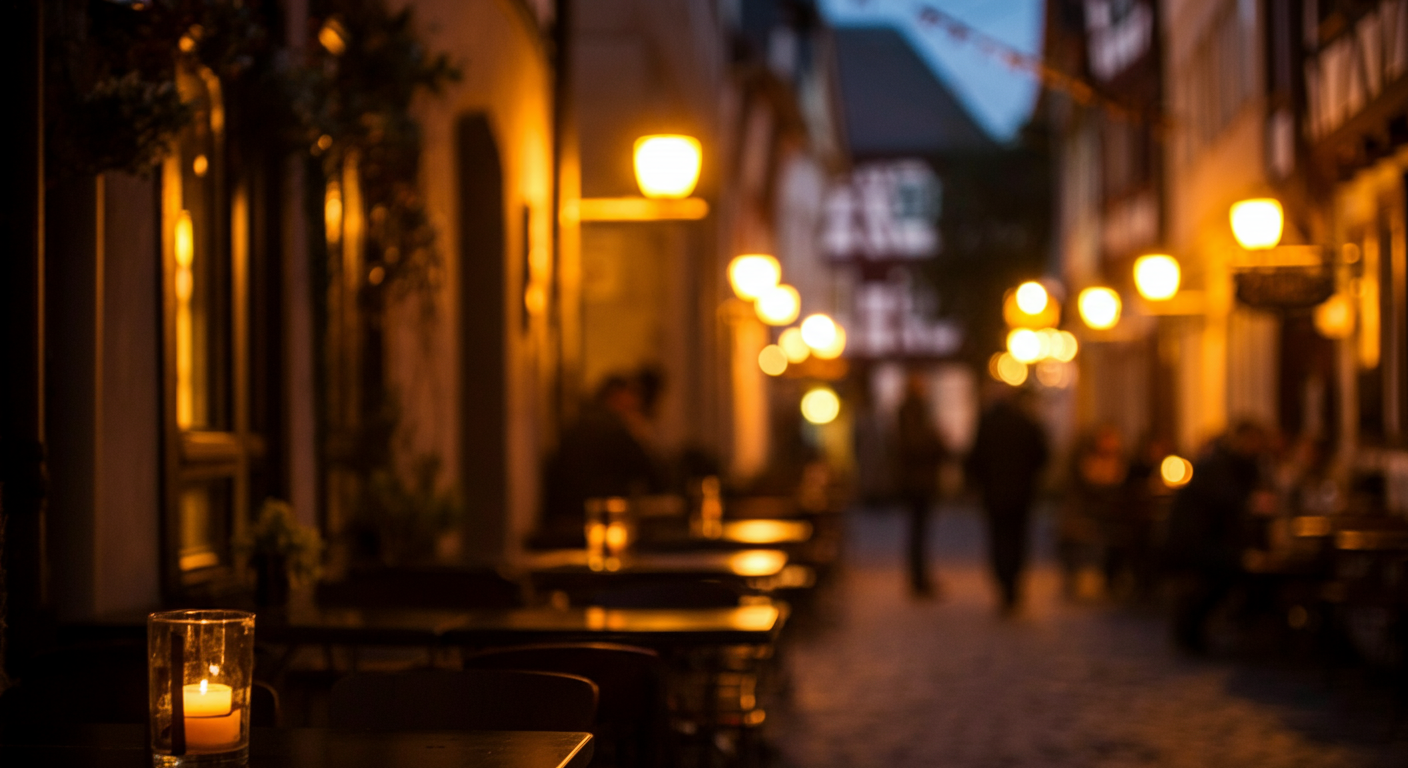
When the sun goes down, medieval Marburg comes back to life. The night watchman leads visitors through dark alleyways with a lantern and halberd and tells stories of betrayal, power and superstition.
This tour offers not only suspense but also a feeling for life in the Middle Ages – a time when the electors decided over weal and woe.
3. In the Footsteps of Elisabeth of Thuringia
This tour combines history, religion and myth. It tells of Elisabeth's life, her social commitment and her connection to the landgraves. The walk leads through the Elisabethkirche, the former hospital and places that reflect her work.
4. Historic Costume Tours
If you want not just to hear history but to experience it, you should book a costume tour. Actors in historic costume portray figures such as Landgrave Philip or Elisabeth of Thuringia. Humorous and informative at the same time, history becomes a play – right in the alleyways of the old town.
Marburg's Architecture as a Mirror of History
The town of Marburg is an architectural mosaic of Romanesque, Gothic, Renaissance and Baroque. These styles blend harmoniously and show how political and cultural eras overlap.
- Gothic: The Elisabethkirche as a prime example, with filigree arches and tall windows.
- Renaissance: The town hall and several burghers' houses with elaborately carved façades.
- Baroque: Elegant interiors in the Landgrafenschloss and the gardens of the residence.
Every era stands for a phase in the history of the electors – from the Middle Ages to the Enlightenment.
Atmosphere & Experience
Marburg is not only a destination for history buffs but a place to experience with all the senses. Strolling through the old town, you hear the cobblestones underfoot, smell fresh coffee from small cafés and see the sunlight glitter on old sandstone walls.
It is precisely this interplay of history and present that creates the appeal: after the tour, a break in one of the cafés in Marburg invites you to let what you have seen sink in – often just a few steps from the stops on the tour.
In the historic alleyways, past and present seem to merge. Artists, students and travellers give the town a youthful spirit – without displacing its traditions.
Anyone taking an historic city tour experiences this mix first-hand: history becomes tangible, palpable and emotional.
Practical Tips for Visitors
- Best time to visit: Spring to autumn, when the weather is mild and city tours take place daily.
- Length of tours: Between 1 and 2 hours, depending on the theme and route.
- Meeting points: Mostly at the market square or the tourist information office in the old town.
- Languages: Tours are available in German, English and sometimes French.
- What to bring: Comfortable shoes, a camera and curiosity – you don't need anything more.
- Terrain: The Oberstadt is characterised by steps and steep alleyways – if you have difficulty walking, it is best to ask in advance about an adapted route.
Why Historic City Tours in Marburg Are So Special
Marburg differs from many other German towns: it is smaller, more authentic and more steeped in history all at once. While other towns stage their history like a museum, here it lives on in everyday life.
The combination of university, medieval architecture and noble history makes Marburg a unique destination for cultural travellers. Every tour is a window into the past – and at the same time an invitation to sharpen your view of the present.
The electors, landgraves and reformers shaped Marburg, but the town has managed to forge a modern identity from this heritage. If you would like to dive deeper, you will find further recommendations about the town on our Marburg overview page.
Conclusion
Anyone visiting Marburg should not miss a historic city tour. In the footsteps of the electors, you embark on a journey through time through power, religion and science – set in a town that preserves the spirit of past centuries like hardly any other.
From the majestic castle to the cobbled alleyways of the old town, from the Gothic arches of the Elisabethkirche to the traces of the reformers at the university – Marburg tells history with every stone.
A tour like this is not only a journey into the past but also a tribute to the people who shaped it. Here history comes alive – in the very heart of Hesse.
Frequently Asked Questions About Historic City Tours in Marburg
How long does an historic city tour in Marburg take?
Most tours last between one and two hours, depending on the theme and route. If you want to combine the Landgrafenschloss, Elisabethkirche and old town at a leisurely pace, you should allow more like half a day, as there are quite a few metres of elevation between the Oberstadt and Unterstadt.
Where do the tours usually start?
The meeting point is mostly the market square in the heart of the old town or the tourist information office. From there, the central stops on the Electors' Route are easy to reach on foot.
Which stops are part of the Electors' Route?
The classic route links the Landgrafenschloss as a symbol of princely power, the Gothic Elisabethkirche, the Old University with the Marburg Colloquy, and the town hall and market square. It often ends with a walk through the Oberstadt and Unterstadt.
Are there tours in other languages?
Yes. City tours are offered in German and English, sometimes also in French. It is worth asking about foreign-language dates in good time, as they take place less often than the German-language tours.
Which tour is suitable for families or for the evening?
For the evening, the night watchman tour is the first choice: with a lantern and halberd, you make your way through the dark alleyways, accompanied by stories of betrayal, power and superstition. Families will also enjoy the historic costume tours, in which actors portray figures such as Landgrave Philip or Elisabeth of Thuringia.

Redaktion
Das Redaktionsteam von dieBestenderStadt