Neuss
Gastro Trends in Neuss: What's Hot in 2026

Neuss, the history-steeped Roman city on the Rhine, has been undergoing a remarkable culinary transformation for some years now. While traditional brewhouse culture still holds its firm place, innovative concepts are pushing their way into the scene. What's trending in Neuss in 2026? We took a look around.
Perhaps the most defining trend of 2026 is a return to regional supply chains – but with a modern interpretation. Restaurants such as ‘RheinKorn’ am Markt are focusing on a radically local cuisine: the bread comes from an organic bakery in Kaarst, the meat from a farmer in the Vorgebirge region, and the vegetables from a permaculture farm in Glehn. The concept is called ‘50-kilometre cuisine’, and the weekly changing menu documents the origin of every single product. No avocado toast, no chard from Peru – instead, turnip greens with poached egg and home-cured bacon.
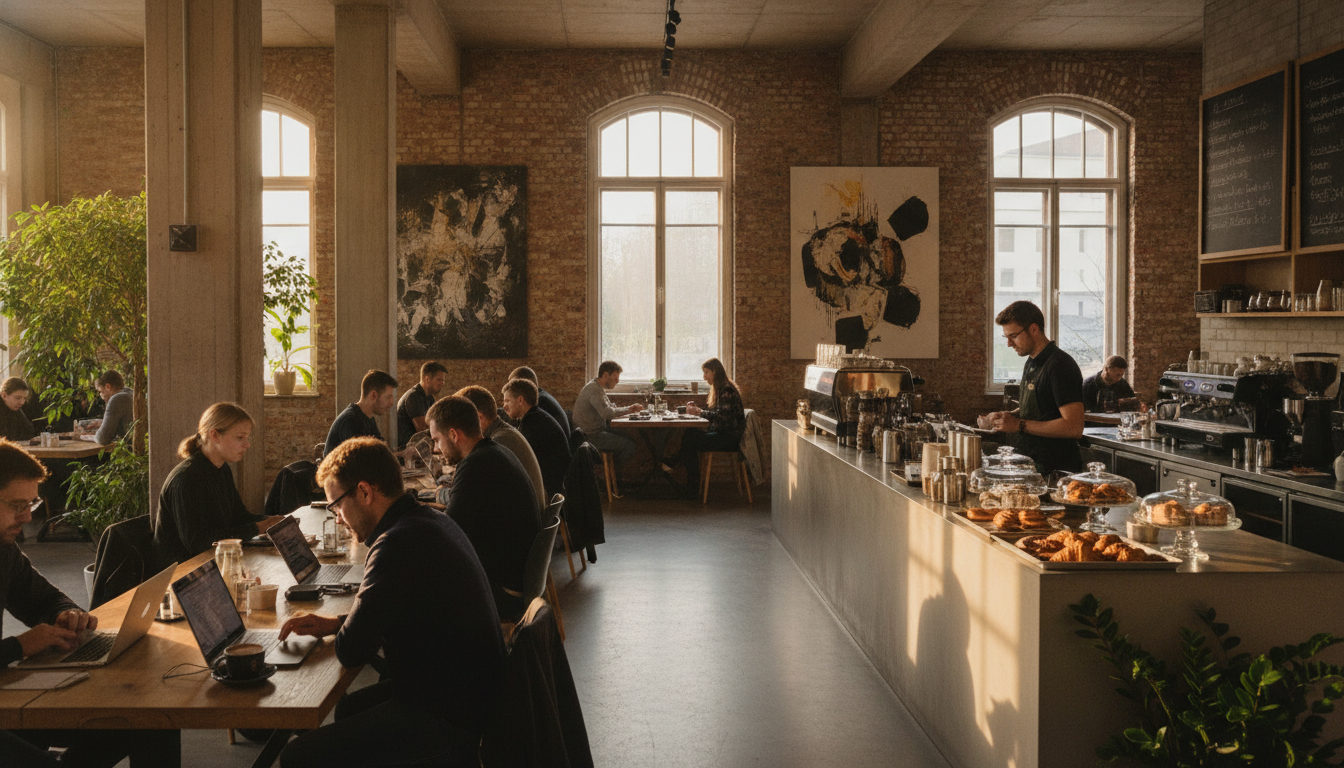
At the same time, a second trend is taking over the city: hybrid gastro concepts. ‘Brot & Spiele’ on Erftstraße is a bakery by day, with espresso-machine coffee and a sourdough bread manufactory, and turns into a wine bar with small, refined dishes in the evening. Between the wooden shelves of artisan breads stand little tables, the lighting is warm, and the playlist is hand-picked – a third place somewhere between café, restaurant and living room.
Street food culture has found a permanent home in Neuss with the new ‘Neusser Naschmarkt’. Every Thursday from 4pm to 9pm, around 15 food trucks and stalls serving international and local cuisine gather on Freithof-Platz. Korean tacos, Nepalese momos, Spanish churros or Rhenish sauerbraten in a bao bun – the Naschmarkt is a culinary melting pot and social meeting point in one.
The rise of the alcohol-free bar culture is also striking. ‘Nüchtern’, which opened on Krefelder Straße in spring 2026, serves exclusively alcohol-free cocktails – but with a sophistication that wins over even committed wine and beer lovers. Fermented syrups, home-made herbal distillates and rare teas form the basis for drinks such as ‘Smoky Rhubarb’ or ‘Lavender Thyme Spritz’. On Fridays, small-group tastings are held.
A third trend: pop-up dining as an experience format. The collective ‘Tisch der Elemente’ organises dinners twice a month at changing, unusual locations – sometimes in the old abattoir, sometimes in a greenhouse, sometimes on a decommissioned cargo ship in the harbour. The menus follow a theme, and guest numbers are limited to 24. Booking is via the website, and tickets sell out within minutes.
Neuss in 2026 shows that the city doesn't just eat traditionally, but with a spirit of experimentation and cosmopolitan flair. It's a good time to rediscover the Neuss dining scene.
It's also striking how strongly Neuss's gastronomy emphasises its roots: Rhenish classics – from sauerbraten to Himmel un Ääd – are back on the menus, though often reinterpreted, lighter, and made with ingredients from producers in the surrounding area. The proximity to the fields of the Rhein-Kreis Neuss district makes itself felt: asparagus in spring, pumpkin in autumn and cabbage in winter shape the seasonal menus, and if you look closely, you'll spot more and more dishes featuring produce from the weekly market at the Münster.
The coffee scene is following suit too: small cafés with their own roasts or beans from regional roasteries have established themselves in the city centre, serving a proper breakfast alongside espresso and filter coffee – from French toast to hearty bowls. At weekends, queues form outside the most popular addresses – a sight that would have been unthinkable just a few years ago.
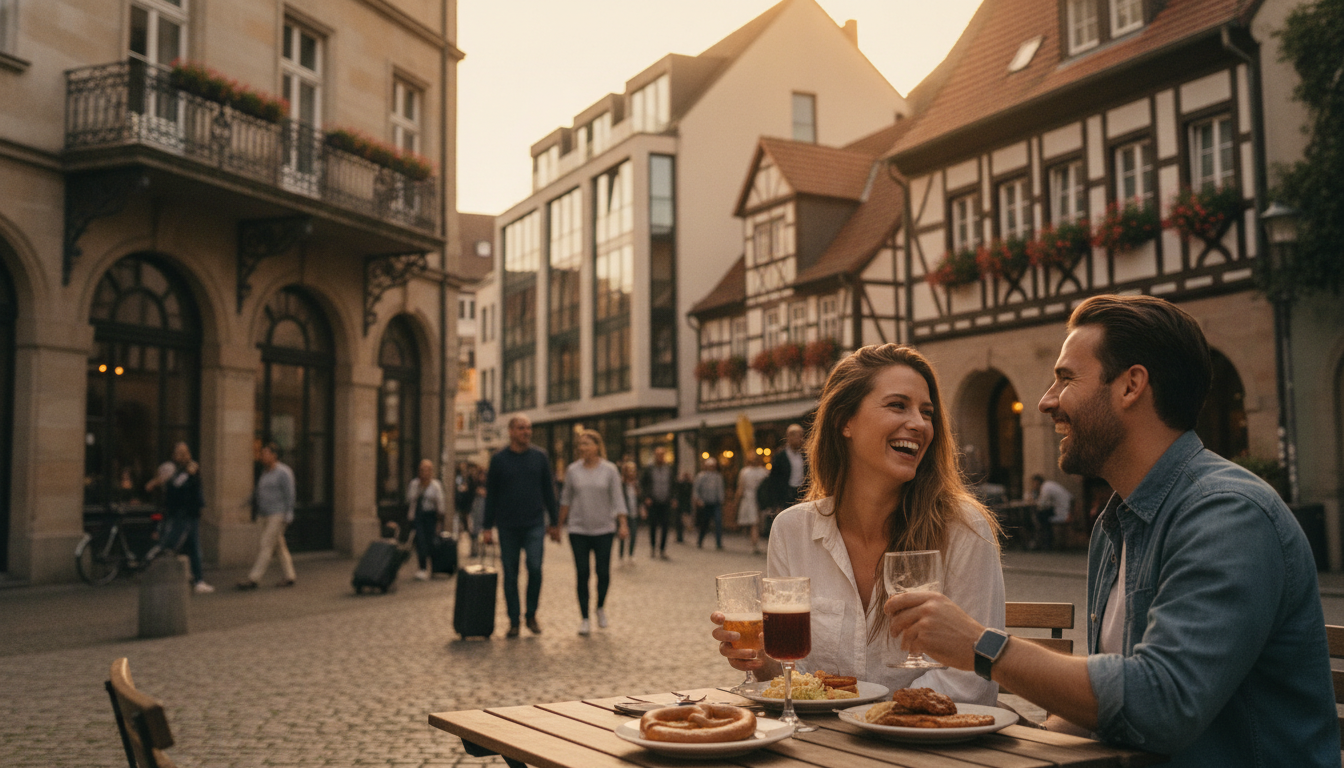
Things are also moving on the nightlife front: in the evenings, outdoor seating around Markt and Büchel fills up, wine bars complement the traditional brewhouses, and pop-up formats test new concepts before settling in permanently. Meanwhile, the harbour district is developing into a meeting point for those wanting to combine an industrial backdrop with street food and events – a particularly rewarding destination in summer.
Notable is the trend towards flexibility: many businesses combine several functions under one roof – a café by day, a bar by night, with a lunch offering in between for the city centre's workforce. These hybrid concepts help counter rising rents and staff shortages, and, as a side effect, keep the city centre lively beyond closing time.
Anyone wanting to explore the Neuss dining scene is best starting with a stroll from the Münster across the Markt towards the Rhine riverside and simply letting themselves drift: the distances are short, the density of venues is high, and often just a few metres separate a traditional establishment from a newcomer. Reservations are now advisable at weekends – a good sign for a scene that stood in the shadow of neighbouring Düsseldorf for a long time.
The bottom line when looking at 2026: Neuss has found its own culinary identity. Rather than simply copying trends, the city combines Rhenish down-to-earthness with new ideas – and it's precisely this mix that makes eating out here so exciting right now.
Anyone wanting to dig deeper should plan their visit around the year's culinary events: the Schützenfest brings not only tradition but also festival cuisine to the city in late summer, the weekly market showcases the foundation of Neuss cuisine all year round, and during Advent, stalls and stands transform the city centre into one big feasting mile. In between, the quieter months are worth it too, as the kitchen teams have time to experiment – often giving rise to dishes that later become menu classics. In short: anyone who has only visited Neuss for shopping should come back hungry next time.
In the end, it holds true regardless: trends come and go, but good hosts remain. And Neuss currently has a pleasing number of them – reason enough to pay the city a regular culinary visit.
Die Besten der Stadt