Paderborn
Paderborner Pfalz: Discover the Imperial Residence
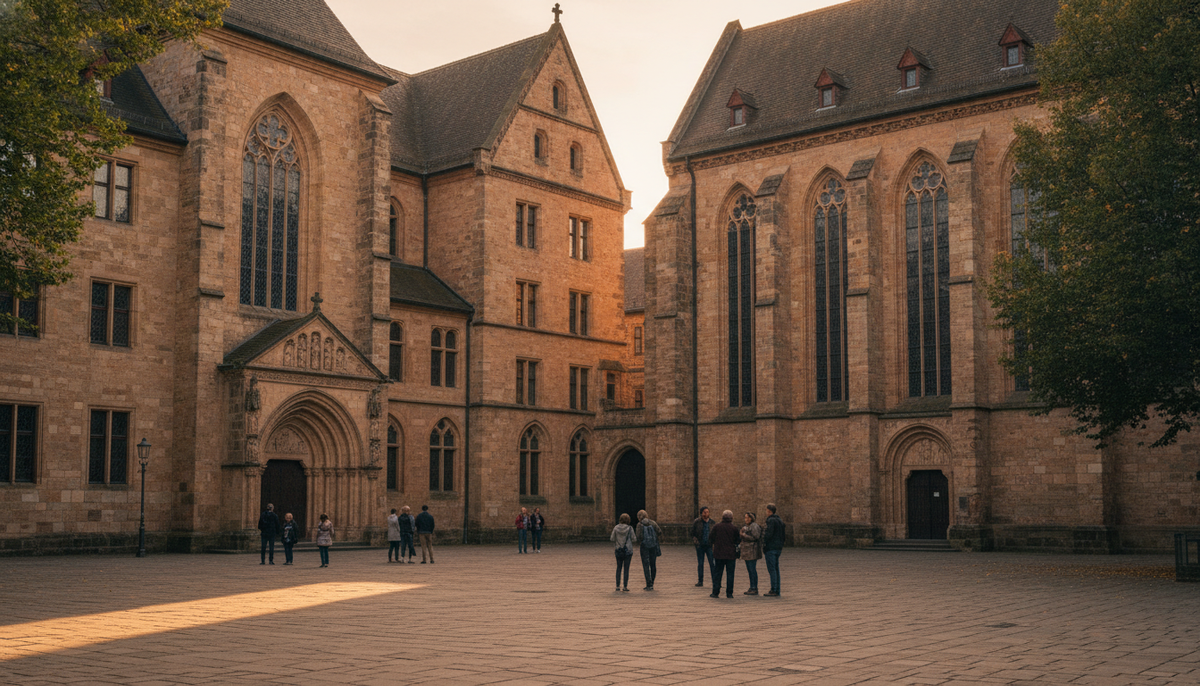
The Paderborn Palace is one of the most important architectural monuments in Westphalia. If you're interested in history and impressive architecture, you'll find a unique testament to Carolingian and Ottonian architecture here. This article shows you everything you need to know about the Paderborn Palace – from its eventful history to practical tips for your visit.
As an imperial residence, the Paderborn Palace played a central role in the Holy Roman Empire for centuries. Emperor Charlemagne even received Pope Leo III here. This historical significance makes the Paderborn Palace a must-visit for anyone interested in history.
Paderborn Palace: Origins and Historical Significance
The Paderborn Palace was built in the 8th century under Charlemagne. It served as an important base for the Christianisation of Saxony. The famous Imperial Diet of 777 took place right here.
Later, Emperor Henry II built a new, larger palace complex. This Ottonian palace reflects the growing power of the German emperors. The Paderborn Palace thus developed into one of the most important seats of power in the Middle Ages.
The Famous Paderborn Imperial Diet of 799
A historical highlight was the meeting between Charlemagne and Pope Leo III in 799. This event significantly strengthened the bond between secular and ecclesiastical power. The Paderborn Palace became known throughout Europe as a result.
- Meeting of two powerful European rulers
- Foundation for Charlemagne's later imperial coronation
- Significant turning point in medieval history
- International attention for Paderborn as a seat of power
💡 Tip: Information boards on site explain the historical events clearly and vividly.
The Architecture of Paderborn Palace in Detail
The architecture of the Paderborn Palace impresses with its clear, functional design. The Carolingian palace chapel in particular displays typical features of early medieval sacred buildings. Thick walls and small windows define its exterior appearance.
The Ottonian palace complex added representative halls to the original building. Here, emperors received important guests and held court assemblies. The Paderborn Palace thus brings together several building phases under one roof.
Building Materials and Construction Techniques
Medieval builders used regional natural stone for the palace complex. This robust construction method accounts for the remarkable longevity of the buildings. Original wall remains can still be viewed today.
- Use of locally sourced limestone
- Stable foundations for centuries of use
- Combination of timber and stone construction
- Preserved foundation walls as archaeological evidence
If you're interested in historical architecture, you'll find fascinating insights into modern interpretations of traditional building styles at the best architects in Paderborn.
Visiting Paderborn Palace: Practical Information
For a successful visit to Paderborn Palace, you should allow enough time. The museum at the Imperial Palace offers numerous exhibits on medieval history. Audio guides make it easier to understand the complex building sequences.
Opening hours vary by season, so it's worth checking online beforehand. Group tours can usually be booked in advance. The Paderborn Palace tends to be busier at weekends.
Tours and Admission Prices
Guided tours offer deeper insights into the history of the residence. Knowledgeable guides explain architectural details and historical context. The investment in a guided tour is definitely worthwhile for interested visitors.
- Book tickets online in advance to avoid waiting times
- Visit with a combined ticket for the cathedral for more history
- Choose a tour in German or English
- Ask about photography permission in advance for keepsake photos
💡 Tip: Visit the Paderborn Palace in the early morning to avoid visitor groups.
Paderborn's Imperial Residence: Power and Prestige
The imperial residence in Paderborn served not only as a dwelling but also as a political centre of power. Princes, bishops and envoys met here for important negotiations. The representative function was reflected in the lavish interior design.
The halls of the palace complex were once splendidly furnished. Wall paintings and precious textiles underlined the emperors' claim to power. Although much of this has now been lost, the former grandeur can still be imagined.
Significance for the Holy Roman Empire
As one of several imperial residences, Paderborn held strategic importance. Its central location allowed control over key trade routes. This sustainably strengthened the city's economic and political position.
- Central location between important imperial territories
- Control over trade and pilgrimage routes
- Symbol of imperial power in Westphalia
- Important venue for political negotiations
Archaeological Excavations Around Paderborn Palace
Extensive archaeological excavations have been carried out since the 20th century. These have unearthed numerous finds that expand our understanding of the Paderborn Palace. Pottery shards, coins and building fragments provide insight into everyday life at court.
Some of the excavation sites have been made accessible to the public. Visitors can view original foundation remains directly on site. This authenticity makes the Paderborn Palace a living historical site.
Important Archaeological Finds
Among the most significant finds are remains of the Carolingian palace chapel. Evidence of the complex's water supply has also been discovered. These discoveries provide valuable insights into medieval infrastructure.
💡 Tip: The adjoining museum displays many original finds in clearly arranged display cases.
Paderborn Palace Compared to Other Imperial Palaces
Germany has several preserved imperial palaces, but the Paderborn Palace occupies a special position. Compared to palaces such as Goslar or Aachen, it shows a unique combination of different building phases. This complexity makes it especially interesting for historians.
While other palaces often represent only one building period, Paderborn allows you to trace several centuries of architectural history. This gives visitors a comprehensive insight into the development of medieval architecture. The Paderborn Palace is therefore considered a particularly instructive example.
Unique Features of the Paderborn Complex
The combination of a Carolingian chapel and an Ottonian great hall is rare nationwide. This architectural diversity sets the Paderborn Palace apart from comparable complexes. Experts particularly value this historical layering.
- Several preserved building phases on one site
- Combination of sacred and secular buildings
- Direct connection to significant emperors
- Excellent state of preservation of the foundation walls
Exploring the Surrounding Area: Attractions Near the Palace
After visiting the Paderborn Palace, it's worth taking a walk through the historic old town. The nearby cathedral impresses with its imposing architecture. The Pader springs area close by is also a lovely place to linger.
For a varied day trip, take a look at the 10 best attractions in Paderborn. You'll find further inspiration for your visit to the city there. The central location of the Paderborn Palace makes it an ideal starting point for exploring.
Dining and Relaxation After Your Visit
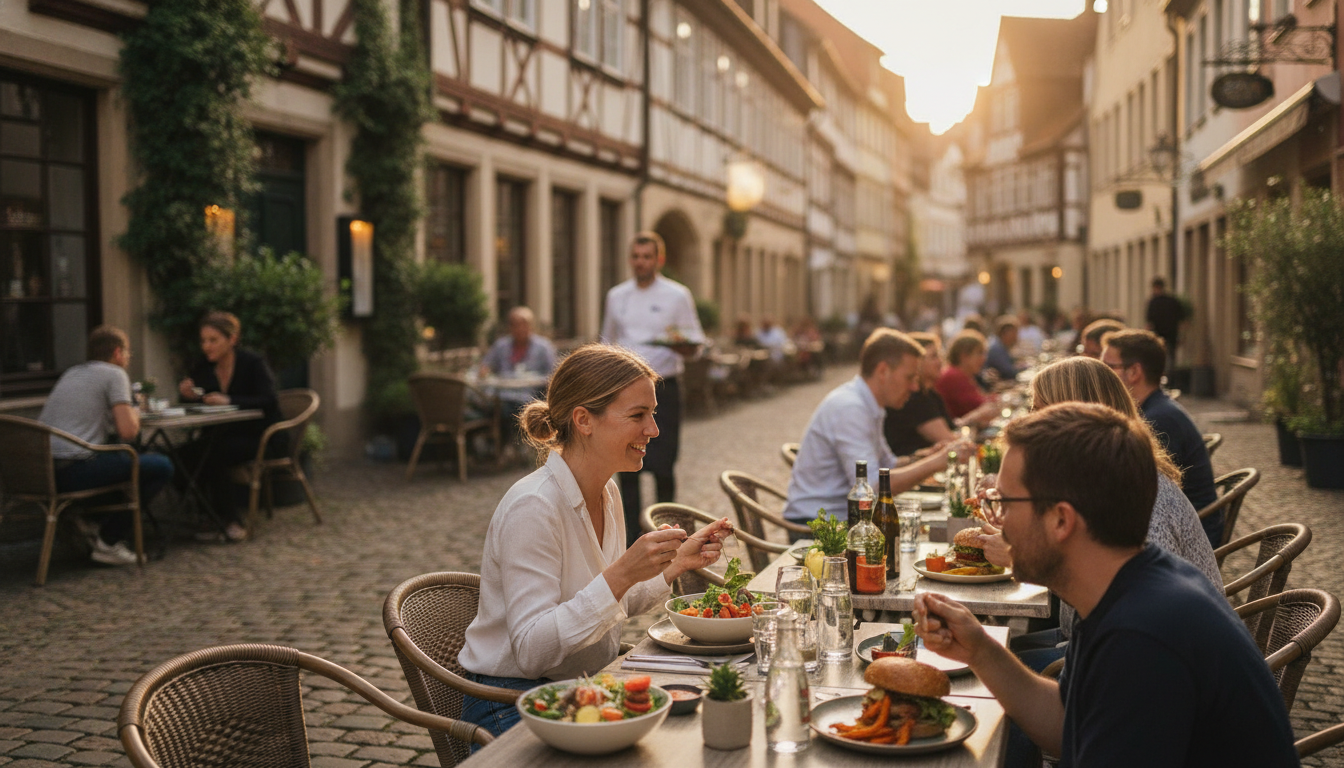
After an extensive tour, many visitors look forward to some refreshment. There are numerous cafés and restaurants near the Paderborn Palace. Some of the best bars in Paderborn are also within walking distance.
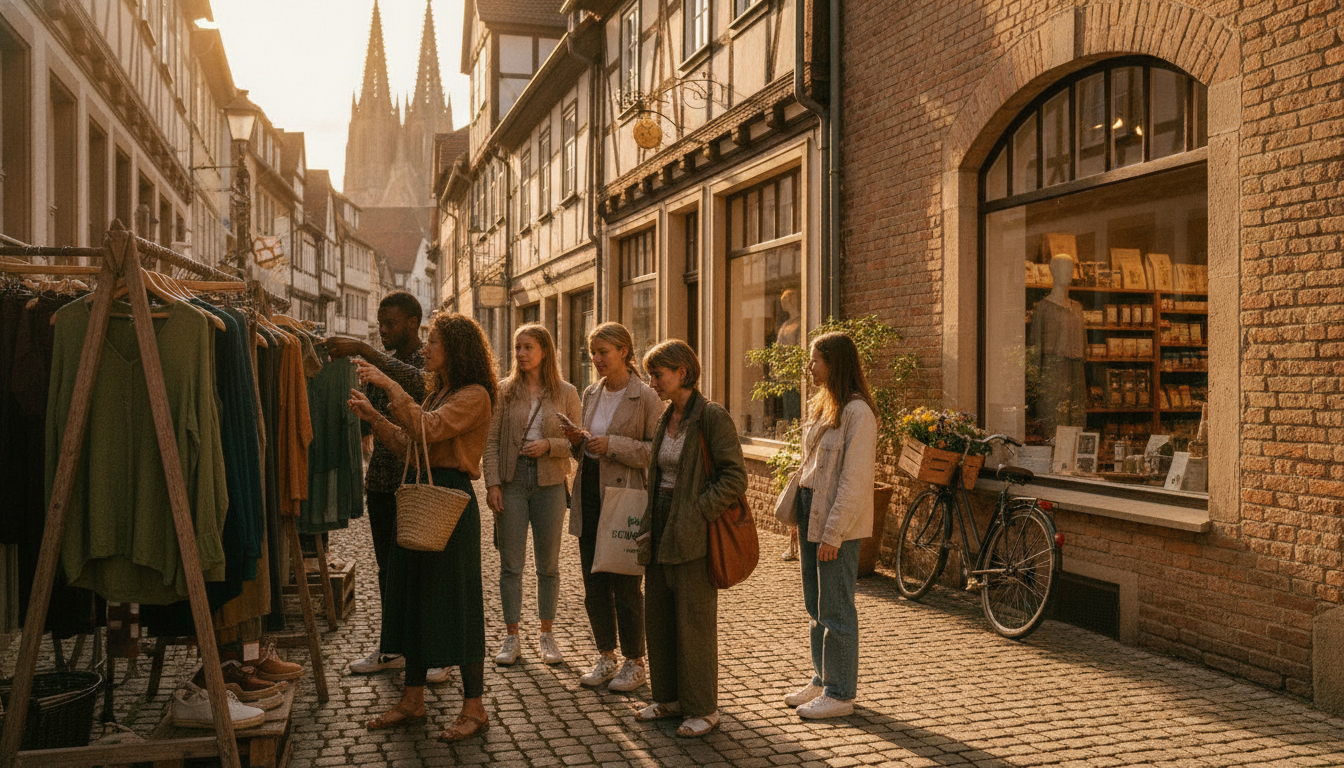
If you'd also like to shop sustainably, you'll find suitable options in the city centre. A look at fair fashion in Paderborn rounds off your city trip perfectly. This way, you can combine culture, enjoyment and conscious consumption in the best possible way.
💡 Tip: After your visit to the palace, allow plenty of time for the old town – it's worth it!
Getting There and Services Around Paderborn Palace
Getting to the Paderborn Palace is straightforward thanks to its central location. From the main railway station, you can reach the area easily on foot or by public transport. Car parks are also available nearby.
If you need health-related support during your visit, take a look at the best pharmacies in Paderborn. You'll find further general information about the city on the Paderborn city page. These resources make planning your visit much easier.
Accessibility and Family-Friendliness
The Paderborn Palace strives to offer accessible entry for all visitor groups. Ramps and level paths make the tour easier, even with a pushchair or wheelchair. Families also appreciate the child-friendly explanations in the museum.
- Accessible entrances at the main entry points
- Family-friendly offers and interactive stations
- Ample seating in the outdoor areas
- Good accessibility by public transport
📍 Discover more:
Conclusion
The Paderborn Palace is an impressive testament to medieval power and architecture. As a former imperial residence, it combines history, architecture and culture in a unique way. A visit is worthwhile both for history enthusiasts and for families.
The key points at a glance:
- The Paderborn Palace was built under Charlemagne in the 8th century
- Several building phases make the complex architecturally unique
- Archaeological finds provide valuable historical insights
- The central location allows for an ideal combination with other attractions
- Accessible offerings make the visit open to everyone
Plan your visit to the Paderborn Palace today and experience medieval history up close. Take the opportunity to discover Paderborn in its full historical diversity!
Frequently Asked Questions
How long does a visit to the Paderborn Palace take? An average visit to the Paderborn Palace takes about 1.5 to 2 hours. With a guided tour or an extensive museum visit, this can extend to up to three hours.
What are the opening hours of the Paderborn Palace? Opening hours vary seasonally and should be checked online in advance. As a rule, the site is open Tuesday to Sunday.
Is a visit to the Paderborn Palace suitable for children? Yes, the Paderborn Palace offers child-friendly activities and interactive stations. Many families enjoy visiting the site together with younger visitors.
How much does admission to Paderborn's imperial residence cost? Admission prices vary depending on age and the chosen ticket. Combined tickets with the cathedral often offer good value for money.
Are there guided tours of the Paderborn Palace? Yes, regular tours in German and, in some cases, English are offered. Booking online in advance is recommended, especially during peak season.
Hannah Meyer