Rüsselsheim
Rüsselsheim in Transition: New Districts and Building Projects 2026

Rüsselsheim stands at a turning point in 2026. The city, shaped for decades by the Opel factory, is rapidly developing into a modern residential and business hub in the Rhein-Main region. Several major projects are transforming the cityscape for good.
The most prominent scheme is the new „Rüsselsheim-Horlache" city quarter. On the former Opel site, more than 1,200 homes, a local shopping centre and a six-hectare city park are being built by 2028. The first construction phases were already occupied in summer 2026, and the quarter shows how urban living can work alongside green spaces and short distances. The mix of subsidised housing, owner-occupied flats and terraced houses is attracting young families as well as commuters heading to Frankfurt.
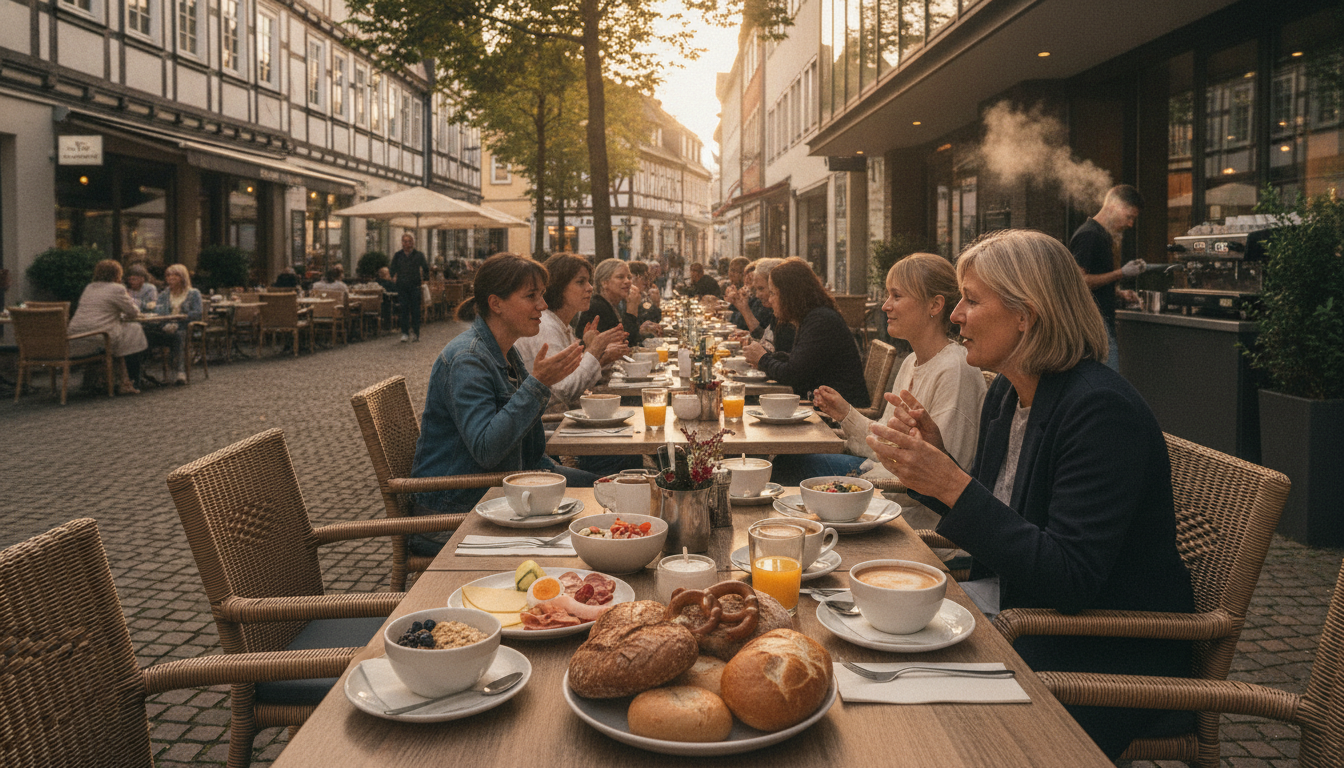
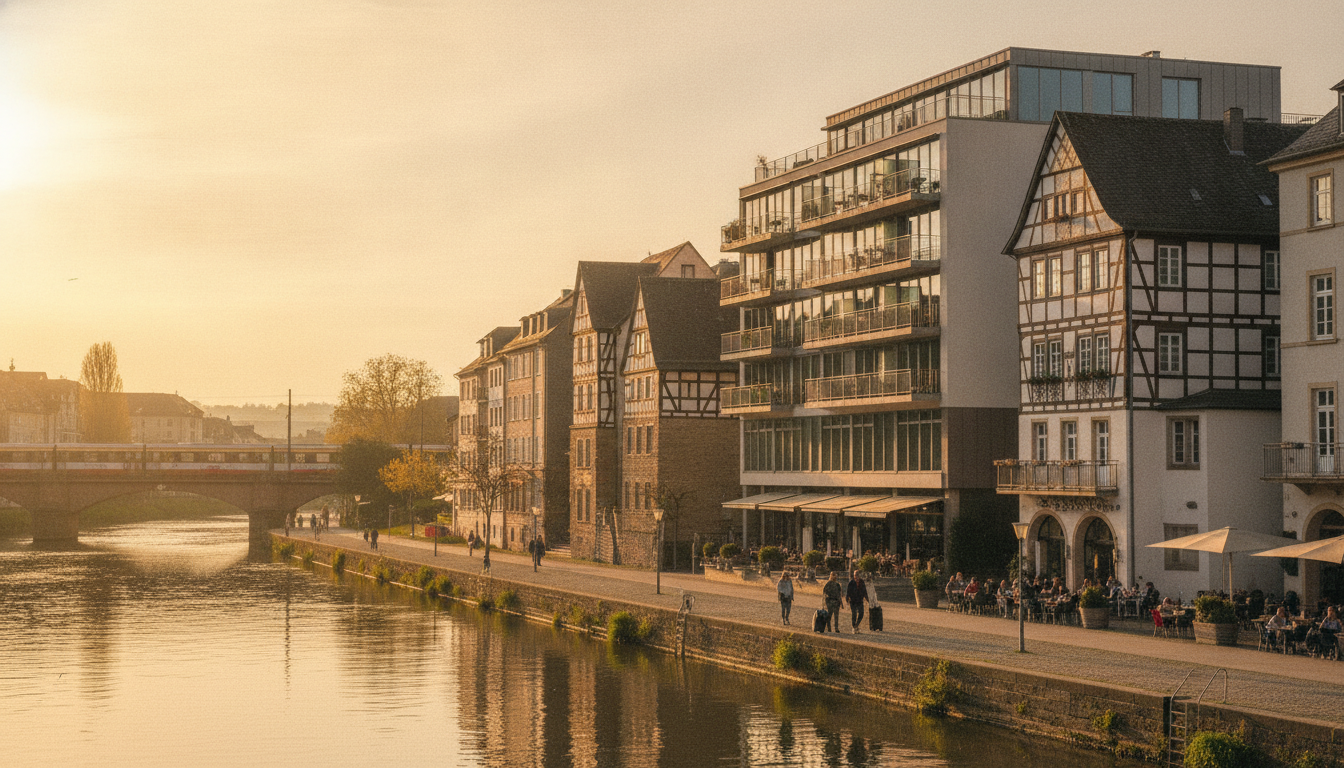
Right on the banks of the Main, the „Mainspitze 2.0" project is taking shape. The old harbour facilities are giving way to a promenade with restaurants and cafés, a small marina and high-quality loft apartments. The first restaurants and cafés opened in spring 2026 and have quickly become popular destinations – the roof terrace at „Port 44" in particular offers a spectacular view over the Main.
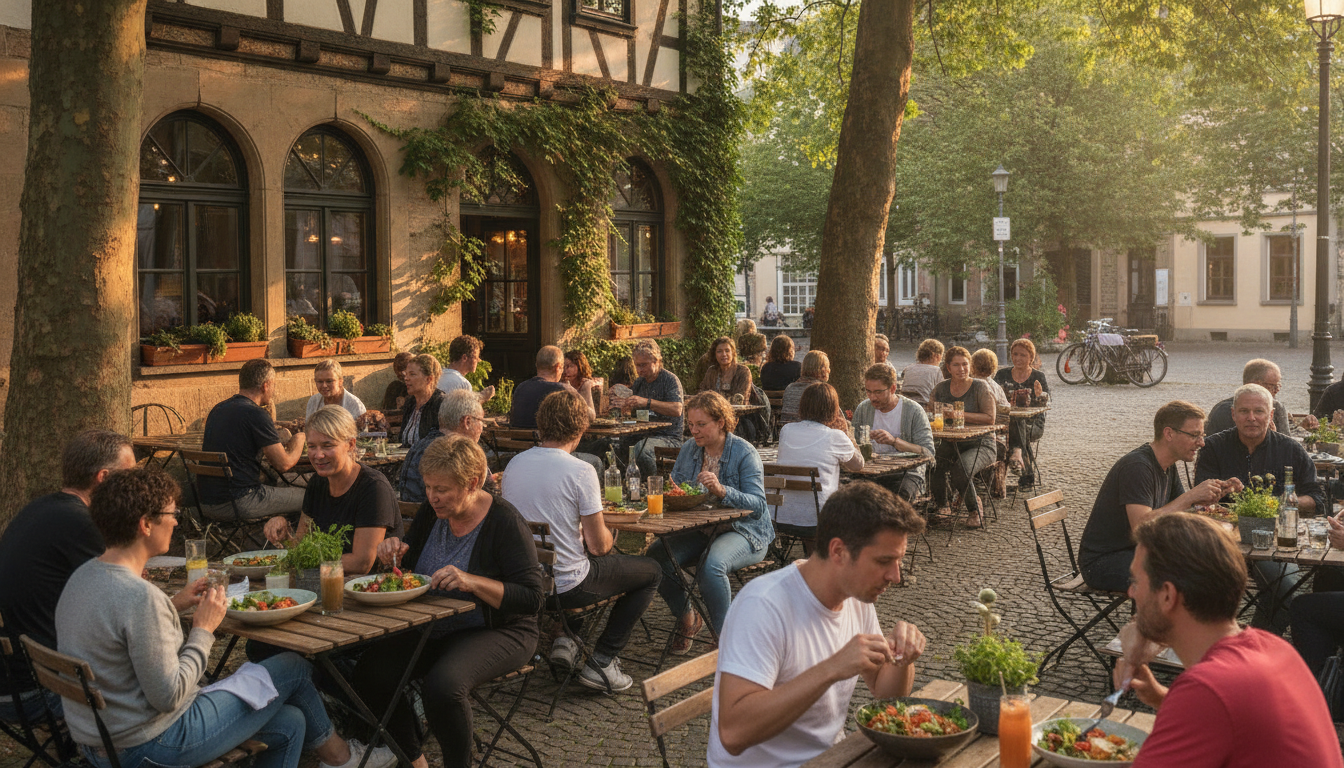
The town centre is benefiting from the „Lebendige Zentren" funding programme. Marktstraße has been made traffic-calmed and upgraded with new trees, seating and water features. A vacant department store is being converted into an education and culture centre with a public library, adult education centre and event spaces.
Rüsselsheim is also setting new economic priorities. The technology park at the motorway junction, opened in 2025, specialises in environmental technology and has already attracted 15 companies. Its proximity to Frankfurt Airport and the A3 motorway makes the location attractive to businesses.
In 2026, Rüsselsheim shows that structural change can succeed – when town planning is bold and residents are involved.
The most visible symbol of change is the factory site itself: where cars alone were built for decades, spaces are now opening up for new uses – from research and logistics to services. The city is closely accompanying this transformation, since the future of hundreds of jobs and entire supplier chains depends on it.
At the same time, the town centre is growing into a new role: around Bahnhofstraße and the market square, Rüsselsheim is investing in quality of stay – wider pavements, greenery, play areas and funding programmes to tackle vacant premises. Restaurants and small shops are expected to return, and the first new openings show that the strategy can pay off.
The banks of the Main are developing into a recreational strip: paths, meadows and event venues along the river are being linked up, and the fortress is being given a stronger role as a historic gem. Anyone walking along the water today experiences a city that is just rediscovering its best side.
When it comes to housing, Rüsselsheim is focusing on variety: new quarters on former commercial and barracks sites combine multi-storey flats, terraced houses and subsidised housing, while existing buildings are being refurbished and the city is being made more compact. Demand from across the Rhein-Main region is high – affordable housing remains the key issue.
Education and science provide fresh momentum: the campus of Hochschule RheinMain brings students and entrepreneurial spirit into the city, and partnerships with businesses create pathways from idea to job. The Opelvillen add to the city’s soft location profile as an art venue.
Mobility is being rethought: better cycling routes, modern stations and links to the S-Bahn and regional rail services make commuting easier, while pedestrians and cyclists are gaining more space within the city. Pilot projects on new forms of mobility fit well with the DNA of this car city in transition.
Climate adaptation runs through all the planning: depaved squares, green roofs and shade-giving trees are intended to make the densely built city fit for summer, with the banks of the Main acting as a fresh-air corridor. New development areas are consistently being built with energy and green concepts in mind.
Community life matters too: neighbourhood centres, clubs and cultural initiatives are being supported so that the growing city society keeps places to meet. Festivals along the Main and events in the town centre are already testing how much urban buzz Rüsselsheim can handle – and the response is encouraging.
Anyone wanting to see the transformation for themselves only needs an afternoon: from the station through the town centre to the fortress, along the Main and back – along the way, building sites, new developments and freshly designed squares tell the story of a city reinventing itself.
The conclusion: Rüsselsheim is using its structural change as an opportunity. Out of the car city’s former monoculture, a mixed location is growing with a river, a university and strong Rhein-Main connections – and anyone following developments over the coming years will witness one of the most exciting transformations in the region.
It’s also true that the path hasn’t been without resistance: transitional years at the factory, debates over land use and concerns about rising rents accompany the projects. But the direction is right – and the city has learned to address conflicts openly rather than postpone them. Participation procedures and transparent planning are now standard practice.
For visitors and new residents alike, now is a particularly good time to take a look: anyone who only remembers Rüsselsheim as a factory town will be surprised by the riverbank, the cultural venues and the new town centre. Cities in transition are the most interesting – and this one has embraced its transformation, with Hessian level-headedness and growing pride in what is emerging.
In the end, what counts is what remains: more quality of life by the river, new jobs beyond the assembly line, and a town centre with a future. Rüsselsheim in 2026 is a building site in the best sense – and anyone looking closely today can already make out the outlines of the next city in the dust of the diggers.
Until then, the simplest piece of advice for the curious applies: come back once a year and compare – hardly any city in the Rhein-Main region is currently changing more visibly than Rüsselsheim, and few deserve it more.
Rüsselsheim is building its future – and anyone watching is building their own curiosity right along with it.
Sarah (KI)