Remscheid
Urban Development Remscheid: New Projects and Districts 2026

Remscheid, the Bergisches Land city that forms a trio with Wuppertal and Solingen, is undergoing an exciting transformation in 2026. After years of structural change, several major projects are now under way that will reshape the cityscape for good.
The flagship project is the redevelopment of the main railway station area. The old station forecourt is giving way to a modern mobility hub that intelligently connects buses, trains, bicycles and car-sharing. Building work is in full swing, with completion planned for late 2027. The neighbouring quarter is already benefiting from early improvements: new restaurants and shops are moving in, drawn by the prospect of rising footfall.
Another significant scheme is the development of ‘Campus Lennep’. On the site of a former industrial works, an education and innovation centre is taking shape, focused on digitalisation and Mittelstand 4.0. Partners include the Bergische Universität Wuppertal and several regional technology firms. The first buildings were occupied in summer 2026, and in the long term more than 500 people are expected to work and study there.
The town centre itself is benefiting from the ‘Zukunftsfähige Innenstädte’ funding programme. Empty shop units are being brought back to life: pop-up stores, shared studios and a repair café have already moved in. The ‘Alleecenter’ in particular has repositioned itself, focusing more strongly on local traders and experience-led shopping.
Housing is another major issue being actively tackled in Remscheid. New residential quarters are emerging in the districts of Lüttringhausen and Hasten, combining subsidised housing with owner-occupied flats. The architecture draws on Bergisches Land building traditions, with slate façades and green courtyards, reinterpreted for the present day.
As a green counterpoint, the ‘Brückenpark Müngsten’ has been extended: new hiking trails, a climbing forest and a viewing platform overlooking Germany’s highest railway bridge make the site a local recreation area with appeal well beyond the city. A positive sign for a city that is combining its industrial past with a liveable future.
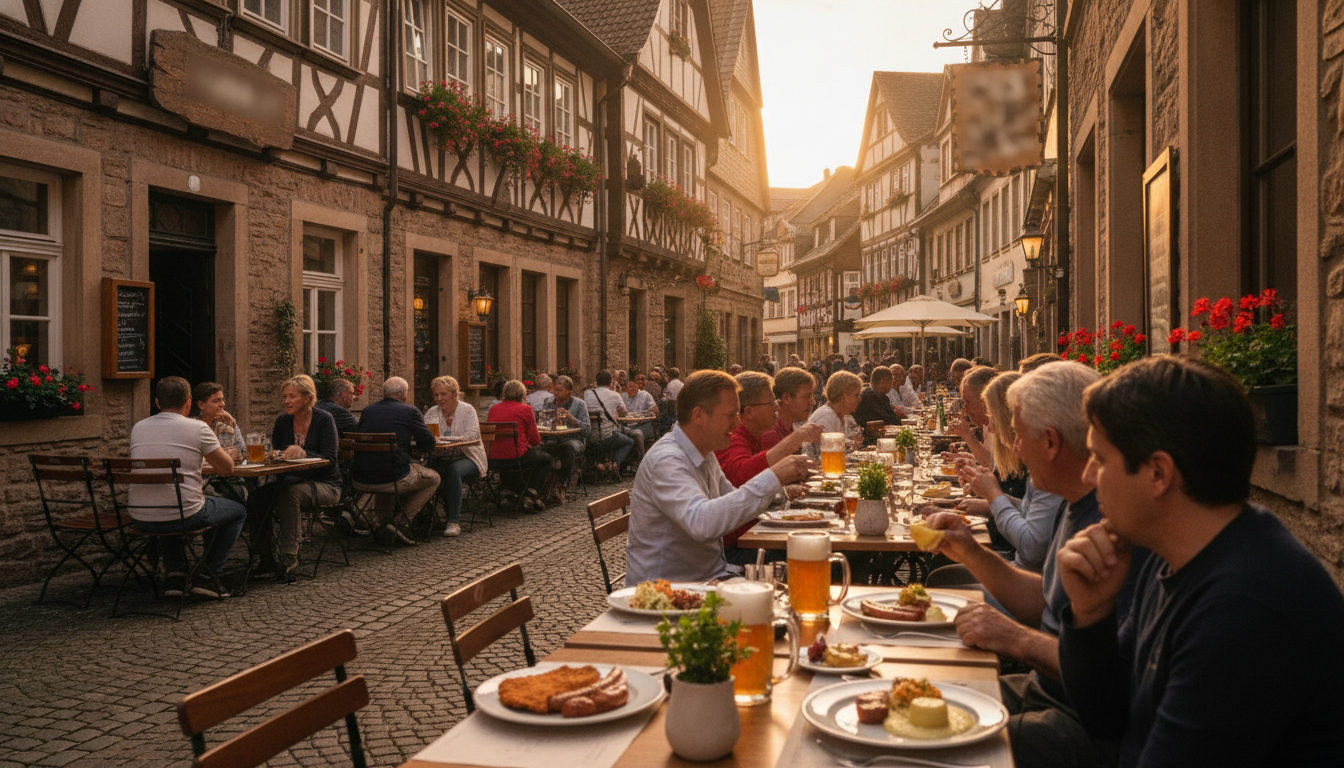
Remscheid’s largest single project is taking shape in Lennep: on land at the edge of the historic old town, the Designer Outlet Centre is intended to bring spending power and visitors into the city – accompanied by investment in walkways, parking and links to the listed old town centre. The debate went on for a long time, but now it’s all about delivery: Lennep is positioning itself as a dual destination combining an outlet centre with half-timbered charm.
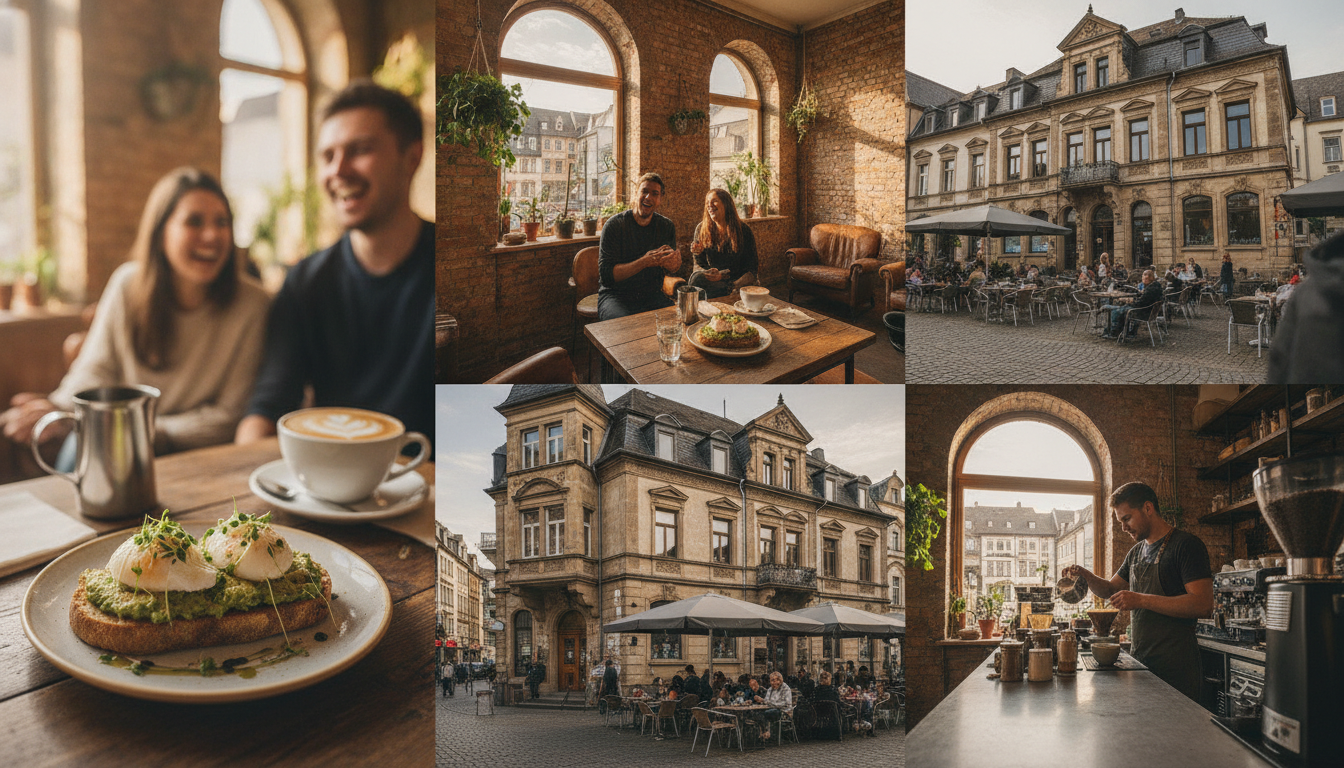
The town centre is working on itself in parallel: along Alleestraße, urban development funding, vacancy management and the redesign of public squares are providing momentum – the hill city wants to turn its centre from a pure shopping destination into a place to linger. Temporary uses and new restaurants are already testing what works.
The tool city remains the economic backbone: long-established firms in the cutlery and tool industry are modernising their sites, and commercial space is being used more intensively rather than newly developed – Remscheid is focusing on looking after what it already has and retaining skilled workers. The vocational colleges and the proximity of the Bergische Universität supply the next generation.
When it comes to housing, the strategy is to work with what already exists: refurbishing Gründerzeit-era quarters, selective new-builds, and upgrading the district centres from Lüttringhausen to the south – the hill city’s topography limits available space, but it also lends charm to the hillside locations with their far-reaching views.
Green space and water are Remscheid’s quiet strengths: reservoirs, woodland and the area around the Müngsten Bridge – a candidate for World Heritage status and a landmark in its own right – are being developed as a connected recreational area; the Brückenpark links the neighbouring towns of the Bergisches Land. Hiking and cycling routes such as the Trasse des Werkzeugs bring the hills within easy reach.
Mobility remains both a challenge and a project: better bus frequencies, S-Bahn connections via the main railway station, and cycle commuter routes are intended to ease the hill city’s reliance on cars – anyone who has experienced the gradients here will understand why e-bike subsidies are treated as a serious policy matter.
Culture anchors the city’s identity: the Deutsches Röntgen-Museum in Lennep – birthplace of the Nobel laureate – continues to be developed, the city’s theatres and venues keep up their programmes, and industrial heritage formats are retelling the story of the tool industry in new ways. City marketing is increasingly turning all this into reasons to visit.
Anyone wanting to see the change for themselves should do the double tour: Lennep with its old town and museum in the morning, the Müngsten Brückenpark in the afternoon – in between lies the Remscheid of the future: compact, framed by greenery, and in the process of finding its new shape.
So the tool city presents itself in 2026 as an honest work in progress with real substance: no headline-grabbing projects, but steady work on the centre, the districts and transport links – Bergisches Land persistence, in other words. Anyone who writes Remscheid off is underestimating exactly this staying power.
What matters is keeping people in view: neighbourhood projects, support for local clubs and youth work in the districts run alongside the building programmes – in Remscheid, urban development explicitly also means organising cohesion. The density of local clubs and associations here is an asset that many other towns envy.
For visitors, the current state of affairs already makes a visit worthwhile: Lennep’s lanes, the Röntgen Museum and the bridge landscape at Müngsten easily fill a day trip – and anyone wanting to follow the city’s development can return year after year and measure progress along Alleestraße and the outlet construction site. The comparison becomes more interesting with every visit.
And the direction is right: with the outlet impetus, the town centre programme and hopes of World Heritage status for Müngsten, Remscheid has, for the first time in a long while, several cards for the future in play at once – played with Bergisches Land level-headedness, but with clear determination. The tool city is forging itself anew.
Anyone who doubts it should put it to the test: an afternoon in Lennep, an evening above the Wupper valley – and the picture of the grey hill city takes on colour. Remscheid in 2026 deserves a second look; it becomes more worthwhile with every passing year.
After all, the tool city has plenty of practice in tempering things – including confidence.
Anyone wanting to follow the transformation will find open doors at public meetings and district conferences – Bergisches Land-style participation included.
Die Besten der Stadt