Rottenburg
Urban Development Rottenburg: New Projects & Quarters 2026

Rottenburg am Neckar is a city undergoing change. The historic bishop's city with its distinctive cathedral and picturesque market square is increasingly embracing forward-looking urban development, without losing its character in the process. Several major projects are shaping the cityscape and will bring lasting change to Rottenburg in the years ahead.
At the heart of this development is the new quarter around the station. The area surrounding Rottenburg station has been undergoing fundamental redevelopment since 2025. The aim is a modern mobility hub that intelligently links bus, rail, cycling and car-sharing. New residential and commercial space is also planned right next to the station, making commuting into the Stuttgart region even more attractive. The first construction phases are due to be completed by the end of 2026.
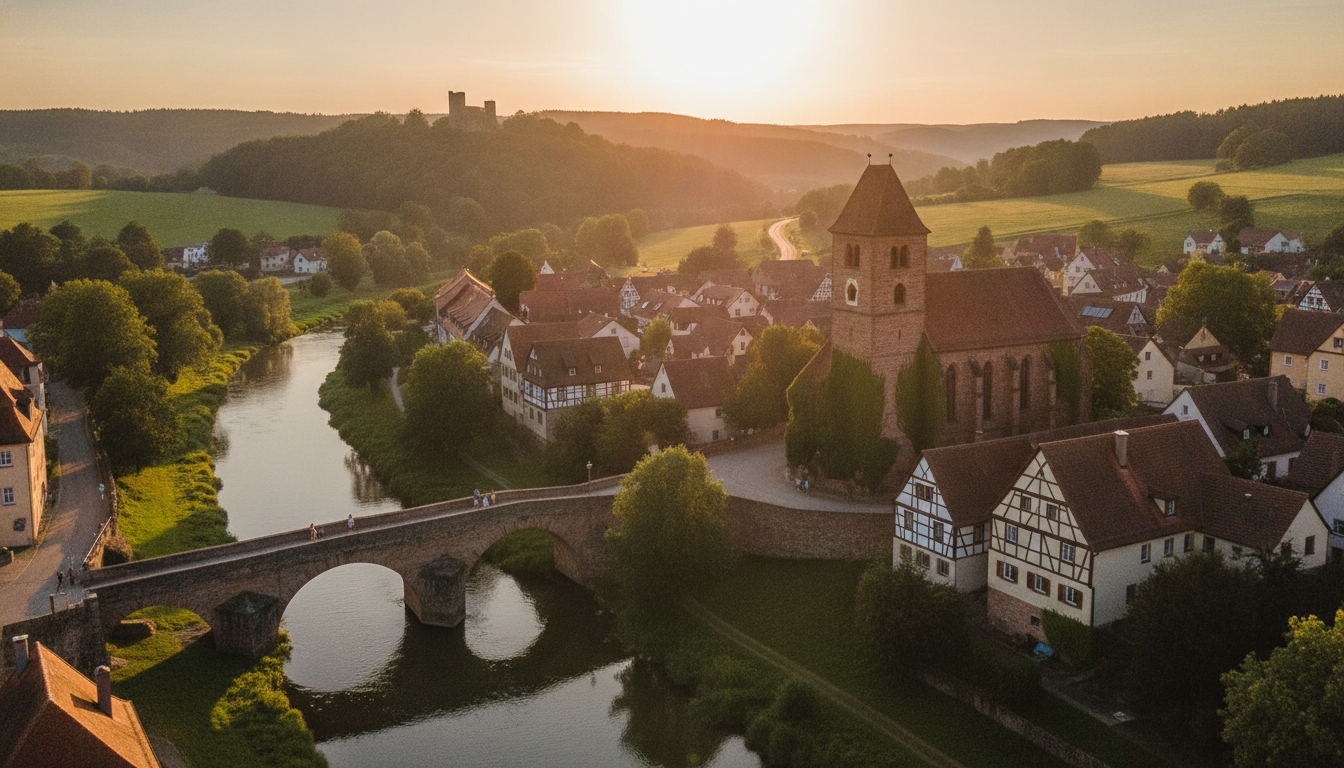
Another major project is the redesign of the Neckar riverbank. Under the title ‘Neckar erleben’ (‘Experience the Neckar’), new riverside paths, seating terraces and an ecological upgrade of the river landscape are being created. Families in particular will benefit from the planned play and activity areas, which will turn the riverbank into a local recreation area right on the doorstep. Construction work began in spring 2026 and is due to be carried out in several phases through to 2028.
Affordable housing is also being taken seriously in Rottenburg. A new residential area with around 200 units is being built in the Kiebingen district, a third of which will be in the social housing segment. The city is opting for a mix of multi-storey housing and terraced homes, interspersed with green spaces and a central neighbourhood square. The first residents are expected to move in during 2027.
The city's commitment to climate protection is particularly noteworthy. Rottenburg has set ambitious CO2 reduction targets and is investing heavily in photovoltaic systems on public buildings. The ecological model district in the south of the city, which takes into account both passive house standards and embodied energy, is considered a model project beyond the region. Community solar schemes actively involve residents in the energy transition.
Rottenburg's development follows a clear direction: the historic bishop's city aims to grow without losing its face. At the centre of this are carefully considered projects – upgrading the town centre between the market square and the Neckar, renovated squares and a retail concept that strengthens the short distances of the old town rather than diluting them.
The Neckar riverbank is coming into the spotlight: paths, seating terraces and green spaces are set to connect the river more closely with the city – step by step, the through-route is becoming a place to linger, one that serves as a stage for festivals and evenings out in summer. The Neckarfest shows every year just how much potential the riverbank holds.
When it comes to housing, the city is embracing diversity: new development areas on the outskirts are being complemented by inner-city development – infill sites, conversions and age-friendly projects are keeping the core city vibrant. A fixed proportion of affordable housing is now part of the requirements for larger developments.
The outlying districts remain on an equal footing: Rottenburg is made up of many villages, and the districts from Ergenzingen to Wurmlingen are receiving their own development impetus – from village squares to local amenities and appropriately scaled building areas. The city of short distances applies here twice over.
Education and research are providing momentum: the University of Applied Forest Sciences brings students and expertise on sustainability issues into the city – a resource that is visible in climate projects and urban greening concepts. Schools and nurseries are growing in line with demand.
Climate protection is a cross-cutting theme: the expansion of photovoltaics, energy-efficient refurbishments and the renaturalisation of streams are on the agenda, along with tree planting to combat the summer heat of the valley town. The ambition: to be a bishop's city and a climate city at the same time.
Mobility is being rebalanced: better cycle paths into the Neckar valley and to Tübingen, more frequent bus services to the outlying districts, and the debate over low-traffic areas in the old town are shaping discussions – proximity to the university town makes commuter solutions an ongoing task.
Economically, Rottenburg is focusing on existing strengths plus quality: commercial areas are being developed with restraint, and trades and small businesses are being strengthened – large-scale developments on greenfield sites don't fit the city's approach. Tourism is growing steadily as a gentle factor.
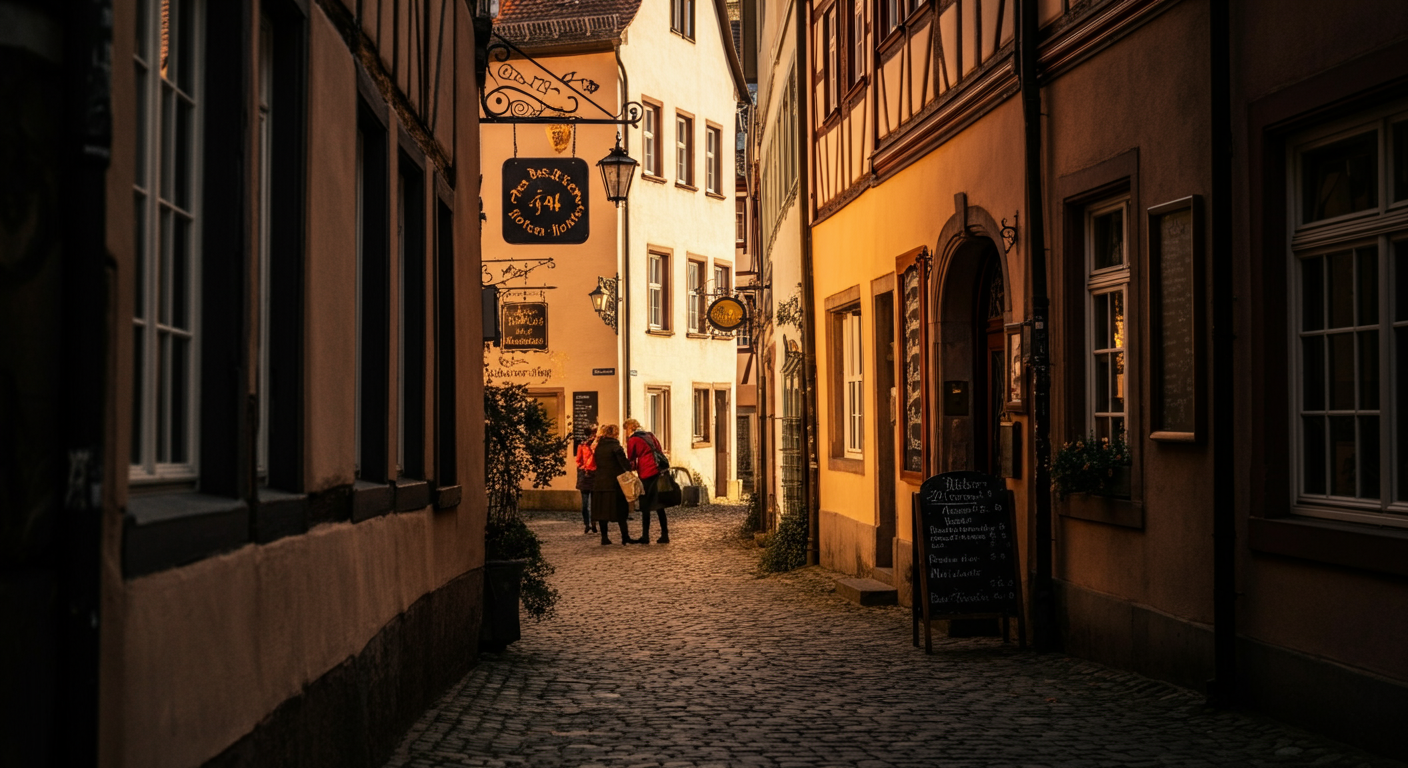
Anyone wanting to see the projects can combine them into a walk: from the cathedral via the market square to the riverbank, then on through the lanes to the renovated squares – Rottenburg tells the story of its development on foot. Today's building sites are the postcard views of the day after tomorrow.
What remains is the impression of a city planning its future with Swabian care: no spectacle, but substance – on the Neckar, in the villages and between the church towers. It's precisely this reliability that makes Rottenburg one of the most pleasant examples of mid-sized city development in the south-west in 2026.
Honesty demands acknowledging that not everything runs without conflict: debates about land use, traffic and the balance between the core city and outlying districts accompany every project – but the city's culture of participation ensures that disagreements are worked through before building begins. The result is solutions that last.
Anyone wanting to follow the development has it easy: council documents, information events and the district councils make the planning transparent – and an annual look at the riverbank and market square shows the progress in very practical terms. Rottenburg simply prefers to build first rather than explain afterwards.
So Rottenburg remains, in 2026 too, what it wants to be: a city with history behind it and a plan in its head – and precisely for that reason, one worth keeping an eye on.
Anyone wanting to see for themselves is best off visiting in person – the walk from the cathedral to the Neckar takes ten minutes and explains more than any plan.
Die Besten der Stadt