Schwerin
Discover the 12 Most Impressive Treasures of Schwerin
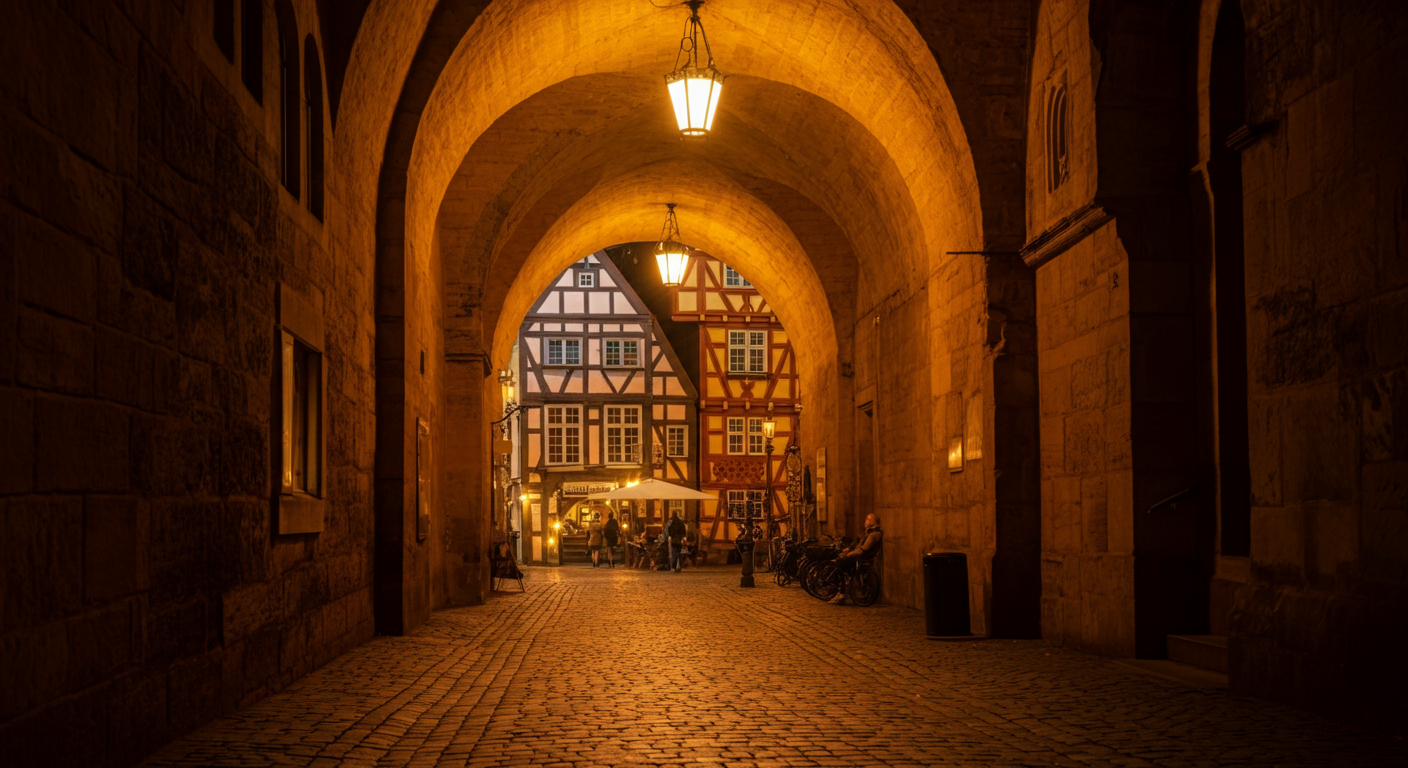
The state capital of Mecklenburg-Vorpommern delights visitors with a unique mix of history, culture and nature. The sights in Schwerin combine fairytale palaces, historic buildings and picturesque lakes into an unforgettable experience. From the imposing residence on the Schlossinsel to the city's green oases, Schwerin has something for every taste. With our guide, discover the 12 most impressive attractions and let the beauty of this northern German pearl enchant you.
Sights in Schwerin: The Fairytale Schweriner Schloss
The Schweriner Schloss sits majestically on an island in the Schweriner See and is regarded as the town's landmark. This impressive residence in the style of Romantic Historicism is one of the most important sights in Schwerin and enchants visitors with its fairytale architecture.
The History of the Palace
The present palace was built between 1845 and 1857 under Grand Duke Friedrich Franz II. The architects took inspiration from the French Château de Chambord and created a masterpiece of Romanticism.
Highlights of the Palace Tour
Magnificent throne rooms with original furnishings preserved
Impressive ancestral gallery of the Mecklenburg dukes
Beautiful palace chapel in the Neo-Gothic style
Breathtaking views over the lake from the palace tower
Fairytale palace gardens with artistically laid-out flower beds
💡 Tip: Book a guided tour early in the morning to experience the sights in Schwerin without large crowds.
Top Attractions in Schwerin: The Enchanting Schweriner See
The Schweriner See is the blue heart of the town and one of the most popular sights in Schwerin. With an area of over 61 square kilometres, it invites a wide variety of activities.
Water Sports and Relaxation
The crystal-clear lake offers ideal conditions for water sports enthusiasts and those seeking relaxation. Sailing, rowing and swimming are possible here, as are relaxed walks along the shore.
Boat Trips on the Lake
Romantic cruises on historic steamers
Excursions to the picturesque islands in the lake
Evening dinner cruises at sunset
Special themed trips in different seasons
💡 Tip: The best time for a boat trip is late afternoon, when the light over the water is particularly beautiful.
Sights in Schwerin: The Historic Marktplatz
The Marktplatz has been the pulsating centre of Schwerin for over 850 years. Surrounded by magnificent townhouses and the imposing cathedral, it is one of the most beautiful sights in Schwerin.
Architectural Highlights
The buildings around the Marktplatz reflect different eras. Especially impressive are the restored facades in the style of Brick Gothic and Neoclassicism.
The Lively Market Scene
Weekly farmers' markets with regional specialities
Seasonal events and town festivals
Cosy cafés and restaurants with outdoor terraces
Traditional shops in historic vaults
Crafts and souvenirs from local artists
Top Attractions in Schwerin: The Majestic Cathedral
With its 117-metre tower, the Schweriner Dom St. Marien und St. Johannis rises above the old town and is among the most important sights in Schwerin. As the only surviving brick cathedral in Mecklenburg-Vorpommern, it impresses with its Gothic splendour.
Art Treasures in the Cathedral
The cathedral houses valuable works of art from various centuries. Particularly worth seeing are the medieval wall paintings and the magnificent high altar.
The Famous Organ
One of the largest Romantic organs in Germany
Regular concerts with international artists
Impressive acoustics in the Gothic vaulting
Option to climb the tower for panoramic views
💡 Tip: Visit the cathedral during an organ concert to experience the full splendour of this instrument.
Sights in Schwerin: The Staatliches Museum
The Staatliches Museum Schwerin houses one of the most important art collections in northern Germany and is among the cultural sights in Schwerin. Works from the Middle Ages to the present day are presented in three buildings.
The Collections at a Glance
The museum is divided into different areas, each with its own focus. From Old German painting to contemporary art, everything is represented.
Exhibition Highlights
Works by Lucas Cranach the Elder
Important collection of Dutch painting
Modern art of the 20th and 21st centuries
Temporary exhibitions with international loans
Interactive areas for families with children
The Green Schlossgarten as a Sight in Schwerin
The Schlossgarten extends over 25 hectares and combines different garden styles into a harmonious total work of art. This green oasis is one of the most romantic sights in Schwerin.
Garden Architecture from Different Eras
The garden shows the evolution of garden design from the Baroque period to the modern era. Each area tells its own story and invites you to linger.
Special Areas in the Garden
The Burggarten with its geometric flower beds
The romantic landscape park on the lakeshore
The orangery with exotic plants
The kitchen garden with historic vegetable varieties
Modern sculptures among old trees
Idyllic walking paths along the water
The Grotto as a Special Highlight
The artificially created grotto in the Schlossgarten is an architectural jewel. Here visitors can relax in a mystical atmosphere and enjoy the peace.
💡 Tip: Visit the garden in spring, when the rhododendrons and azaleas are in full bloom.
Naturpark Mecklenburgische Schweiz: Experience Pure Nature
The Naturpark Mecklenburgische Schweiz extends around Schwerin and is among the most beautiful landscapes in northern Germany. This natural sight in Schwerin offers unspoilt nature and a wide range of leisure activities.
Hiking and Cycling
A well-developed network of hiking and cycling trails runs through the nature park. The routes lead through varied landscapes with forests, lakes and moors.
Wildlife Watching in the Nature Park
White-tailed eagles and other rare bird species
Red deer in the extensive forests
Beavers on the unspoilt waters
Cranes during the migration seasons
Bats in the evening hours
📍 Discover more: Explore more recommendations for Schwerin on our city page.
Conclusion: Sights in Schwerin for Unforgettable Experiences
The sights in Schwerin offer a perfect mix of culture, history and nature. From the fairytale palace complex and the picturesque lake to the green parks - every attraction has its own charm.
The Key Takeaways at a Glance:
The Schweriner Schloss is the absolute highlight of the town
The Schweriner See invites a wide variety of activities
The old town combines history and modern life
Cultural offerings enrich every visit
The nature around Schwerin is uniquely beautiful
Plan at least two days for your visit to explore the most important sights in Schwerin at a relaxed pace. The town will delight you with its unique atmosphere and invite you to return.
Frequently Asked Questions About the Sights in Schwerin
Which sights in Schwerin are free to visit?
The Schlossgarten, the old town and the walking paths along the Schweriner See can be visited free of charge. The Marktplatz and the exterior of the cathedral are also freely accessible.
How much time should you allow for the most important sights in Schwerin?
For a comprehensive visit to the main attractions, you should allow at least two days. The palace alone takes 2-3 hours, the cathedral and the museum about 1-2 hours each.
Are there combination tickets for several sights in Schwerin?
Yes, there are various combination tickets that offer discounted admission to the palace, museum and other attractions. These are available at the ticket offices or online.
Which sights in Schwerin are particularly suitable for families?
The Schlossgarten with its playgrounds, the museum with its children's programme and boat trips on the lake are particularly family-friendly. The Tierpark and the walking paths are also ideal for children.
When is the best season to visit the sights in Schwerin?
Every season has its charm. Spring and summer are the best time for activities on the lake and in the garden. Autumn and winter have a special atmosphere, especially around the illuminated palace.

Markus Lehmann
Markus schreibt über Unternehmen, Gründungen und wirtschaftliche Entwicklungen vor Ort. Er kommt aus dem Lokaljournalismus und stellt gern die Frage nach dem Warum: Warum funktioniert ein Konzept an dieser Stelle — und warum ein anderes nicht?