Soest
Soest in Summer 2026: Festivals, Markets & Events

Soest, the old Hanseatic town famous for its green sandstone, shows itself at its liveliest in the summer of 2026. Anyone who thinks nothing happens in this nearly thousand-year-old town is in for a surprise – the events calendar is packed.
The highlight of the summer is traditionally the ‘Soester Fehde’, a large medieval festival taking place in early August 2026. The entire old town turns into a living history book: knights’ camps, craft markets, jugglers and minstrels create a medieval atmosphere. Particularly appealing for families are the hands-on activities – children can learn archery, make leather pouches or try their hand at blacksmithing. In the evening, torches bathe the alleyways in warm light while medieval music rings out from the main stage.
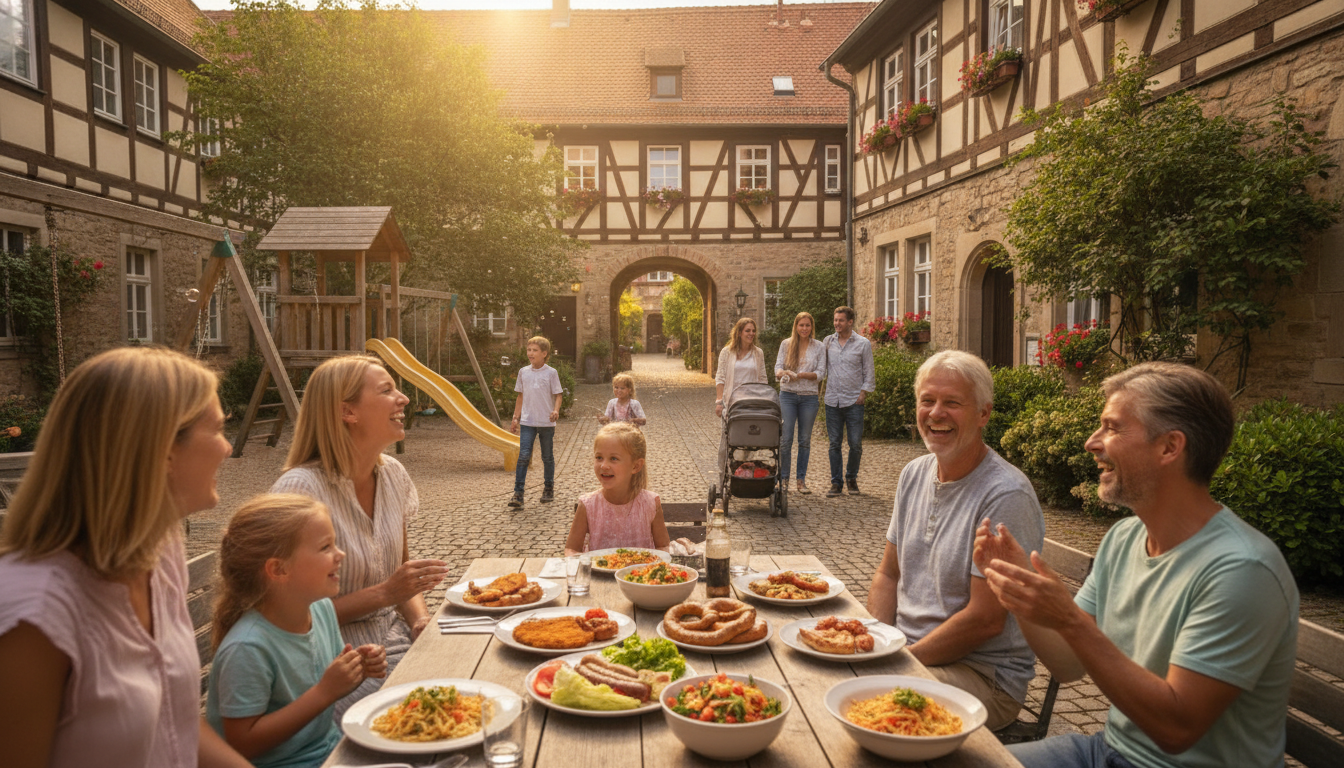
The ‘Soester Feierabendmarkt’ has a much more modern feel. Every Wednesday evening from June to September, the market square turns into an open-air lounge with food trucks, live music and a relaxed atmosphere. A new concept for 2026 is the seasonal theme rotation: June saw a strawberry week with creative strawberry dishes ranging from sweet to savoury, while August is all about Mediterranean cuisine.
Art lovers will get their money’s worth at the ‘Soester Sommerakademie’. From mid-July to early August, regional and international artists offer workshops in painting, sculpture and photography. Places are limited, so early booking is recommended.
For music fans, the open-air series ‘Musik am See’ is a real insider tip. At the Großer Teich in the town park, just a few minutes’ walk from the old town, bands from a wide range of genres perform on balmy summer evenings: from jazz to singer-songwriter to world music. Admission is free, donations are welcome.
A new event for 2026 is the first ‘Soester Kreativmarkt’, premiering at the end of August on the grounds of the old sugar factory. Over 60 exhibitors from the region will present handmade fashion, arts and crafts, design objects and upcycled products – accompanied by a specialty coffee bar and homemade lemonades.
What makes the Soest summer so special is its backdrop: amid green sandstone churches, half-timbered lanes and old ramparts, every festival becomes a piece of living history – the stages stand where markets have been held for centuries. Anyone strolling through the alleyways between events gets a taste of the Middle Ages thrown in for free.
The weekly markets set the rhythm of the weeks: on Wednesdays and Saturdays, producers from the Börde fill the market square – asparagus and berries in season, cheese, bread and flowers year-round. A coffee at the market afterwards is as much a Soest ritual as chatting between the stalls.
Music drifts through the churches and courtyards: an organ summer in the historic churches, concerts in courtyards and choir performances make the most of the old town’s acoustics and atmosphere – tickets are often inexpensive, some events free. It’s always worth checking the notices at the parish churches.
For families, holiday programmes and club festivals provide the framework: games on the squares, guided tours for children through the alleyways and moats, and museum activities keep the young ones entertained – much of it free of charge.
Anyone looking for exercise can combine events with tours: the cycle paths into the Börde, the route to the nearby Möhnesee with its dam and lakeside promenade, or the loop along the ramparts turn a visit to an event into an active day out. Don’t forget to stop off at the country inns along the way.
The town’s culinary offerings reliably accompany its events: brewery-style cooking, Westphalian menus and cafés with home-baked cakes provide sustenance between events – and Soest pumpernickel, made using traditional methods, makes an excellent gift to take home.
And above it all awaits the great highlight of the year: when, in late autumn, the Allerheiligenkirmes turns the whole old town into Europe’s largest inner-city funfair, Soest shows just what celebrating within historic walls looks like – anyone who enjoyed the summer should definitely come back for that.
Practical tip: the event venues are all within walking distance inside the ramparts, the railway station borders the old town, and car parks line the ring road. For major events, taking the train is recommended – the alleyways fill up quickly, and that’s exactly what gives them their charm.
What remains is the impression of a town that celebrates its festivals on the scale of its history: close-knit, genuine and with a patina of green sandstone. Anyone who has once experienced a Soest summer understands why the Börde loves its secret capital so much – and immediately starts planning the next visit.
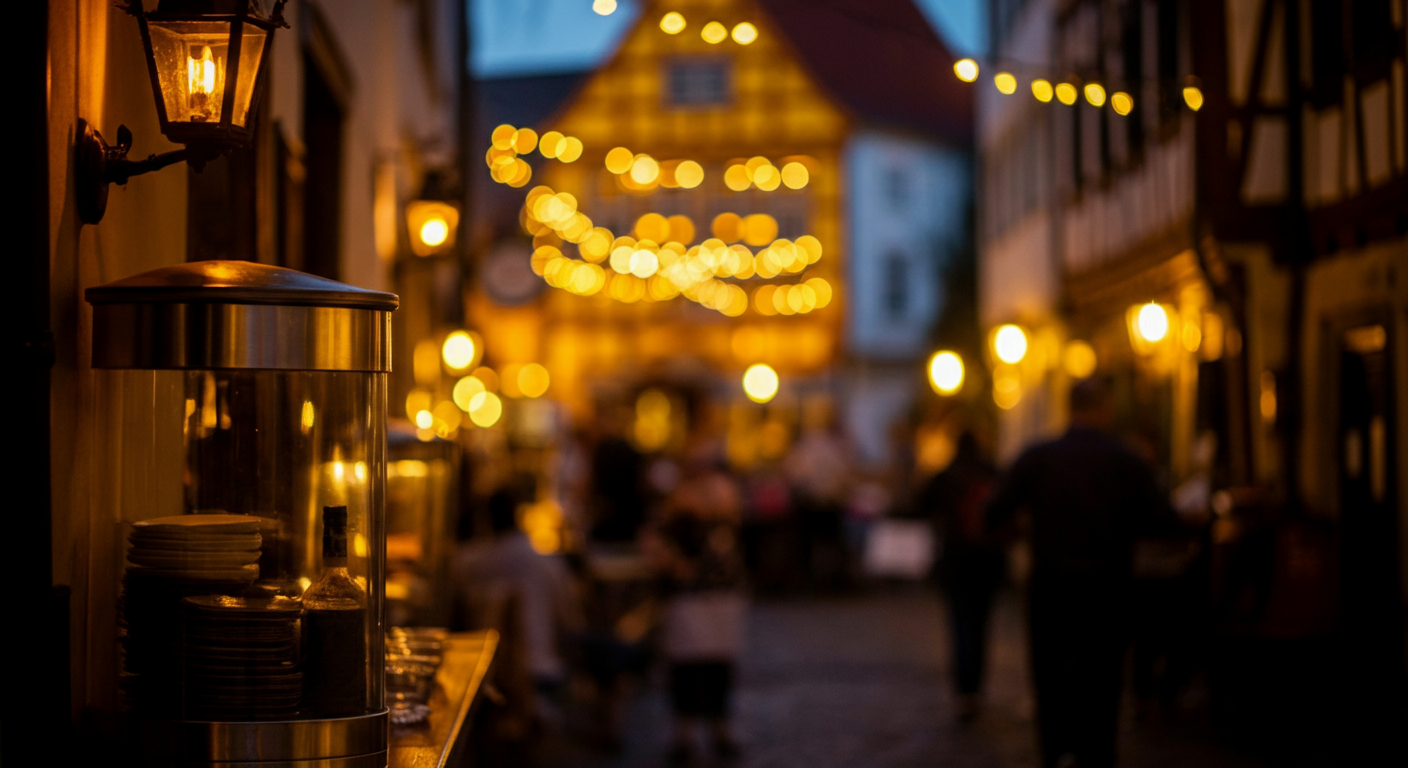
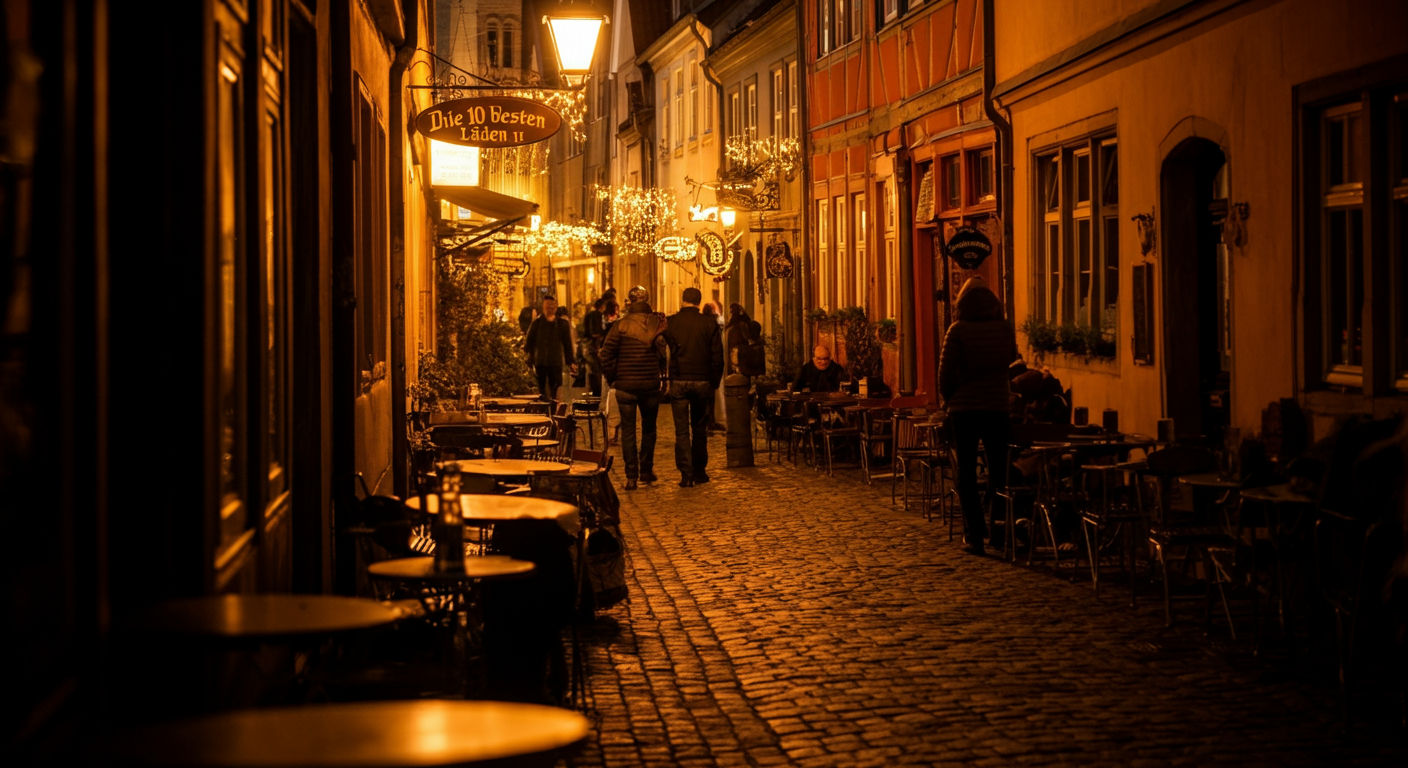
Staying overnight extends the magic: in the evening, once the day-trippers have left, the ramparts and alleyways belong to those who remain – a stroll by lantern light, rounded off with a visit to the brewery, is the most atmospheric Soest experience of all. Breakfast at the market then makes saying goodbye all the harder.
The surrounding area joins in too: festivals in the Börde villages, farm cafés between the fields and events at the Möhnesee extend the calendar for anyone travelling by bike or car – Soest is the perfect base for summer days between town walls and lake air.
So the summer of 2026 confirms what connoisseurs have long known: the secret capital of the Börde celebrates with measure, style and a thousand years of practice – and once you’ve experienced it, you’ll judge every town festival against this one from then on.
Until then: note down the dates, try the pumpernickel and enjoy the summer in the alleyways – Soest is ready.
And if you ever wonder why it all feels so timeless: Soest has been celebrating within the same ramparts for over a thousand years – practice makes perfect, even with festivals, and it’s exactly this composure you can feel on every summer evening between the green sandstone walls.
Die Besten der Stadt